ToolMage
Sign in

Best 2 Home Improvement AI tools for Services

Popular Home Improvement AI tools in Services include Remi and Clean Cut Stone, helping you work more efficiently.

Remi
Paid

Remi

Remi is a technology-driven service platform that simplifies the roof replacement process. It connects homeowners with a nationwide network of trusted, licensed contractors, providing guaranteed pricing, comprehensive project management, and extensive warranties for peace of mind.

Project Management
Visits 11KFavorites 136Likes 143
Clean Cut Stone

Clean Cut Stone

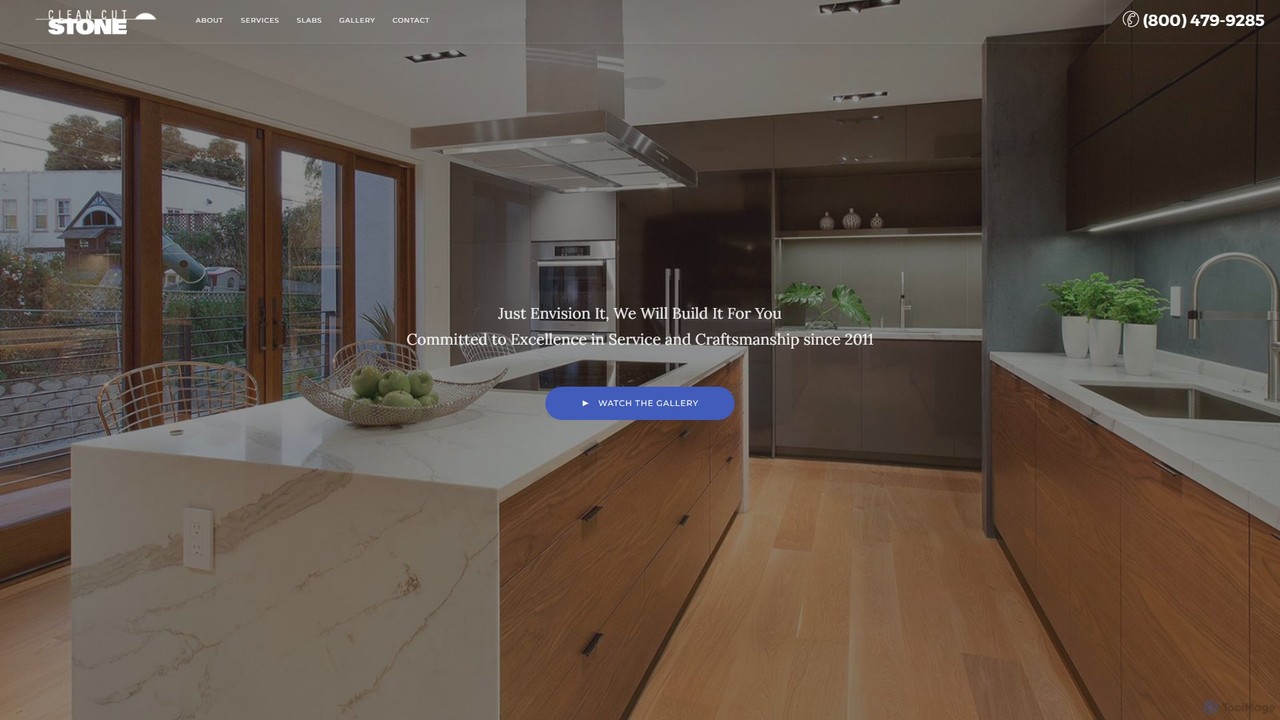
Clean Cut Stone is a professional service provider specializing in the fabrication and installation of luxury natural and engineered stone countertops. They offer a wide selection of materials like quartz, granite, and marble, providing end-to-end service from material selection at their slab yard to final installation for kitchens, bathrooms, and more.

Construction & Renovation
Visits 6.4KFavorites 155Likes 139

About Home Improvement

AI Home Improvement tools are specialized applications that use artificial intelligence to help plan, visualize, and manage home renovation and decoration projects. Leveraging computer vision and machine learning, these tools can analyze room images, generate design concepts, and estimate material needs from user inputs. They empower homeowners, designers, and contractors to make informed decisions, visualize outcomes before starting work, and streamline the entire improvement process from idea to execution.

Core Features

  • Virtual Design & Staging: Instantly visualize new paint colors, flooring, and furniture in your actual room using a photo or 3D model.
  • AI-Powered Idea Generation: Receive personalized design suggestions, color palettes, and layout options based on your preferred styles.
  • Material & Cost Estimation: Automatically calculate the quantity of materials like paint or tiles needed and provide cost estimates for your project.
  • Layout Optimization: Generate efficient and ergonomic floor plans for kitchens, bathrooms, or entire homes based on spatial constraints.

Use Cases

These tools are widely used by interior designers for rapid client prototyping, contractors for accurate project quoting, and real estate agents for virtual staging. Homeowners also use them extensively for DIY projects, enabling them to experiment with design ideas risk-free and plan their renovations with greater confidence.

How to Choose

When selecting an AI Home Improvement tool, consider the specific task you need, such as interior design, landscaping, or cost estimation. Evaluate the tool's visualization quality and realism. Check for a comprehensive library of furniture and materials, and consider the ease of use, especially if you are not a design professional. Finally, compare pricing models, from free basic versions to subscription-based professional suites.

Home Improvement use cases

1

Virtual Interior Redesign Before Purchase

A homeowner planning to redecorate their living room uploads a photo to an AI tool. They can then virtually test dozens of wall paint colors from major brands, experiment with different sofa styles, and see how a new area rug would look on their floor. This process eliminates guesswork and prevents costly mistakes, allowing them to finalize their design choices with confidence before spending any money on paint or furniture.

2

Rapid Prototyping for Interior Designers

An interior designer working with a new client uses an AI tool to accelerate the concept phase. By inputting the client's style preferences (e.g., 'mid-century modern,' 'minimalist') and room dimensions, the AI generates several complete design concepts, including furniture layouts, color schemes, and lighting suggestions, within minutes. This allows the designer to present multiple high-quality visual options quickly, facilitating faster client feedback and decision-making.

3

Accurate Material Estimation for Contractors

A contractor is bidding on a kitchen remodeling job. Instead of manually measuring every surface, they upload the project's floor plan or even a few photos to an AI estimation tool. The software uses computer vision to identify surfaces and calculates the exact square footage of countertops, backsplash tiles, and flooring required. This provides a highly accurate material list, leading to more competitive quotes and reduced material waste.

4

Planning and Guidance for DIY Projects

A DIY enthusiast wants to build custom bookshelves in their home office. They use an AI home improvement tool to design the shelves, inputting the wall dimensions and desired style. The tool not only generates a 3D model but also creates a detailed cut list for the lumber, a step-by-step assembly guide, and a list of necessary tools and hardware. This structured plan helps prevent errors and makes the project more manageable for a non-professional.

5

AI-Powered Landscape and Garden Design

A homeowner wants to redesign their backyard but isn't sure where to start. Using an AI landscaping tool, they upload a photo of their yard. The tool allows them to add virtual elements like a patio, a vegetable garden, or a fire pit. It can also suggest plant species that thrive in their specific climate zone and show how the garden will look in different seasons, helping them create a beautiful and sustainable outdoor space.

6

Virtual Staging for Real Estate Listings

A real estate agent needs to market an empty house. To make the property more appealing to potential buyers, they use an AI virtual staging tool. They upload photos of the vacant rooms, and the AI automatically furnishes them with stylish, appropriately scaled furniture and decor. This creates attractive, inviting images for online listings, helping buyers visualize the home's potential and often leading to a faster sale at a better price.

Home Improvement FAQ

What are AI Home Improvement tools?

AI Home Improvement tools are software applications that use artificial intelligence to simplify home design, renovation, and decoration. They typically analyze user-provided images or data to generate design ideas, create realistic visualizations of changes (like new paint or furniture), and estimate project costs. Their main purpose is to help users visualize outcomes and plan projects more effectively before committing time and money.

How do I choose the right AI Home Improvement tool?

To choose the right tool, first identify your primary need: are you focused on interior design, landscape planning, or budget estimation? Then, evaluate key features. Look for high-quality, realistic visualizations, a large and varied library of furniture and materials, and an intuitive user interface. Also, consider the platform (web-based, mobile app) and the pricing structure, ensuring it aligns with your project's scale and budget.

Can AI tools help me estimate my renovation budget?

Yes, many AI Home Improvement tools have features specifically for budget estimation. By analyzing your project plans, photos, or 3D models, they can calculate the required quantities of materials like paint, flooring, or tiles. Some advanced tools can even connect with supplier databases to provide real-time cost estimates for materials and, in some cases, labor, giving you a more accurate financial overview of your project.

What's the difference between AI Home Improvement tools and traditional design software?

The key difference lies in automation and ease of use. Traditional design software, like CAD programs, requires significant technical skill and manual input to create designs from scratch. AI Home Improvement tools automate much of this process. They use AI to generate ideas, automatically place furniture, and suggest color schemes based on simple inputs, making them much more accessible to homeowners and faster for professionals to use for initial concepts.

Who can benefit from using AI Home Improvement tools?

A wide range of users can benefit. Homeowners use them for DIY projects and to visualize changes before hiring a professional. Interior designers and architects use them for rapid concept generation and client presentations. Contractors utilize them for accurate material and cost estimation. Real estate agents leverage them for virtual staging to market properties more effectively.