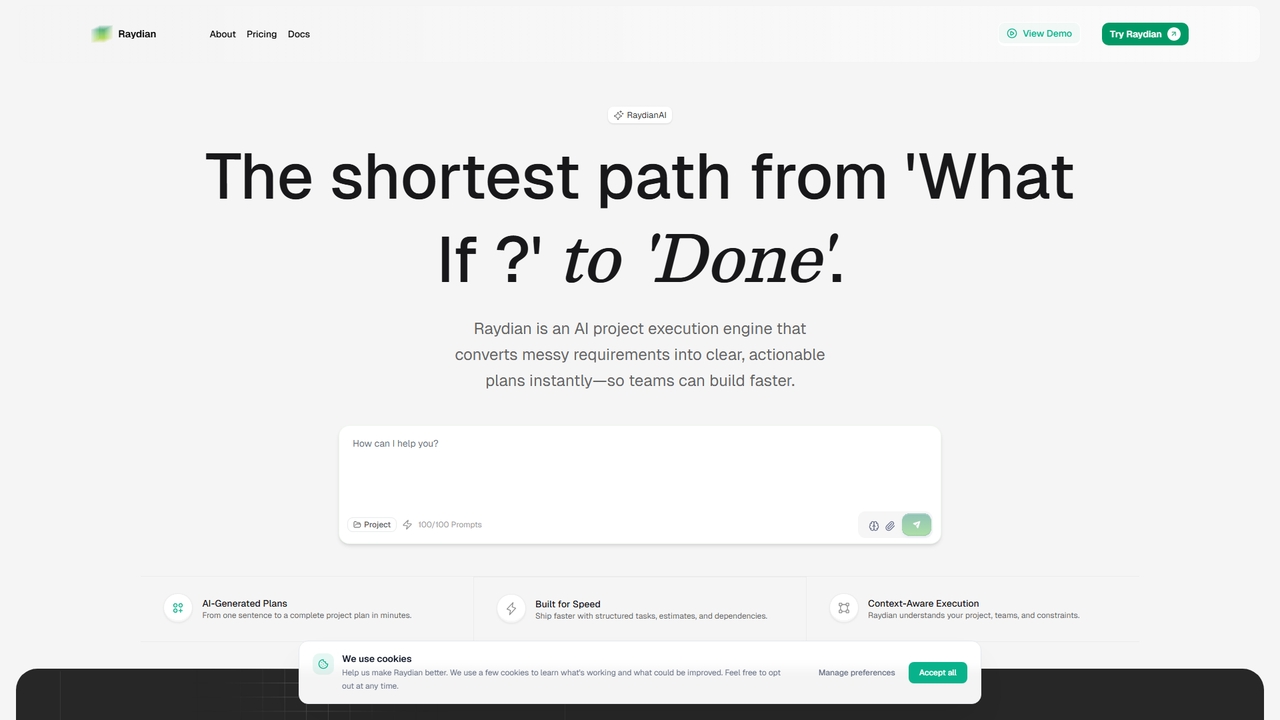
Freemium
Popular Project Management AI tools in Productivity include Notion, Trello, monday.com, Atlassian, ClickUp Brain, VSCO, SAP, Matterport, PMI, and Wrike, helping you work more efficiently.
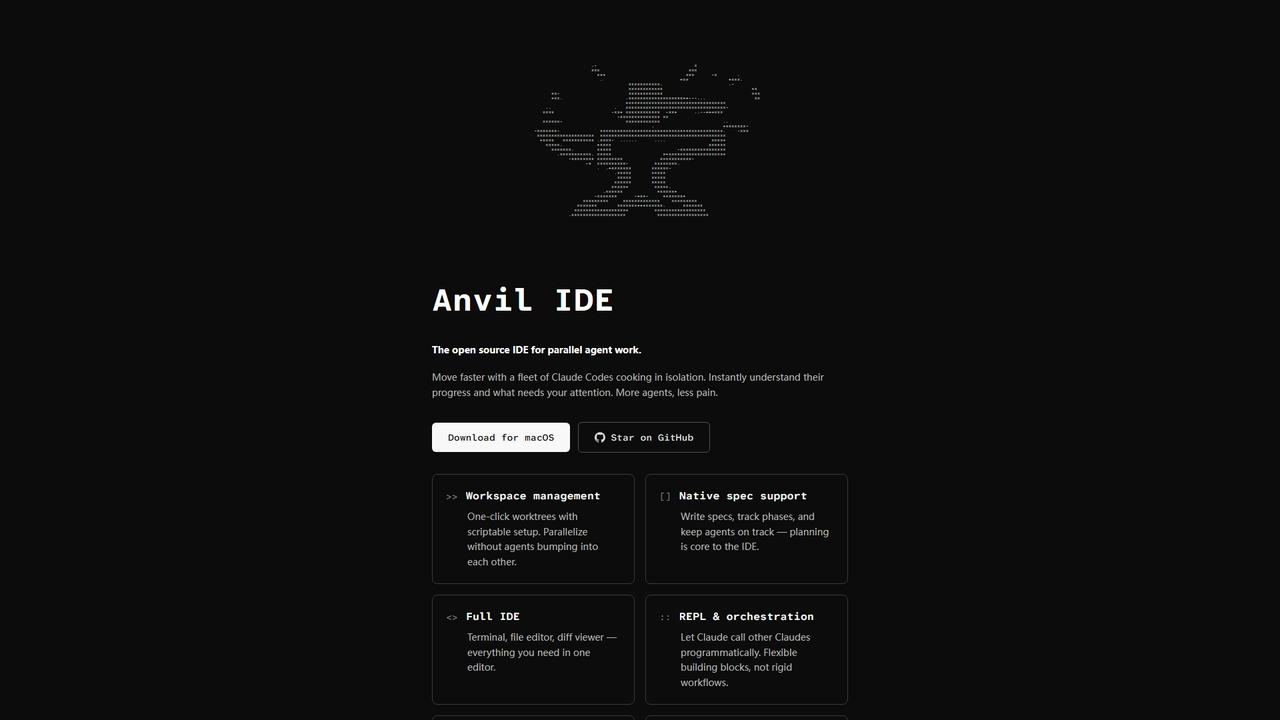
Anvil IDE is an open-source integrated development environment specifically designed for orchestrating and managing parallel AI agent workflows. It centralizes control over multiple Claude Code agents working in isolated workspaces, providing real-time progress visibility, native planning tools, and a full-featured editor to accelerate complex AI-assisted development tasks.
Automation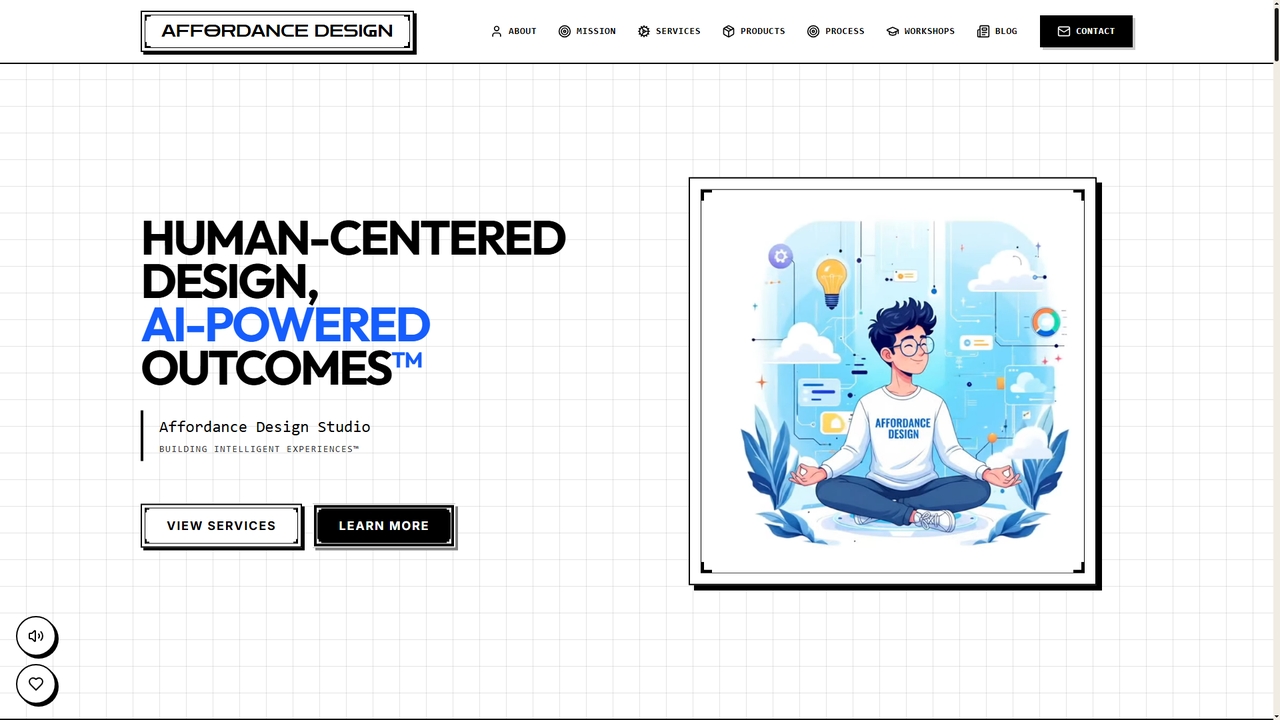
Affordance is a premier UX and AI consulting studio founded by expert Shandar Junaid. It bridges human-centered design with applied artificial intelligence to build "Intelligent Experiences" (IX). The studio offers strategic consulting, product engineering, and training to help businesses integrate AI pragmatically, ensuring technology enhances user experience and delivers measurable outcomes. It also develops innovative AI-powered products like the timeline generator TimeLineX.
Ai Consulting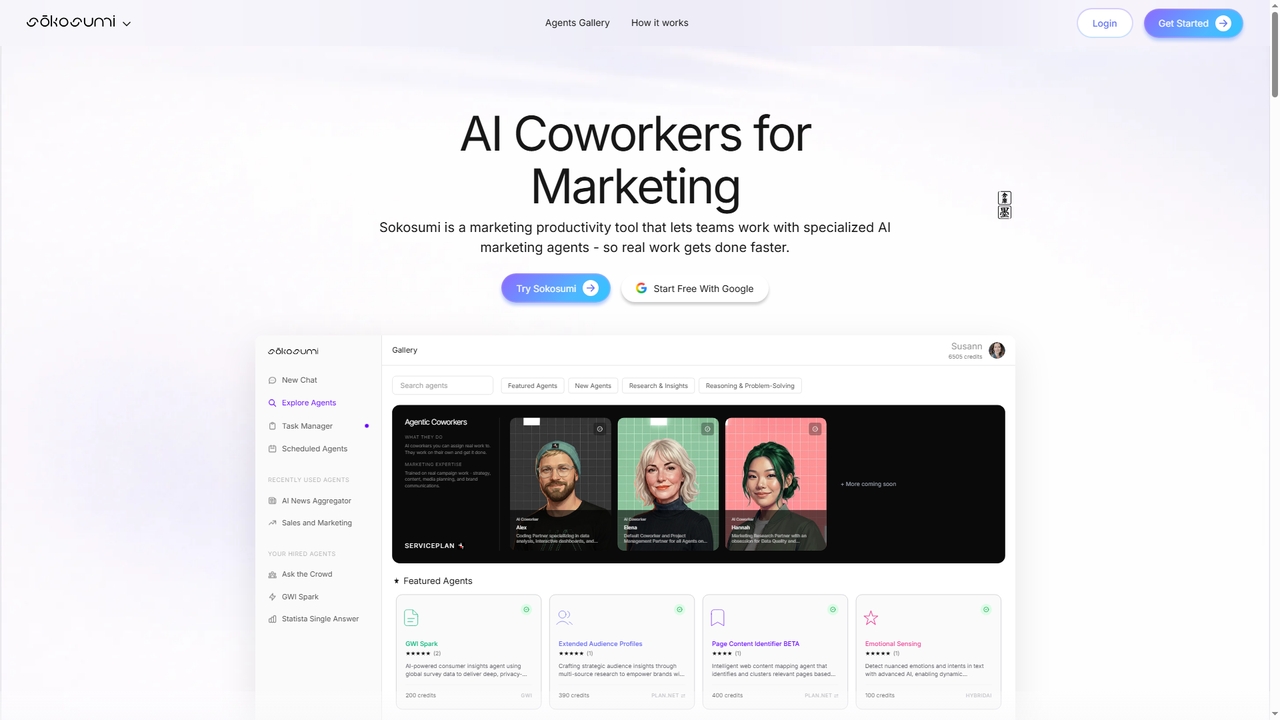
Sokosumi is an AI marketing workforce platform designed for modern teams. It provides specialized "Agentic Coworkers" that can be assigned real work, such as market research, content creation, strategy planning, and data analysis. These AI agents operate autonomously, trained on real campaign work to deliver expert-level results across various marketing functions.
Analytics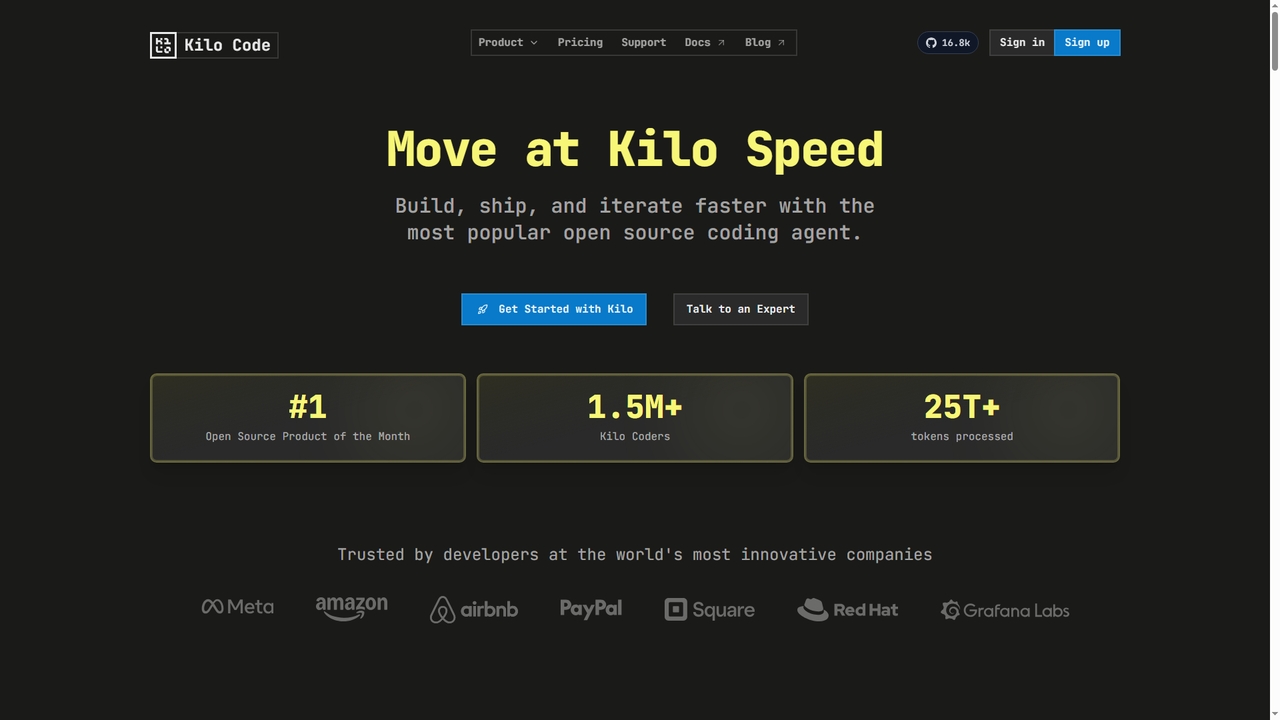
Kilo is an open-source, all-in-one AI coding agent and orchestration platform designed to accelerate software development. It integrates seamlessly into your workflow via VS Code, JetBrains IDEs, and the CLI, offering access to 500+ AI models, automated code reviews, cloud agents, and deployment tools—all while emphasizing transparency, control, and developer productivity.
Ai Code Assistant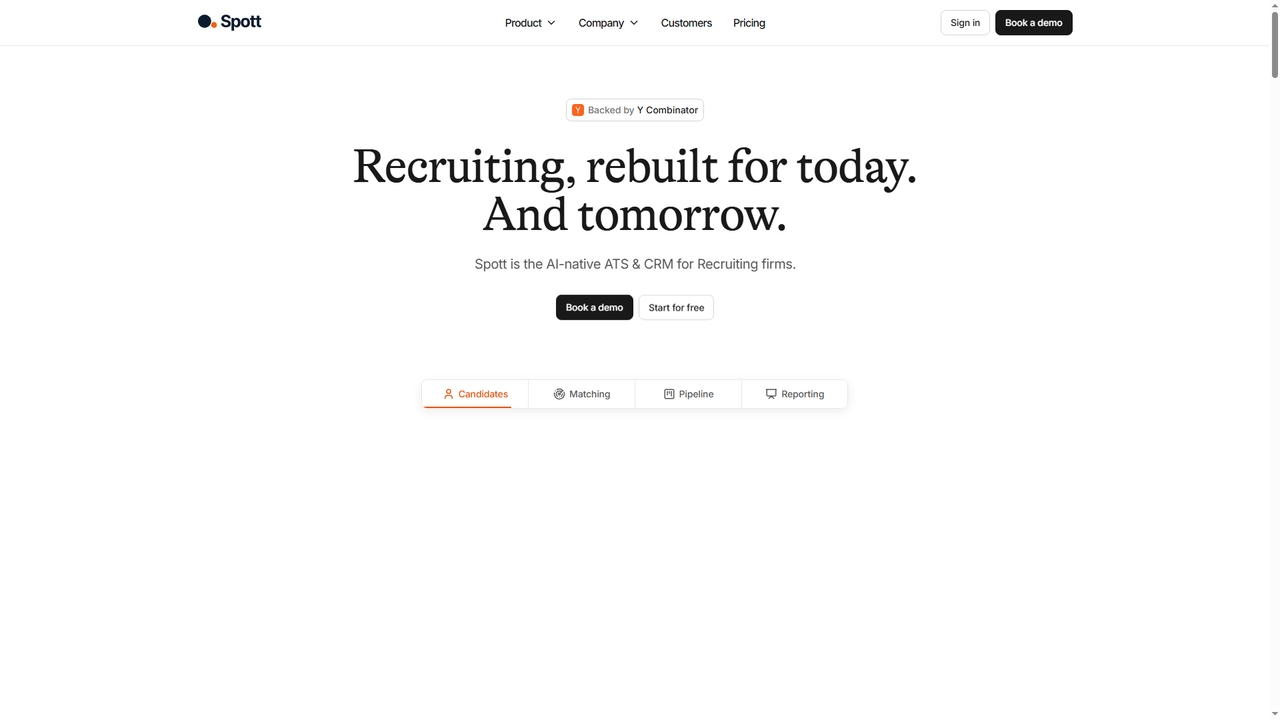
Spott is an AI-native Applicant Tracking System (ATS) and Customer Relationship Management (CRM) platform designed specifically for recruiting firms. It integrates AI at its core for intelligent candidate-job matching, automated profile updates, personalized outreach, and advanced analytics, enabling recruiters to streamline workflows and make more predictable placements.
Crm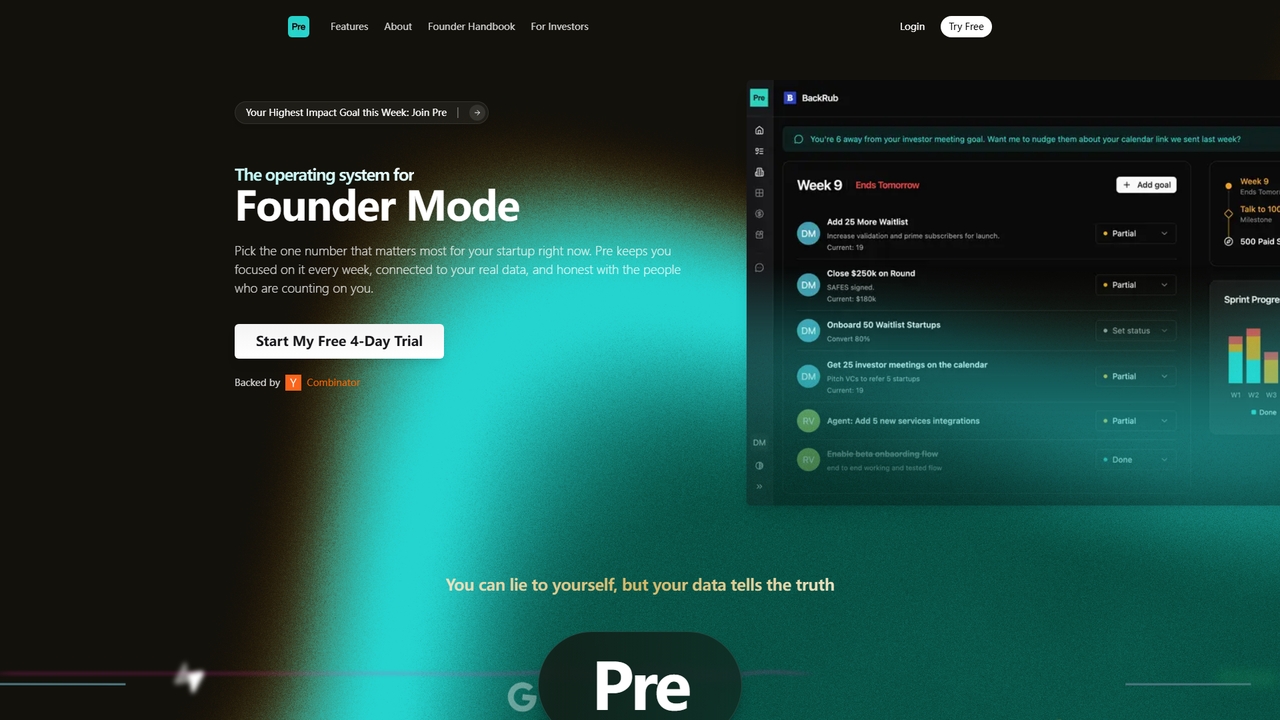
Pre is an AI-powered accountability and execution system for startup founders. It connects to your business tools, tracks real progress against a key metric (North Star), and provides a personalized 10-week sprint framework with automated weekly reports to keep you and your investors honest about traction.
Performance Tracking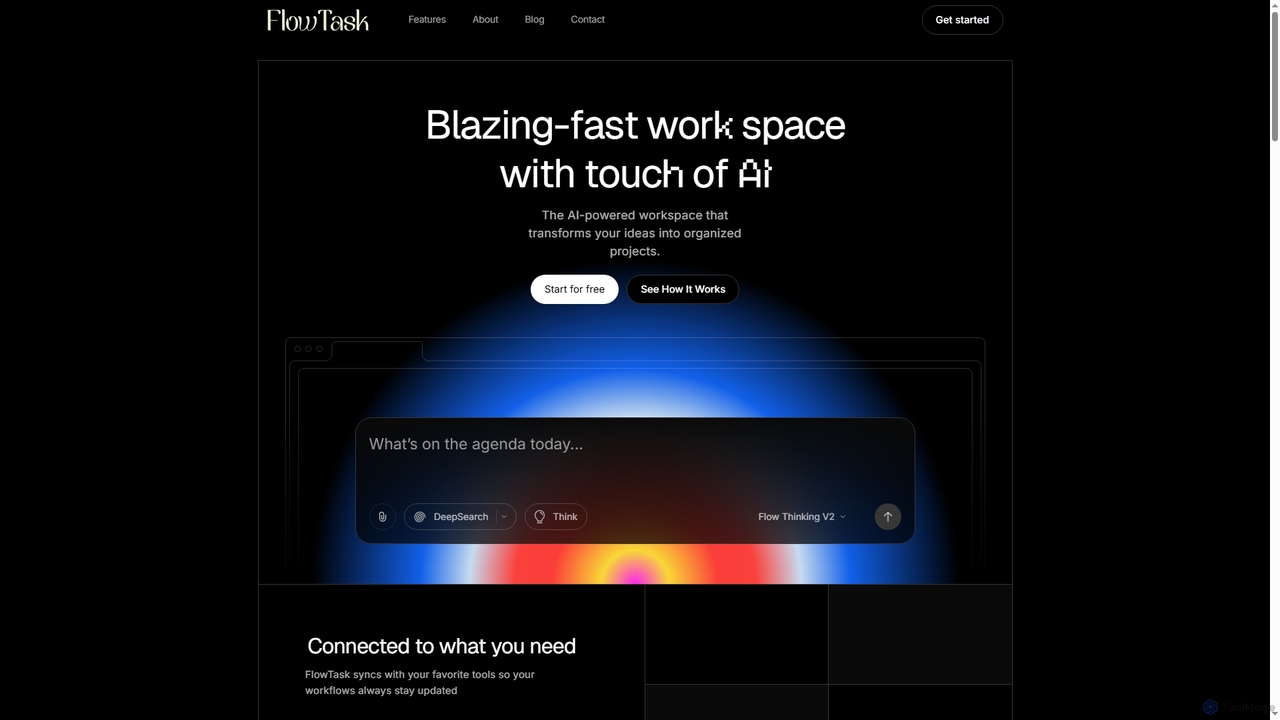
FlowTask is an AI-powered workspace designed to automatically structure projects, tasks, and documents in real-time. It transforms simple prompts into organized workflows, detects tasks and deadlines as you type, and provides instant summaries and cross-workspace search, streamlining productivity for individuals and teams.
Document Generation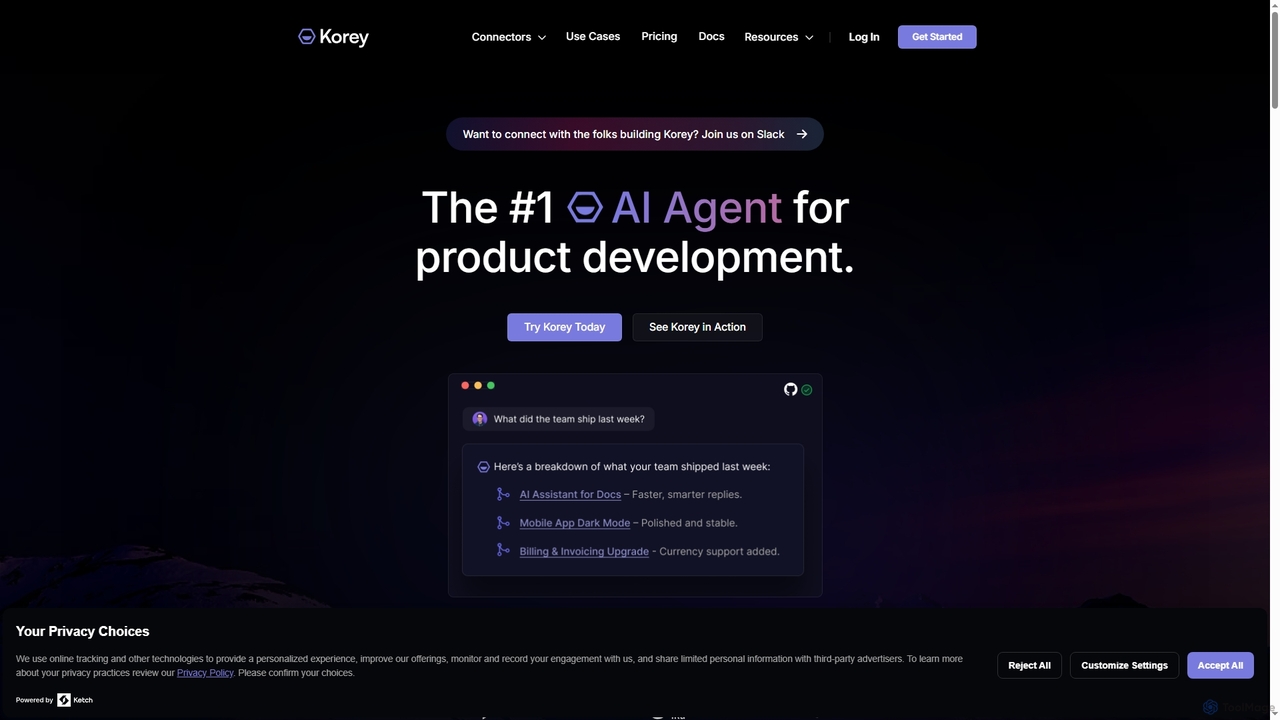
Korey is an AI agent designed to streamline product development workflows, helping teams manage projects, track status, and accelerate progress. It automates tasks like spec creation, task breakdown, and status updates, integrating with tools like Shortcut and GitHub to provide context-aware assistance for engineering teams.
Project Management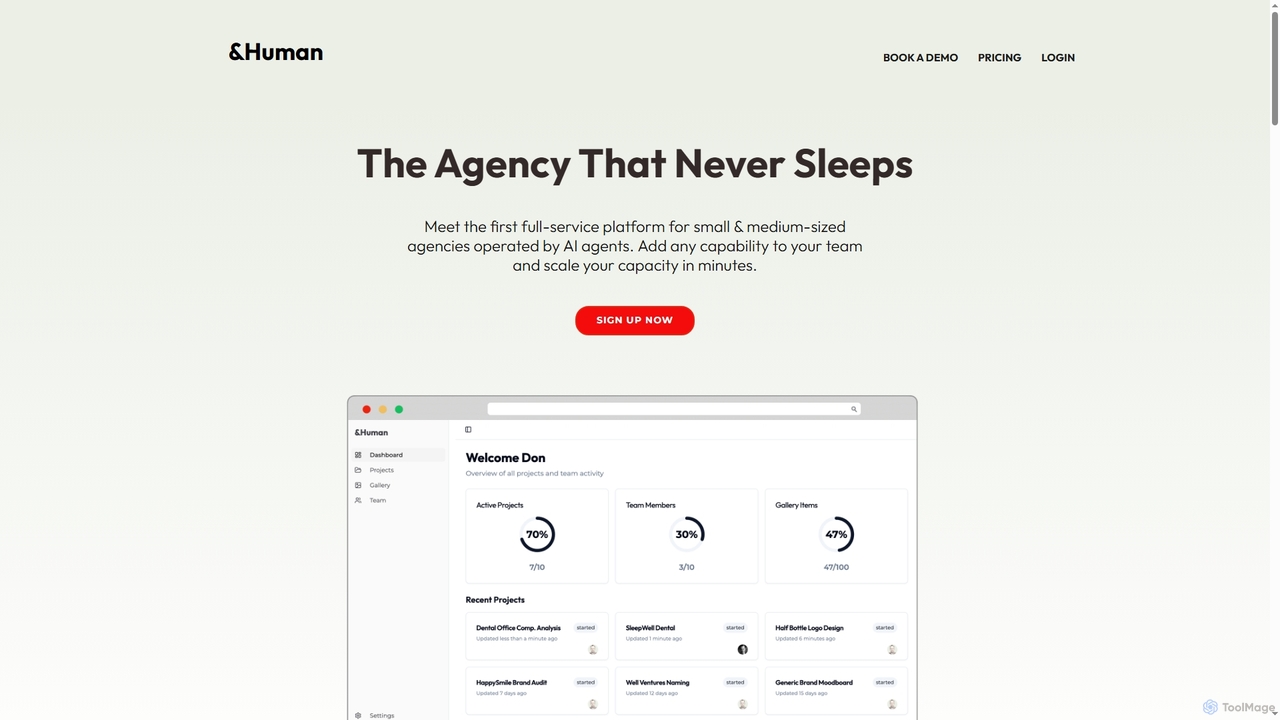
Andhuman is an AI-powered Agency-as-a-Service platform designed for agencies, corporates, founders, and freelancers. It provides a full suite of creative and marketing capabilities, from brand strategy to digital campaigns, operated by expert-trained AI agents. Users can scale capacity, add new disciplines, and deliver high-quality agency work up to 10x faster and at 20% of the cost, all managed through an intuitive project management system.
Agency Automation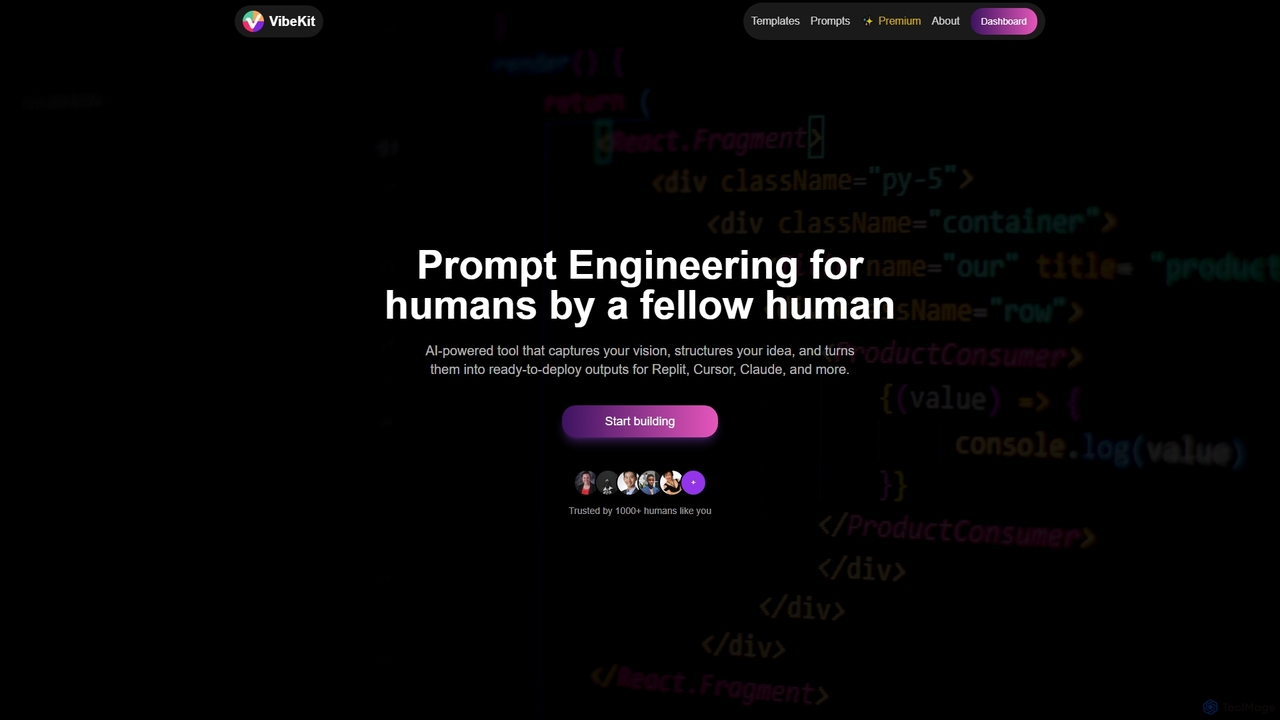
VibeKit is an AI-powered context engineering tool designed for humans to transform ideas into ready-to-deploy outputs. It helps users capture their vision, structure thinking, and generate optimized prompts and scaffolds for platforms like Replit, Cursor, and Claude, accelerating project development from concept to production.
Startup Tools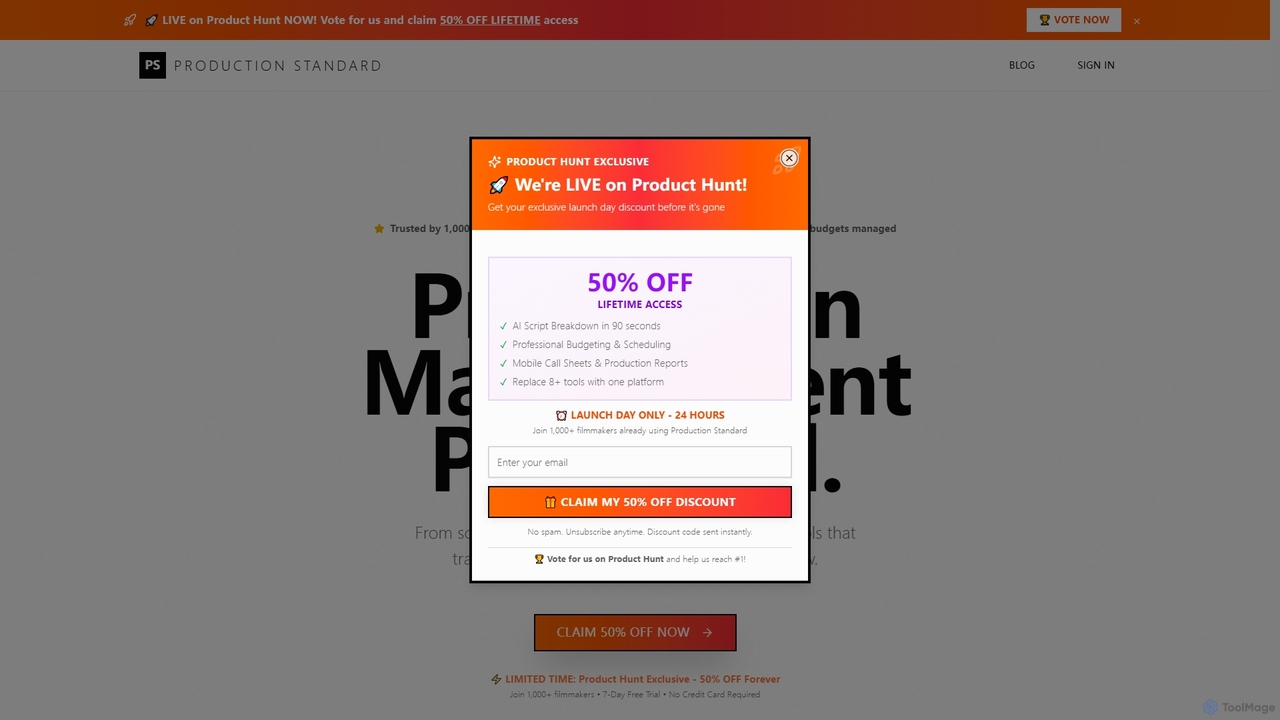
An AI-powered, all-in-one film production management platform. It streamlines pre-production by automating script breakdowns, optimizing schedules, managing budgets, and generating call sheets. Designed by filmmakers, it replaces over 8 tools, saving time and money while ensuring a professional workflow from script to wrap.
Management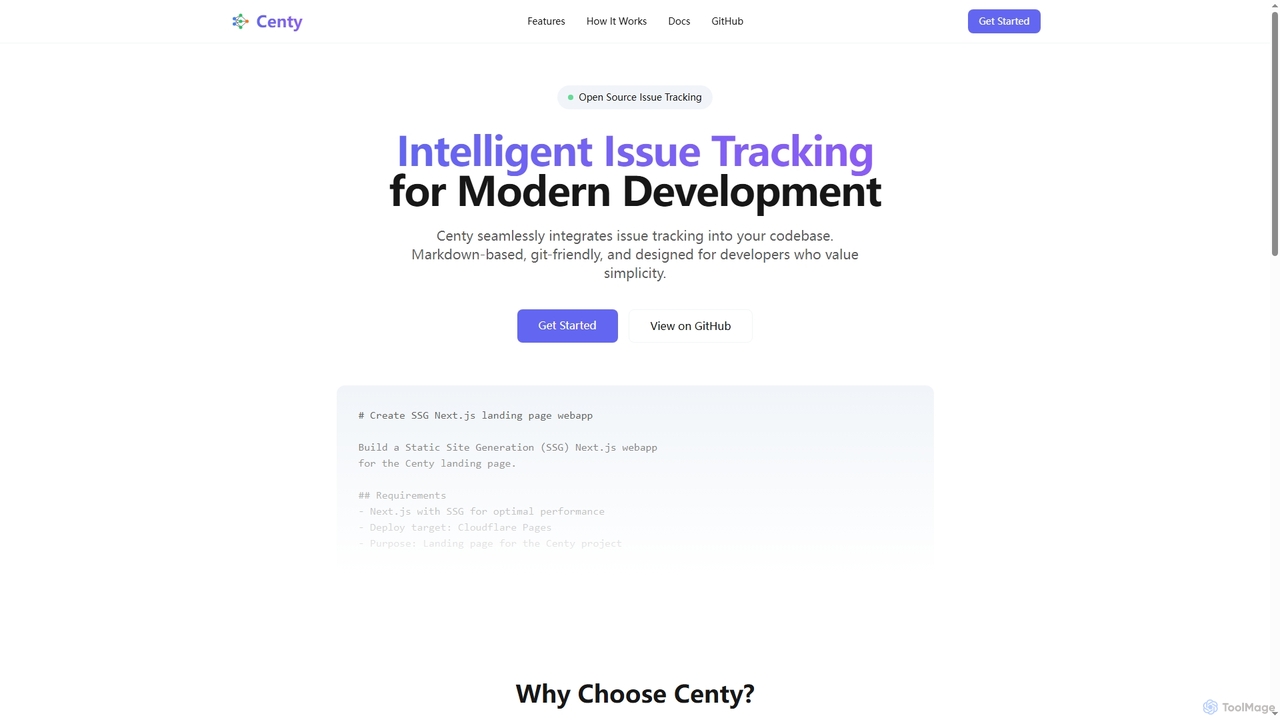
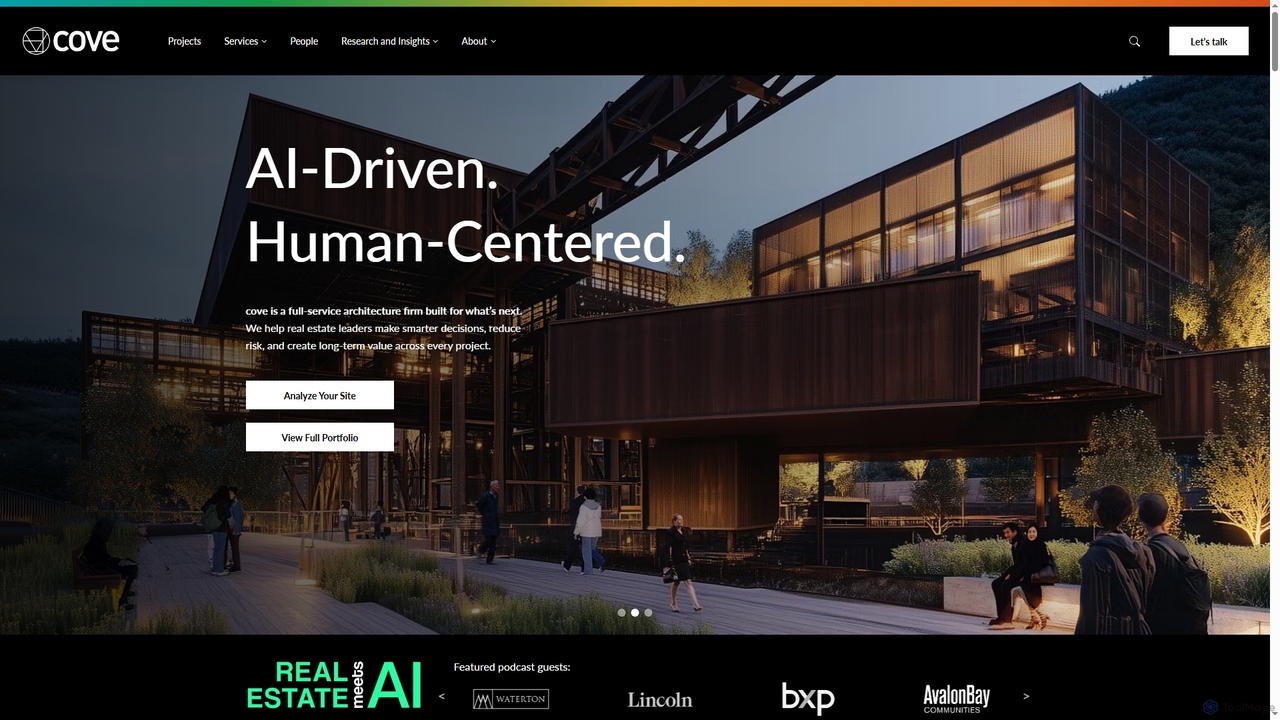
Cove is a full-service architecture firm that integrates proprietary AI technology to assist real estate leaders and developers. It enhances decision-making, reduces project risks, and creates long-term value by combining deep design expertise with AI-driven analysis for site evaluation, permitting, and performance optimization.
3D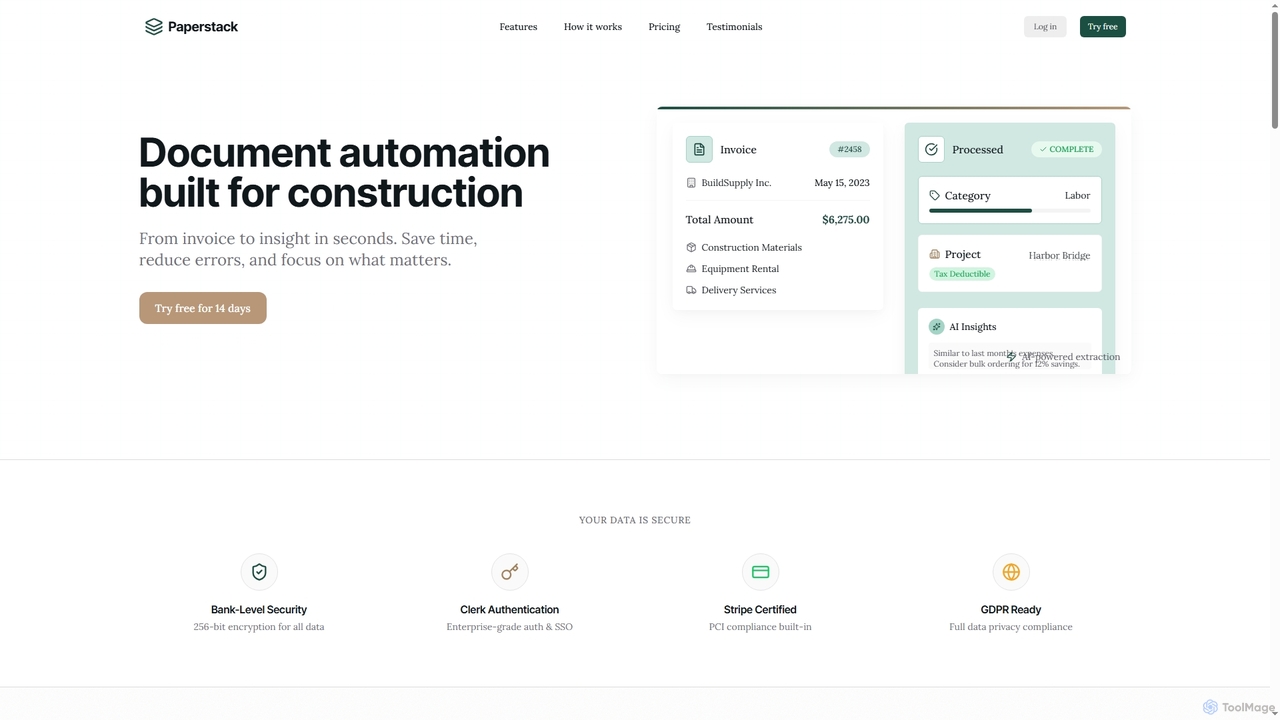
Paperstack is an AI-powered document automation platform specifically designed for the construction industry. It automates data extraction from invoices and other documents with 99.8% accuracy, saving up to 85% of processing time. The tool helps businesses reduce errors, gain financial insights, and focus on core construction operations.
Real Estate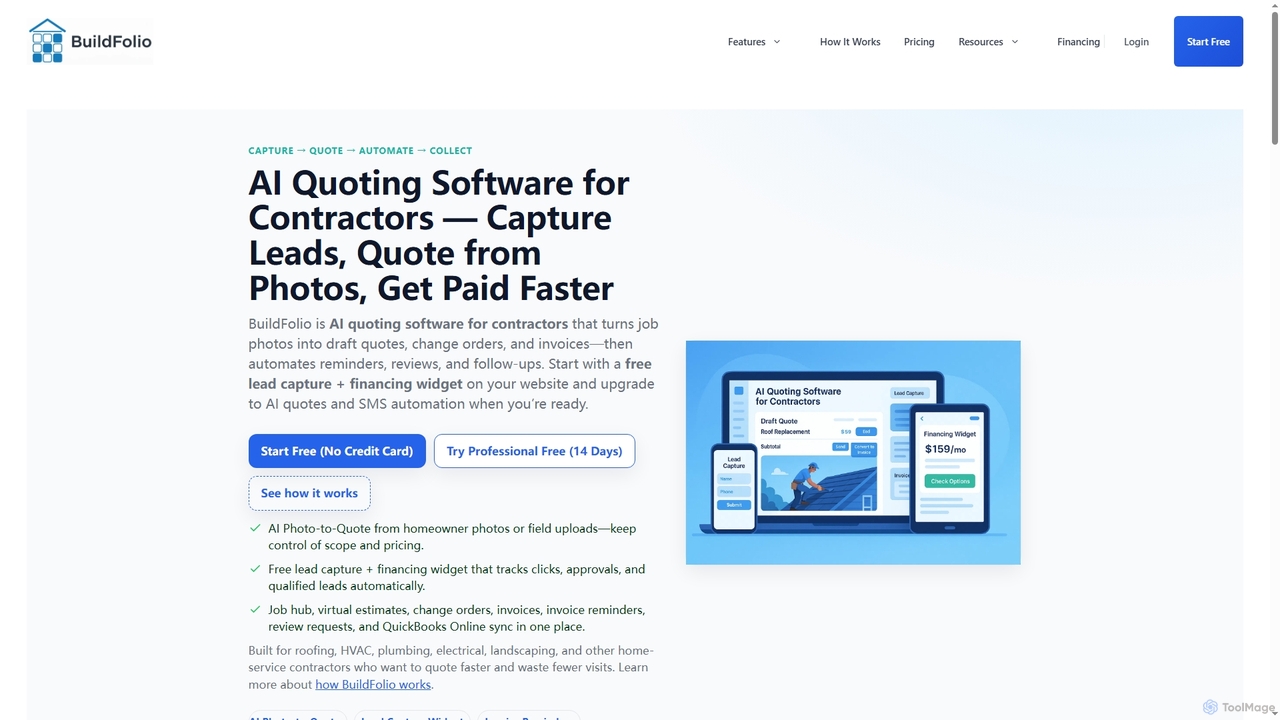
BuildFolio is an AI-powered quoting and job management software for contractors. It automates workflows from lead capture to payment by turning job site photos into professional quotes in seconds, managing projects in a central hub, and automating follow-ups and invoicing.
Crm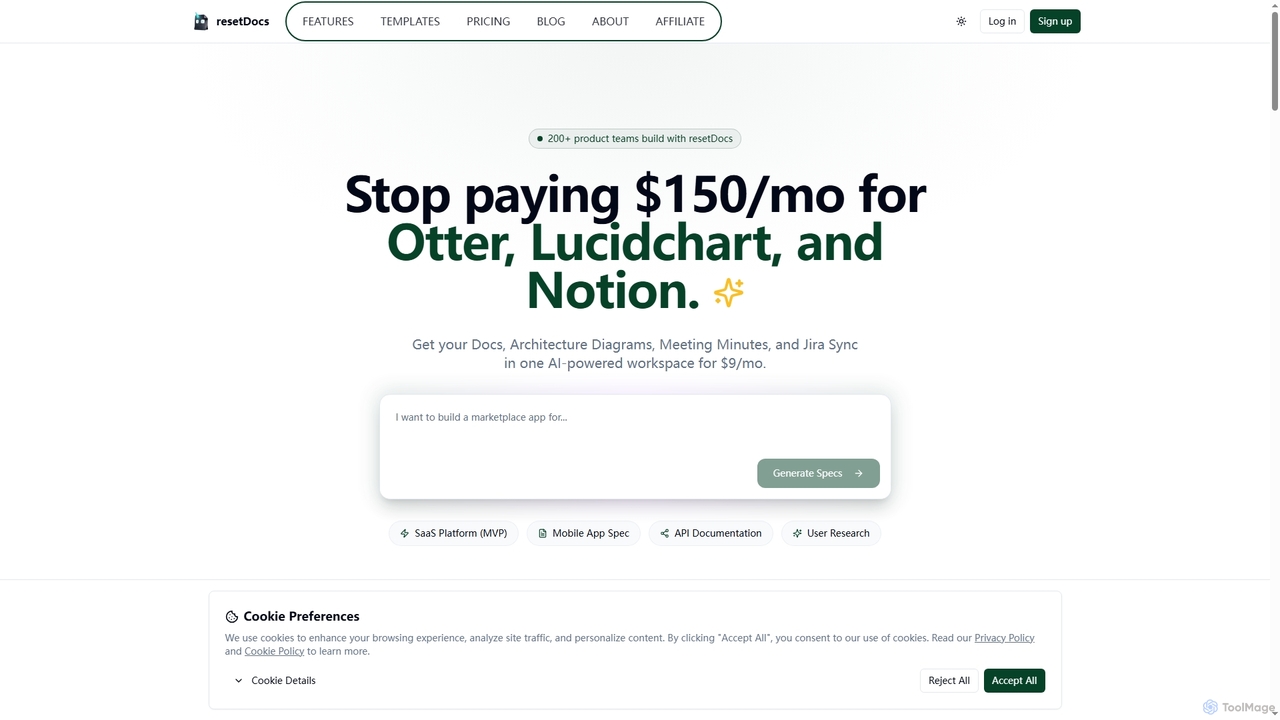
Resetdocs is an AI-powered project management and documentation workspace for small teams. It combines document creation, architecture diagrams, meeting minutes, and Jira/Slack integration into one platform. Instantly generate PRDs and tech specs from notes or voice, and automate task creation to streamline your workflow from idea to execution.
Documentation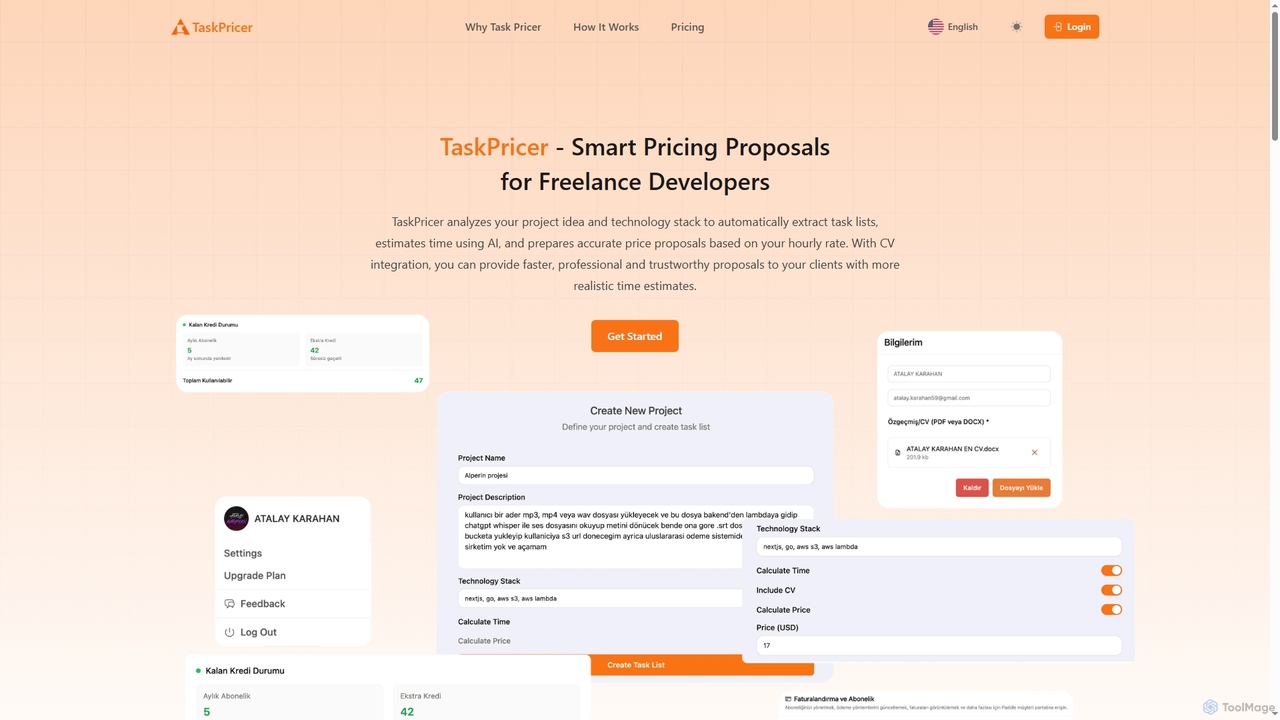
TaskPricer is an AI-powered tool specifically designed for freelance developers to streamline project pricing and proposal generation. It intelligently analyzes project ideas and technology stacks to automatically create task lists, estimate time with AI, and craft accurate price proposals based on your hourly rate, enhanced by personalized CV integration.
Proposal Generation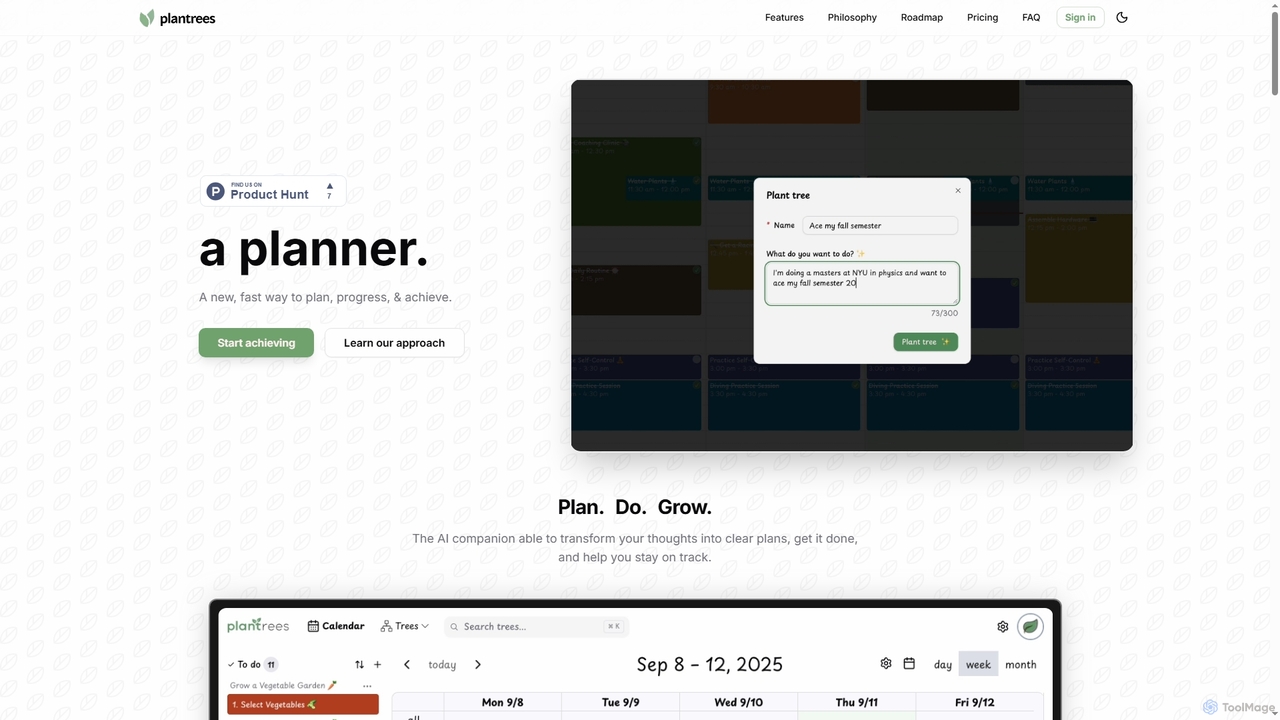
An AI-powered planner that transforms your thoughts and goals into actionable plans using a visual tree structure. It helps you strategize with natural language, manage tasks on a calendar, and track progress with analytics to ensure continuous growth and achievement.
Goal Setting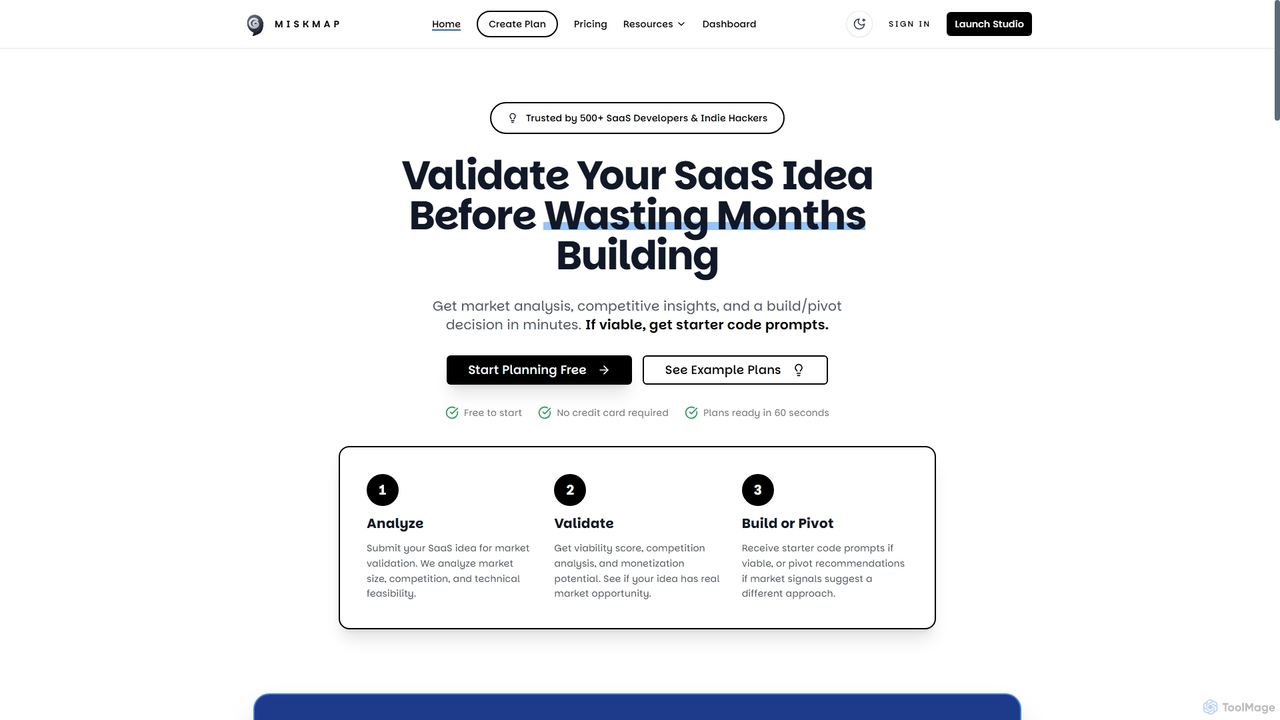
Miskmap is an AI-powered platform designed for SaaS developers and indie hackers to validate their business ideas before writing any code. It provides data-driven market analysis, competitive insights, a viability score, and actionable build plans in minutes.
Startup Tools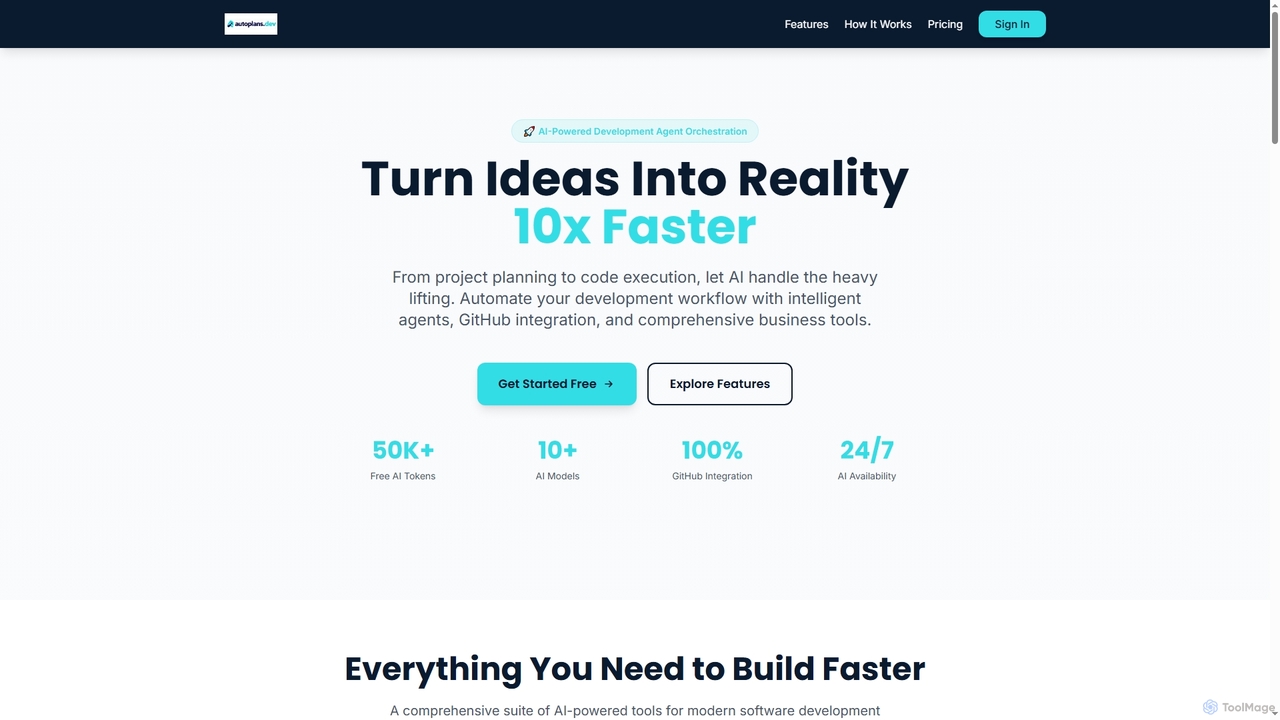
Autoplans is an AI-powered development orchestration platform that automates the entire software development workflow. It uses intelligent agents to transform project ideas into structured plans, generate code, and create GitHub pull requests, aiming to accelerate development by up to 10x.
Code Generation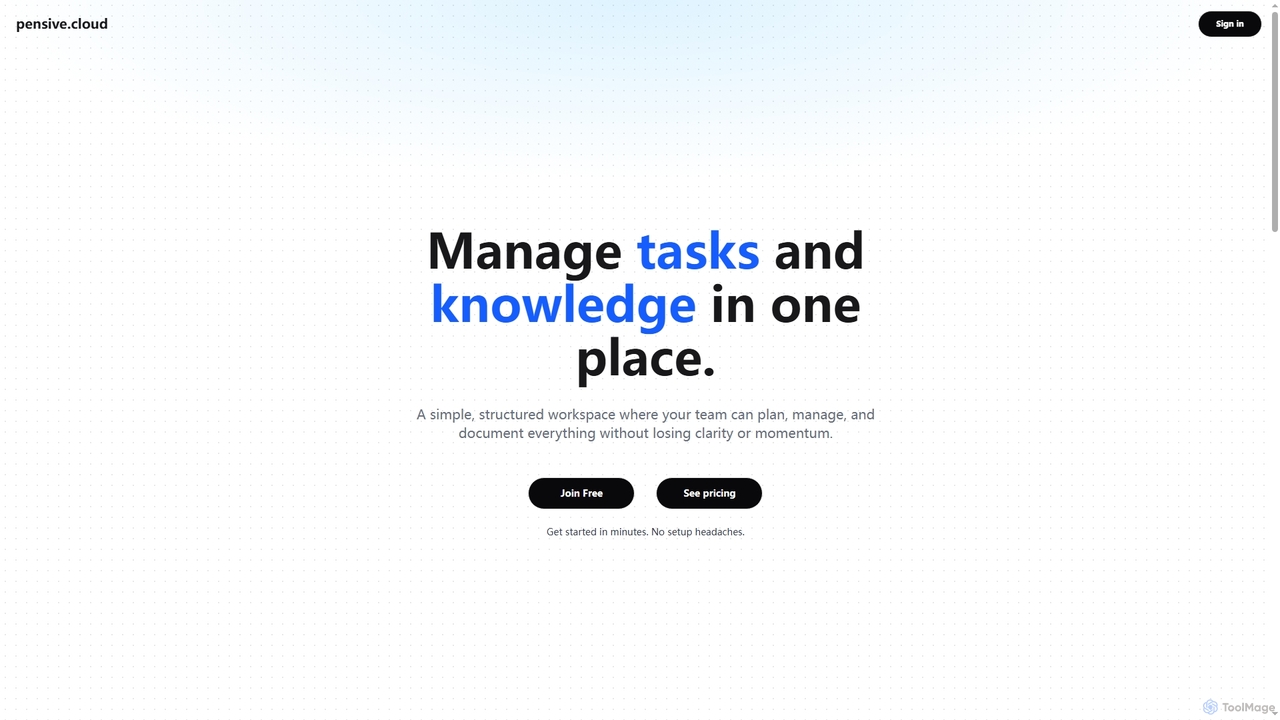
Pensive is a unified workspace designed for teams to manage tasks, knowledge, and collaboration in one place. It offers simple task management, a centralized knowledge hub, and seamless team communication to keep projects organized and moving forward without complexity.
Collaboration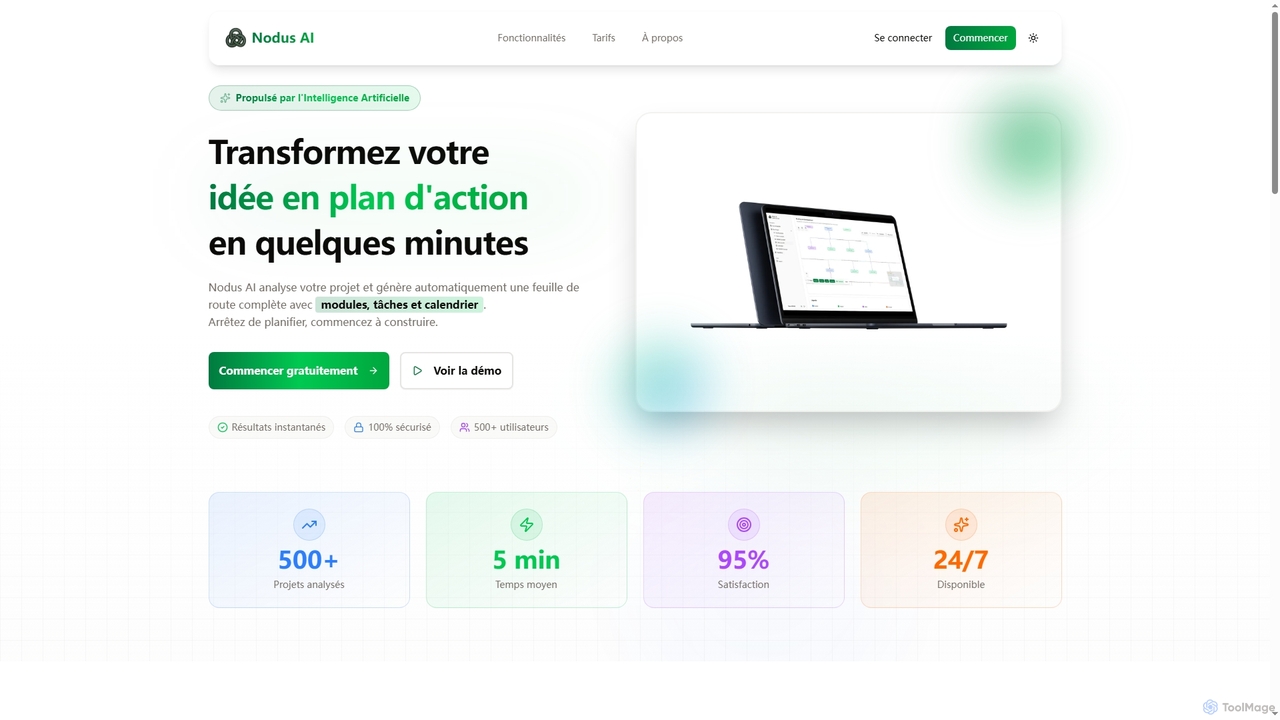
Nodus AI is an AI-powered platform that transforms project ideas into comprehensive action plans in minutes. It analyzes your specifications to automatically generate interactive mind maps, structured to-do lists, predictive calendars, and technical architecture, streamlining the entire planning process for developers.
Automation
Krono is an AI-powered project management tool that automates planning and streamlines workflows. It features a smart scheduler that assigns tasks based on team skills, advanced risk analysis, and automated meeting agenda creation to enhance productivity and collaboration.
Team CollaborationAI Project Management tools are applications that leverage artificial intelligence to automate, predict, and optimize project planning, execution, and monitoring. They use machine learning algorithms to analyze historical data, forecast timelines, identify potential risks, and suggest optimal resource allocation. This enables teams to move from reactive problem-solving to proactive strategy, improving delivery success rates and efficiency. Unlike traditional platforms that simply track tasks, these tools provide actionable intelligence to guide decision-making.
These tools are highly effective for software development teams managing agile sprints, marketing agencies coordinating complex campaigns, and construction firms overseeing large-scale projects. For instance, a development team can use AI to predict sprint overloads, while a marketing agency can automate task assignments for a new product launch, ensuring balanced workloads and timely execution.
When selecting an AI Project Management tool, evaluate the accuracy of its predictive models and the depth of its automation features. Consider its integration capabilities with your existing tech stack, such as code repositories or communication platforms. Also, assess the user interface's intuitiveness and the level of customization available to fit your team's specific workflow.
A product manager for a software development team uses an AI project management tool to plan the next two-week sprint. Instead of manually estimating story points and assigning tasks, the manager inputs the sprint goals. The AI analyzes the team's historical velocity, individual developer strengths, and task dependencies in the backlog. It then proposes an optimized sprint plan, highlighting potential overload on specific developers and suggesting a realistic scope. This reduces planning time by over 50% and increases the likelihood of meeting sprint commitments.
A project manager for a large-scale construction project uses an AI tool to monitor potential risks. The system integrates with weather forecast APIs, supplier delivery schedules, and on-site progress reports. It continuously analyzes this data stream to identify patterns that historically lead to delays. For example, it might flag a high probability of a concrete pouring delay due to a combination of a forecasted rainstorm and a supplier's recent history of late deliveries. This early warning allows the manager to reschedule tasks proactively and arrange for alternative suppliers, preventing costly downtime.
An operations manager at a marketing agency needs to assign tasks for a new client campaign. Using an AI project management tool, they upload the project brief. The AI parses the required tasks (e.g., graphic design, copywriting, social media management) and analyzes the current workload, skill sets, and historical performance of all team members. It then suggests an optimal allocation, assigning the logo design to a senior designer with high past performance on branding tasks and available capacity, while assigning copywriting to a junior writer who needs more experience. This ensures high-quality output and balanced workloads across the team.
A program manager overseeing multiple projects needs to provide weekly updates to executive stakeholders. Instead of spending hours manually compiling reports from different systems (like Jira, Slack, and financial software), they use an AI project management tool. The tool automatically synthesizes data from these integrated sources, identifies key achievements, flags potential budget overruns, and generates a concise, high-level summary in natural language. The manager can review and send this AI-generated report in minutes, saving approximately 4-5 hours of manual work each week and providing more consistent, data-driven updates.
After a client kickoff meeting, a project lead uploads the meeting transcript or recording to their AI project management tool. The AI uses Natural Language Processing (NLP) to analyze the conversation, identify action items, decisions, and deadlines mentioned. It then automatically drafts these as new tasks within the relevant project, suggesting assignees based on who was mentioned in the discussion. The project lead simply needs to review and approve the drafted tasks, saving significant time on manual data entry and reducing the risk of forgetting critical follow-up actions discussed in the meeting.
A project manager for a feature film's post-production is dealing with a highly complex timeline with many dependencies. When a key visual effects task is delayed by three days, a traditional Gantt chart would require manual adjustments for all subsequent dependent tasks. However, their AI project management tool automatically detects the delay, calculates its impact across the entire project timeline, and proposes several revised schedules. It might suggest re-prioritizing other non-dependent tasks or allocating extra resources to a future bottleneck to mitigate the overall delay, providing actionable solutions instead of just highlighting a problem.
AI Project Management tools are software applications that use artificial intelligence to enhance project planning, execution, and oversight. Unlike traditional tools that act as passive databases for tasks and timelines, AI-powered platforms actively analyze project data to provide predictive insights, automate routine administrative work, and optimize resource allocation. Their primary goal is to help teams make smarter, data-driven decisions, anticipate problems before they occur, and improve overall project outcomes.
The key difference lies in their core function: traditional tools are for tracking, while AI tools are for optimizing.
AI Project Management tools are most beneficial for teams and organizations that handle complex projects with many moving parts, dependencies, and data points. Key users include:
Selecting the right tool depends on your team's specific needs. Consider these factors:
No, AI is not intended to replace project managers but to augment their capabilities. AI excels at data analysis, pattern recognition, and automating repetitive tasks—functions that are often time-consuming for humans. This frees up project managers to focus on strategic, high-value activities that require human skills, such as: