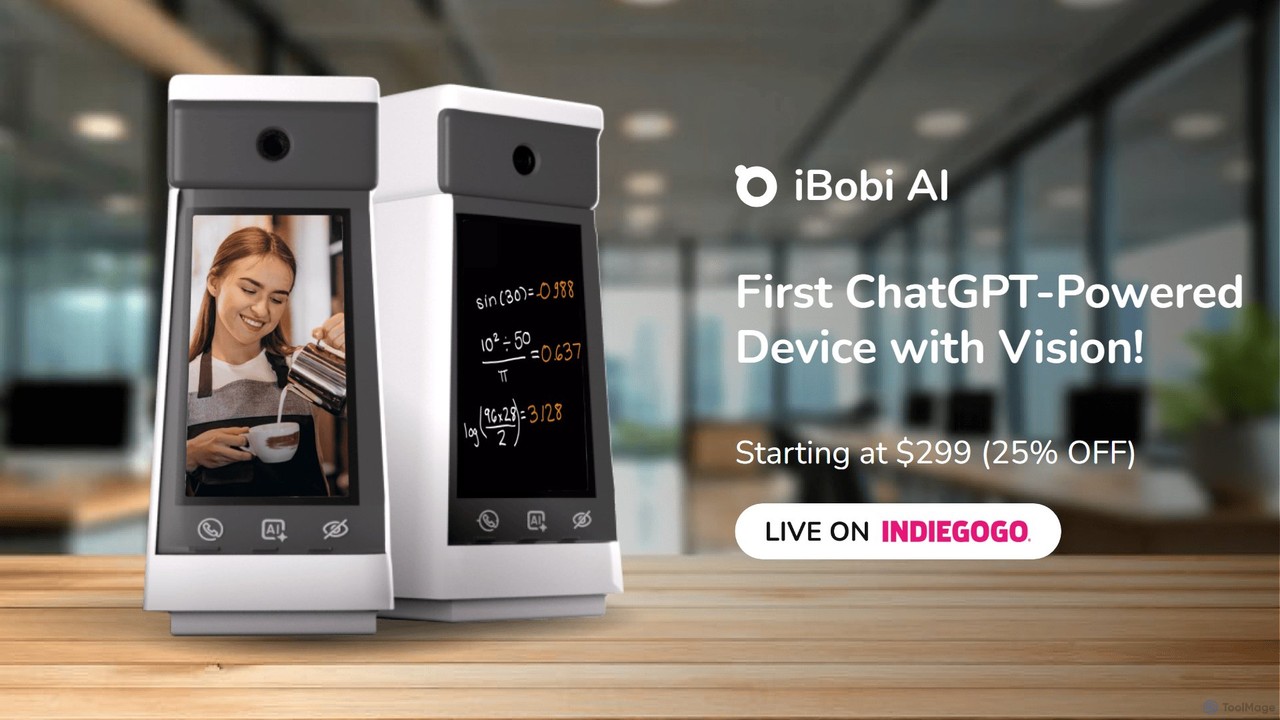
Smart Assistants are AI-powered, voice-controlled interfaces that serve as a central hub for managing smart home devices and personal tasks. They utilize advanced natural language processing (NLP) to understand and respond to spoken commands conversationally. Their primary value is providing hands-free control over your environment, accessing information instantly, and automating daily routines. These assistants integrate with a vast ecosystem of third-party services and devices, making them a cornerstone of the modern smart home.
Core Features
- Voice Command Recognition: Accurately interprets and executes spoken instructions for various tasks, from playing music to controlling lights.
- Smart Device Integration: Seamlessly controls compatible smart lights, thermostats, locks, cameras, and other IoT devices from various brands.
- Personalized Routines: Allows users to create and trigger multi-step automations with a single command, such as a "Good Morning" routine.
- Information Retrieval: Provides real-time answers to questions, weather forecasts, news updates, traffic reports, and more.
- Third-Party Skills/Actions: Extends functionality by connecting with thousands of external services for music streaming, food ordering, ride-sharing, and more.
Use Cases
In a home setting, Smart Assistants are used to control entertainment systems, manage shopping lists, set kitchen timers, and operate connected appliances. For personal productivity, they help schedule meetings, make hands-free calls, and dictate notes, streamlining daily workflows for busy professionals and families.
How to Choose
When selecting a Smart Assistant, consider its ecosystem compatibility (e.g., Amazon Alexa, Google Assistant, Apple Siri) to ensure it works with your existing devices. Evaluate the breadth of its third-party skills library for the services you use. Also, review its privacy features, data handling policies, and the hardware options available, such as smart speakers versus smart displays.