Social Impact Best in category 1 results Humanitarian Aid AI Tool

Popular AI tools in the Humanitarian Aid field of Social Impact include AI for Good Foundation, etc., helping you quickly improve efficiency.

Free
AI for Good Foundation

AI for Good Foundation

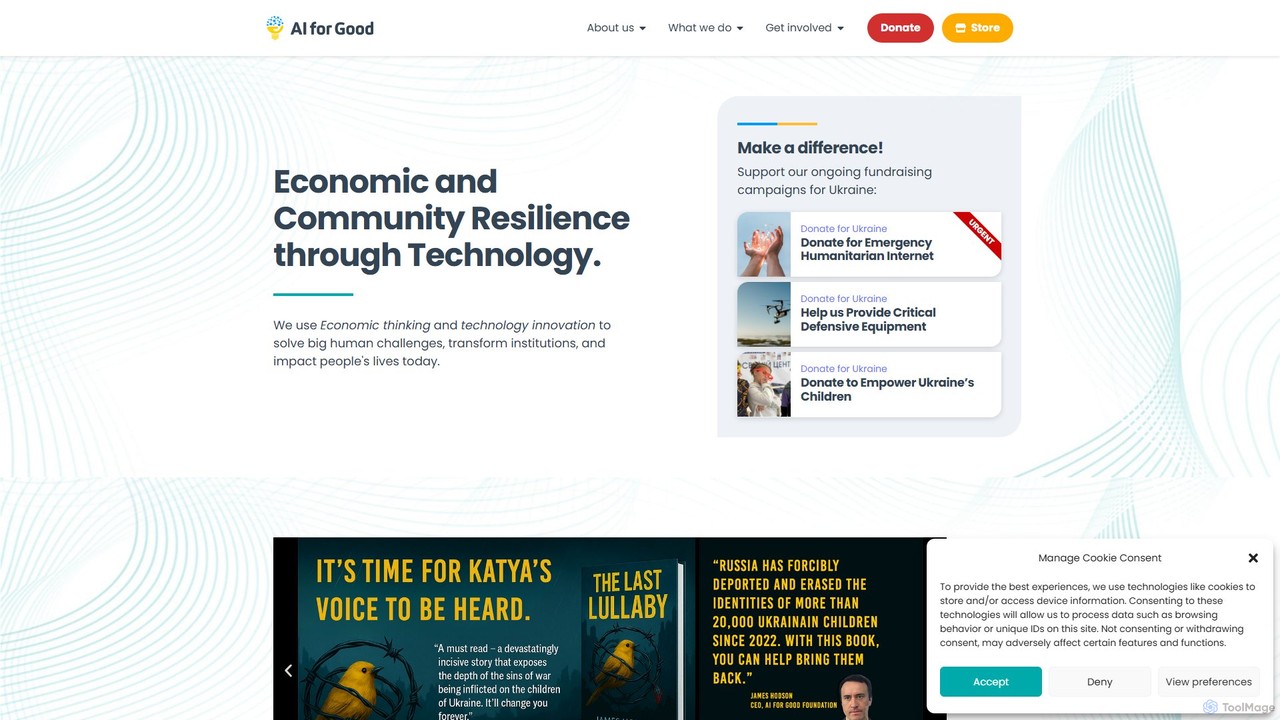
AI for Good Foundation is a global non-profit organization that harnesses the power of artificial intelligence and data …

27.1K

About Humanitarian Aid

Humanitarian Aid AI tools are specialized artificial intelligence applications designed to enhance the efficiency, speed, and reach of humanitarian efforts globally. These tools leverage advanced AI technologies like predictive analytics, natural language processing, and computer vision to address critical challenges in disaster response, crisis management, and long-term aid programs. They empower organizations to make data-driven decisions, optimize resource allocation, and provide more effective support to vulnerable populations, ultimately contributing to broader social impact initiatives.

Core Features

  • Disaster Prediction & Early Warning: AI models analyze vast datasets to forecast natural disasters, conflicts, or health crises, enabling proactive response.
  • Logistics & Supply Chain Optimization: AI algorithms streamline the distribution of aid, managing inventory, transportation routes, and last-mile delivery in complex environments.
  • Damage Assessment & Needs Analysis: Utilizing satellite imagery and drone data, AI rapidly assesses damage post-disaster and identifies urgent needs for targeted assistance.
  • Crisis Communication & Information Dissemination: AI-powered chatbots and translation tools facilitate communication with affected communities and disseminate vital information in multiple languages.
  • Vulnerability Mapping & Beneficiary Identification: AI helps identify and locate the most vulnerable populations, ensuring aid reaches those who need it most.

Applicable Scenarios

These tools are crucial for NGOs, government agencies, and international organizations involved in emergency response, refugee support, and public health initiatives. They are deployed during natural disasters like earthquakes and floods, in conflict zones for displaced persons, and during global health emergencies to manage resources and information effectively.

How to Choose

When selecting Humanitarian Aid AI tools, consider the tool's data privacy and security protocols, its ability to integrate with existing humanitarian systems, scalability to handle varying crisis magnitudes, and its ethical framework for data usage. Evaluate the accuracy of its predictive models and its adaptability to diverse cultural and environmental contexts.

Humanitarian AidUse Cases

1

Predicting Natural Disasters and Issuing Early Warnings

Humanitarian organizations utilize AI to analyze meteorological data, seismic activity, and social media trends to predict natural disasters like floods, droughts, or earthquakes. This enables them to issue early warnings to at-risk communities, pre-position aid, and evacuate populations, significantly reducing casualties and property damage before an event occurs.

2

Optimizing Aid Logistics and Resource Distribution

In complex disaster zones, AI algorithms are employed to optimize the entire aid supply chain. This includes managing inventory in warehouses, planning the most efficient transportation routes to affected areas, and dynamically allocating resources such as food, water, and medical supplies based on real-time needs and accessibility, ensuring timely delivery.

3

Rapid Damage Assessment Post-Disaster

Following a disaster, AI-powered computer vision analyzes satellite and drone imagery to quickly assess the extent of damage to infrastructure and housing. This rapid assessment helps humanitarian teams prioritize areas for intervention, estimate the number of affected individuals, and identify critical needs like shelter, water, and medical care, accelerating the initial response phase.

4

Facilitating Multilingual Crisis Communication

AI-driven natural language processing and translation tools enable humanitarian workers to communicate effectively with diverse affected populations, often speaking multiple languages. Chatbots can provide vital information on safety, aid distribution points, and health advisories, while translation apps bridge language barriers, ensuring clear and empathetic communication during stressful times.

5

Identifying Vulnerable Populations and Tracking Displacement

AI models analyze demographic data, socio-economic indicators, and movement patterns to identify highly vulnerable populations, such as internally displaced persons or refugees. This helps aid agencies understand population shifts, anticipate needs, and tailor assistance programs, ensuring that marginalized groups receive targeted support and protection.

6

Enhancing Public Health Surveillance and Response

During health crises, AI tools monitor disease outbreaks by analyzing health records, social media, and environmental data to predict spread patterns. This allows public health officials to allocate medical resources, deploy vaccination campaigns, and implement containment strategies more effectively, minimizing the impact of epidemics and pandemics.

Humanitarian AidFrequently Asked Questions