Data Science Best in category 1 results Open Data Platforms AI Tool

Popular AI tools in the Open Data Platforms field of Data Science include AI for Good Foundation, etc., helping you quickly improve efficiency.

Free
AI for Good Foundation

AI for Good Foundation

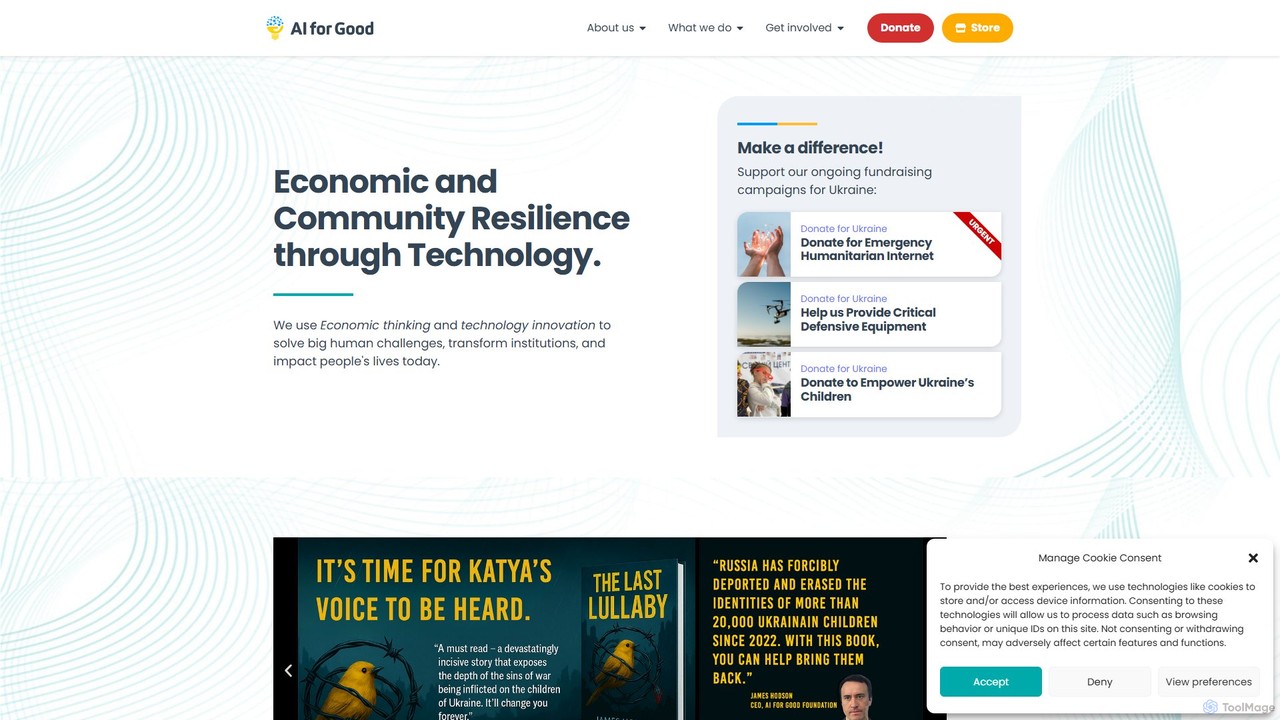
AI for Good Foundation is a global non-profit organization that harnesses the power of artificial intelligence and data …

26.7K

About Open Data Platforms

Open Data Platforms are centralized repositories designed to collect, manage, and publicly distribute large-scale datasets. These platforms function as digital libraries for data, providing standardized access to information from government, academic, and scientific sources. They empower researchers, developers, and the public by offering raw data through user-friendly interfaces, APIs, and bulk download options. This accessibility is fundamental to fostering transparency, driving innovation, and enabling data-driven decision-making in various fields.

Core Features

  • Data Cataloging: Organizes datasets with comprehensive metadata, including source, format, and update frequency.
  • API Access: Provides programmatic access for applications to query and retrieve data automatically.
  • Search and Discovery: Features advanced search filters to help users quickly find relevant datasets.
  • Data Pre-visualization: Offers built-in tools like charts or maps to preview data before downloading.
  • Licensing Information: Clearly specifies the terms of use for each dataset to ensure legal compliance.

Use Cases

These platforms are vital for academic researchers analyzing social trends, data journalists investigating public policies, and urban planners designing smarter cities. AI developers also rely on them to source large, diverse datasets for training machine learning models in areas like computer vision and natural language processing.

How to Choose

When selecting an Open Data Platform, evaluate the relevance and quality of its data collections for your specific domain. Assess the accessibility options, such as the availability of a robust API and support for various data formats (e.g., CSV, JSON, GeoJSON). Also, consider the clarity of the data documentation and the terms of the data licenses provided.

Open Data PlatformsUse Cases

1

Academic Research on Social Trends

A sociologist is studying the relationship between public transportation access and economic mobility. Using an open data platform from a major city, they access and download years of transit schedules, ridership statistics, and demographic data from the census. The platform's API allows them to programmatically pull updated data, ensuring their analysis is current. By combining these datasets, they can identify correlations and publish findings that inform urban policy, all without needing to manually request information from different government agencies.

2

Training an AI Image Recognition Model

A machine learning engineer needs a vast and diverse dataset of images to train a new object recognition model. They turn to a scientific open data platform that hosts publicly funded research data. They can search for and download large, annotated image collections, such as those for medical imaging or satellite photography. The platform's clear licensing allows them to use this data for both research and commercial application development, significantly accelerating the model training process and reducing data acquisition costs.

3

Data-Driven Investigative Journalism

An investigative journalist is reporting on government contract spending. They use a national government's open data portal to access detailed records of public procurement. Using the platform's filtering tools, they isolate contracts awarded to specific companies over the last decade. They download the data in CSV format for analysis in a spreadsheet program, uncovering patterns that form the basis of a compelling news story on public accountability. This direct access to primary source data adds significant credibility to their reporting.

4

Developing a Smart City Application

A software developer is creating a mobile app that helps citizens find real-time parking availability. They connect their application to the city's open data platform via its API. This API provides live data streams from parking sensors installed across the city. The developer uses this data to display an interactive map of open parking spots. The platform ensures the data is reliable and constantly updated, enabling the creation of a valuable public service without the need to build and maintain a sensor network.

5

Public Health Outbreak Analysis

An epidemiologist at a public health organization needs to monitor the spread of an infectious disease. They access an international health-focused open data platform that aggregates anonymized case data from multiple countries. The platform provides standardized datasets on infection rates, hospitalizations, and vaccination coverage. Using the platform's visualization tools, they can quickly generate maps and charts to track trends and identify hotspots, enabling faster and more informed public health responses.

6

Market Analysis for a New Business

An entrepreneur planning to launch a new chain of cafes needs to identify optimal locations. They utilize a government open data platform that contains business census data, pedestrian traffic counts, and local demographic information. By downloading and mapping this data, they can analyze neighborhood income levels, foot traffic patterns, and the proximity of competitors. This data-driven approach helps them select locations with the highest potential for success, minimizing investment risk.

Open Data PlatformsFrequently Asked Questions