Data Science Best in category 2 results Analytics AI Tool

Popular AI tools in the Analytics field of Data Science include Aampe、LanceQ, etc., helping you quickly improve efficiency.

LanceQ

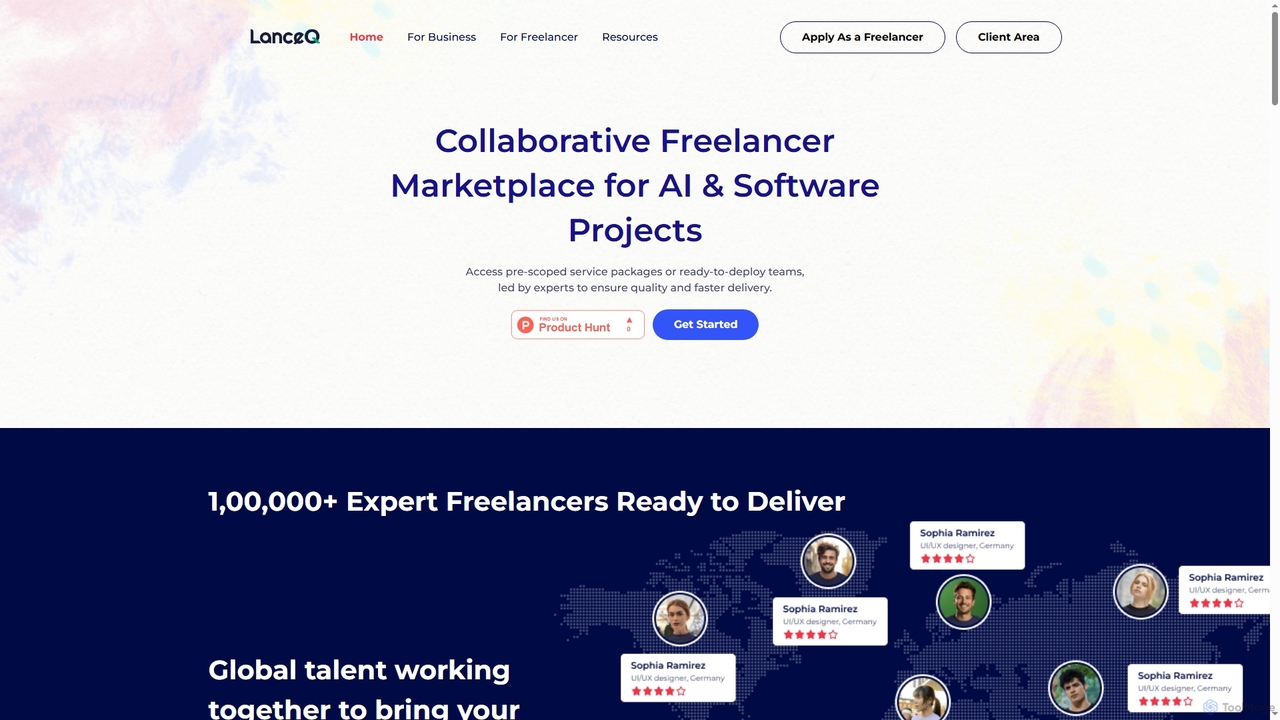
LanceQ

LanceQ is a collaborative freelancer marketplace specializing in AI and software projects. It connects businesses with a global …

1.8K
Aampe

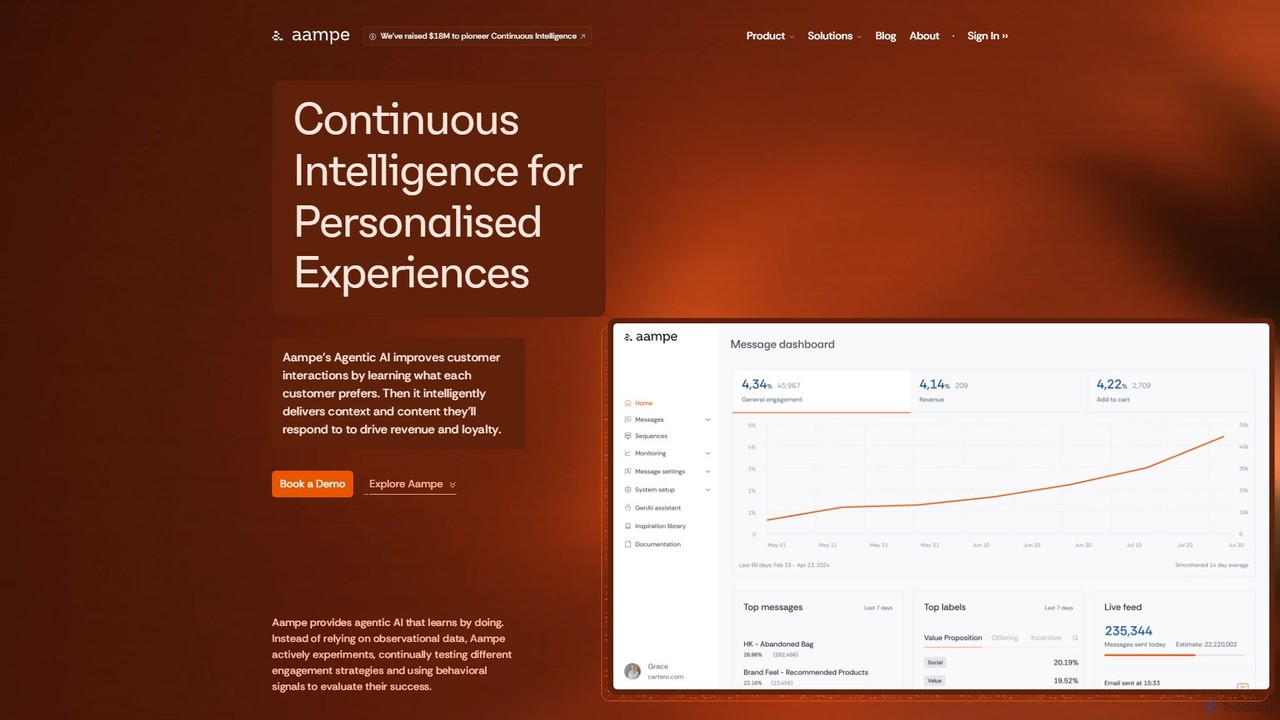
Aampe

Aampe is an agentic AI platform that revolutionizes customer engagement. It assigns a dedicated AI agent to each …

25.6K

About Analytics

AI Analytics tools are a specialized category of software designed to automatically interpret complex data, uncover hidden patterns, and generate predictive insights. They utilize machine learning and natural language processing to move beyond simple data reporting, enabling users to ask questions in plain language and receive actionable intelligence. These tools empower businesses to make faster, data-driven decisions without requiring a dedicated team of data scientists. As a key component of the Data Science ecosystem, AI Analytics focuses specifically on translating raw data into understandable and forward-looking business outcomes.

Core Features

  • Predictive Forecasting: Utilizes historical data and machine learning algorithms to project future trends, sales, or customer behavior.
  • Automated Insights & Anomaly Detection: Automatically scans datasets to highlight significant changes, outliers, or unusual patterns that require attention.
  • Natural Language Query (NLQ): Allows users to ask questions about their data using everyday language instead of complex code or queries.
  • Automated Reporting: Generates comprehensive reports and dashboards with key metrics and narrative summaries automatically.
  • Sentiment Analysis: Analyzes text data from sources like reviews or social media to gauge public opinion and customer feedback.

Use Cases

AI Analytics tools are widely used across various sectors. In e-commerce, they help marketing teams predict customer churn and optimize pricing strategies. Financial institutions use them for fraud detection and credit risk assessment. For operations managers in manufacturing, these tools can forecast maintenance needs and optimize supply chain logistics, turning complex operational data into a strategic advantage.

How to Choose

When selecting an AI Analytics tool, first evaluate its integration capabilities with your existing data sources (e.g., CRM, ERP). Consider the complexity of its user interface—some tools are built for business users, while others require more technical expertise. Assess the sophistication of its predictive models and whether they align with your business goals. Finally, review the pricing model, considering factors like data volume, user seats, and feature tiers.

AnalyticsUse Cases

1

Predicting Customer Churn for E-commerce

A marketing manager for an online retail store uses an AI Analytics tool to reduce customer churn. By connecting data from their CRM, sales platform, and website activity, the tool automatically identifies patterns in behavior that precede a customer leaving. For example, it might flag customers who have decreased their purchase frequency and stopped opening marketing emails. The tool provides a ranked list of at-risk customers, allowing the marketing team to target them with personalized retention campaigns, such as special discounts or loyalty offers, effectively reducing churn rates.

2

Optimizing Supply Chain Logistics

An operations manager in a manufacturing company uses an AI Analytics platform to improve supply chain efficiency. The tool integrates data from inventory systems, shipping carriers, and weather forecasts. It then provides predictive insights, such as forecasting potential delivery delays due to weather or identifying optimal inventory levels to prevent stockouts without overstocking. By asking natural language questions like "Which shipments are at risk of delay next week?", the manager gets immediate, actionable answers, allowing for proactive adjustments to shipping routes and inventory management.

3

Analyzing Social Media Campaign Performance

A digital marketer wants to understand the true impact of a recent social media campaign. They use an AI Analytics tool to aggregate data from multiple platforms (Facebook, Twitter, Instagram). The tool's sentiment analysis feature automatically categorizes thousands of comments as positive, negative, or neutral, providing a clear picture of public reception. It also identifies key themes and topics being discussed in relation to the campaign. This allows the marketer to move beyond simple metrics like likes and shares to understand audience sentiment and gather qualitative feedback for future campaigns.

4

Detecting Financial Transaction Fraud

A financial analyst at a bank is tasked with identifying fraudulent transactions in real-time. They employ an AI Analytics tool that continuously monitors transaction data streams. The tool's anomaly detection algorithms are trained on historical data to recognize normal spending patterns for each customer. When a transaction occurs that deviates significantly from a customer's established pattern—such as a large purchase from an unusual location—the system immediately flags it for review. This automated process allows the bank to detect and prevent potential fraud much faster than manual review methods.

5

Forecasting Product Sales for Inventory Planning

A retail manager needs to plan inventory for the upcoming quarter. Instead of relying solely on past sales figures, they use an AI Analytics tool. The tool analyzes historical sales data combined with external factors like seasonality, upcoming holidays, and even competitor promotions. It generates a detailed sales forecast for each product category, predicting demand with higher accuracy. This allows the manager to optimize stock levels, reducing the risk of overstocking unpopular items and ensuring popular products are always available, thereby maximizing sales and minimizing storage costs.

6

Identifying Root Causes of Website Traffic Drops

A website analyst notices a sudden drop in organic traffic. Instead of manually sifting through dozens of reports, they use an AI Analytics tool. The tool automatically analyzes data from Google Analytics, server logs, and SEO monitoring tools. It quickly identifies the root cause by detecting anomalies, such as a sharp decline in rankings for key search terms or a technical issue causing slow page load times on mobile devices. The tool presents a concise summary: "Organic traffic dropped 20% due to a ranking loss for 'keyword X' after a recent algorithm update." This allows the team to focus their efforts immediately on the right problem.

AnalyticsFrequently Asked Questions