Customer Support Best in category 14 results Customer Engagement AI Tool

Popular AI tools in the Customer Engagement field of Customer Support include Octane AI、Handwrytten、Questera、IMERO、Aampe、Intempt、Snapss、FlareLane、hify、TurboPush, etc., helping you quickly improve efficiency.

Octane AI

Octane AI

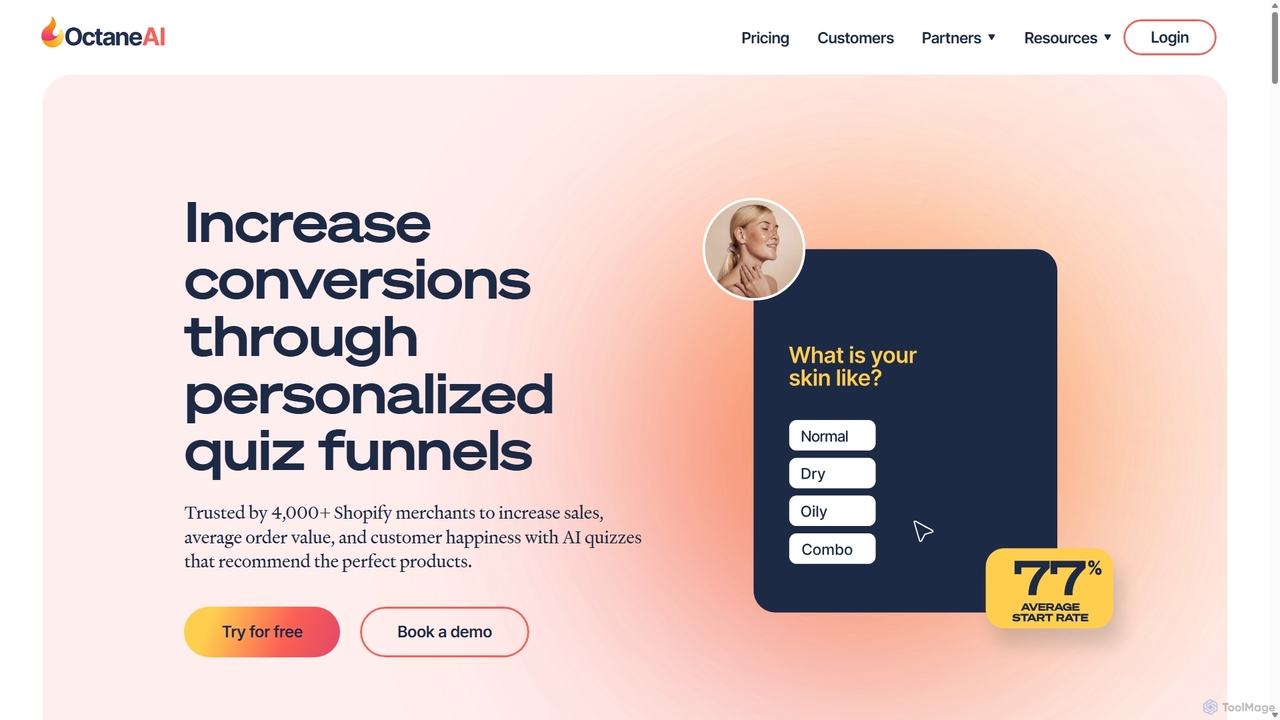
Octane AI is a leading AI-powered quiz platform for Shopify merchants. It enables brands to create personalized quiz …

107.3K
BHuman

BHuman

BHuman is an AI-powered platform that enables businesses to create and send hyper-personalized videos at scale. By cloning …

3.8K
Snapss

Snapss

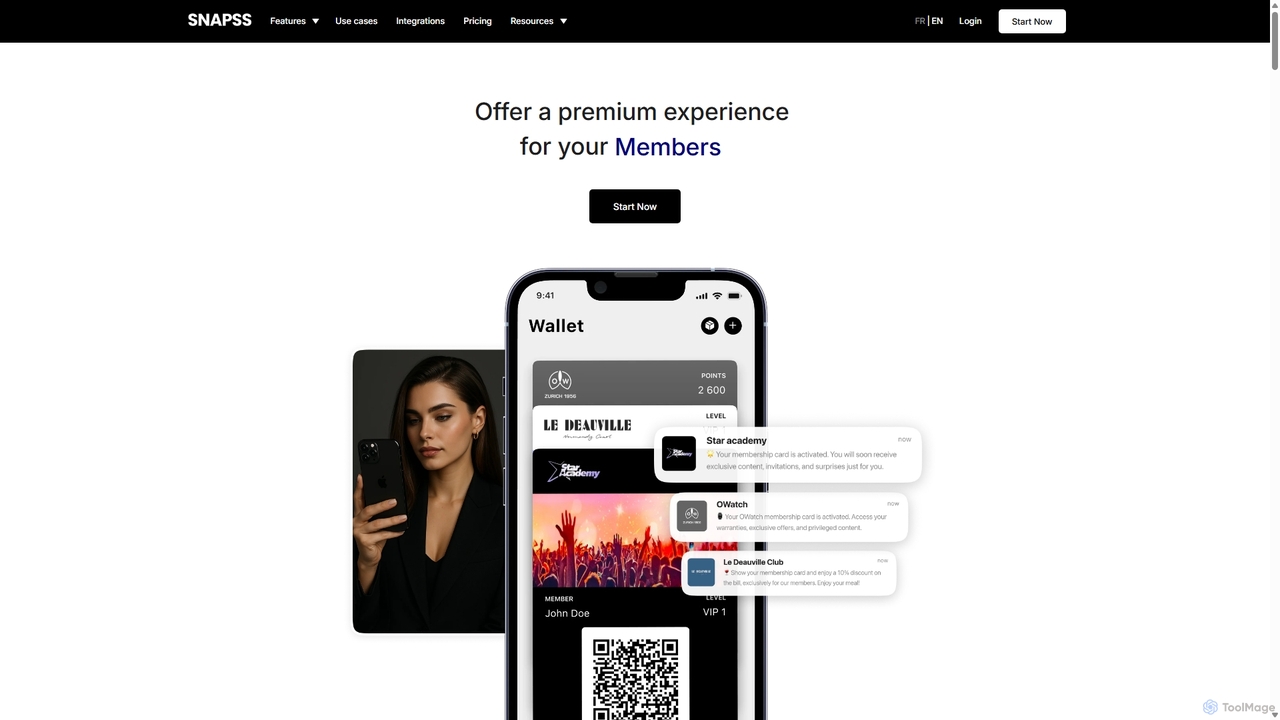
Snapss is an all-in-one digital loyalty platform that enables businesses to create and manage membership cards, rewards programs, …

5.6K
IMERO

IMERO

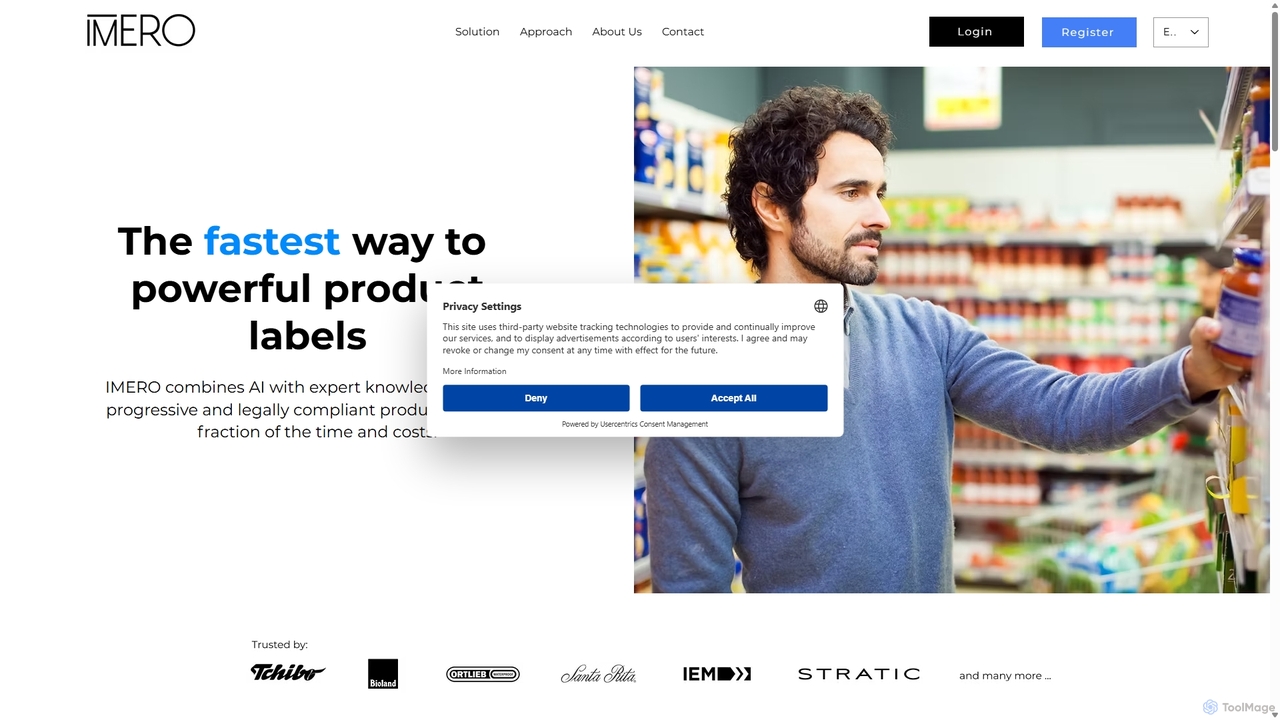
IMERO is an AI-powered platform that streamlines the creation of powerful, legally compliant product labels. It combines AI …

35.3K
idomoo

idomoo

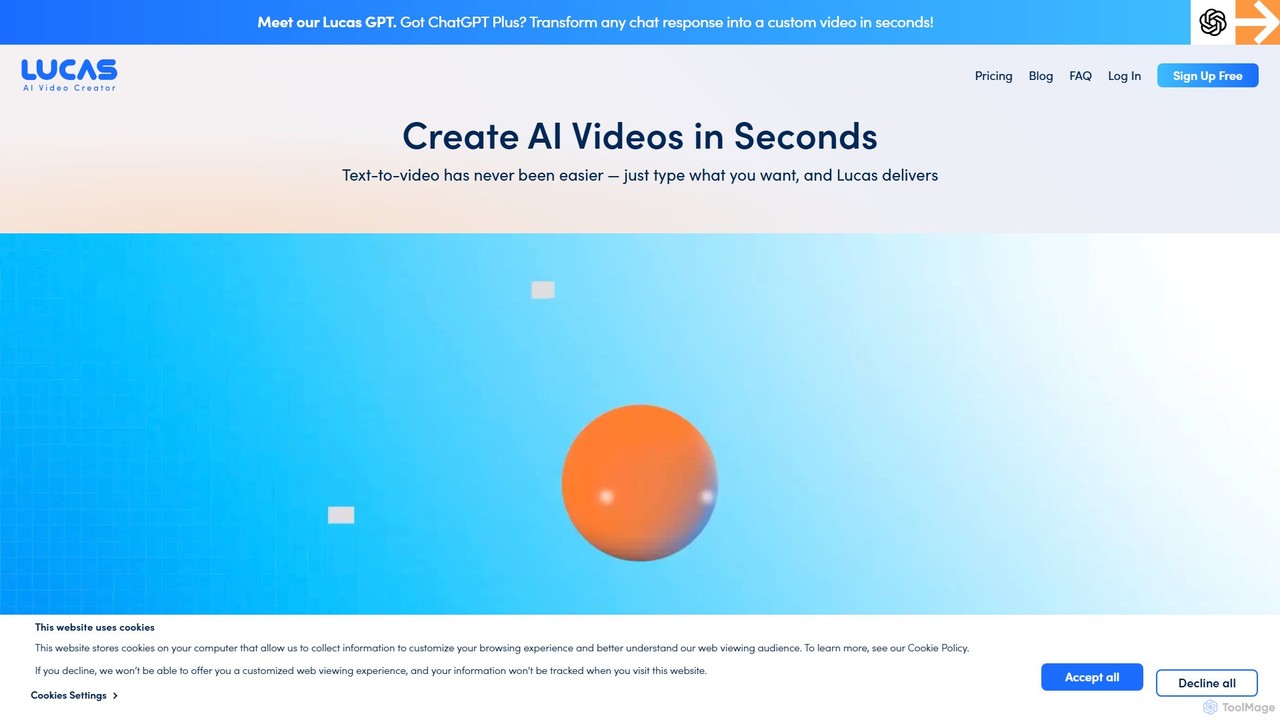
idomoo is an advanced AI video creation platform, featuring 'Lucas,' an AI video creator that transforms text into …

3.0K
hify

hify

hify is an AI-powered platform for creating and distributing personalized video messages at scale. It helps sales, marketing, …

4.9K
FlareLane

FlareLane

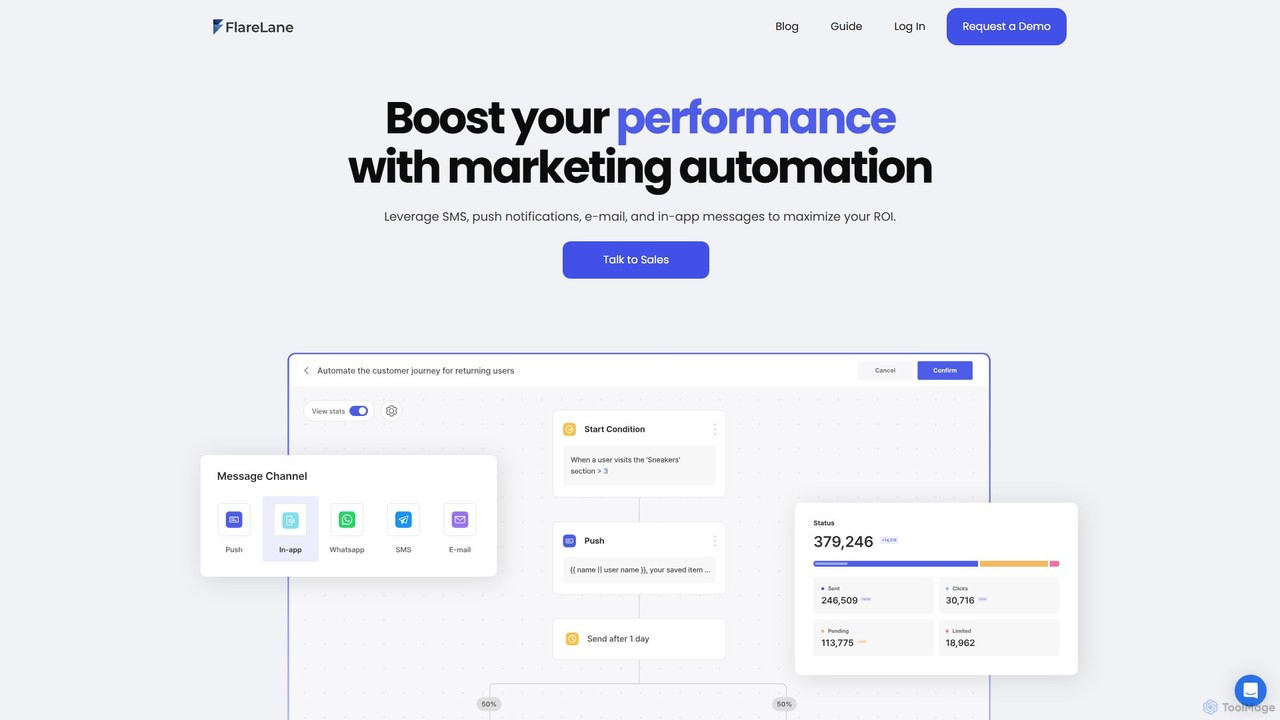
FlareLane is an AI-powered, cross-channel customer engagement platform designed for sending hyper-personalized web and mobile push notifications. It …

5.2K
TurboPush

TurboPush

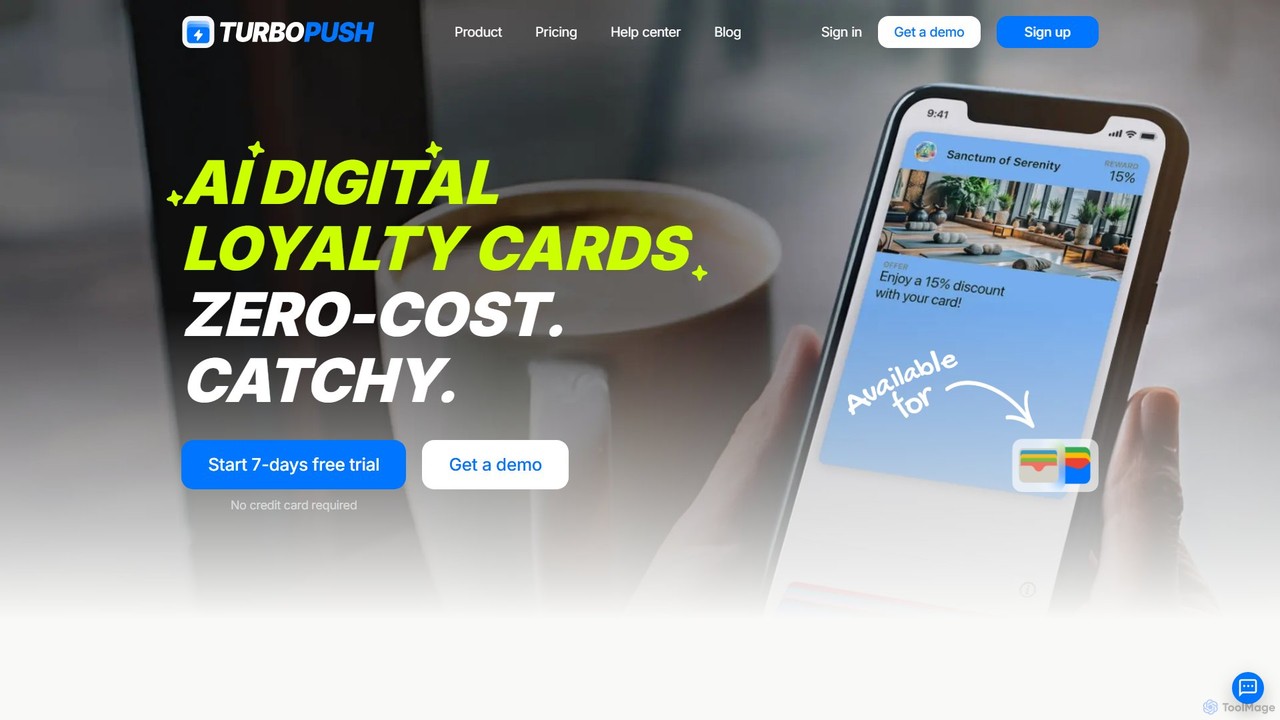
TurboPush is an AI-powered platform that enables local businesses to create digital loyalty cards for Apple and Google …

4.6K
Handwrytten

Handwrytten

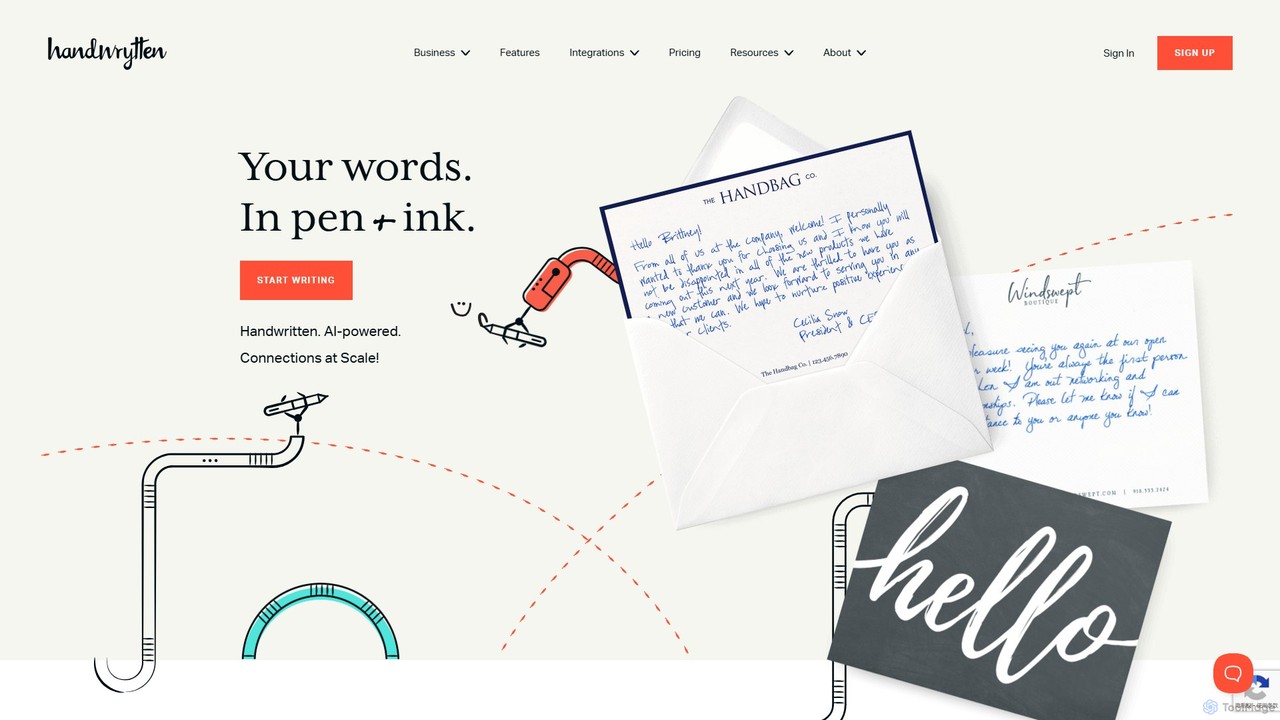
Handwrytten is a service that automates handwritten notes at scale using custom-designed robots that hold real pens. It …

104.6K
Intempt

Intempt

Intempt is an AI-powered growth platform, GrowthOS, designed for marketing, sales, and product teams. It unifies customer data …

7.3K
FolkTalk

FolkTalk

FolkTalk is an AI-powered platform that transforms a single video or audio recording into thousands of personalized versions. …

3.0K
Nurtured

Nurtured

Nurtured transforms B2B websites with interactive video journeys. It replaces static text with personal, guided conversations, allowing businesses …

3.0K
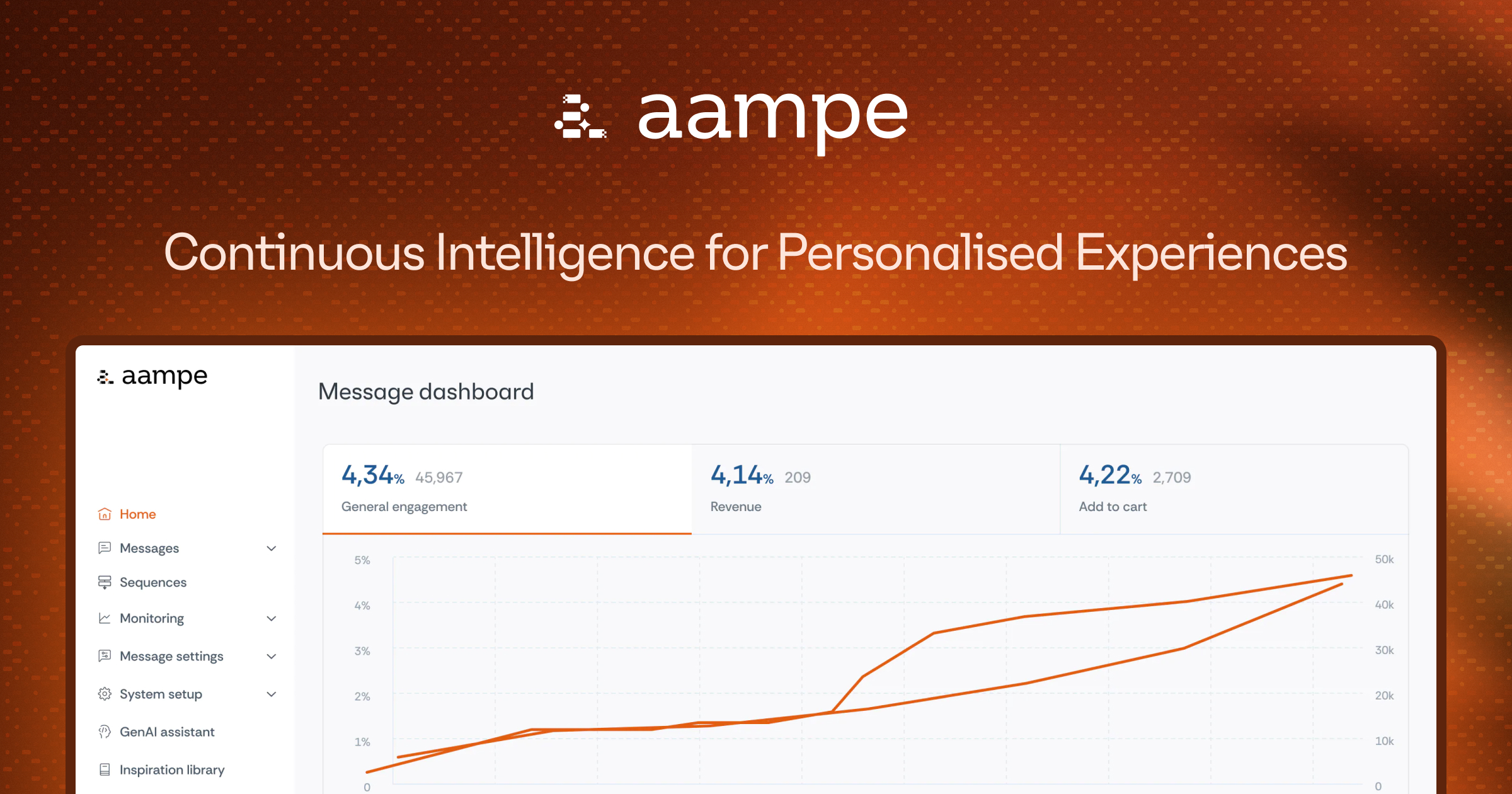
Aampe

Aampe

Aampe is an agentic AI platform that revolutionizes customer engagement. It assigns a dedicated AI agent to each …

26.8K
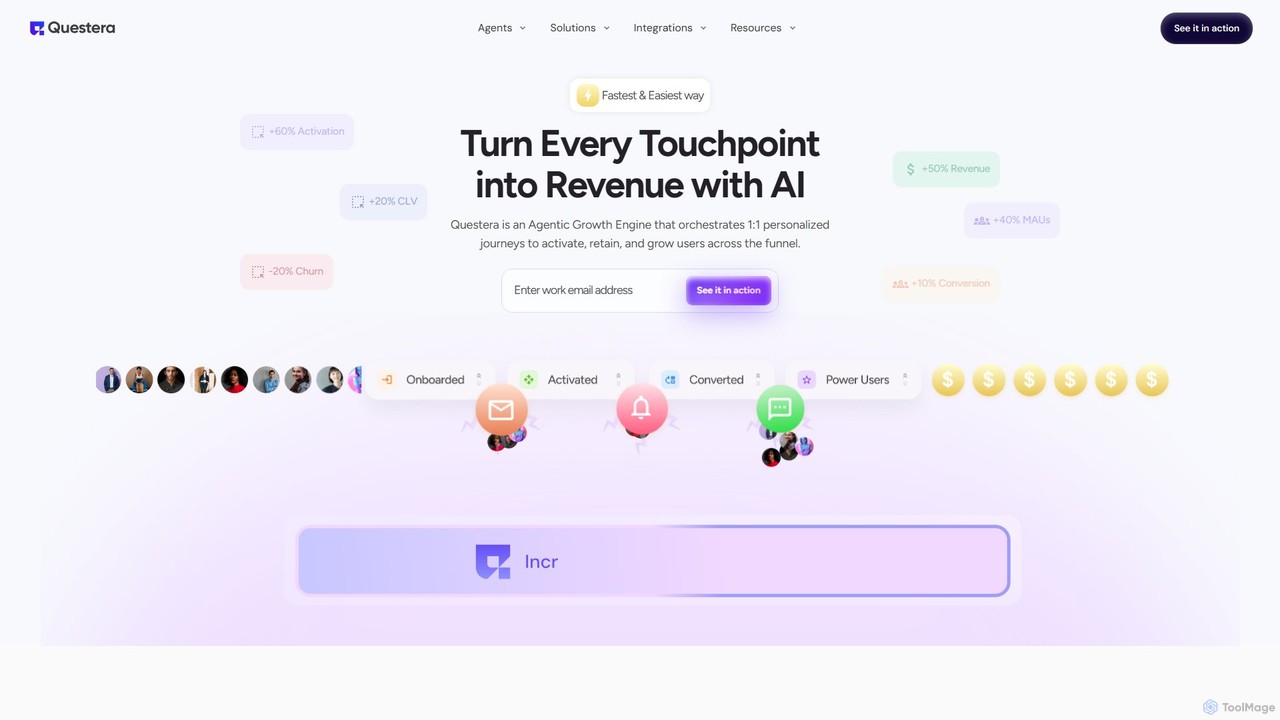
Questera

Questera

Questera is an agentic AI customer engagement platform that automates marketing, sales, and growth tasks. It utilizes a …

70.0K

About Customer Engagement

AI Customer Engagement tools are a class of software designed to proactively and personally interact with customers to build lasting relationships. They leverage machine learning and predictive analytics to understand user behavior, preferences, and intent in real-time. This enables businesses to deliver timely, relevant content, personalized offers, and proactive support, moving beyond reactive problem-solving. As a specialized area within Customer Support, these tools focus on fostering loyalty and increasing customer lifetime value through meaningful interactions.

Core Features

  • Predictive Personalization: Analyzes user data to anticipate needs and deliver tailored content, product recommendations, or offers.
  • Automated Customer Journeys: Creates and triggers sequences of messages across multiple channels based on user behavior and lifecycle stage.
  • Behavioral-Based Triggers: Initiates communication automatically when a user performs a specific action, such as abandoning a cart or visiting a pricing page.
  • Sentiment Analysis: Monitors customer feedback, reviews, and social media mentions to gauge satisfaction and identify engagement opportunities.
  • A/B Testing and Optimization: Allows for testing different messages, offers, and timings to continuously improve engagement metrics.

Use Cases

These tools are widely used in industries like E-commerce, SaaS, media, and finance. Marketing managers use them to automate personalized campaigns, while customer success teams leverage them for proactive onboarding and churn prevention. For example, an e-commerce store can automatically send a discount code to a user who has viewed a product multiple times, or a SaaS company can trigger an in-app guide when a user tries a new feature.

How to Choose

When selecting an AI Customer Engagement tool, consider its integration capabilities with your existing CRM and marketing stack. Evaluate the depth of its personalization engine—can it go beyond simple segmentation? Assess the range of supported communication channels (e.g., email, in-app, SMS, push notifications) and the sophistication of its analytics and reporting features to measure ROI effectively.

Customer EngagementUse Cases

1

Automate E-commerce Personalized Shopping

An e-commerce marketing manager uses an AI Customer Engagement tool to increase sales and loyalty. The system tracks a user's browsing history, viewed products, and past purchases. When a user adds items to their cart but doesn't check out, the AI automatically triggers an abandoned cart email sequence. The first email is a simple reminder, while a follow-up email might include a personalized 10% discount on the specific items in their cart. This proactive, personalized approach helps recover potentially lost sales and makes the customer feel valued, increasing the likelihood of future purchases.

2

Proactive User Onboarding for SaaS

A Customer Success Manager at a SaaS company aims to improve user activation rates. They use an AI engagement tool to create an automated onboarding journey. When a new user signs up, the AI triggers a welcome email. Based on in-app behavior, the tool sends targeted messages. For instance, if a user hasn't tried a key feature after three days, an in-app pop-up appears with a short tutorial video. If they successfully use the feature, they receive a congratulatory email with tips for advanced usage. This guided, context-aware process helps users discover value faster, reducing churn and increasing long-term retention.

3

Manage Community Sentiment Proactively

A community manager for a gaming company needs to maintain a positive environment on their forums and social media channels. They use an AI engagement tool with sentiment analysis. The AI constantly scans new posts and comments for keywords and emotional tone. If it detects a rising trend of negative sentiment around a specific bug or game feature, it automatically alerts the manager and categorizes the feedback. This allows the manager to address the community's concerns proactively with an official statement or a patch announcement, preventing a minor issue from escalating into a major community crisis and showing players their feedback is heard.

4

Automate Customer Loyalty Programs

A marketing manager for a retail brand wants to foster repeat business without extensive manual effort. They implement an AI-powered loyalty program. The tool automatically tracks customer purchases, assigns points, and notifies customers when they reach new reward tiers. The AI also personalizes the experience by sending targeted offers based on a customer's purchase history. For example, a customer who frequently buys coffee beans might receive an exclusive offer for a new espresso machine. This automation not only saves time but also makes the loyalty program more relevant and engaging for each individual customer, strengthening their connection to the brand.

5

Personalize Content Recommendations for Media

A content strategist for a streaming service uses an AI engagement platform to increase viewer retention. The AI analyzes each user's viewing history, genres they prefer, actors they follow, and even the time of day they typically watch. Based on this data, it populates the user's homepage with highly personalized 'Recommended for You' and 'Because you watched...' carousels. It also powers weekly email newsletters with tailored suggestions. This level of personalization makes it easier for users to discover content they'll love, keeping them subscribed and engaged with the platform for longer periods.

6

Predict and Prevent Customer Churn

The customer success team at a subscription-based software company needs to reduce its monthly churn rate. They employ an AI engagement tool with predictive analytics. The AI model analyzes usage data, support ticket history, and login frequency to assign a 'churn risk score' to each customer. Customers with a high risk score are automatically enrolled in a re-engagement campaign. This could involve an email from a customer success manager offering a one-on-one session, a survey to gather feedback, or a special offer to encourage continued use. By identifying at-risk customers before they decide to leave, the team can intervene proactively and save valuable accounts.

Customer EngagementFrequently Asked Questions