ToolMage
Sign in

Best 11 Marketing Analytics AI tools for Analytics

Popular Marketing Analytics AI tools in Analytics include Affable, CVL, Leadster, FlareLane, Dreamwell, Racr.AI, RevScope, CollabNut, 8MKT, and CoreSend, helping you work more efficiently.

8MKT
Paid

8MKT

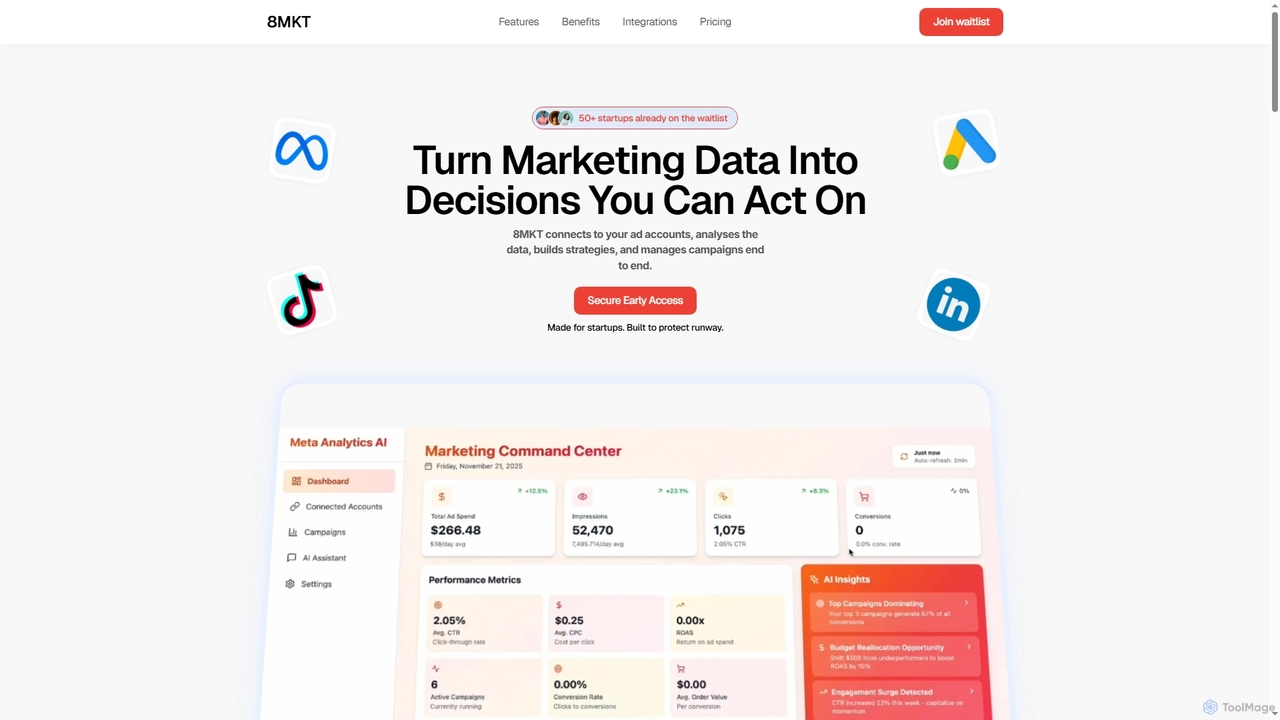
8MKT is an AI-powered marketing platform designed for startups to transform raw marketing data into actionable growth decisions. It unifies metrics, provides AI-driven insights, and allows direct campaign execution across major ad platforms, helping businesses scale efficiently and protect their runway.

Marketing Analytics
Visits 4.1KFavorites 13Likes 17
RevScope
Freemium

RevScope

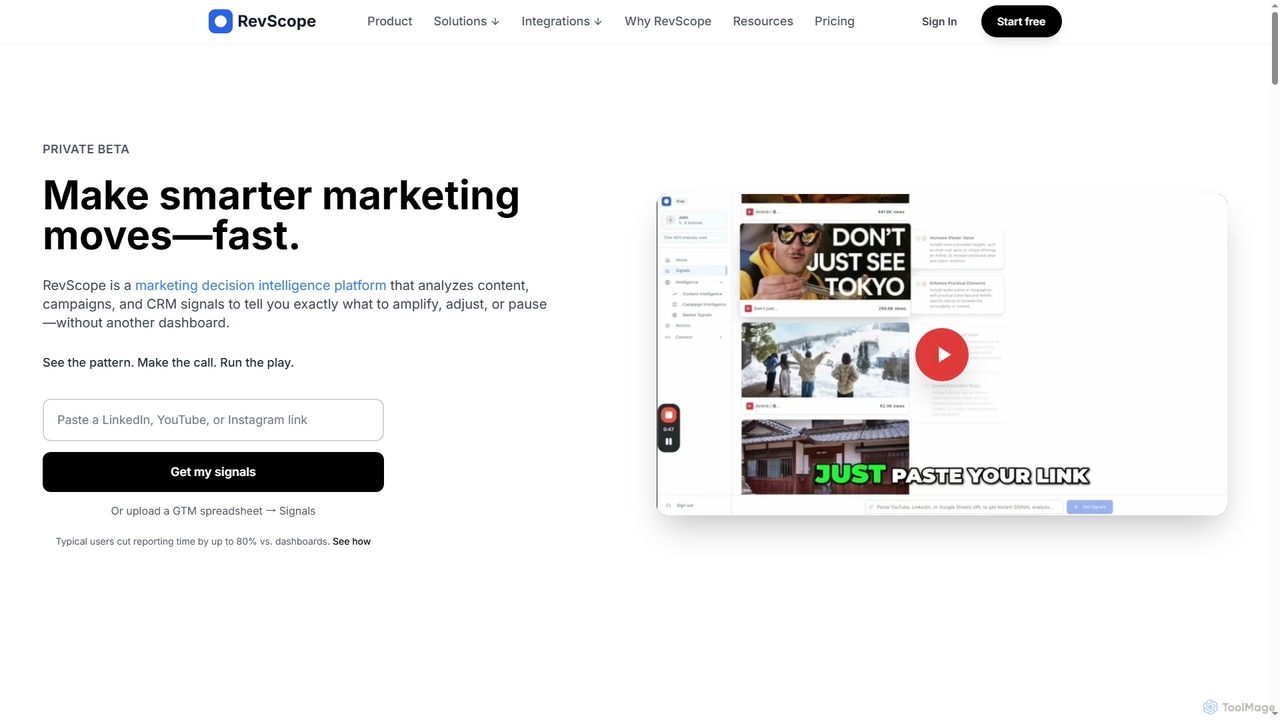
RevScope is an AI-powered marketing decision intelligence platform that analyzes content, campaigns, and CRM signals to provide clear, actionable next steps. It helps marketing and RevOps teams make faster, data-backed decisions, reduce reporting time, and optimize go-to-market strategies for measurable growth.

Marketing Analytics
Visits 4.3KFavorites 124Likes 126
CollabNut

CollabNut

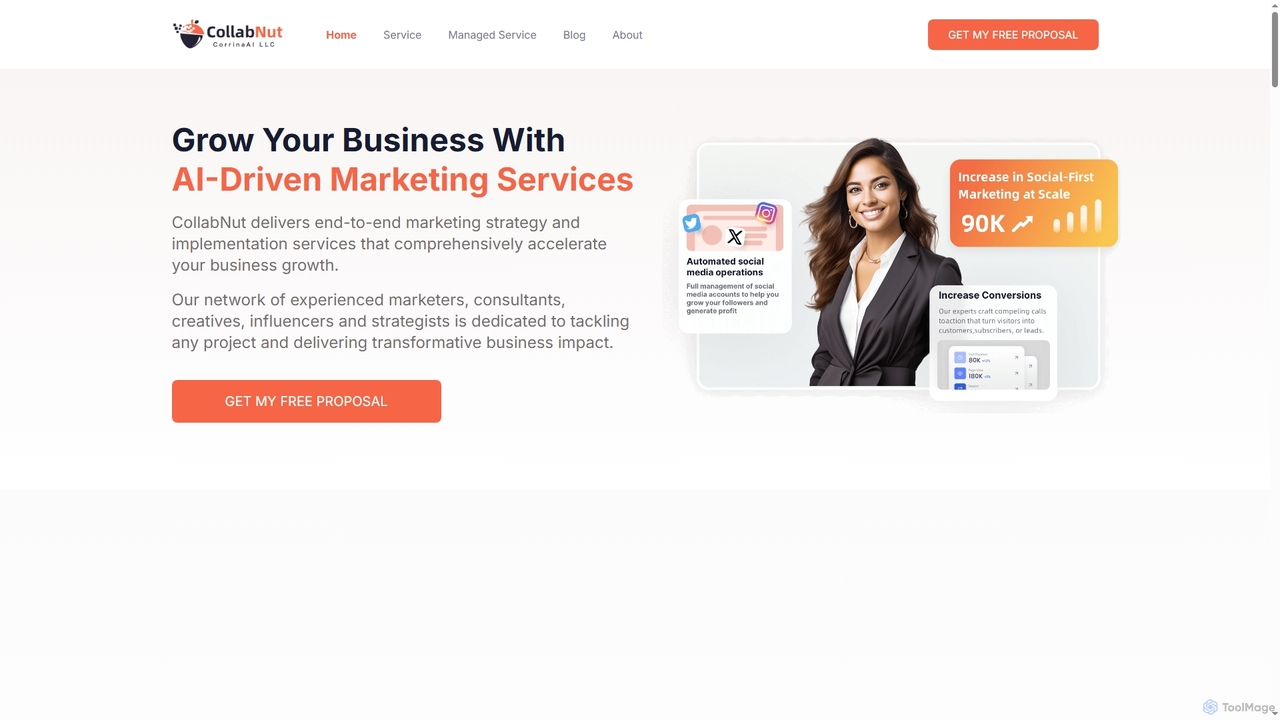
CollabNut is an AI-driven marketing agency and platform offering end-to-end services to accelerate business growth. Specializing in social-first marketing, influencer campaigns, SEO, and brand building, CollabNut connects brands with a global network of experts and creators to deliver data-driven strategies and transformative business impact.

Marketing Analytics
Visits 4.1KFavorites 123Likes 122
CoreSend
Freemium

CoreSend

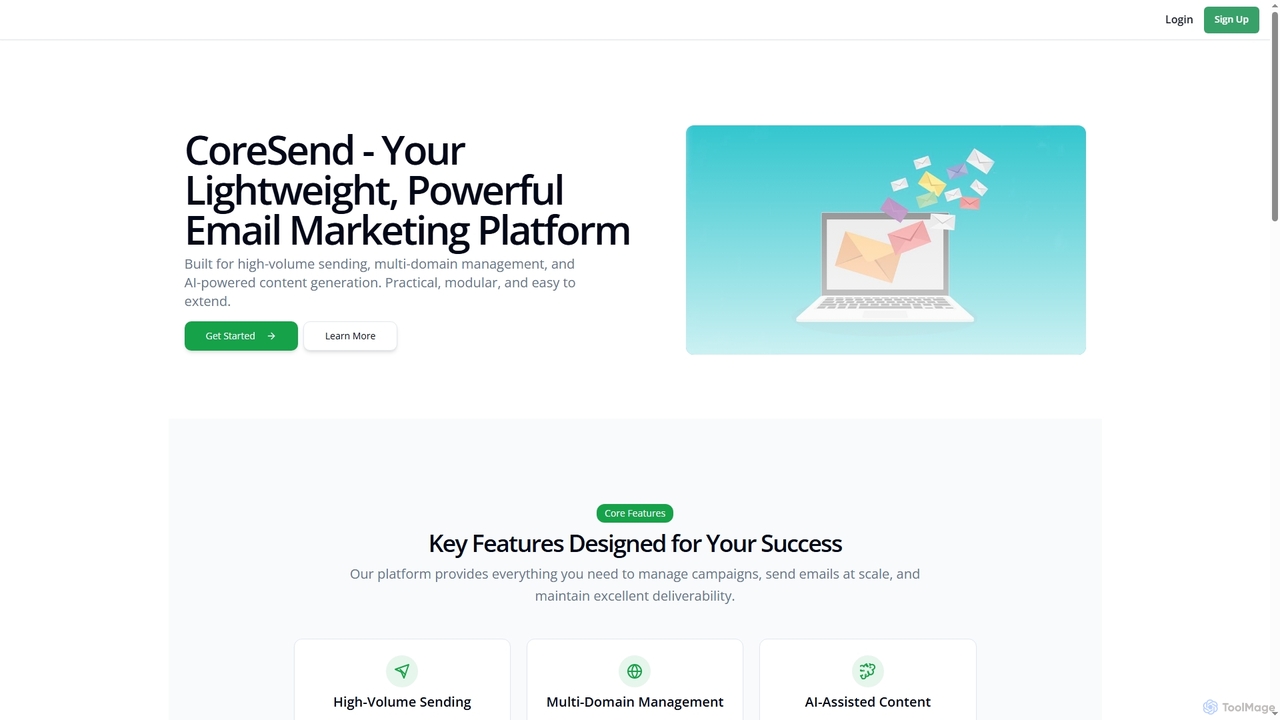
CoreSend is a lightweight yet powerful email marketing platform designed for high-volume sending, multi-domain management, and AI-powered content generation. It offers a practical, modular, and easily extendable architecture, ensuring excellent deliverability and streamlined campaign workflows for businesses of all sizes.

Marketing Analytics
Visits 4.1KFavorites 128Likes 122
Affable
Paid

Affable

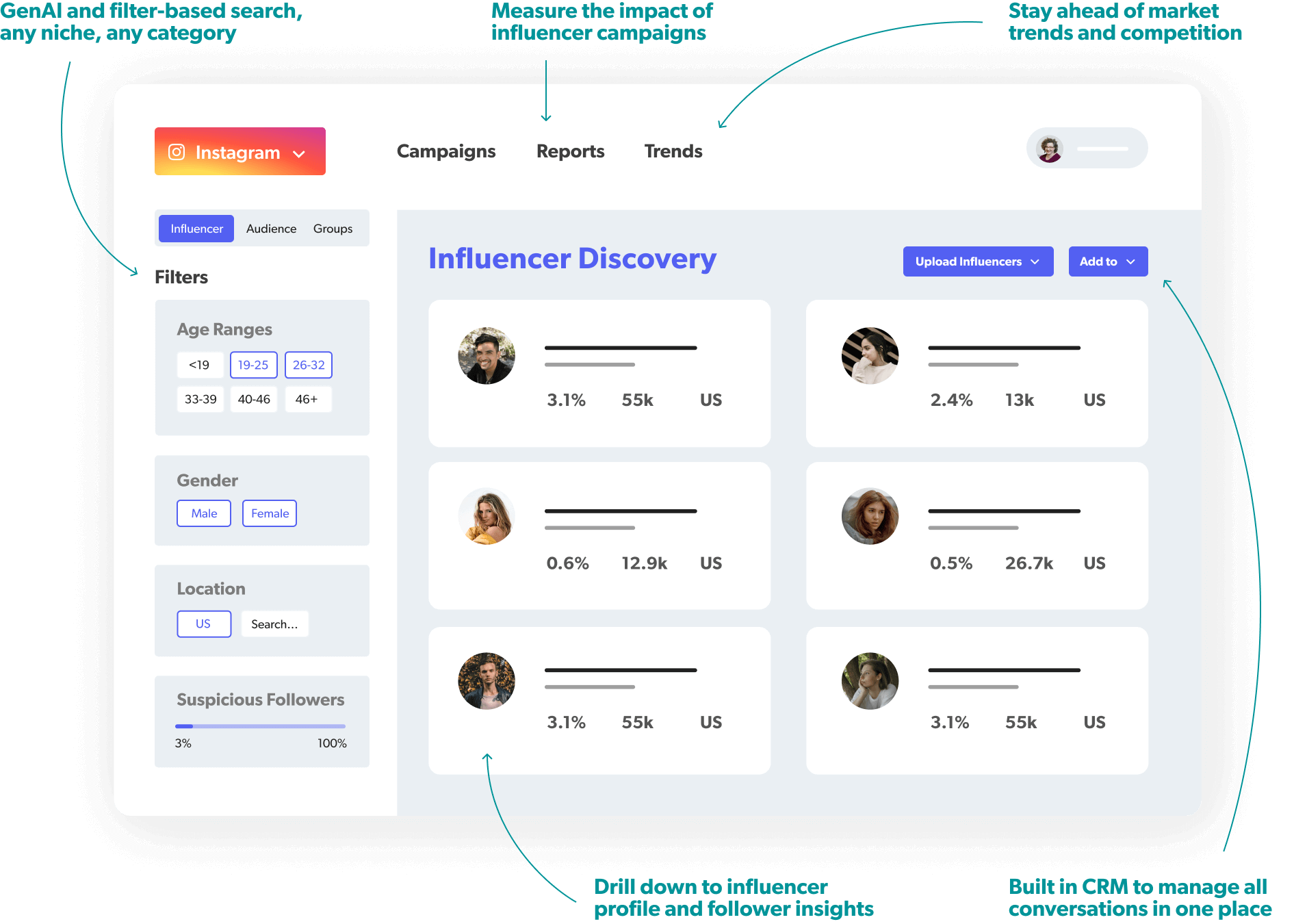
Affable is an AI-powered, end-to-end influencer marketing platform, now part of Bazaarvoice. It helps brands discover relevant creators, manage campaigns at scale, track performance in real-time, and measure ROI. Its Generative AI simplifies creator search, while its comprehensive suite automates everything from gifting to affiliate payments.

Marketing Analytics
Visits 10.4KFavorites 127Likes 125
Dreamwell
Paid

Dreamwell

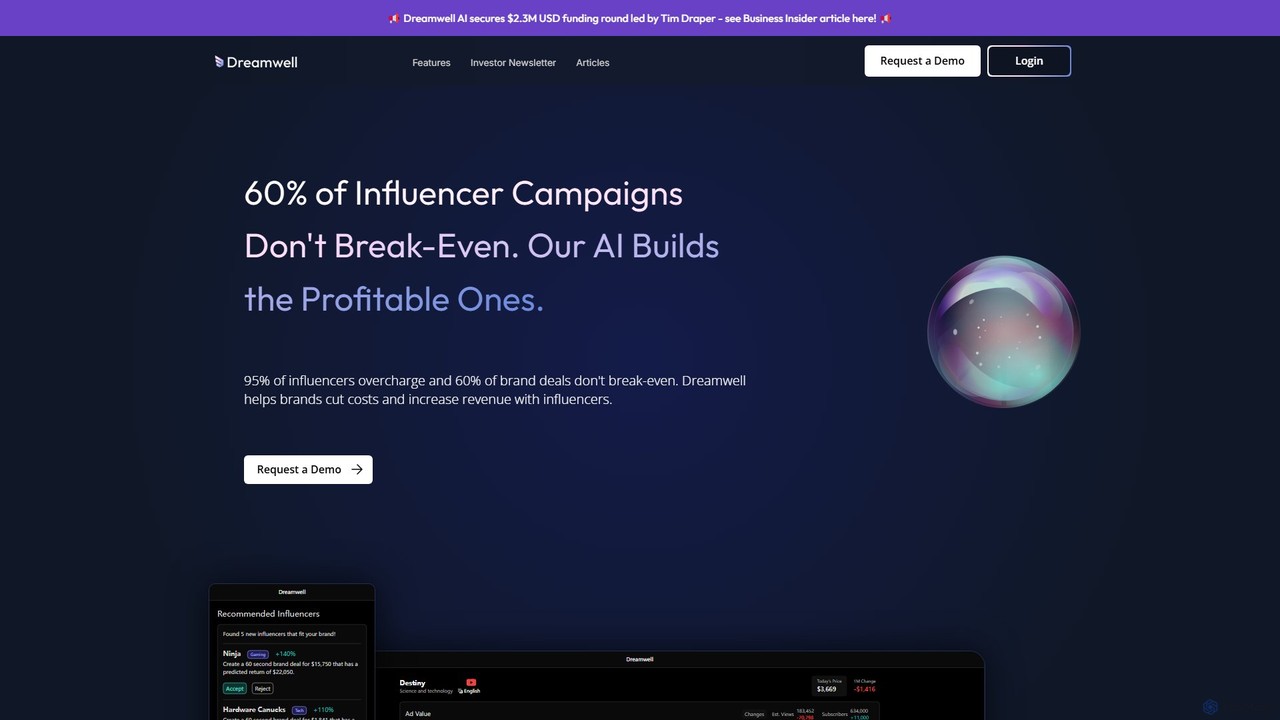
Dreamwell is an AI-powered influencer marketing platform designed to eliminate guesswork and financial loss. It helps brands automate influencer discovery, optimize ad pricing with data-driven formulas, manage campaigns through a dedicated CRM, and track real-time performance and ROI with a conversion pixel, ensuring every collaboration is profitable.

Marketing Analytics
Visits 6.1KFavorites 84Likes 87
FlareLane
Freemium

FlareLane

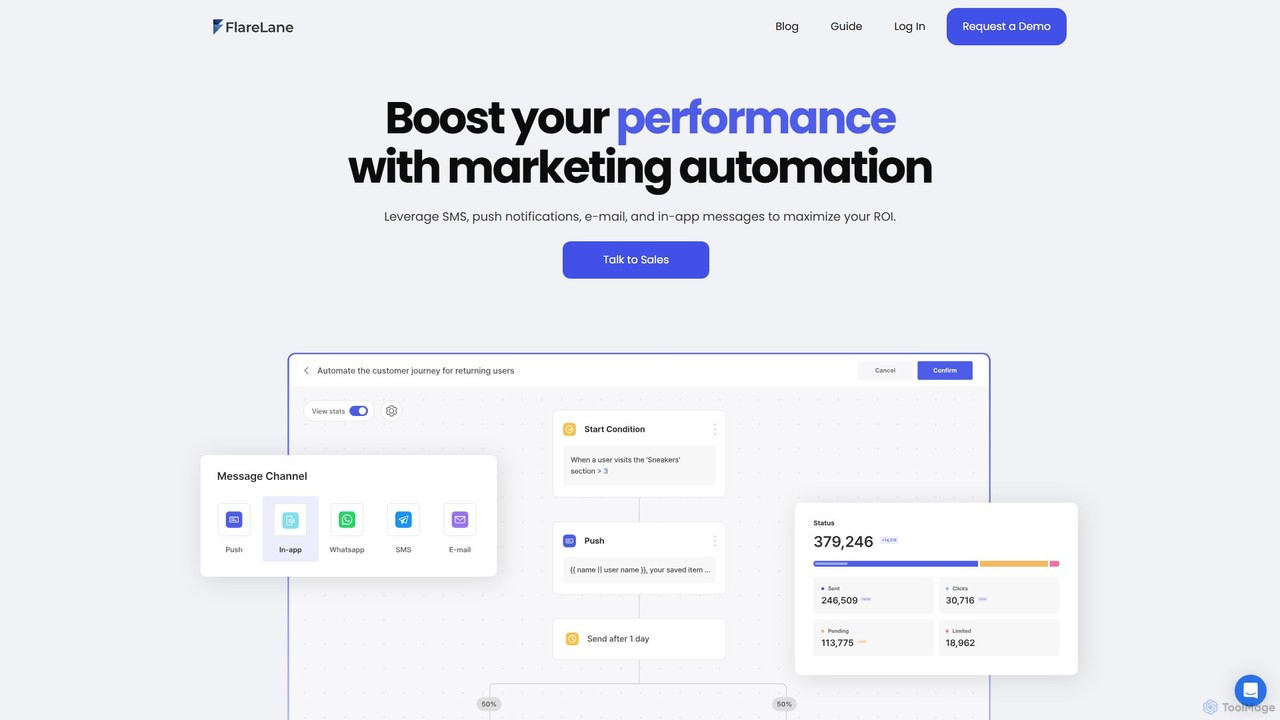
FlareLane is an AI-powered, cross-channel customer engagement platform designed for sending hyper-personalized web and mobile push notifications. It enables businesses to automate marketing campaigns, segment users based on behavior, and analyze performance with in-depth data. With easy integration and high-speed delivery, FlareLane helps boost user retention and conversion rates effectively.

Marketing Analytics
Visits 15.3KFavorites 84Likes 104
Leadster
Freemium

Leadster

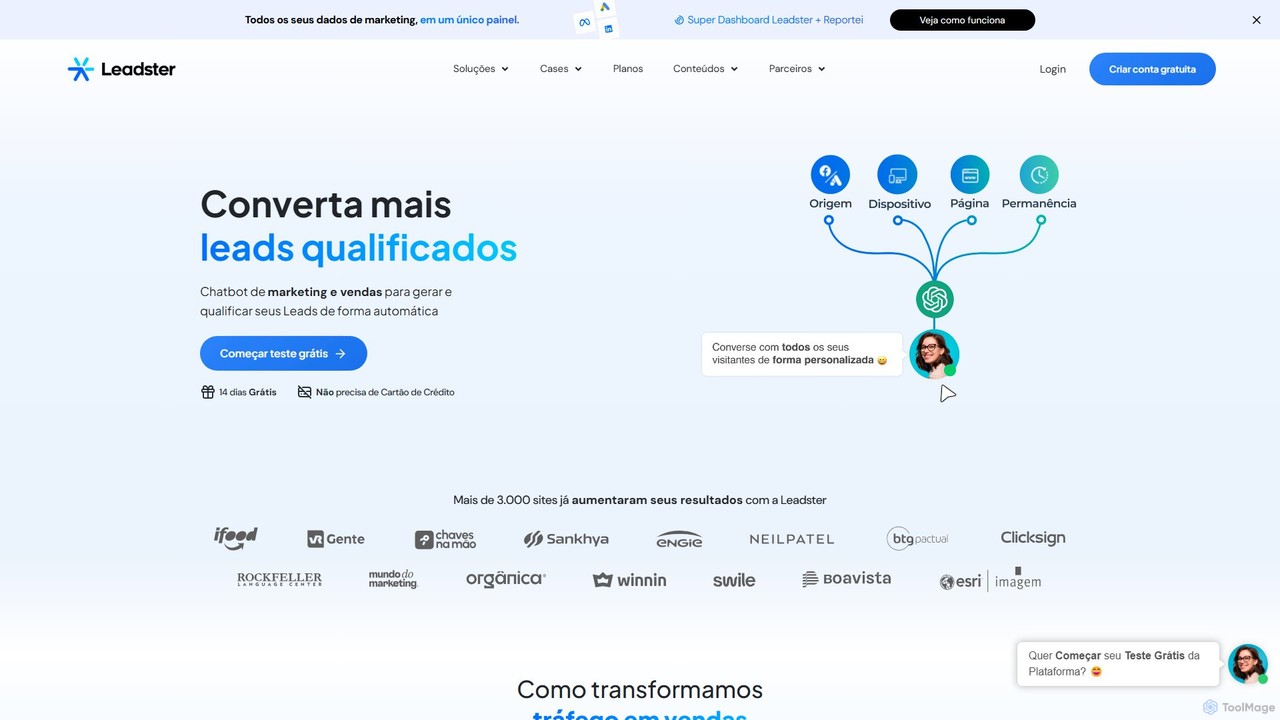
Leadster is an AI-powered conversational marketing platform designed to triple your website's lead generation. It uses a smart chatbot to proactively engage visitors, qualify them automatically 24/7, and intelligently distribute high-quality leads to your sales team. With extensive integrations and powerful analytics, Leadster helps businesses convert more traffic into sales without increasing their marketing budget.

Marketing Analytics
Visits 101.4KFavorites 112Likes 124
CVL
Freemium

CVL

CVL is a powerful link management platform for creating, sharing, and tracking custom branded short links. Boost your brand recognition, build trust with your audience, and increase click-through rates with short URLs that feature your own custom domain.

Marketing Analytics
Visits 6MFavorites 156Likes 154
Racr.AI
Freemium

Racr.AI

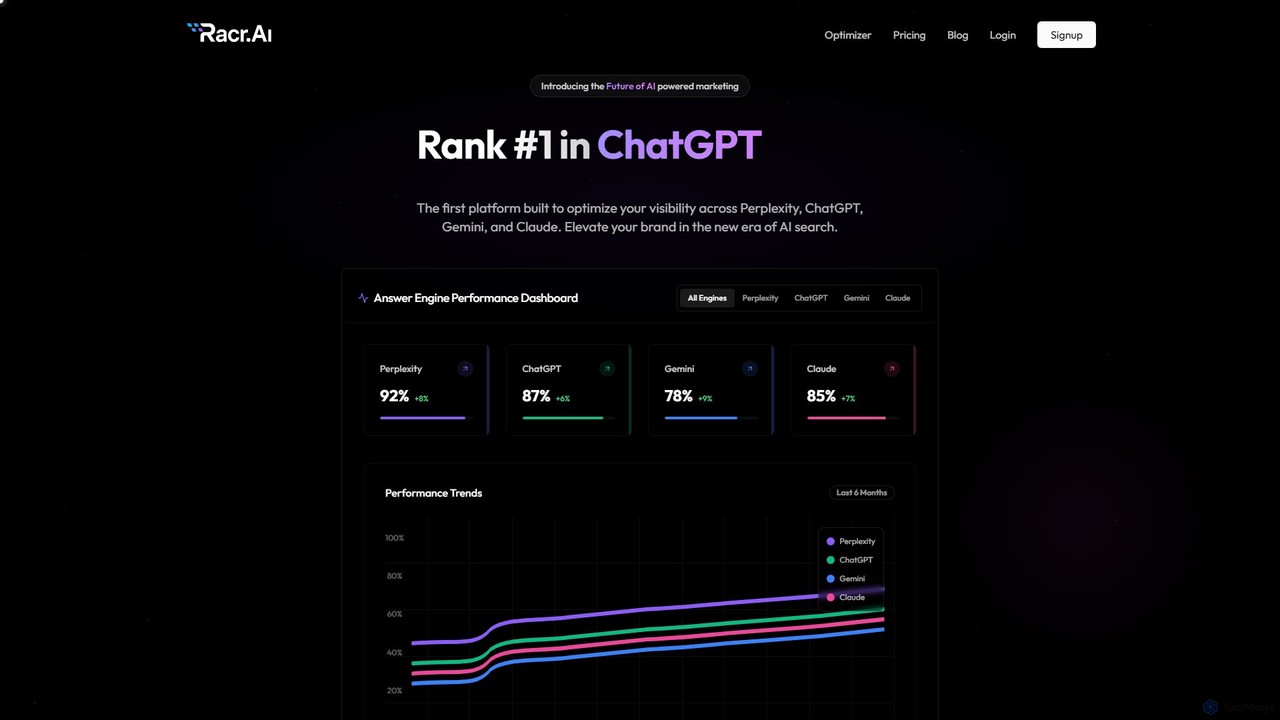
Racr.AI is the first Answer Engine Optimization (AEO) platform designed to help businesses rank #1 in AI search. It optimizes your brand's visibility across major answer engines like ChatGPT, Perplexity, Gemini, and Claude, providing competitive insights and strategic guidance for the new era of AI-powered marketing.

Marketing Analytics
Visits 5.8KFavorites 117Likes 136
Affable
Paid

Affable

Affable is an end-to-end AI-powered influencer marketing platform, now part of Bazaarvoice. It helps brands discover creators, manage campaigns, track performance, and measure ROI. Utilize Generative AI and advanced filters to find the perfect influencers, automate workflows, and transform creator content into full-funnel impact.

Marketing Analytics
Visits 6.9MFavorites 93Likes 99

About Marketing Analytics

AI Marketing Analytics tools are specialized platforms that use artificial intelligence to measure, manage, and optimize marketing performance. These tools process vast amounts of data from various channels like ad platforms, social media, and CRMs to uncover actionable insights. They enable marketers to understand campaign effectiveness, customer behavior, and overall return on investment (ROI) with greater speed and accuracy. By leveraging machine learning, they can identify trends, forecast outcomes, and automate complex data analysis tasks.

Core Features

  • Multi-Channel Campaign Tracking: Consolidates performance data from different marketing channels into a single dashboard for holistic analysis.
  • Predictive Analytics: Forecasts future trends, customer lifetime value (CLV), and potential campaign results based on historical data.
  • Marketing Attribution Modeling: Determines the impact of each marketing touchpoint on a customer's path to conversion.
  • Customer Segmentation: Automatically groups customers into distinct segments based on behavior, demographics, or purchase history for targeted campaigns.
  • Automated Reporting & Insights: Generates customizable reports and dashboards, often highlighting key insights and anomalies automatically.

Applicable Scenarios

These tools are essential for data-driven marketing teams, digital advertising agencies, and e-commerce businesses. They are used to optimize advertising spend by reallocating budgets to the best-performing channels, to personalize customer experiences by understanding journey maps, and to prove marketing's value to stakeholders with clear ROI data.

Selection Criteria

When choosing a tool, consider its integration capabilities with your existing marketing stack (e.g., Google Analytics, Salesforce, Facebook Ads). Evaluate the sophistication of its analytics features, such as the types of attribution models available. Also, assess the user-friendliness of the interface for non-technical team members and ensure the pricing model scales with your data volume and business growth.

Featured tool rankings

Marketing Analytics use cases

1

Optimize Multi-Channel Ad Campaign ROI

A digital marketing manager for an e-commerce brand uses an AI analytics tool to consolidate performance data from Google Ads, Facebook Ads, and TikTok campaigns. The AI automatically identifies underperforming ad creatives and audience segments with low conversion rates. Based on these insights, the manager pauses the ineffective ads and reallocates the budget to the top-performing campaigns targeting high-value customer segments. This data-driven adjustment leads to a 20% increase in Return on Ad Spend (ROAS) within one quarter without increasing the overall budget.

2

Identify High-Risk Customers to Reduce Churn

A subscription-based SaaS company's retention team uses a predictive analytics tool to analyze user behavior, support ticket history, and feature usage data. The AI model assigns a 'churn risk score' to each customer. The team can then create a segment of 'high-risk' users and proactively engage them with targeted email campaigns, special offers, or personalized support outreach. This proactive strategy helps reduce the monthly churn rate by identifying and addressing customer dissatisfaction before they decide to cancel their subscription.

3

Understand the Full Customer Journey with Attribution Modeling

A marketing analyst for a B2B software company needs to justify the budget for content marketing, which often doesn't lead to direct conversions. Using a marketing analytics tool with multi-touch attribution models (e.g., linear or time-decay), the analyst can demonstrate how blog posts, webinars, and whitepapers contribute to leads at the top of the funnel. The report shows that while paid search is the final touchpoint, 40% of converted leads first interacted with a piece of content. This insight validates the content strategy and secures continued investment.

4

Conduct Real-Time Social Media Sentiment Analysis

A brand manager for a consumer electronics company is launching a new product. They use a marketing analytics tool to monitor mentions of the product across Twitter, Instagram, and online forums in real-time. The AI automatically categorizes sentiment as positive, negative, or neutral and identifies emerging themes in customer feedback. When a cluster of negative comments about a specific software bug appears, the manager is alerted instantly, allowing the PR and development teams to address the issue publicly and deploy a fix quickly, mitigating potential brand damage.

5

Personalize Email Campaigns with AI-Powered Segmentation

An email marketer for an online fashion retailer integrates their marketing analytics platform with their email service provider. The tool analyzes customer data, including purchase history, browsing behavior, and email engagement. Based on this, the AI creates dynamic segments such as 'frequent buyers of athletic wear' or 'users who viewed boots but didn't purchase'. The marketer can then send highly targeted campaigns with personalized product recommendations to each segment, resulting in a 30% higher click-through rate and a 15% increase in email-driven revenue compared to generic newsletters.

6

Forecast Market Trends for Strategic Planning

A product marketing team at a tech company uses an AI analytics tool to analyze market data, competitor announcements, and social media conversations. The tool's forecasting model predicts a rising demand for a specific feature currently offered by a competitor. This data-driven forecast allows the team to build a strong business case for prioritizing the development of a similar feature. By acting on this predictive insight, the company can enter the market proactively rather than reactively, capturing a significant share of the emerging demand.

Marketing Analytics FAQ

What are AI Marketing Analytics tools?

AI Marketing Analytics tools are software platforms that use artificial intelligence and machine learning to analyze marketing data. They go beyond traditional analytics by automating complex tasks like predictive modeling, customer segmentation, and multi-touch attribution. These tools consolidate data from various sources (e.g., ads, social media, CRM) to provide a unified view of marketing performance, helping businesses understand campaign ROI, customer behavior, and market trends to make smarter, data-driven decisions.

How to choose the right Marketing Analytics tool?

Choosing the right tool depends on your specific needs. Consider these key factors:

  • Data Integrations: Ensure the tool connects seamlessly with your essential data sources, such as Google Ads, Facebook, Salesforce, and your website analytics platform.
  • Analytical Capabilities: Does it offer the features you need? This could range from basic dashboards to advanced predictive analytics and customizable attribution models.
  • Ease of Use: Evaluate the user interface. A good tool should be intuitive for your marketing team, not just data scientists, to generate reports and find insights.
  • Scalability and Cost: Select a tool that can grow with your business and data volume. Understand the pricing structure and ensure it aligns with your budget and expected ROI.
What's the difference between Marketing Analytics and Business Intelligence (BI) tools?

The main difference lies in their scope and specialization. Marketing Analytics tools are specifically designed for marketers. They focus on marketing-specific data sources (like ad platforms and social media), metrics (like ROAS and CLV), and workflows (like campaign analysis and attribution). Business Intelligence (BI) tools are more general-purpose. They can analyze data from any part of the business (finance, sales, operations) but often require significant customization and data expertise to generate marketing-specific insights. In short, Marketing Analytics tools offer specialized, out-of-the-box functionality for marketing, while BI tools provide a broader, more flexible platform for company-wide data analysis.

What key metrics can AI Marketing Analytics tools track?

Beyond basic metrics like clicks and impressions, AI Marketing Analytics tools focus on metrics that directly impact business outcomes. Key examples include:

  • Return on Ad Spend (ROAS): Measures the revenue generated for every dollar spent on advertising.
  • Customer Lifetime Value (CLV): Predicts the total net profit a company can expect from a single customer over their entire relationship.
  • Customer Acquisition Cost (CAC): The total cost of acquiring a new customer, including ad spend and marketing expenses.
  • Multi-Touch Attribution: Assigns value to each touchpoint in the customer journey, providing a more accurate view of channel performance than last-click models.
  • Churn Rate: The percentage of customers who stop using a service over a given period, which AI can often predict at an individual level.
Who should use Marketing Analytics tools?

Marketing Analytics tools are valuable for a wide range of roles within a company. Key users include:

  • Digital Marketers & Campaign Managers: For daily monitoring of campaign performance, optimizing ad spend, and understanding channel effectiveness.
  • Marketing Leaders (CMOs/VPs): To get a high-level view of overall marketing ROI, track progress against goals, and make strategic budget allocation decisions.
  • Marketing/Data Analysts: To perform deep-dive analyses, build complex attribution models, and uncover hidden trends in customer data.
  • E-commerce Managers: To analyze the customer journey on their site, identify conversion bottlenecks, and personalize the shopping experience.