Data Science Best in category 8 results Data Annotation AI Tool

Popular AI tools in the Data Annotation field of Data Science include Supervised.co、V7、Labellerr、MONAI、MD.ai、Ocular AI、SnapMeasureAI、The Foundry AI, etc., helping you quickly improve efficiency.

MD.ai

MD.ai

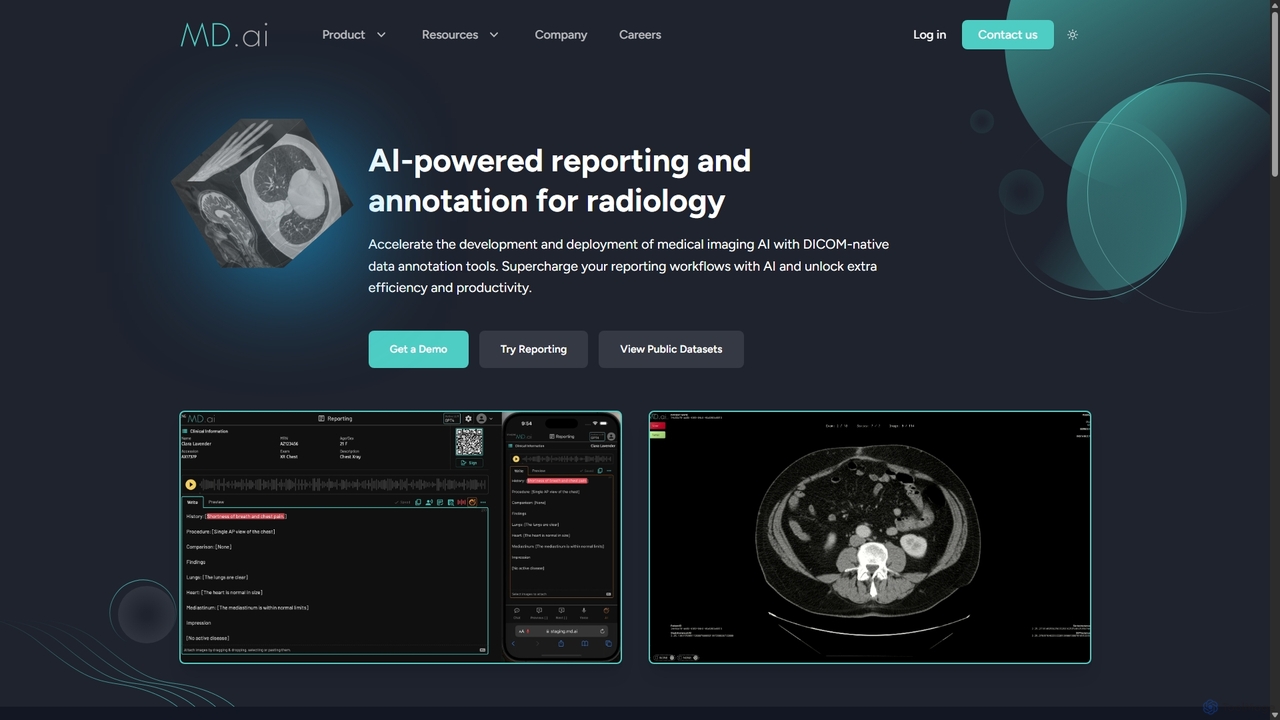
MD.ai is a comprehensive AI platform for radiology, offering DICOM-native data annotation tools to build and validate medical …

11.6K
The Foundry AI

The Foundry AI

The Foundry AI is a specialized platform for developers building AI web agents. It offers a deterministic web …

4.1K
Ocular AI

Ocular AI

Ocular AI is an end-to-end platform for the multimodal AI era, enabling teams to ingest, curate, search, and …

7.1K
Labellerr

Labellerr

Labellerr is an AI-powered data labeling and annotation platform designed to accelerate the development of Vision, NLP, and …

124.1K
Free
MONAI

MONAI

MONAI (Medical Open Network for AI) is a free, open-source, PyTorch-based framework designed to accelerate AI in healthcare. …

20.8K
SnapMeasureAI

SnapMeasureAI

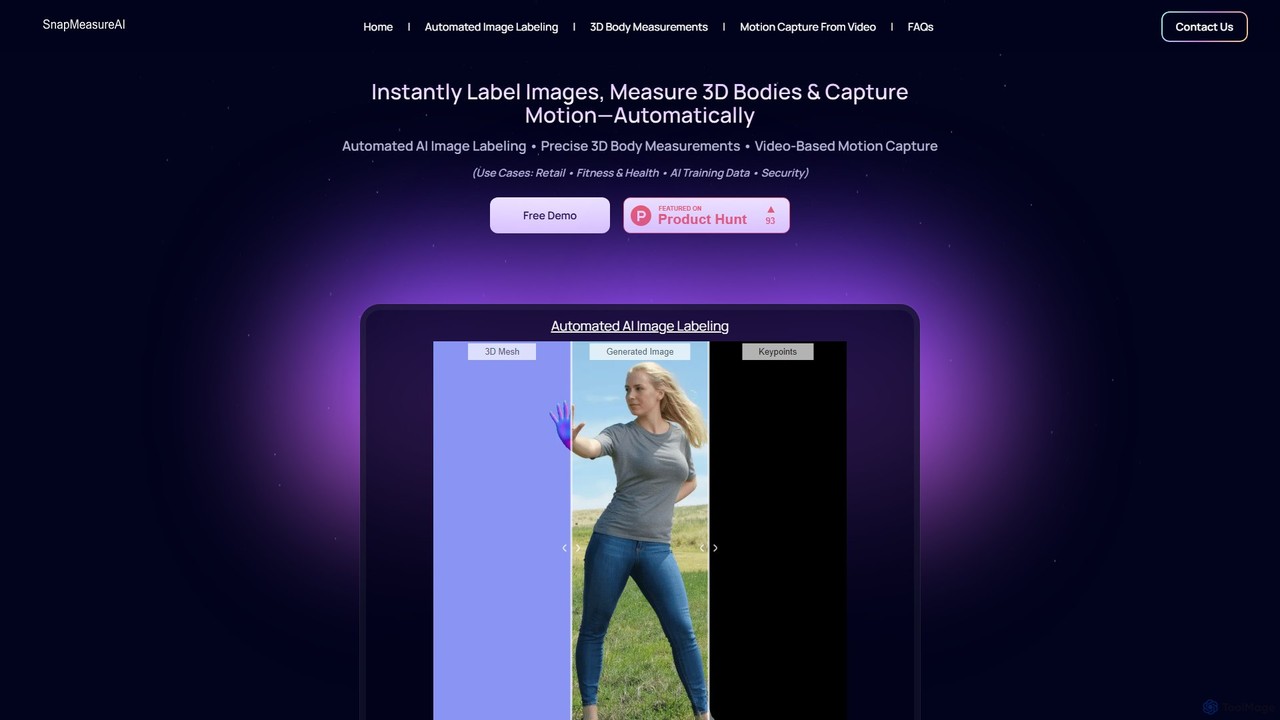
SnapMeasureAI is an advanced AI platform offering three core solutions: precise 3D body measurements from photos to reduce …

6.3K
Supervised.co

Supervised.co

Supervised.co is an end-to-end platform for building, training, and deploying supervised machine learning models. It simplifies the MLOps …

3.2M
V7

V7

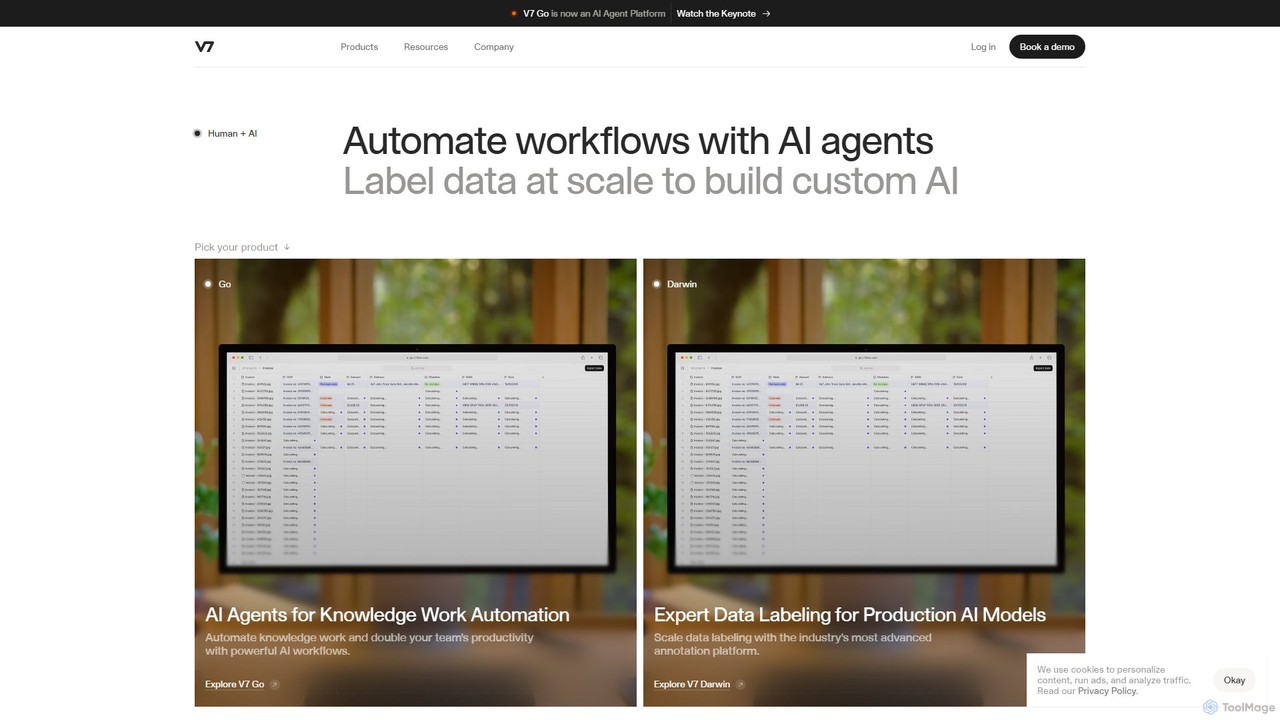
V7 is a comprehensive AI platform for building trustworthy AI. It features V7 Darwin for advanced data labeling …

273.0K

About Data Annotation

Data Annotation tools are AI-powered platforms designed to label, tag, or classify raw data such as images, videos, text, and audio. These tools are a crucial step in the data science pipeline, enabling the creation of high-quality training datasets essential for developing and improving machine learning models. By systematically adding metadata, they transform unstructured information into structured formats that AI algorithms can learn from, ensuring the accuracy and effectiveness of AI systems.

Core Features

  • Image & Video Annotation: Tools for bounding boxes, polygons, keypoints, semantic segmentation, and object tracking in visual data.
  • Text Annotation: Capabilities for named entity recognition (NER), sentiment analysis, text classification, and relation extraction in textual content.
  • Audio Annotation: Features for transcribing speech, identifying speakers, and categorizing sound events in audio files.
  • Automated Pre-labeling: AI-assisted suggestions to speed up the initial annotation process, significantly reducing manual effort.
  • Quality Control & Review: Built-in mechanisms for annotator consensus, review workflows, and performance metrics to ensure data accuracy.

Use Cases

Data annotation is indispensable for training computer vision models for autonomous vehicles, natural language processing models for chatbots, and speech recognition systems. It's used across industries from healthcare for medical image analysis to retail for product categorization, providing the structured data foundation for intelligent applications.

How to Choose

When selecting a data annotation tool, consider the types of data you need to annotate (images, text, audio) and the complexity of the annotation tasks. Evaluate its scalability for large datasets, the availability of automated features like AI-assisted labeling, and its quality assurance capabilities. Also, assess the user interface's ease of use for your annotators, integration options with existing workflows, and the pricing model.

Data AnnotationUse Cases

1

Annotating Sensor Data for Autonomous Vehicles

Automotive engineers use data annotation tools to label vast amounts of sensor data (camera images, LiDAR point clouds, radar data) with bounding boxes, semantic segmentation, and object tracking. This precisely annotated data trains AI models to accurately detect pedestrians, vehicles, traffic signs, and lane markings, which is critical for safe and reliable autonomous driving systems.

2

Developing Medical Image Diagnosis AI

Medical researchers and AI developers utilize data annotation to outline anomalies, tumors, or specific organs in X-rays, MRIs, and CT scans. Expert radiologists or pathologists perform pixel-level segmentation and classification, creating high-fidelity datasets that enable AI models to assist in early disease detection and diagnosis, ultimately improving patient outcomes.

3

Categorizing E-commerce Products with Image Annotation

E-commerce platforms employ data annotation to tag product images with attributes like color, material, style, and brand. Annotators draw bounding boxes around specific product features or classify entire images. This structured metadata improves product search accuracy, powers recommendation engines, and enhances the overall shopping experience for customers by making products more discoverable.

4

Improving Chatbot Understanding (NLP)

AI product managers and linguists use text annotation tools to label user queries and chatbot responses for intent, entities (e.g., product names, dates), and sentiment. This process helps train natural language processing (NLP) models, allowing chatbots to better understand user requests, provide more relevant answers, and handle complex conversations effectively, leading to improved customer service.

5

Building Speech Recognition Models

Developers building voice assistants or transcription services use audio annotation to transcribe spoken words, identify different speakers, and tag specific sound events (e.g., laughter, background noise). This meticulously labeled audio data is crucial for training robust automatic speech recognition (ASR) models that can accurately convert speech to text and understand vocal commands, enhancing voice-controlled applications.

6

Optimizing Industrial Quality Control

Manufacturing engineers apply data annotation to images of manufactured goods, marking defects like cracks, scratches, or misalignments. By creating datasets of both flawless and faulty products, they train computer vision AI systems to automatically inspect items on assembly lines, ensuring consistent product quality and reducing the need for manual, time-consuming inspections, thereby boosting efficiency.

Data AnnotationFrequently Asked Questions