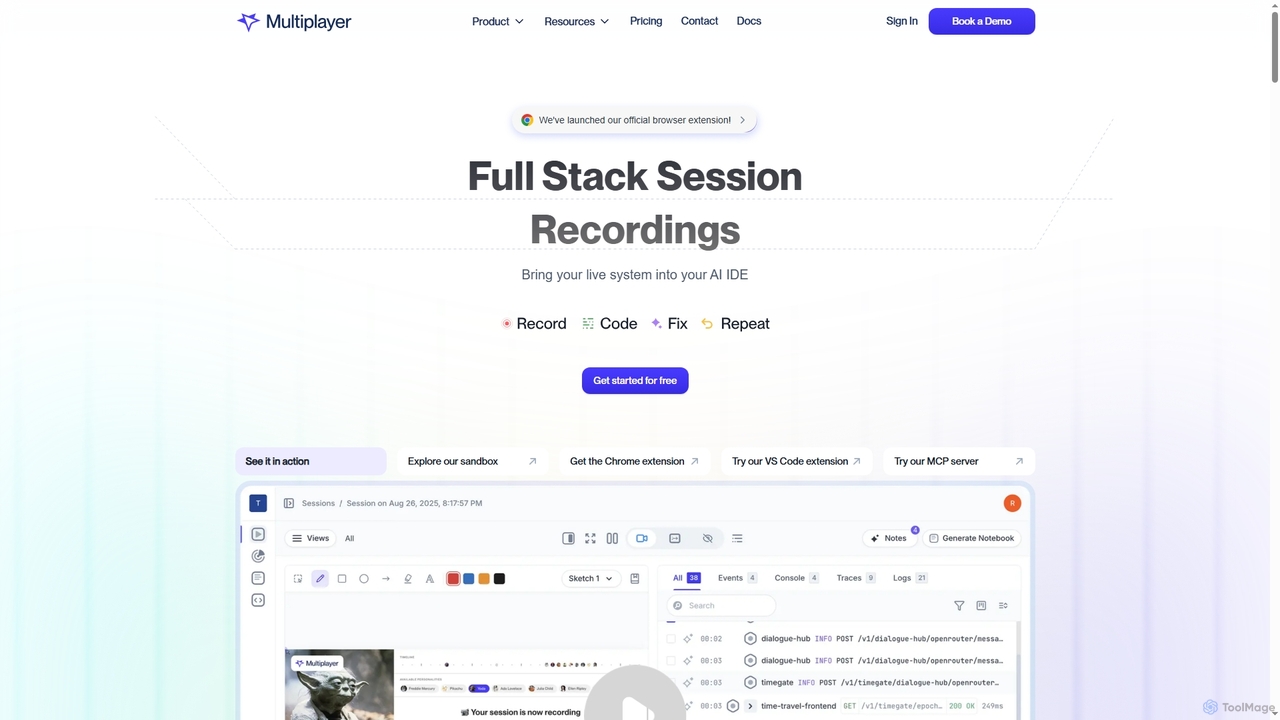
AI Software Testing tools are a class of applications that leverage artificial intelligence and machine learning to automate and enhance the software quality assurance process. These tools analyze application interfaces, code, and user behavior to intelligently generate test cases, identify defects, and predict potential failure points. This enables development teams to accelerate release cycles, improve test coverage, and detect complex bugs that traditional automation scripts might miss. Unlike rule-based automation, AI-driven testing adapts to application changes, significantly reducing test maintenance overhead.
Core Features
- AI-Powered Test Generation: Automatically creates test cases and scripts by exploring the application or analyzing requirements.
- Visual Regression Testing: Uses computer vision to detect unintended UI changes, such as layout shifts, color errors, or missing elements.
- Self-Healing Tests: Intelligently adapts test scripts when UI elements change, reducing the need for manual script maintenance.
- Predictive Bug Analysis: Analyzes code changes and historical data to predict which areas are most likely to contain defects.
- Smart Test Execution: Prioritizes and runs the most critical tests based on risk analysis and recent code modifications.
Use Cases
AI Software Testing tools are widely used by Agile and DevOps teams to build robust CI/CD pipelines. They are particularly valuable for testing large-scale enterprise applications, complex e-commerce platforms, and mobile apps where frequent updates are common. Roles such as QA engineers, developers, and DevOps specialists use these tools to ensure software quality without slowing down development velocity.
How to Choose
When selecting an AI Software Testing tool, consider its compatibility with your technology stack (e.g., JavaScript frameworks, mobile platforms). Evaluate the types of testing it supports, such as UI, API, or performance testing. Assess its integration capabilities with your existing CI/CD tools like Jenkins or GitHub Actions. Finally, consider the tool's learning curve, choosing between low-code platforms for manual testers and more advanced frameworks for automation engineers.