Best of the Year 9 results Spirituality AI Tools

Popular AI tools in the Spirituality field include The Qi Flow、Karmic Tail、HallofTarot、Numerology Calculators、Oniromancy、Suanmingzhun、TaraTok、QChing、Jeffrey Célavie, etc., helping you quickly improve efficiency.

Free
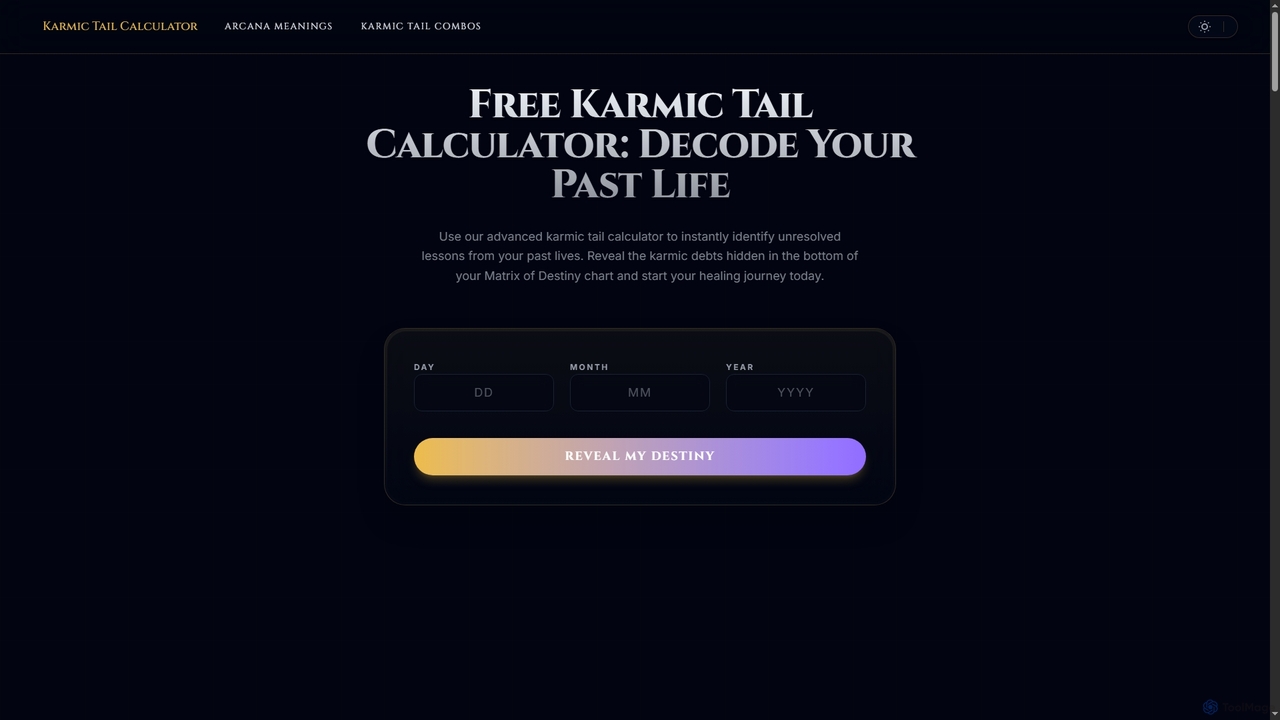
Karmic Tail

Karmic Tail

Karmic Tail is a free online calculator that decodes your past life lessons and karmic debts using the …

19.6K
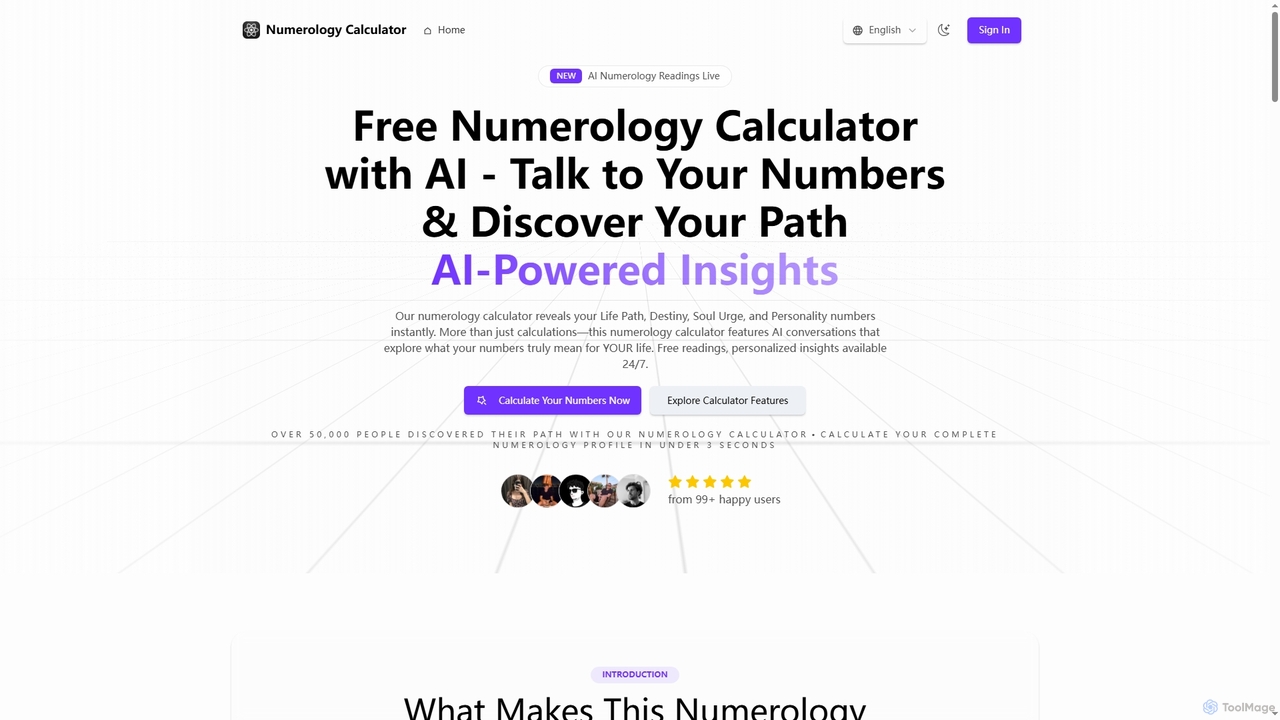
Numerology Calculators

Numerology Calculators

Numerology Calculators is an AI-powered tool that provides instant, personalized insights into your numerology profile. It calculates core …

4.0K
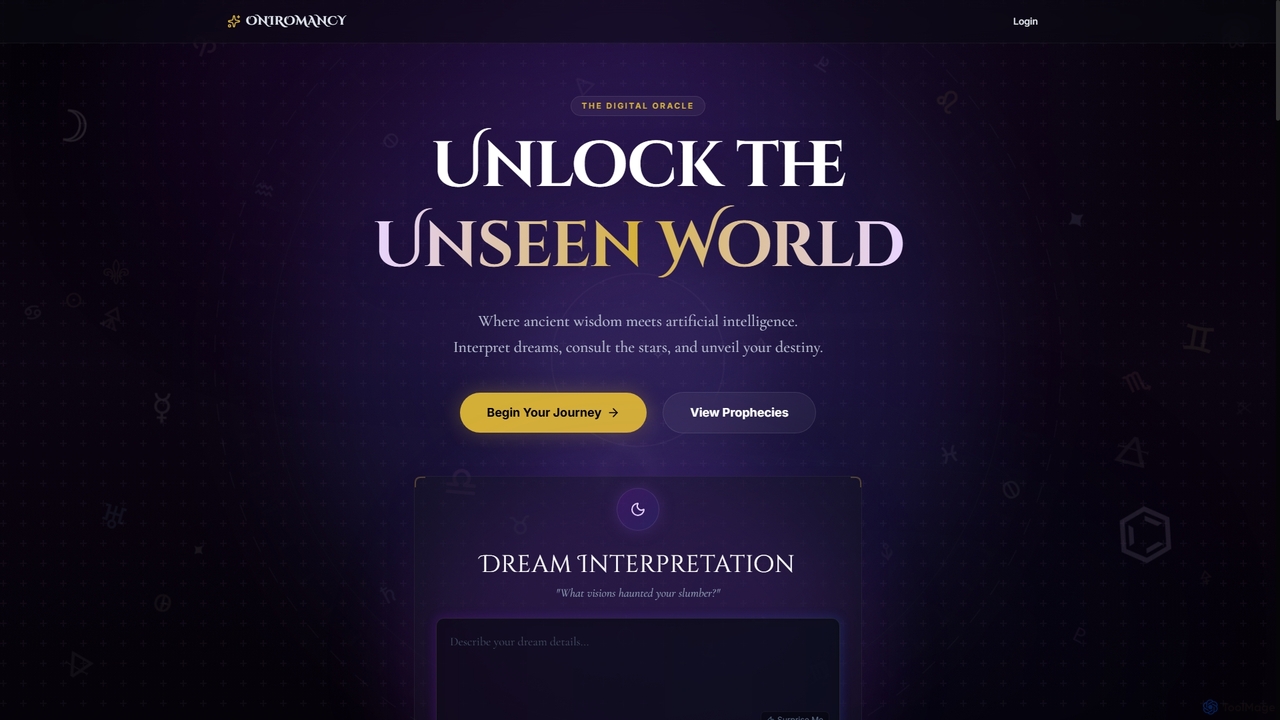
Oniromancy

Oniromancy

Oniromancy is an innovative AI tool that bridges ancient wisdom with modern technology, offering personalized insights through dream …

3.0K
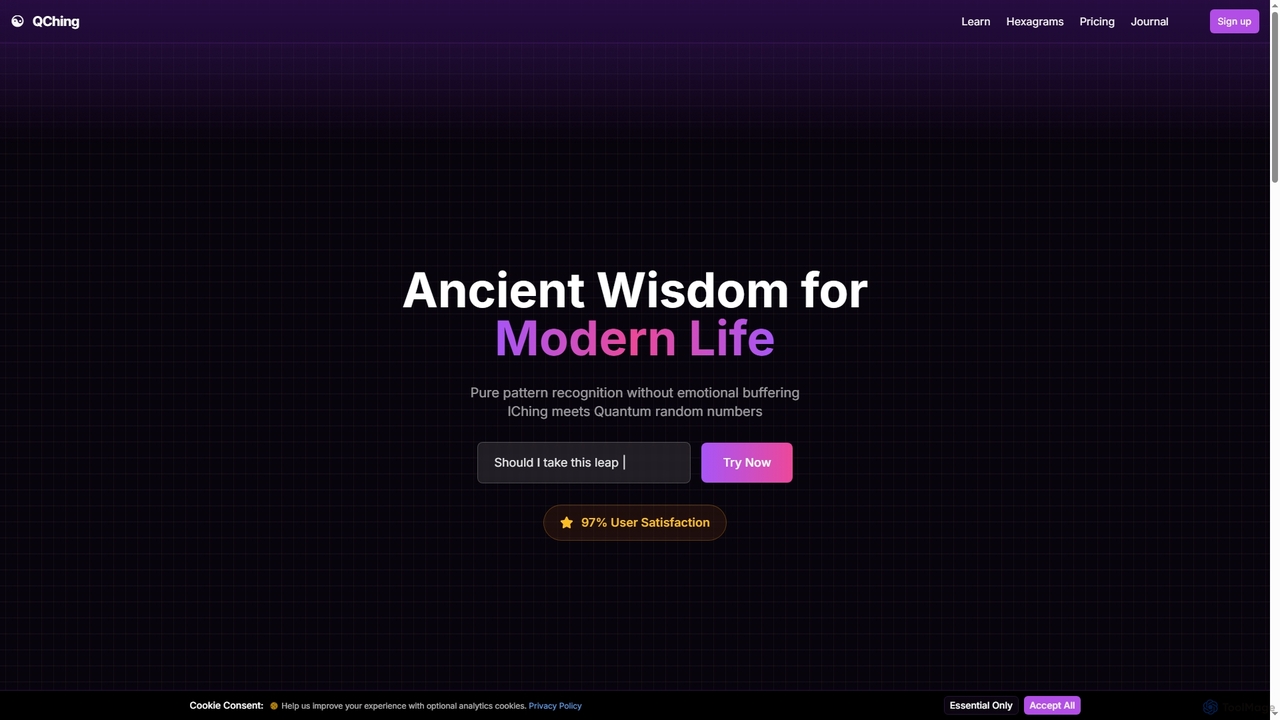
QChing

QChing

QChing is an innovative AI tool that merges ancient I Ching wisdom with cutting-edge quantum randomness for profound …

3.0K
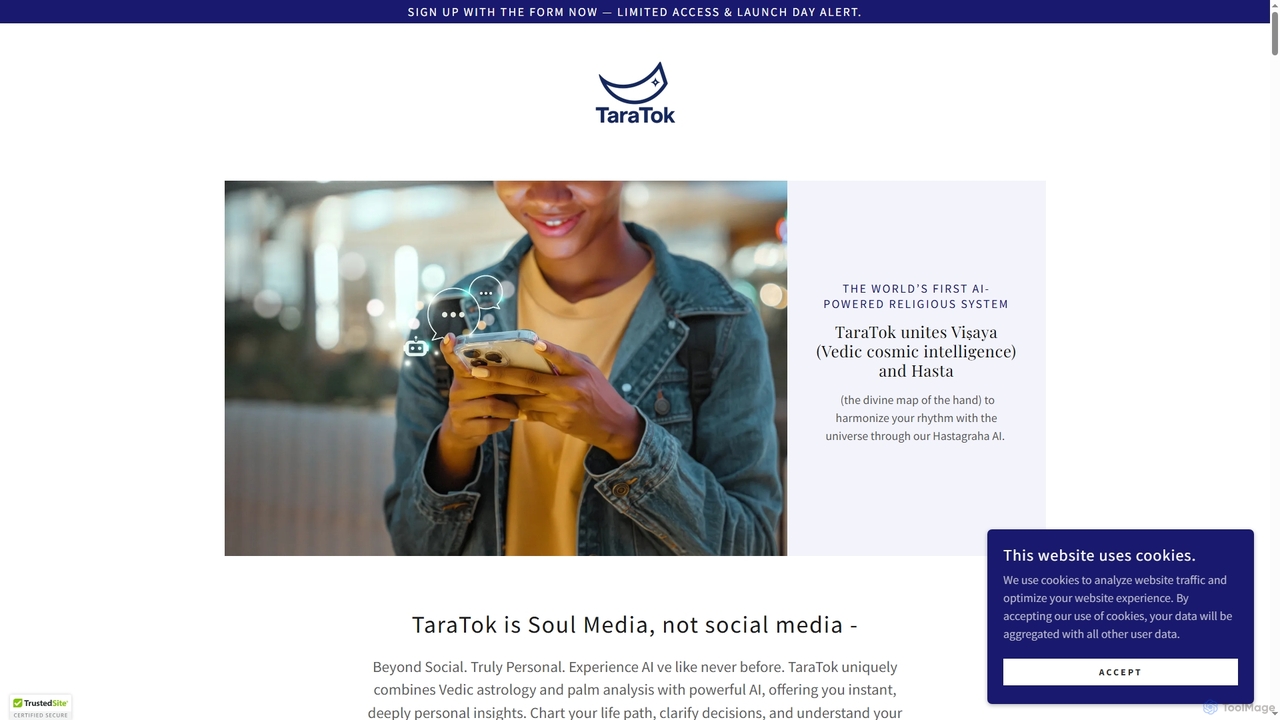
TaraTok

TaraTok

TaraTok is the world's first AI-powered religious intelligence platform, fusing ancient Vedic cosmic intelligence (Viṣaya) and palm wisdom …

3.0K
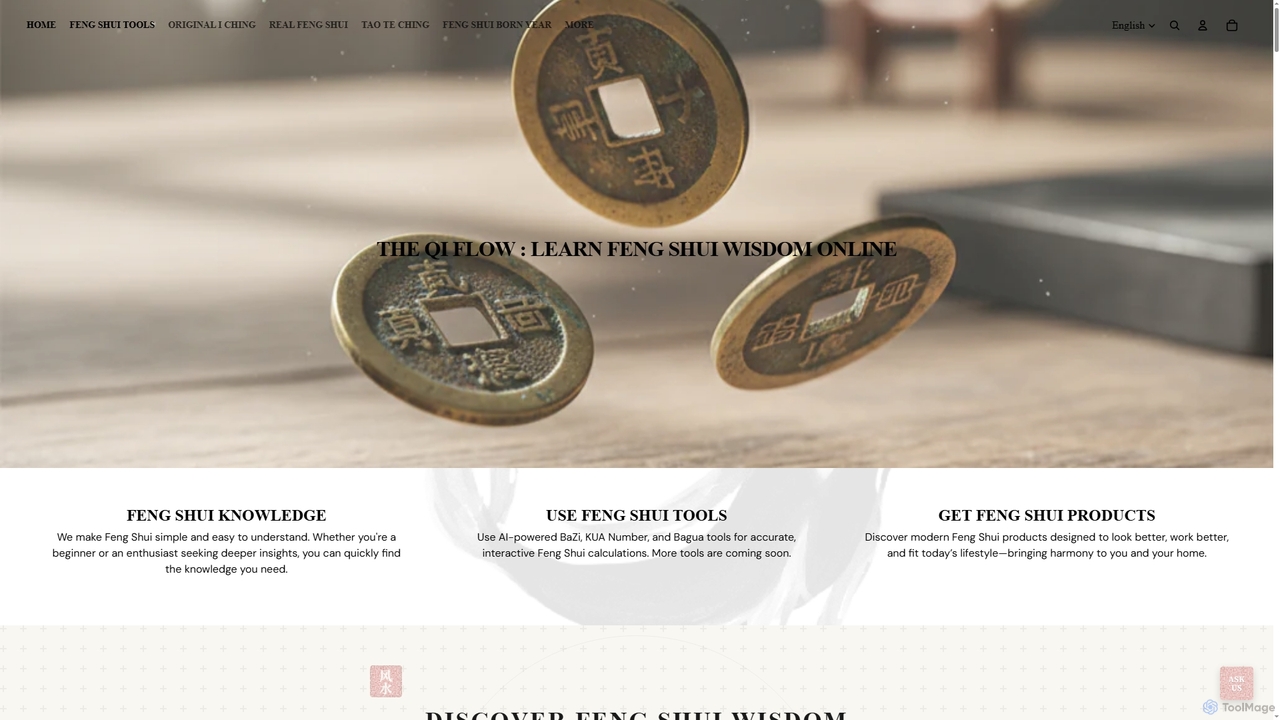
The Qi Flow

The Qi Flow

The Qi Flow is an advanced online platform offering authentic Feng Shui wisdom and AI-powered tools for personal …

62.6K
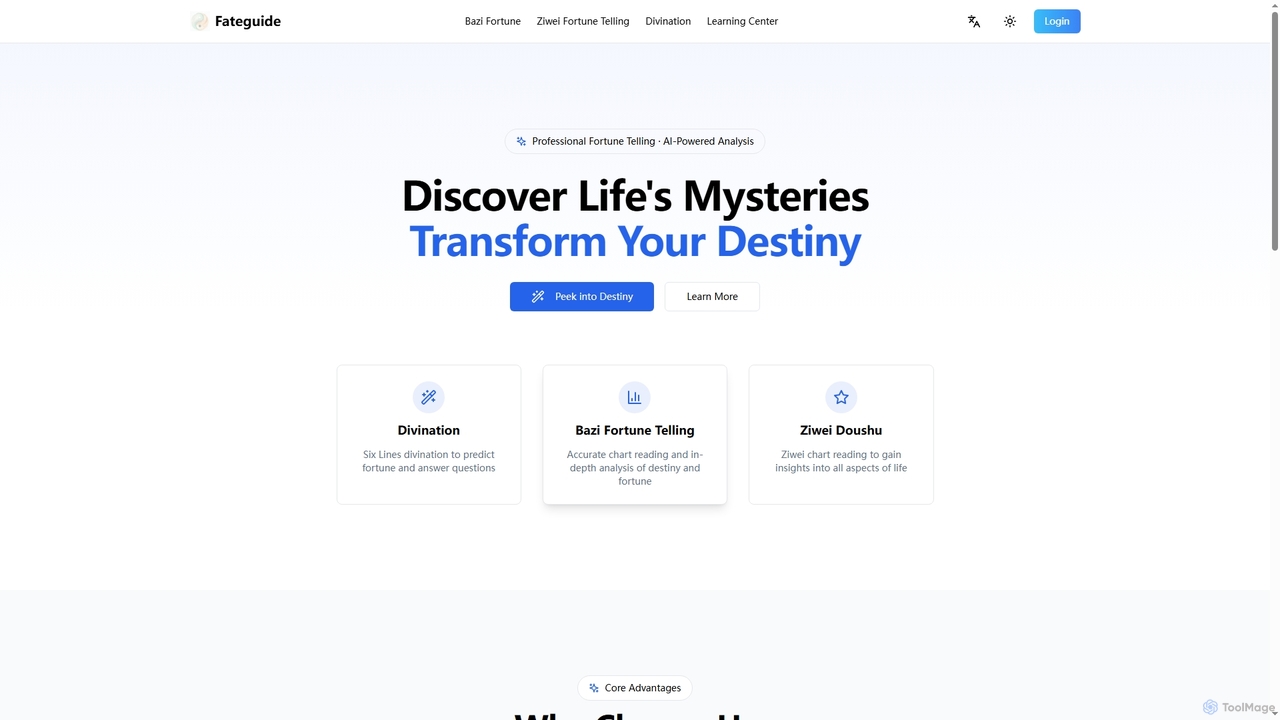
Suanmingzhun

Suanmingzhun

Suanmingzhun is an AI-powered online platform dedicated to traditional Chinese metaphysics, offering professional Bazi fortune telling, Ziwei Doushu, …

3.0K
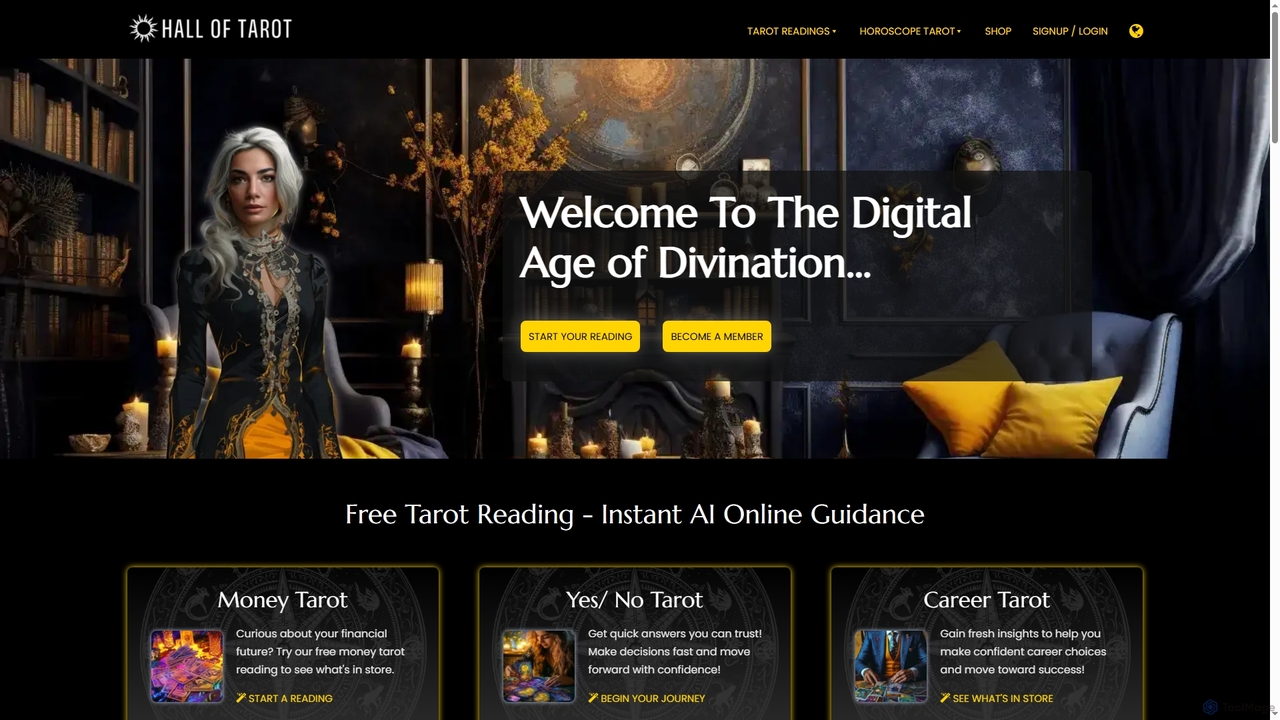
HallofTarot

HallofTarot

HallofTarot offers free, AI-powered online tarot readings for instant, personalized guidance across various life aspects like love, career, …

14.0K
Jeffrey Célavie

Jeffrey Célavie

Jeffrey Célavie is a revolutionary AI astrology platform (AstroGPT) that combines Western, Vedic, and Chinese astrology to provide …

3.0K

About Spirituality

Spirituality AI tools are applications that leverage artificial intelligence to support personal spiritual exploration, mindfulness, and self-discovery. These tools often use natural language processing (NLP) and generative models trained on vast datasets of spiritual texts, astrological data, and symbolic systems. They provide users with personalized insights, guided meditations, and interpretations of complex spiritual concepts. This technology offers a modern, accessible way to engage with ancient wisdom and contemplative practices.

Core Features

  • Personalized Readings: Generates detailed reports for astrology, numerology, or tarot based on user input like birth data or specific questions.
  • Guided Meditation Creation: Creates custom audio or text-based meditation scripts tailored to user goals such as stress relief or focus.
  • Dream Interpretation: Analyzes descriptions of dreams to offer potential symbolic meanings and psychological insights based on established theories.
  • Spiritual Journal Analysis: Uses NLP to identify recurring themes, emotional patterns, and key insights from personal journal entries.
  • Sacred Text Exploration: Provides an interactive Q&A interface to explore and understand complex religious or philosophical texts.

Use Cases

These tools are primarily used by individuals on a path of self-discovery, mindfulness practitioners seeking new resources, and students of spiritual traditions like astrology or tarot. For example, a user might generate a daily tarot reading for reflection, or a meditation teacher could create a series of customized mindfulness exercises for their students.

How to Choose

When selecting a Spirituality AI tool, consider its specific focus—does it align with your interests (e.g., astrology, meditation, dream work)? Evaluate the level of personalization and the quality of the insights provided. Pay close attention to the platform's data privacy policy, as you may be sharing sensitive personal information. Finally, determine if the tool is positioned for serious guidance or for entertainment and exploration.

SpiritualityUse Cases

1

Generate a Personalized Astrology Birth Chart

An individual curious about astrology wants to understand their natal chart. They use an AI Spirituality tool by inputting their exact birth date, time, and location. The AI processes this data against astronomical databases and astrological principles to generate a comprehensive report. This report details their sun, moon, and rising signs, the positions of planets in various houses, and significant aspects, along with interpretations of how these placements may influence their personality, strengths, and challenges. This provides a structured and accessible entry point into complex astrological concepts.

2

Receive a Daily AI Tarot Card Reading

A user seeking daily guidance or a point for reflection opens a spirituality app each morning. They use the AI tarot feature to draw a 'card of the day'. The AI selects a card from a digital deck and provides a detailed interpretation. This interpretation often covers the card's upright meaning, potential challenges (reversed meaning), and a reflective question to consider throughout the day. This practice helps the user cultivate mindfulness and introspection by focusing their attention on a specific theme or archetype each day, turning a complex esoteric system into a simple, daily habit.

3

Create Custom Guided Meditation Scripts

A mindfulness coach or therapist needs to create tailored meditation content for their clients. They use a generative AI tool, inputting specific parameters such as the meditation's goal (e.g., 'reducing anxiety before sleep'), duration (e.g., '10 minutes'), and key themes or imagery (e.g., 'calm beach, gentle waves'). The AI then generates a complete, coherent meditation script with pacing cues and vocal instructions. The coach can then record this script themselves or use an AI voice generator, saving significant time compared to writing from scratch and allowing for highly personalized content for each client's needs.

4

Interpret a Recent Dream for Self-Reflection

A person who had a vivid or confusing dream wants to explore its potential meaning. They access an AI dream interpretation tool and write a detailed description of the dream, including characters, settings, actions, and emotions felt. The AI, trained on psychological theories (like Jungian or Freudian analysis) and vast databases of dream symbols, analyzes the text. It then provides a report suggesting possible interpretations, identifying key symbols (e.g., 'flying' might symbolize freedom), and posing reflective questions to help the user connect the dream's themes to their waking life. This serves as a private, on-demand tool for introspection.

5

Analyze Spiritual Journal Entries for Patterns

A user maintains a digital journal to document their spiritual journey, thoughts, and emotional states. To gain deeper insights, they use an AI analysis tool connected to their journal. They upload their entries or grant the tool access. The AI's natural language processing (NLP) capabilities scan the text to identify recurring emotional patterns (e.g., spikes in anxiety on certain days), frequently mentioned themes or questions (e.g., 'purpose', 'connection'), and shifts in sentiment over time. The tool presents these findings in visual charts and summaries, helping the user see their progress and areas for further reflection in a way that is difficult to achieve through manual reading alone.

6

Explore Sacred Texts with an AI Assistant

A student of philosophy or religion is studying a complex text like the Vedas or the Tao Te Ching. Instead of relying solely on traditional commentaries, they use an AI-powered exploration tool. They can ask specific questions in natural language, such as 'What are the core principles of Wu Wei in the Tao Te Ching?' or 'Compare the concept of Atman in the Upanishads with the concept of Anatta in Buddhism.' The AI, trained on these texts and scholarly interpretations, provides concise, synthesized answers with references to specific verses. This allows for a more dynamic and inquiry-driven learning process than static reading.

SpiritualityFrequently Asked Questions