Startup Best in category 1 results Business Modeling AI Tool

Popular AI tools in the Business Modeling field of Startup include Aallie, etc., helping you quickly improve efficiency.

Aallie

Aallie

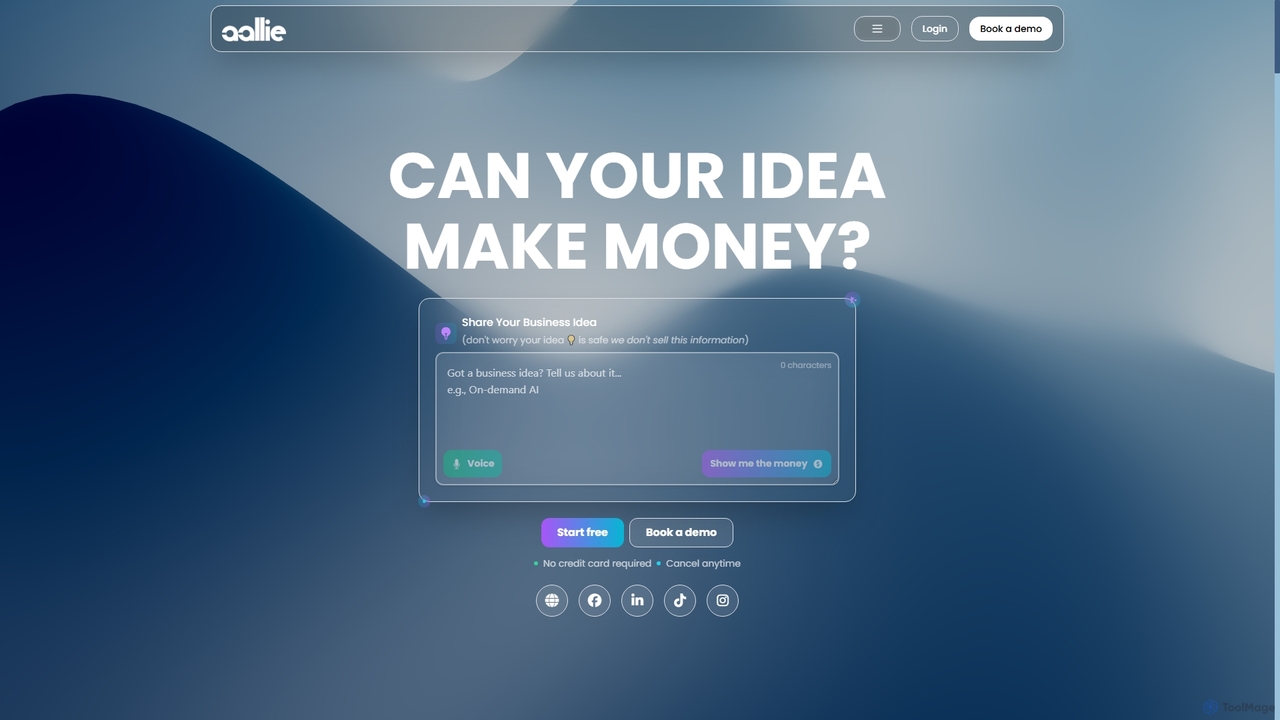
Aallie is an AI-powered financial modeling tool designed for startups and growing businesses. It helps entrepreneurs quickly assess …

3.7K

About Business Modeling

Business Modeling tools are AI-powered platforms designed to simulate, analyze, and optimize various aspects of a business's operations, finances, and market strategies. Leveraging advanced algorithms and data analytics, these tools provide dynamic insights into potential outcomes, risks, and opportunities. They enable startups and established companies to make data-driven decisions, test hypotheses, and refine their strategic plans before committing resources.

Core Features

  • Financial Forecasting: Generate accurate revenue, expense, and cash flow projections based on historical data and market trends.
  • Scenario Planning: Simulate multiple "what-if" scenarios to understand the impact of different variables on business performance.
  • Market Analysis: Analyze market size, segmentation, and competitive landscapes to identify growth opportunities.
  • Resource Optimization: Model optimal allocation of capital, personnel, and operational resources for maximum efficiency.
  • Risk Assessment: Identify and quantify potential business risks, such as market volatility or operational bottlenecks, and model mitigation strategies.

Applicable Scenarios

These tools are invaluable for startup founders developing initial business plans, strategists evaluating new market entries, and financial analysts performing due diligence. They support decision-making in product development, marketing campaign planning, and investment analysis, providing a clear, data-backed view of potential business trajectories.

How to Choose

When selecting a Business Modeling AI tool, consider its data integration capabilities with existing systems, the flexibility and customization of its models, and the accuracy of its predictive analytics. Evaluate the user interface for ease of use, the depth of its reporting features, and its scalability to grow with your business needs. Support for specific industry models can also be a crucial differentiator.

Business ModelingUse Cases

1

Financial Projection for Seed Funding

Startup founders utilize AI business modeling tools to generate comprehensive 5-year financial forecasts, including detailed revenue streams, operational expenses, and cash flow statements. This enables them to present robust, data-backed projections to potential investors, demonstrating viability and growth potential for securing seed or Series A funding.

2

Market Entry Strategy Simulation

A new tech startup employs these tools to simulate various market entry strategies, analyzing potential market share, customer acquisition costs, and profitability under different competitive scenarios. This helps in identifying the most viable and least risky path to launch a product or service in a new geographical or vertical market.

3

Product Pricing Optimization

E-commerce businesses or SaaS companies leverage AI models to analyze competitor pricing, customer willingness to pay, and internal cost structures. The tools recommend optimal pricing strategies for new products or subscription tiers, aiming to maximize revenue and customer lifetime value while maintaining competitiveness.

4

Resource Allocation for Growth

Growing companies use business modeling AI to optimize the allocation of critical resources such as marketing budgets, sales team capacity, and R&D investments. By simulating the impact of different resource distributions, they can identify the most efficient ways to fuel expansion and achieve strategic growth targets.

5

Risk Assessment for New Ventures

Entrepreneurs and corporate innovators apply AI modeling to identify and quantify potential risks associated with launching a new business idea or product line. This includes simulating the impact of market volatility, supply chain disruptions, or regulatory changes, allowing for proactive development of mitigation strategies and contingency plans.

6

Business Model Validation and Iteration

Startups can validate their proposed business models by simulating key metrics like customer acquisition funnels, churn rates, and customer lifetime value. This iterative process helps refine core assumptions, identify potential bottlenecks, and optimize the overall business model before significant investment or market launch.

Business ModelingFrequently Asked Questions