Business Best in category 3 results Financial Planning AI Tool

Popular AI tools in the Financial Planning field of Business include OneStream、CandorIQ、Aallie, etc., helping you quickly improve efficiency.

Aallie

Aallie

Aallie is an AI-powered financial modeling tool designed for startups and growing businesses. It helps entrepreneurs quickly assess …

3.9K
OneStream

OneStream

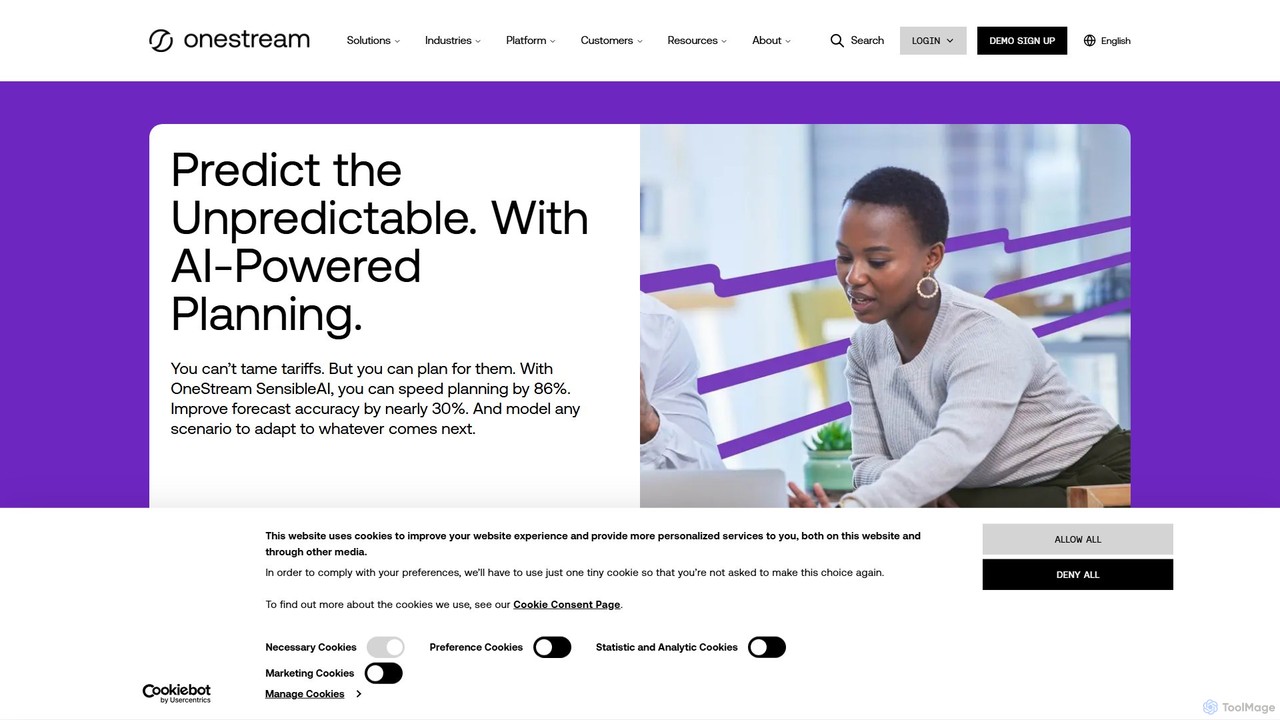
OneStream is an intelligent finance platform for enterprise-level Corporate Performance Management (CPM). It unifies financial consolidation, planning, reporting, …

153.6K
CandorIQ

CandorIQ

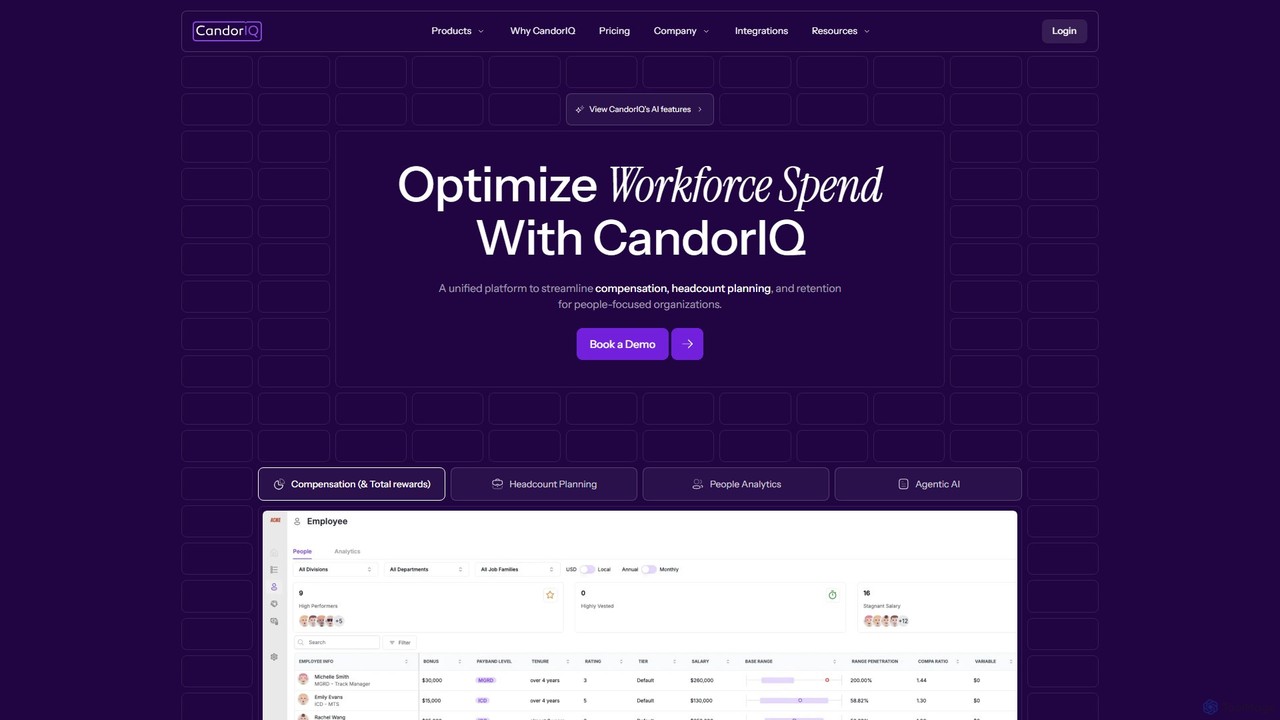
CandorIQ is a unified, AI-powered platform designed to streamline compensation management, headcount planning, and employee retention. It empowers …

12.7K

About Financial Planning

Financial Planning AI tools are advanced software solutions that leverage artificial intelligence to assist individuals and businesses in managing their finances, setting financial goals, and making informed investment decisions. These tools utilize machine learning algorithms to analyze vast amounts of financial data, predict market trends, and personalize financial advice. They empower users to optimize savings, plan for retirement, and navigate complex financial landscapes with greater clarity and efficiency, fitting within the broader category of Business AI tools.

Core Features

  • Automated Budgeting & Expense Tracking: Automatically categorizes transactions, tracks spending habits, and provides real-time budget insights.
  • Investment Analysis & Portfolio Optimization: Analyzes market data, assesses risk tolerance, and recommends personalized investment strategies or portfolio rebalancing.
  • Retirement & Goal Planning: Projects future financial needs, models various scenarios, and suggests optimal savings contributions for long-term goals like retirement or education.
  • Debt Management & Repayment Strategies: Evaluates existing debts, calculates optimal repayment plans, and helps users minimize interest payments.
  • Cash Flow Forecasting: Predicts future income and expenses for individuals or businesses, aiding in liquidity management and proactive financial decision-making.

Applicable Scenarios

Individuals seeking to improve personal wealth management, small business owners needing robust cash flow predictions, and financial advisors looking to enhance client service can all benefit. These tools are used for everything from daily spending optimization to complex long-term investment strategies and tax planning.

How to Choose

When selecting a Financial Planning AI tool, consider the breadth of its features (e.g., budgeting, investing, debt management), the sophistication and transparency of its AI models, its data security protocols, and its integration capabilities with existing banking or investment platforms. User interface and customization options are also crucial for a personalized experience.

Financial PlanningUse Cases

1

Automated Personal Budgeting and Expense Management

Individuals seeking better control over their finances can use AI financial planning tools to automatically categorize their spending across various accounts. The AI identifies spending patterns, flags unusual transactions, and provides real-time alerts when approaching budget limits. This helps users adhere to their financial goals, identify areas for saving, and gain a clear overview of their cash flow without manual data entry.

2

Optimized Investment Portfolio Management

Investors, from beginners to experienced, can leverage AI financial planning tools to analyze market data, assess their risk tolerance, and receive personalized investment recommendations. These tools can monitor portfolio performance, suggest rebalancing strategies based on market shifts or personal goals, and even execute trades automatically, aiming to maximize returns while managing risk effectively.

3

Comprehensive Retirement and Long-Term Goal Planning

Individuals and families can use AI tools to project their financial needs for retirement, children's education, or purchasing a home. By inputting current savings, income, and desired timelines, the AI models various market scenarios and inflation rates to provide realistic projections and suggest optimal savings rates or investment adjustments to achieve these long-term financial milestones.

4

Efficient Debt Management and Repayment Strategies

Individuals struggling with multiple debts (credit cards, loans) can utilize AI financial planning tools to analyze interest rates, minimum payments, and outstanding balances across all their liabilities. The AI then recommends the most efficient repayment strategy, such as the debt snowball or avalanche method, to minimize total interest paid and accelerate the path to becoming debt-free, providing a clear action plan.

5

Small Business Cash Flow Forecasting and Optimization

Small business owners can deploy AI financial planning tools to gain predictive insights into their company's cash flow. By integrating with accounting software, the AI analyzes historical revenue and expenses, predicts future inflows and outflows, and identifies potential liquidity gaps or surplus opportunities. This enables proactive decision-making regarding investments, inventory, or operational adjustments, ensuring financial stability.

6

Personalized Tax Planning and Optimization

Individuals and self-employed professionals can use AI financial planning tools to streamline their tax preparation and identify optimization opportunities. The AI can analyze income, expenses, and investment gains/losses to suggest eligible deductions, credits, and optimal tax-saving strategies. This helps users ensure compliance while minimizing their tax liability and avoiding costly errors, simplifying a complex annual task.

Financial PlanningFrequently Asked Questions