Human Resources Best in category 3 results Compensation Management AI Tool

Popular AI tools in the Compensation Management field of Human Resources include CompUp、CandorIQ、INOP.AI, etc., helping you quickly improve efficiency.

CandorIQ

CandorIQ

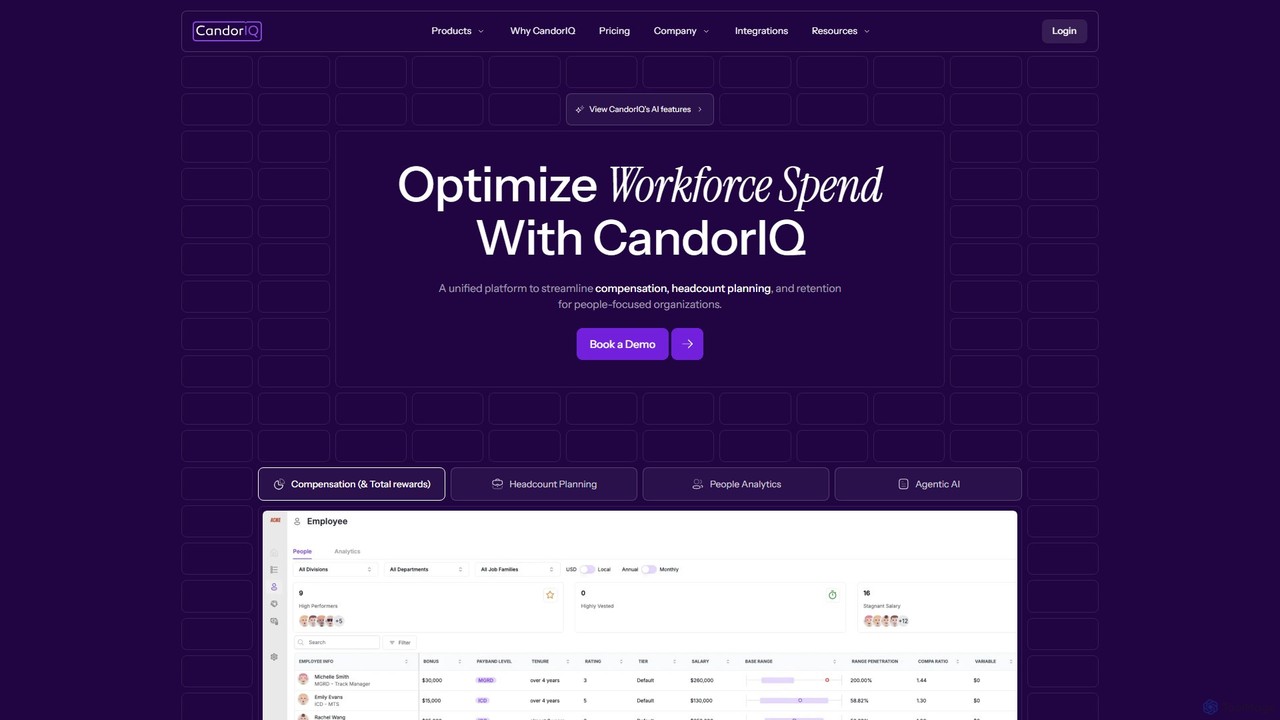
CandorIQ is a unified, AI-powered platform designed to streamline compensation management, headcount planning, and employee retention. It empowers …

12.5K
INOP.AI

INOP.AI

INOP.AI is an AI-powered workforce intelligence platform for strategic planning, talent screening, and compensation analytics. It helps businesses …

6.2K
CompUp

CompUp

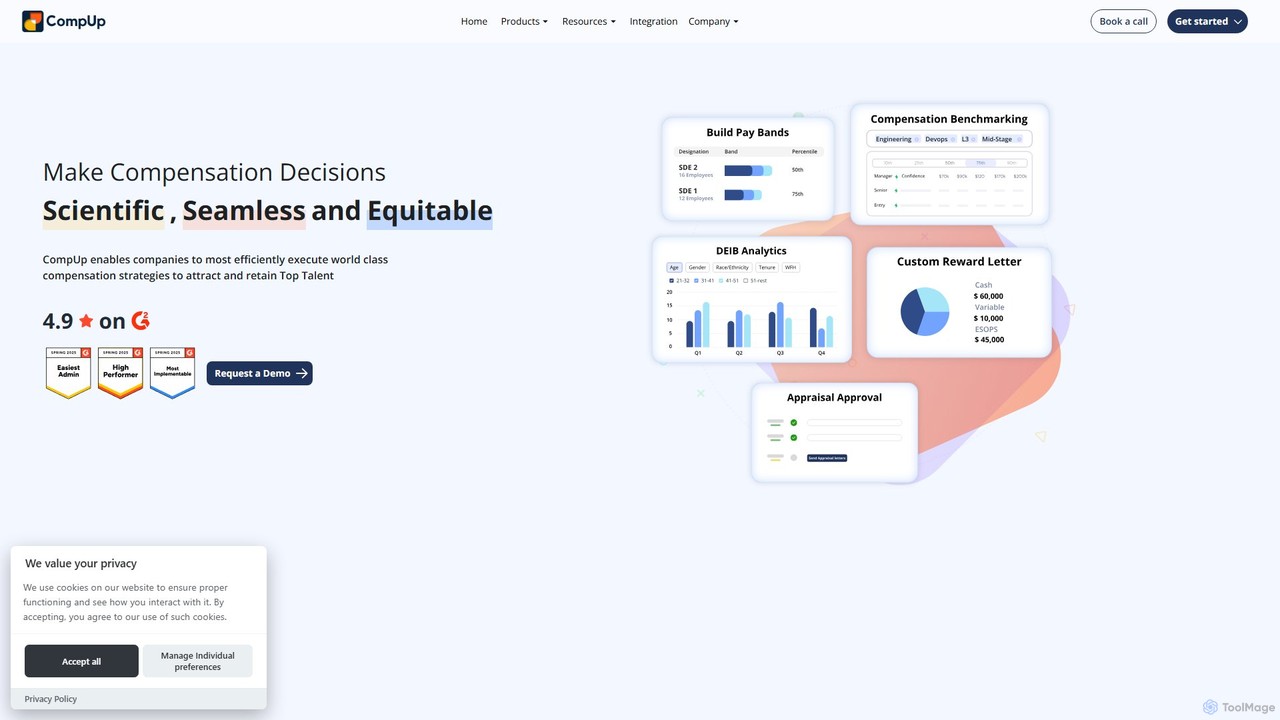
CompUp is a full-stack AI-powered compensation management platform designed to help businesses make scientific, seamless, and equitable pay …

21.7K

About Compensation Management

Compensation Management tools are specialized AI platforms for designing, analyzing, and administering employee pay structures. These tools leverage real-time market data and predictive analytics to help organizations create competitive and equitable salary bands, bonus plans, and equity packages. They streamline complex processes like annual salary reviews and pay equity audits, enabling data-driven decisions that attract and retain top talent while ensuring internal fairness and budget control. This strategic function within Human Resources moves beyond simple payroll processing to focus on the art and science of total rewards.

Core Features

  • Salary Benchmarking: Compares internal pay rates against real-time, industry-specific market data to ensure competitiveness.
  • Compensation Modeling: Simulates the financial impact of various pay scenarios, such as merit increases, bonus payouts, or new salary structures.
  • Pay Equity Analysis: Uses AI to identify and flag statistically significant pay disparities based on gender, ethnicity, or other demographics.
  • Incentive Plan Management: Automates the design, calculation, and administration of variable pay, including sales commissions and performance bonuses.
  • Total Rewards Visualization: Generates personalized statements that show employees the full value of their compensation, including salary, benefits, and equity.

Applicable Scenarios

These tools are essential for HR departments, compensation analysts, and business leaders in competitive industries like tech, finance, and professional services. They are frequently used during annual salary review cycles, when designing new incentive plans for sales teams, or while conducting mandatory pay equity audits to comply with local regulations. Growing companies also use them to establish formal salary structures that can scale effectively.

Selection Criteria

When choosing a Compensation Management tool, prioritize its integration capabilities with your existing HRIS and payroll systems. Evaluate the quality, source, and recency of its market benchmark data. Assess its flexibility to model complex and custom compensation rules, especially for variable pay and equity. Finally, consider its reporting features for compliance with pay transparency laws and for providing clear insights to leadership.

Compensation ManagementUse Cases

1

Design Competitive Salary Bands for Tech Roles

A Human Resources Manager at a fast-growing tech startup needs to hire multiple software engineers. Using a compensation management tool, they access real-time salary benchmark data for specific roles, experience levels, and geographic locations. The platform allows them to model different salary band structures, balancing competitiveness to attract top talent with internal budget constraints. The result is a data-backed, equitable salary framework that reduces negotiation time and improves offer acceptance rates.

2

Automate the Annual Salary Review Cycle

A compensation analyst at a large corporation is tasked with managing the annual merit increase process for 5,000 employees. Instead of using complex spreadsheets, they use a compensation management platform. They upload performance ratings and budget allocations. The AI-powered tool then recommends merit increases for each employee based on performance, position in their salary band, and internal equity. Managers can review and approve these recommendations within the platform, saving hundreds of administrative hours and ensuring a consistent, fair process across the organization.

3

Conduct a Proactive Pay Equity Audit

A Chief People Officer wants to ensure their company offers fair pay regardless of gender or ethnicity. They use a compensation management tool to conduct a pay equity analysis. The system analyzes salary data alongside employee demographics, roles, and performance metrics. It flags statistically significant pay gaps and identifies specific groups or departments where disparities exist. This allows the HR team to make targeted adjustments and demonstrate a commitment to fairness, reducing legal risk and improving employee morale.

4

Model and Launch a New Sales Commission Plan

A sales operations manager needs to design a new commission structure to motivate their team to pursue larger deals. Using a compensation modeling tool, they can create and compare multiple scenarios. They can adjust commission rates, add accelerators for over-performance, and set different targets. The tool instantly calculates the total projected cost for each plan under various sales forecasts. This data-driven approach helps them select the most effective and financially sound plan, which can then be rolled out and managed directly within the platform.

5

Manage Employee Equity and Stock Options

A finance team at a pre-IPO company uses a compensation platform to manage its employee stock option pool. The tool automates the tracking of grant approvals, vesting schedules, and potential tax implications for employees. It provides a clear dashboard for both administrators and employees to view the current and potential future value of their equity. This transparency helps employees understand the value of their total compensation package and is crucial for maintaining accurate records for audits and financial reporting.

6

Generate Personalized Total Rewards Statements

An HR business partner wants to improve employee understanding of their full compensation package beyond just their base salary. Using a compensation management tool, they generate personalized 'Total Rewards Statements' for each employee. These statements visually break down salary, potential bonuses, the company's contribution to health insurance and retirement plans, and the value of any stock options. This helps increase employee appreciation and retention by clearly communicating the comprehensive value the company provides.

Compensation ManagementFrequently Asked Questions