ToolMage
Sign in

Best 2 Benefits Administration AI tools for Human Resources

Popular Benefits Administration AI tools in Human Resources include Newfront and Angle Health, helping you work more efficiently.

Angle Health
Paid

Angle Health

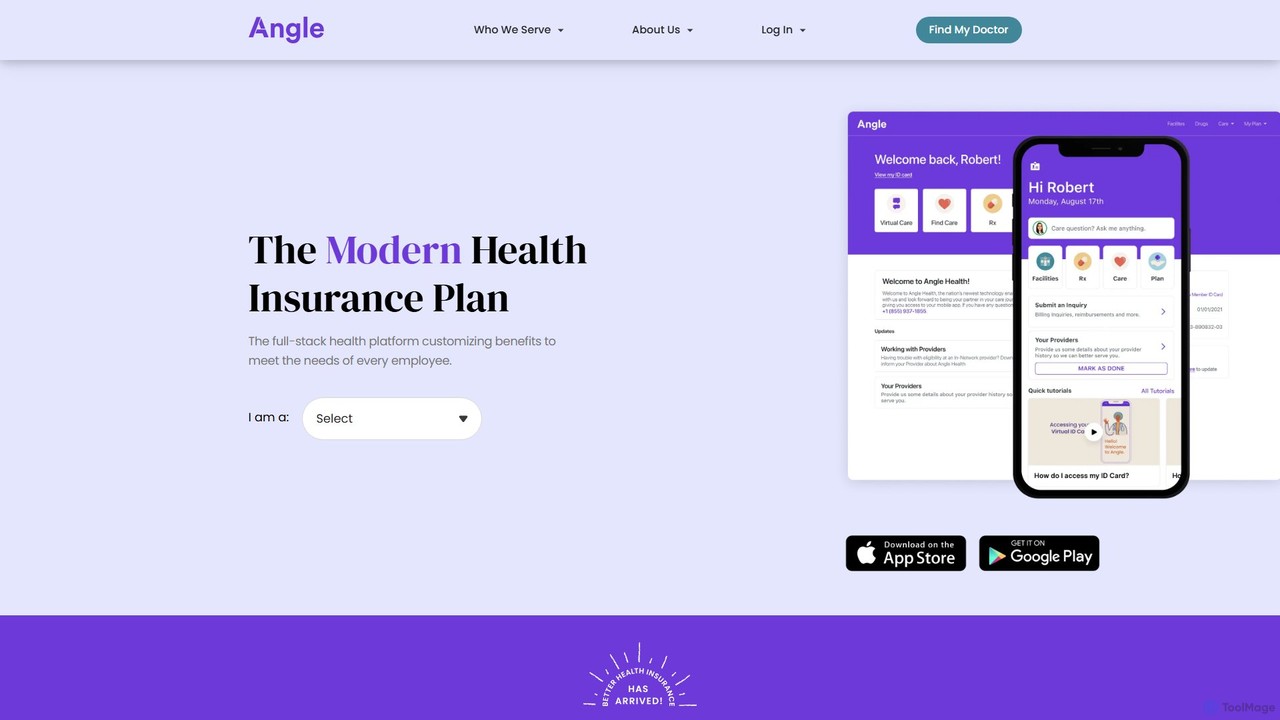
Angle Health is an AI-enabled, full-stack health insurance platform for employers. It simplifies benefits administration, offers customizable health plans, and enhances employee care through a modern, digital-first experience. By integrating with existing HR systems, it provides rapid quotes and personalized member support, making comprehensive healthcare more accessible and manageable for businesses of all sizes.

Insurance
Visits 19.1KFavorites 108Likes 125
Newfront
Paid

Newfront

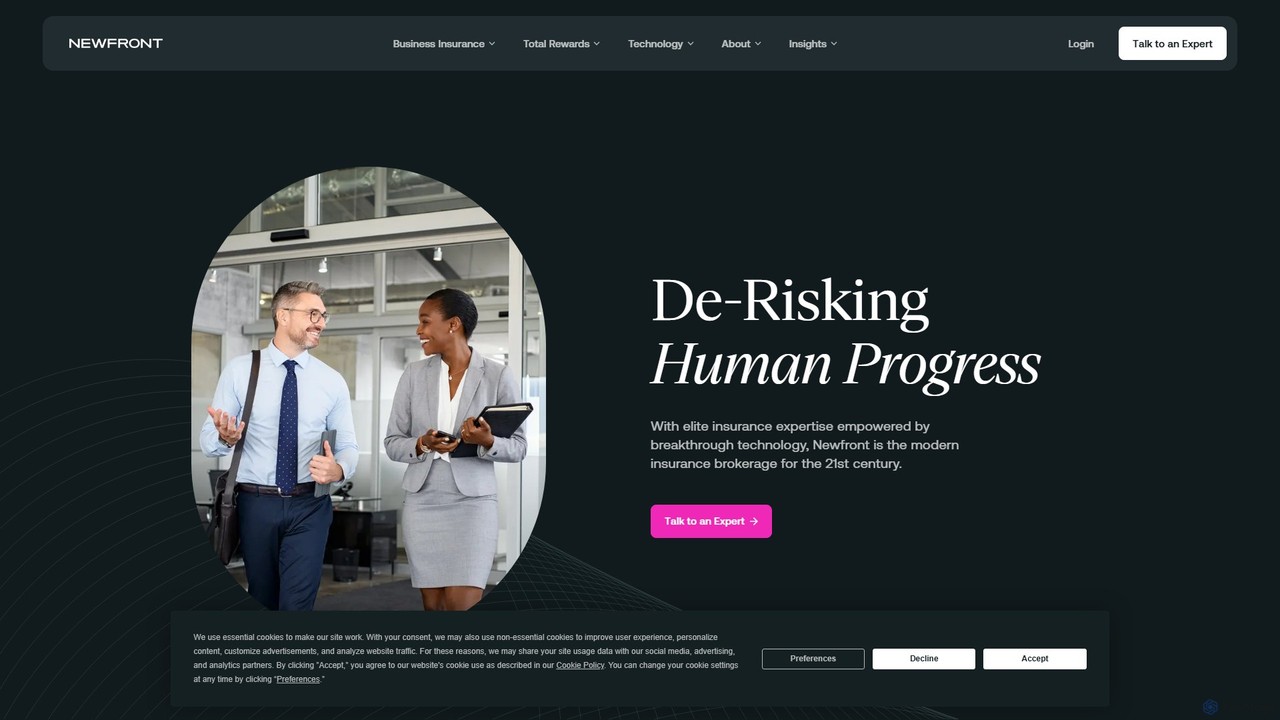
Newfront is a modern insurance brokerage that integrates elite advisory services with a proprietary AI-powered platform. It streamlines business insurance, employee benefits, and risk management for companies of all sizes. The platform provides clients with 24/7 access to their data, predictive analytics for better decision-making, and automated processes to save time and reduce costs, effectively de-risking business growth.

Risk Management
Visits 33.8KFavorites 146Likes 153

About Benefits Administration

Benefits Administration tools are AI-powered platforms designed to automate and manage employee benefits programs. These systems leverage AI to streamline processes like enrollment, eligibility tracking, and compliance monitoring, moving beyond simple data management. They provide personalized benefit recommendations to employees and offer instant support through intelligent chatbots, significantly reducing the administrative burden on HR teams. This allows companies to offer competitive benefits packages while ensuring accuracy and efficiency in their management.

Core Features

  • Automated Enrollment & Eligibility: Manages employee sign-ups, life event changes, and eligibility verification automatically.
  • AI-Powered Plan Recommendations: Suggests optimal health, retirement, and other benefit plans based on individual employee data.
  • Compliance Management: Continuously monitors and updates plans to align with changing local, state, and federal regulations.
  • 24/7 Benefits Chatbot: Provides employees with instant, accurate answers to their questions about coverage and policies.
  • Analytics & Cost Reporting: Generates detailed reports on benefits utilization, program costs, and employee engagement trends.

Applicable Scenarios

These tools are essential for HR departments in businesses of all sizes. They are particularly critical for companies managing complex, multi-tiered benefits plans or operating in multiple jurisdictions with varying regulations. Key use cases include simplifying the annual open enrollment period, onboarding new hires with personalized benefits guidance, and ensuring ongoing ACA or other legal compliance.

Selection Criteria

When choosing a Benefits Administration tool, evaluate its integration capabilities with your existing HRIS and payroll systems. Assess the level of customization available for your specific benefit plans and carriers. Prioritize platforms with an intuitive self-service portal for employees and robust, automated compliance and reporting features to minimize legal risks.

Benefits Administration use cases

1

Streamlining Annual Open Enrollment

An HR manager at a mid-sized tech company prepares for the annual open enrollment period. Using an AI Benefits Administration tool, they set up the enrollment window, configure plan options, and schedule automated email reminders. When enrollment opens, employees use a self-service portal where an AI chatbot answers common questions about deductibles and provider networks. The system also provides personalized plan comparisons based on each employee's past healthcare usage. This process reduces HR support tickets by over 70% and significantly shortens the time employees spend making decisions.

2

Personalizing Benefits for New Hires

During the onboarding process, a new employee is prompted to enter their personal information, such as age, family status, and location, into the benefits portal. The AI engine analyzes this data and cross-references it with available plans. It then presents a ranked list of recommended health, dental, and retirement plans, explaining why each option is a good fit. For example, it might highlight a family plan for an employee with dependents or a high-deductible plan for a young, single individual. This guidance helps new hires make informed choices quickly and feel more confident in their selections.

3

Automating Compliance and Reporting

A benefits specialist at a national retailer needs to ensure compliance with the Affordable Care Act (ACA) across multiple states. The Benefits Administration platform is configured to automatically track employee hours and eligibility status. At the end of the year, the system generates the necessary 1095-C forms for all eligible employees and prepares the 1094-C transmittal for IRS submission. The AI also flags any employees who are approaching eligibility thresholds, allowing the specialist to take proactive measures. This automation saves hundreds of hours of manual data compilation and reduces the risk of costly compliance penalties.

4

Managing Employee Life Event Changes

An employee recently got married and needs to add their spouse to their health insurance plan. Instead of filling out paperwork, they log into the self-service benefits portal. They select 'Life Event - Marriage,' upload a digital copy of their marriage certificate, and choose the new plan. The AI system automatically verifies the document, calculates the prorated premium change, and sends the updated information to the insurance carrier and the company's payroll system. The entire process is completed in minutes without any direct intervention from the HR team, ensuring accuracy and immediate updates.

5

Analyzing Benefits Program Effectiveness

An HR director wants to assess the return on investment (ROI) of their company's wellness benefits. Using the analytics dashboard in their Benefits Administration tool, they can view real-time data on program enrollment, utilization rates for services like gym memberships and mental health apps, and overall cost trends. The AI can identify patterns, such as low usage of a high-cost benefit, and suggest alternative options that are more popular among similar employee demographics. This data-driven approach allows the director to optimize the benefits budget and tailor offerings to better meet employee needs.

6

Providing 24/7 Support with a Benefits Chatbot

An employee working a late shift has a question about their dental plan coverage for an upcoming procedure. Instead of waiting for HR to be available during business hours, they open the company's benefits portal and interact with the AI chatbot. They ask, 'Is orthodontics covered for adults?' The chatbot instantly scans the plan documents and provides a clear, concise answer, including coverage percentages and any prerequisites. This immediate access to information improves employee satisfaction and empowers them to manage their own benefits inquiries, freeing up the HR team to focus on more strategic tasks.

Benefits Administration FAQ

What are AI-powered Benefits Administration tools?

AI-powered Benefits Administration tools are specialized software platforms that automate and enhance the management of employee benefits. Unlike traditional systems that simply store data, these tools use artificial intelligence to actively assist in decision-making, compliance, and employee support. Key AI-driven features include personalized plan recommendations based on employee profiles, 24/7 chatbots to answer benefits questions, and proactive compliance alerts that monitor changing regulations. Their primary goal is to reduce administrative workload for HR teams while improving the employee experience with benefits.

How to choose the right Benefits Administration tool?

Choosing the right tool involves evaluating several key factors. First, consider its integration capabilities with your existing HRIS, payroll, and accounting software to ensure seamless data flow. Second, assess the platform's user experience for both administrators and employees; a simple, intuitive self-service portal is crucial. Third, verify its compliance features to ensure it can handle complex regulations like ACA, COBRA, and local laws automatically. Finally, evaluate the level of customization and support offered to ensure the tool can adapt to your company's unique benefits plans and provide help when needed.

What's the difference between Benefits Administration software and a full HRIS suite?

The main difference lies in focus and depth. A Benefits Administration tool is a specialized platform dedicated solely to managing all aspects of employee benefits, often offering deep functionality in compliance, carrier connections, and plan modeling. A full Human Resources Information System (HRIS) is a broader, all-in-one platform that covers multiple HR functions like payroll, recruiting, time tracking, and performance management, with benefits administration being just one module. While an HRIS provides a single system for all HR data, a dedicated benefits tool typically offers more advanced features and greater flexibility specifically for managing complex benefits programs.

What key features should I look for in a Benefits Administration platform?

When evaluating platforms, prioritize these core features:

  • Employee Self-Service Portal: An intuitive interface for employees to view, compare, and enroll in benefits without HR assistance.
  • Automated Compliance: Tools that automatically track eligibility and generate necessary reports for regulations like ACA and COBRA.
  • Carrier Connectivity: Seamless, automated data exchange with your insurance carriers to ensure enrollment information is always up-to-date.
  • AI-Powered Decision Support: Features that recommend personalized plans to employees based on their unique data and needs.
  • Robust Reporting & Analytics: Dashboards that provide clear insights into benefits costs, enrollment trends, and program utilization.
Who are the primary users of Benefits Administration tools?

There are two main user groups for these tools. The primary administrators are HR professionals, such as Benefits Specialists, HR Generalists, and HR Directors. They use the platform to configure plans, manage enrollment periods, ensure compliance, and analyze program data. The second, and equally important, user group is the employees. They interact with the tool through a self-service portal to learn about their options, enroll in plans, make changes due to life events, and get answers to their benefits questions, often with the help of an integrated AI chatbot.