Startup Tools Best in category 2 results Business Planning AI Tool

Popular AI tools in the Business Planning field of Startup Tools include Frederick、Cove, etc., helping you quickly improve efficiency.

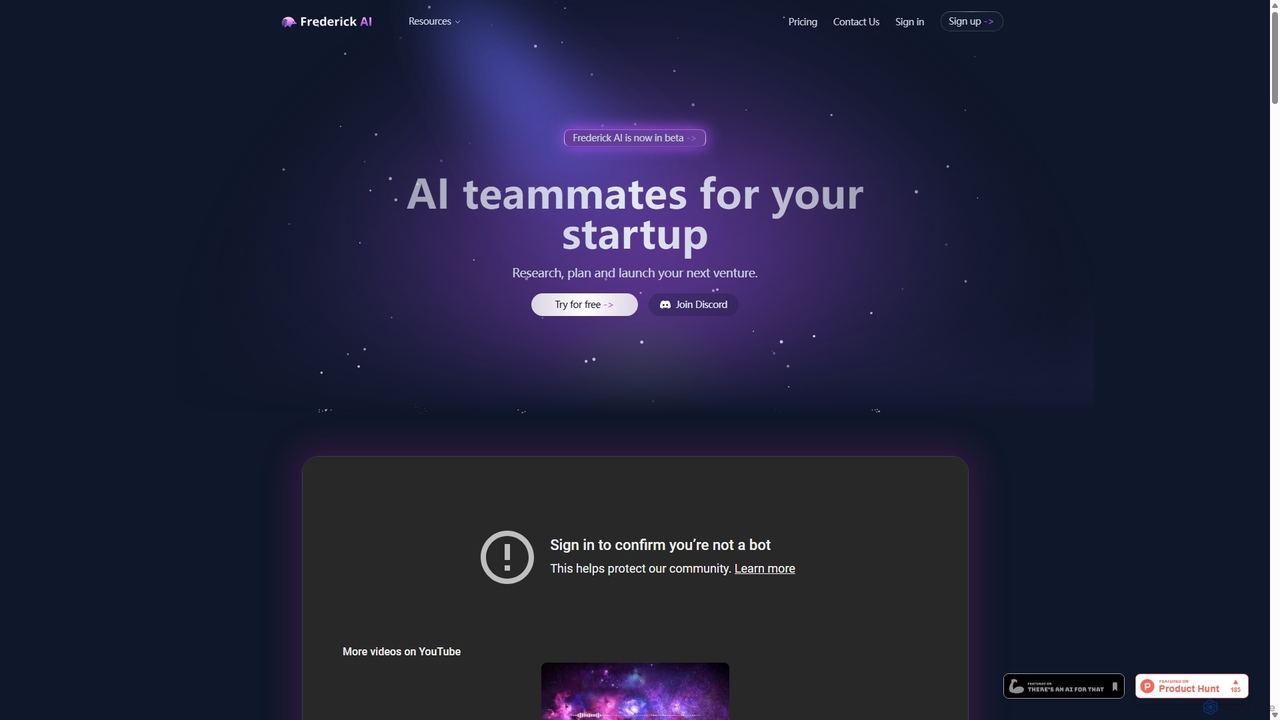
Frederick

Frederick

Frederick is an AI-powered platform designed as an AI teammate for startups. It assists founders in researching ideas, …

27.0K
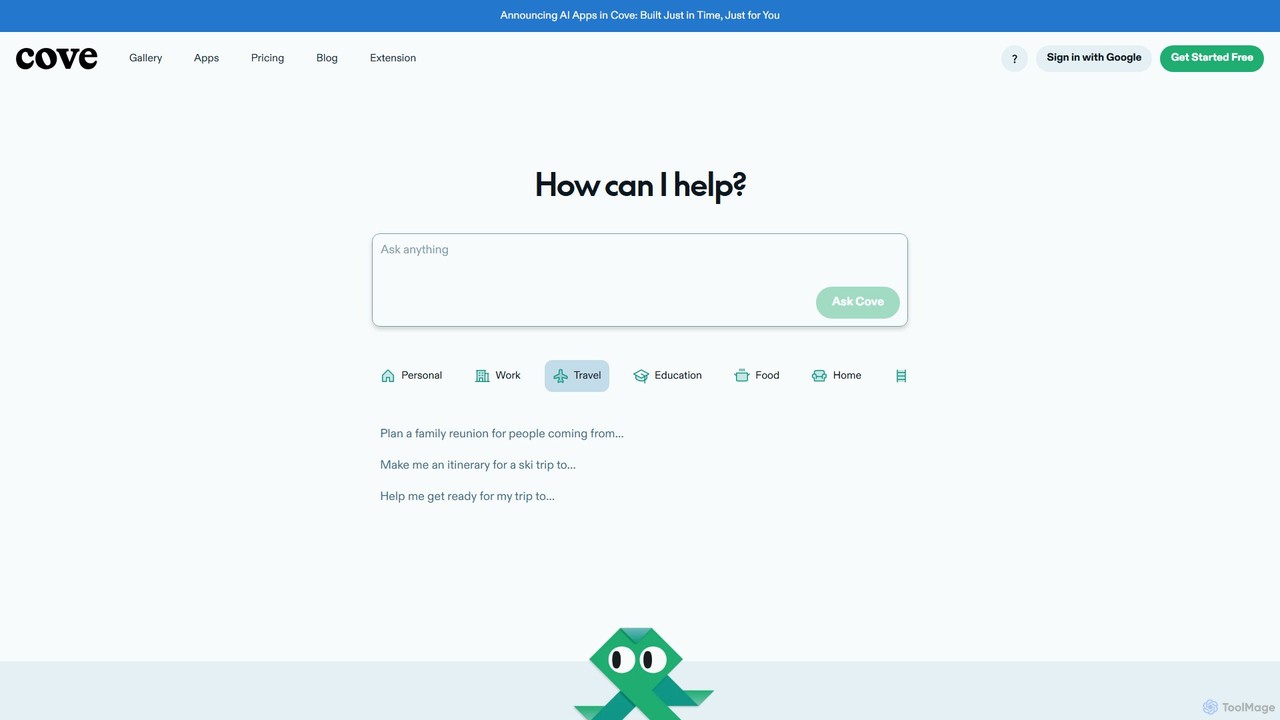
Cove

Cove

Cove is an AI-powered collaborative workspace that transcends traditional chatbots. It offers a shared, interactive environment where individuals …

19.6K

About Business Planning

AI Business Planning tools are specialized applications that leverage artificial intelligence to automate and enhance the creation of comprehensive business plans. These tools utilize large language models (LLMs) and data analysis algorithms to generate market research, financial projections, and strategic narratives from user inputs. This enables entrepreneurs and managers to quickly develop data-driven strategies, identify market opportunities, and produce professional documents for investors or internal use. Unlike static templates, these AI tools can dynamically generate content and perform complex analyses, significantly reducing the time required for strategic planning.

Core Features

  • Automated Document Generation: Creates complete business plan sections, including executive summaries, market analysis, and operational plans.
  • Financial Modeling & Projections: Generates detailed financial forecasts such as income statements, cash flow analyses, and break-even points based on key assumptions.
  • Market & Competitor Analysis: Gathers and synthesizes real-time data on market size, industry trends, and key competitors to inform strategy.
  • Strategic Frameworks: Assists in completing standard business frameworks like SWOT (Strengths, Weaknesses, Opportunities, Threats) analysis or Business Model Canvas.
  • Pitch Deck Creation: Transforms core business plan data into structured, visually appealing slides for investor presentations.

Applicable Scenarios

These tools are invaluable for early-stage startups seeking funding, small business owners applying for loans or refining their growth strategy, and corporate teams proposing new products or ventures. They are also used by business students for academic projects and consultants for rapidly developing client strategies.

Selection Criteria

When choosing an AI Business Planning tool, evaluate the depth of its financial modeling capabilities, the quality and sources of its market data, and the level of customization available for final documents. Also, consider its support for different strategic frameworks and any integration options with other business software like accounting or CRM systems.

Business PlanningUse Cases

1

Create an Investor-Ready Business Plan for a Tech Startup

A startup founder needs to secure seed funding and requires a professional, data-backed business plan. Using an AI business planning tool, they input their core idea, target audience, and revenue model. The AI then generates a complete 30-page plan, including a detailed market analysis sourced from recent industry reports and a comprehensive three-year financial projection with cash flow, income statements, and a break-even analysis. This process condenses weeks of manual research and writing into a few hours, producing a polished document that significantly improves their credibility with potential investors.

2

Generate Financial Projections for a Small Business Loan

The owner of a local café wants to expand and needs to apply for a small business loan. The bank requires detailed financial projections. Using an AI tool, the owner inputs current revenue, cost of goods sold, staffing costs, and estimated growth rates. The tool automatically generates a five-year forecast, including profit and loss statements, cash flow projections, and balance sheets. It also calculates key financial ratios that banks look for. This provides the owner with professional, bank-compliant documents without needing to hire an expensive financial consultant.

3

Conduct Automated Competitor Analysis for a New Product

A product manager is tasked with launching a new SaaS product and needs to understand the competitive landscape. They use an AI planning tool to perform a competitor analysis. By inputting the names of three key competitors, the AI scours the web to gather data on their pricing models, feature sets, customer reviews, and recent marketing campaigns. The tool then synthesizes this information into a concise report, including a SWOT analysis for each competitor. This allows the product manager to quickly identify market gaps and position their new product with a unique value proposition.

4

Develop a Strategic Plan for Market Expansion

A strategy consultant is advising a retail client on expanding into a new country. To quickly assess feasibility, the consultant uses an AI business planning tool. They input the target country and business model. The AI generates a report on the market size, consumer demographics, regulatory landscape, and potential local partners. It also helps model different entry strategies, such as franchising versus opening corporate-owned stores, projecting potential revenues and costs for each scenario. This data-driven approach allows the consultant to provide a well-researched recommendation to their client in a fraction of the time.

5

Craft a Pitch Deck for an Angel Investor Meeting

A solo entrepreneur has a promising idea but lacks design skills and time to create a compelling pitch deck for an upcoming investor meeting. They use an AI business planning tool that has a pitch deck feature. After the AI helps generate the core business plan, the entrepreneur clicks a button to convert it into a presentation. The tool automatically extracts key information—problem, solution, market size, team, and financials—and organizes it into a standard 10-slide deck with professional templates. The entrepreneur can then make minor edits, resulting in a polished pitch deck in under an hour.

6

Validate a Business Idea with a Lean Canvas

An aspiring entrepreneur has a new app idea but wants to validate its core assumptions before investing time and money. They use an AI tool that supports the Lean Canvas framework. The AI guides them through each section—Problem, Solution, Key Metrics, Unfair Advantage, etc.—by asking probing questions and suggesting potential customer segments based on the initial idea. It helps articulate hypotheses clearly, such as 'Our target users are willing to pay a monthly subscription for this feature.' This process results in a structured, one-page business model that clarifies the idea's riskiest assumptions, providing a clear roadmap for initial testing and customer interviews.

Business PlanningFrequently Asked Questions