ToolMage
Sign in

Best 3 Streaming AI tools

Popular Streaming AI tools include Beam Eye Tracker, TTSLabs, and Magicam, helping you work more efficiently.

Beam Eye Tracker
Freemium

Beam Eye Tracker

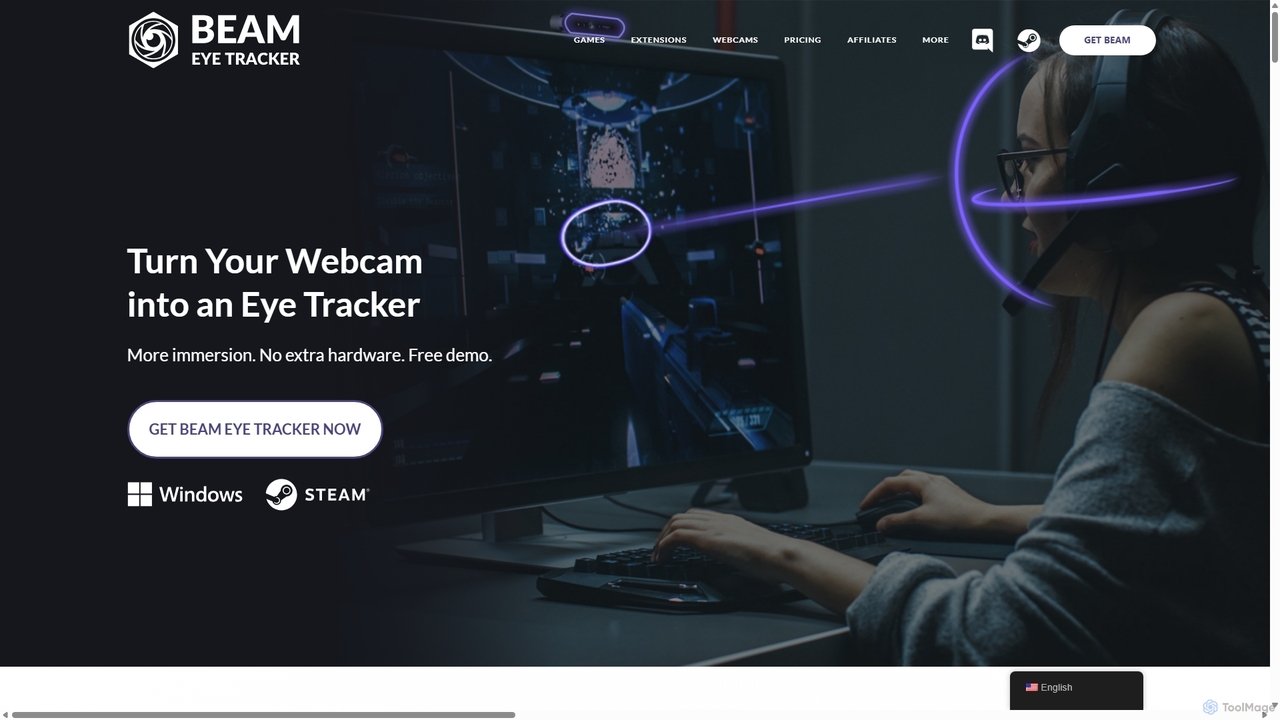
Beam Eye Tracker is an AI-powered software that transforms your webcam or smartphone into a high-performance eye and head tracker. Designed for gamers, streamers, and content creators, it provides immersive 6DoF tracking in over 200 games without requiring expensive, dedicated hardware. Enhance your gameplay, analyze your focus, and engage your audience with a customizable eye-tracking overlay.

Game Enhancement
Visits 74KFavorites 113Likes 112
Magicam
Freemium

Magicam

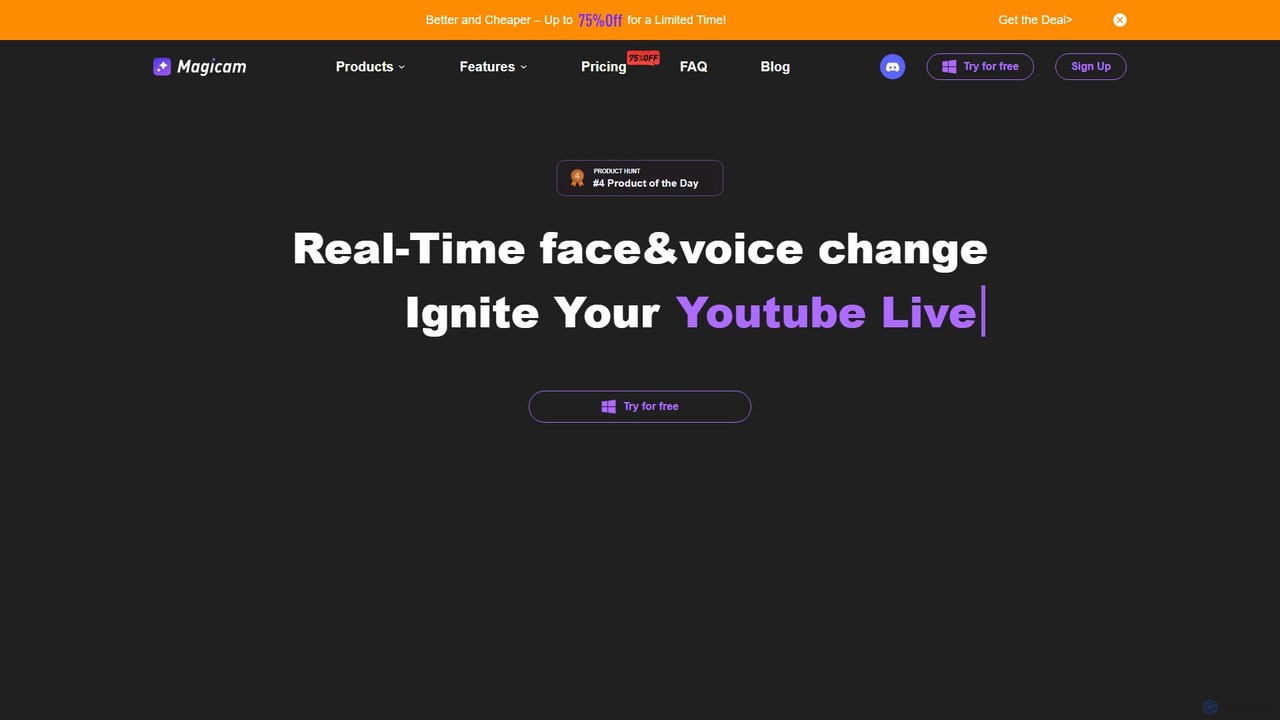
Magicam is a powerful real-time face and voice swapping application. It allows users to change their appearance and voice simultaneously during live streams, video calls, or recordings with high-quality results. It features one-click operation, local data processing for privacy, and seamless integration with platforms like Twitch and Zoom.

Entertainment
Visits 13.1KFavorites 93Likes 107
TTSLabs
Freemium

TTSLabs

TTSLabs is a specialized AI text-to-speech service designed for Twitch streamers. It enhances live streams by enabling custom AI voices for donation alerts, bits, and channel point redemptions. With over 125 voices, sound clip integration, and advanced moderation tools, it boosts viewer engagement and interaction.

Engagement
Visits 14.3KFavorites 129Likes 112

About Streaming

Streaming AI tools are advanced platforms that leverage artificial intelligence to enhance various aspects of content delivery and consumption. These tools utilize machine learning algorithms for real-time analysis, optimization, and personalization, transforming traditional streaming into more dynamic and engaging experiences. They empower content creators, broadcasters, and platforms to deliver higher quality streams, improve audience engagement, and streamline operational workflows.

Core Features

  • Real-time Content Analysis: Automatically monitors live and on-demand content for quality, compliance, and audience sentiment.
  • Personalized Recommendations: AI algorithms suggest tailored content to individual viewers based on their watch history and preferences.
  • Automated Captioning & Translation: Generates accurate subtitles and translates audio in real-time, improving accessibility and global reach.
  • Dynamic Ad Insertion: Optimizes ad placement and targeting within streams to maximize revenue and viewer relevance.
  • Quality of Experience (QoE) Optimization: Dynamically adjusts video bitrate and resolution to ensure smooth playback across varying network conditions.

Use Cases

Streaming AI tools are invaluable across various sectors, from media and entertainment to education and corporate communications. Broadcasters use them for live event moderation and automated highlights generation. E-learning platforms deploy AI for personalized learning paths and interactive content delivery. Corporate entities leverage these tools for secure, high-quality internal communications and virtual events.

How to Choose

When selecting a Streaming AI tool, consider its real-time processing capabilities for live events, the breadth and accuracy of its content analysis features, and its integration potential with existing streaming infrastructure. Evaluate its scalability to handle peak viewership, the level of customization offered for personalization and ad targeting, and the robustness of its security and compliance features. User-friendliness and comprehensive support are also crucial for seamless adoption.

Featured tool rankings

Streaming use cases

1

Real-time Content Moderation

Live stream platforms and broadcasters utilize AI to automatically detect and flag inappropriate content, hate speech, or copyright infringements in real-time. This ensures a safe and compliant viewing environment, reducing the need for extensive manual moderation teams and allowing for immediate intervention during live broadcasts.

2

Personalized Viewer Experience

Video-on-demand (VOD) services and streaming platforms employ AI to analyze individual viewer behavior, preferences, and watch history. This enables the delivery of highly personalized content recommendations, dynamic user interfaces, and tailored promotional offers, significantly increasing viewer engagement and retention rates.

3

Automated Live Captioning and Translation

Event organizers and educational institutions use AI-powered streaming tools to generate accurate live captions for speeches, lectures, and presentations. Furthermore, these tools can provide real-time translation into multiple languages, making content accessible to a broader, global audience and enhancing inclusivity.

4

Optimized Ad Insertion and Monetization

Media companies and content creators leverage AI to dynamically insert targeted advertisements into live and on-demand streams. AI analyzes viewer demographics, content context, and engagement patterns to place ads at optimal moments, maximizing revenue generation while minimizing viewer disruption and improving ad relevance.

5

Audience Engagement Analysis

Broadcasters and marketers utilize AI to monitor viewer sentiment, identify peak engagement moments, and track audience reactions during live events. This data provides actionable insights into content performance, allowing creators to adapt strategies, understand viewer preferences, and optimize future programming for maximum impact.

6

Dynamic Bitrate Adaptation for QoE

Streaming service providers deploy AI to intelligently adjust video and audio bitrates in real-time based on individual viewer's network conditions, device capabilities, and content complexity. This ensures a consistently smooth, high-quality viewing experience (Quality of Experience - QoE) by preventing buffering and optimizing bandwidth usage.

Streaming FAQ

What are Streaming AI tools?

Streaming AI tools are software solutions that integrate artificial intelligence, primarily machine learning, to enhance the creation, delivery, and consumption of streaming content. They automate tasks like content analysis, personalize viewer experiences, optimize delivery, and provide actionable insights, making streaming more efficient and engaging.

How do AI tools enhance streaming experiences?

AI tools enhance streaming by offering personalized content recommendations, ensuring optimal video quality through dynamic bitrate adaptation, and providing real-time content moderation. They also enable automated captioning and translation, optimize ad placements for better monetization, and offer deep analytics on audience engagement, leading to a richer, more tailored viewer journey.

What are the key features to look for in a Streaming AI tool?

Key features include real-time content analysis for moderation and quality control, robust personalization engines for recommendations, and automated captioning/translation capabilities. Look for dynamic ad insertion and optimization, advanced analytics for audience insights, and adaptive bitrate streaming for superior Quality of Experience (QoE). Integration with existing platforms and scalability are also crucial.

Who benefits most from using Streaming AI tools?

A wide range of users benefits, including content creators seeking to automate production tasks and engage audiences more effectively, broadcasters needing real-time moderation and ad optimization, and streaming platforms aiming to personalize user experiences and improve content delivery. Educators, corporate communicators, and live event organizers also leverage AI for enhanced reach and efficiency.

What are the emerging trends in AI for streaming?

Emerging trends include hyper-personalization of content and advertising, advanced predictive analytics for audience behavior, and AI-driven content generation (e.g., automated highlights, short-form video creation). We're also seeing more sophisticated real-time interactivity, enhanced accessibility features through AI, and the use of AI for optimizing content delivery over 5G networks and edge computing.