Support Best in category 1 results Technical Support AI Tool

Popular AI tools in the Technical Support field of Support include helpmee.ai, etc., helping you quickly improve efficiency.

helpmee.ai

helpmee.ai

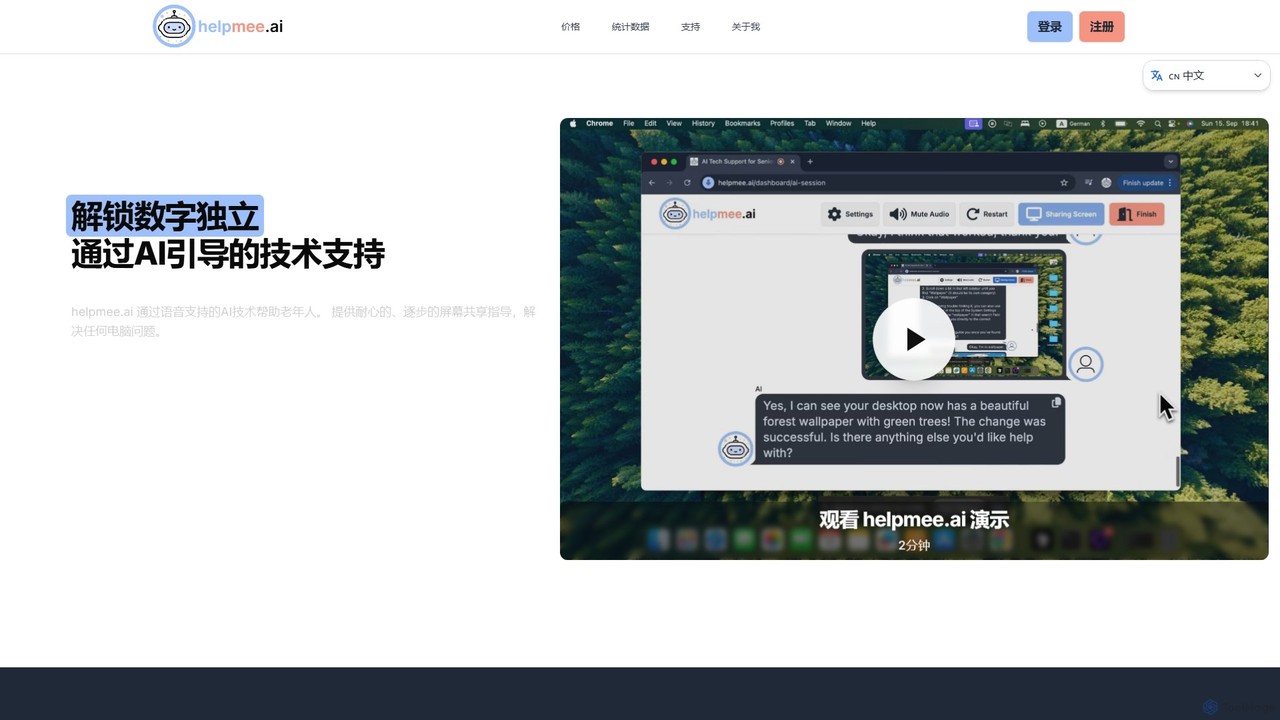
helpmee.ai is an AI-powered tech support assistant designed for seniors. It provides patient, step-by-step guidance for any computer …

2.3K

About Technical Support

Technical Support AI tools are specialized solutions leveraging artificial intelligence to automate and enhance the delivery of technical assistance. These tools utilize advanced natural language processing (NLP), machine learning, and knowledge management to understand user issues, provide accurate solutions, and streamline support workflows. They aim to reduce resolution times, improve customer satisfaction, and free up human agents for more complex problems, offering a more efficient and intelligent support experience.

Core Features

  • Intelligent Chatbots: Provide instant, context-aware answers and guided troubleshooting for technical queries.
  • Automated Knowledge Base: AI-driven systems that organize, update, and retrieve relevant technical documentation and FAQs.
  • Predictive Issue Resolution: Analyze system data to identify and flag potential technical problems before they impact users.
  • Automated Diagnostics: Guide users through step-by-step diagnostic processes to identify and resolve common technical faults.
  • Sentiment Analysis: Detect user frustration or urgency to prioritize and route support requests effectively.

Applicable Scenarios

These tools are crucial for IT departments, software companies, hardware manufacturers, and SaaS providers. They are used to manage high volumes of user inquiries, provide 24/7 support, and ensure consistent, accurate technical guidance. From troubleshooting software bugs to guiding hardware setup, AI technical support tools enhance operational efficiency and user experience across various technical domains.

How to Choose

When selecting a Technical Support AI tool, consider its NLP capabilities for understanding complex technical jargon, integration with existing CRM and IT service management (ITSM) systems, and the ease of customizing its knowledge base. Evaluate its scalability to handle growing user demands, data security protocols, and the ability to seamlessly escalate issues to human agents when necessary. Look for robust analytics to track performance and identify areas for improvement.

Technical SupportUse Cases

1

Automated First-Level Troubleshooting for Software Users

A software company's support team uses an AI chatbot to handle common user issues like password resets, installation guides, or basic feature explanations. When a user encounters a problem, the AI guides them through a series of diagnostic questions and provides immediate, relevant solutions from the knowledge base. This reduces the volume of routine tickets for human agents by up to 60%, allowing them to focus on complex technical challenges.

2

Proactive Issue Detection for SaaS Platforms

A SaaS provider implements an AI technical support system that continuously monitors system logs, user behavior patterns, and performance metrics. The AI identifies anomalies or potential issues, such as a sudden increase in error rates for a specific feature, before users report them. This allows the operations team to proactively address problems, often resolving them before they impact customer experience, significantly improving service reliability and reducing downtime.

3

Personalized Self-Service Portal for Hardware Devices

A consumer electronics manufacturer uses AI to power its online self-service portal for device owners. When a user enters their device model and describes an issue, the AI analyzes the input and their past interactions to recommend highly relevant troubleshooting guides, firmware updates, or video tutorials. This personalized approach helps users quickly find solutions without needing to contact support, enhancing user autonomy and reducing call center volume by 30%.

4

Developer Support Automation for API Integration

A tech company offering APIs for developers deploys an AI-powered technical support agent. Developers can query the AI about API documentation, error codes, best practices for integration, or common troubleshooting steps. The AI provides instant, accurate code snippets and links to relevant documentation, significantly accelerating the development process and reducing the time developers spend waiting for human support. This improves developer experience and adoption rates for the API.

5

Multi-Channel Technical Support Orchestration

A large enterprise uses an AI platform to unify technical support across various channels like email, chat, and social media. The AI automatically categorizes incoming requests, extracts key information, and routes them to the appropriate support agent or self-service resource. For complex issues, the AI provides agents with relevant context and suggested solutions, ensuring consistent and efficient support delivery regardless of the channel, improving agent productivity by 25%.

6

Onboarding and Training for New Product Users

A software company uses an AI technical support tool to assist new users during product onboarding. The AI provides interactive tutorials, answers common setup questions, and guides users through initial configurations. This reduces the need for extensive human-led training sessions and ensures new users can quickly become proficient with the product, leading to higher user retention and a smoother initial experience. The AI can also identify common stumbling blocks for new users and suggest improvements to the onboarding flow.

Technical SupportFrequently Asked Questions