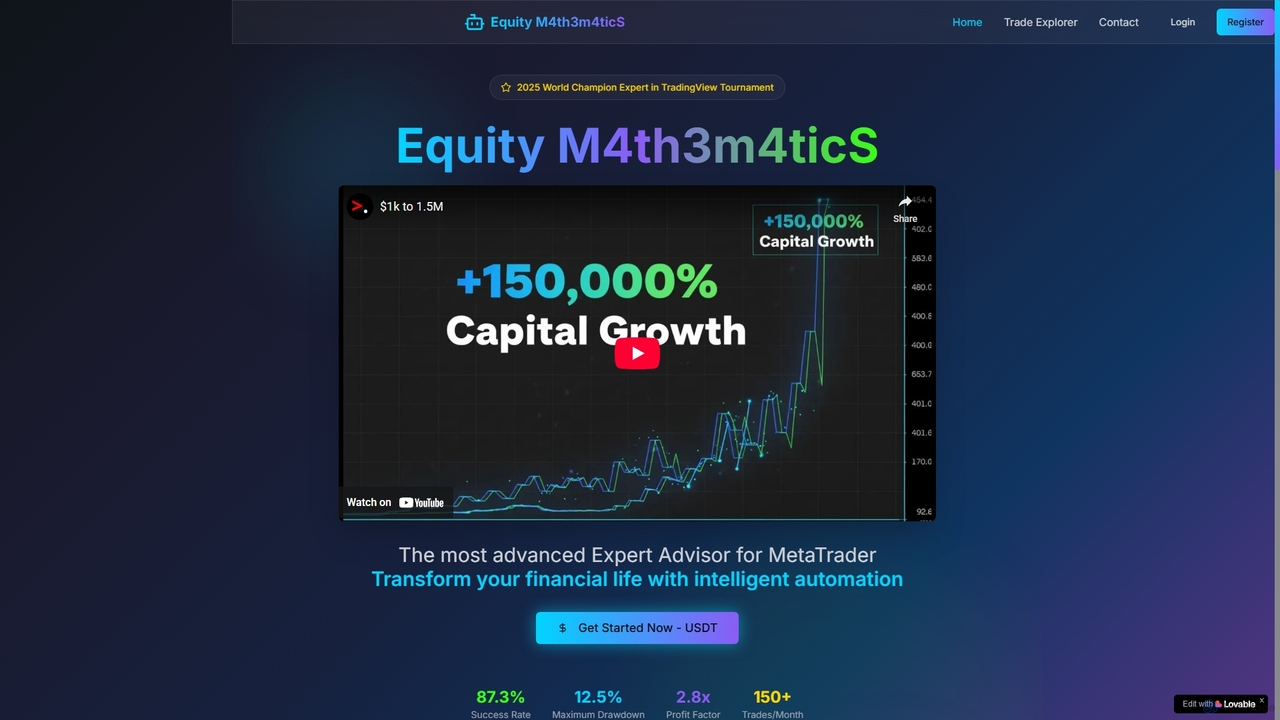
Automated Investing tools are AI-powered platforms that manage investment portfolios with minimal human intervention. These tools leverage sophisticated algorithms and machine learning to analyze market data, execute trades, and rebalance assets based on predefined strategies and individual risk tolerance. They provide a disciplined, cost-effective approach to wealth management, making investing more accessible for a wide range of users.
Core Features
- Algorithmic Portfolio Management: Automatically allocates and adjusts investments across various asset classes based on user-defined goals and risk profiles.
- Automated Rebalancing: Periodically adjusts the portfolio to maintain target asset allocations, ensuring it stays aligned with the investor's strategy.
- Tax-Loss Harvesting: Identifies opportunities to sell investments at a loss to offset capital gains, then reinvests to maintain market exposure, optimizing after-tax returns.
- Goal-Based Planning: Helps users set and track financial goals (e.g., retirement, home purchase) with tailored investment strategies.
- Diversification Strategies: Builds diversified portfolios across different asset types and geographies to mitigate risk.
Applicable Scenarios
Automated investing is ideal for busy professionals seeking hands-off wealth growth, new investors needing structured guidance, or individuals aiming for specific financial goals like retirement or a down payment. It simplifies complex investment decisions and promotes long-term, disciplined saving.
How to Choose
When selecting an automated investing platform, consider its fee structure (management fees, expense ratios), minimum investment requirements, supported asset classes (ETFs, mutual funds, individual stocks), customization options for portfolios, and the availability of tax-loss harvesting features. Evaluate customer support and regulatory compliance to ensure a trustworthy experience.