Oura Ring
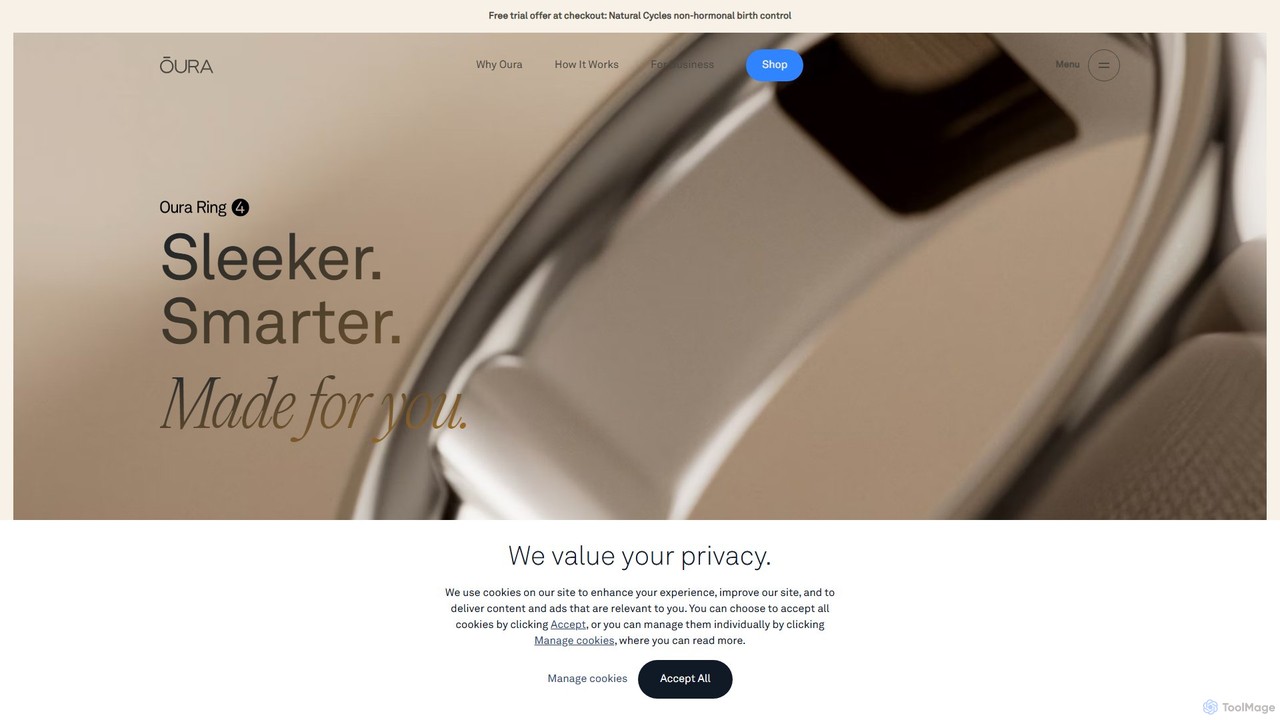
Oura Ring is an AI-powered smart ring that tracks sleep, activity, stress, and overall health. It provides personalized …
Oura Ring is an AI-powered smart ring that tracks sleep, activity, stress, and overall health. It provides personalized insights by monitoring over 20 biometrics from your finger, offering a holistic view of your well-being. Its AI features, like Oura Advisor, deliver actionable guidance to help you improve your daily habits and live a healthier life.
Lucyd
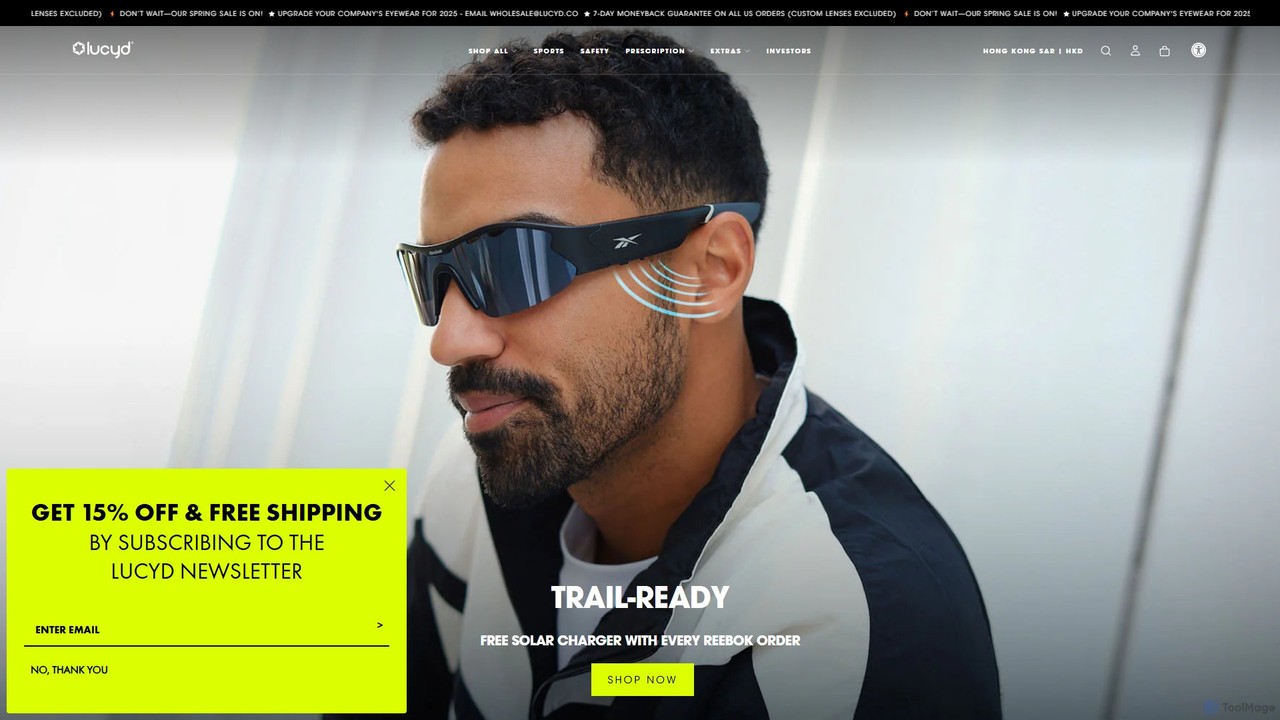
Lucyd offers a line of smart eyewear that integrates ChatGPT, allowing users to access the power of AI …
Lucyd offers a line of smart eyewear that integrates ChatGPT, allowing users to access the power of AI hands-free. These bluetooth glasses feature open-ear audio, a built-in microphone, and touch controls, seamlessly blending fashion with function. Available with prescription, sunglass, or other custom lenses, Lucyd provides a discreet and convenient way to make calls, listen to music, and interact with a voice assistant on the go.
About Wearables
Wearables are AI-powered smart devices designed to be worn on the body, integrating advanced sensors and artificial intelligence to collect and analyze personal data. These devices leverage machine learning algorithms to provide real-time insights into health, fitness, and daily activities. They enhance user experience by offering personalized feedback, proactive alerts, and seamless interaction with digital environments, transforming how individuals monitor their well-being and engage with technology.
Core Features
- Biometric Monitoring: Tracks heart rate, sleep patterns, blood oxygen, and other vital signs for health insights.
- Activity Tracking: Records steps, calories burned, distance, and workout performance for fitness goals.
- Contextual Awareness: Uses AI to understand user environment and provide relevant information or notifications.
- Personalized Coaching: Offers AI-driven recommendations for exercise, sleep, and stress management.
- Augmented Reality Integration: Overlays digital information onto the real world via smart glasses for interactive experiences.
Use Cases
Wearables are widely adopted across various sectors. In healthcare, they enable continuous remote patient monitoring, allowing doctors to track chronic conditions and intervene proactively. For fitness enthusiasts, these devices offer detailed performance analytics and personalized training plans, optimizing workout routines. Professionals utilize smart glasses for hands-free information access and remote assistance in industrial settings, improving efficiency and safety.
How to Choose
When selecting AI wearables, consider the primary function you need, such as health tracking, fitness, or communication. Evaluate sensor accuracy and the reliability of AI algorithms for data analysis. Check compatibility with your existing devices and preferred apps, and assess battery life for practical daily use. Finally, compare data privacy policies and the overall comfort and design of the device.

WearablesUse Cases
Continuous Health Monitoring for Chronic Conditions
Elderly individuals or patients with chronic diseases can wear AI-powered smartwatches or patches to continuously track vital signs like heart rate, blood pressure, and glucose levels. The AI analyzes data for anomalies, sending alerts to caregivers or medical professionals if critical changes occur. This proactive monitoring helps prevent emergencies and provides doctors with comprehensive long-term health data, significantly improving remote patient care and reducing hospital visits.
Personalized Fitness Coaching and Performance Optimization
Athletes and fitness enthusiasts use AI wearables to track detailed workout metrics, including heart rate zones, recovery times, and running dynamics. The AI analyzes performance data over time, identifying patterns and suggesting personalized training adjustments, such as optimal rest periods or intensity changes. This leads to more effective workouts, faster progress towards fitness goals, and reduced risk of overtraining or injury.
Enhanced Workplace Safety and Productivity in Industrial Settings
Workers in hazardous environments, such as construction sites or factories, wear smart helmets or glasses with integrated AI. These devices can monitor environmental conditions, detect potential hazards, and provide real-time safety alerts. They also offer augmented reality overlays for instructions or remote expert assistance, allowing workers to perform complex tasks hands-free, thereby increasing safety compliance and operational efficiency.
Proactive Stress Management and Mental Well-being
Individuals seeking to manage stress and improve mental well-being can utilize AI wearables that monitor physiological indicators like heart rate variability and skin conductance. The AI identifies stress patterns and offers timely interventions, such as guided breathing exercises or mindfulness prompts. This helps users become more aware of their stress triggers and develop healthier coping mechanisms, leading to improved emotional regulation and overall mental health.
Advanced Sleep Quality Analysis and Improvement
Users struggling with sleep issues can wear AI-powered rings or bands that accurately track sleep stages (light, deep, REM), disturbances, and breathing patterns. The AI analyzes these metrics to provide a detailed sleep score and personalized recommendations for improving sleep hygiene, such as optimal bedtime routines or environmental adjustments. This data-driven approach helps users achieve more restorative sleep.
Real-time Navigation and Information Access for Outdoor Activities
Hikers, cyclists, or urban explorers use smart glasses or watches with integrated AI for real-time navigation and contextual information. The AI can overlay directions onto their field of vision or provide audio cues, identify points of interest, and offer weather updates. This hands-free access to information enhances safety and convenience during outdoor adventures, allowing users to stay focused on their surroundings.