Starai
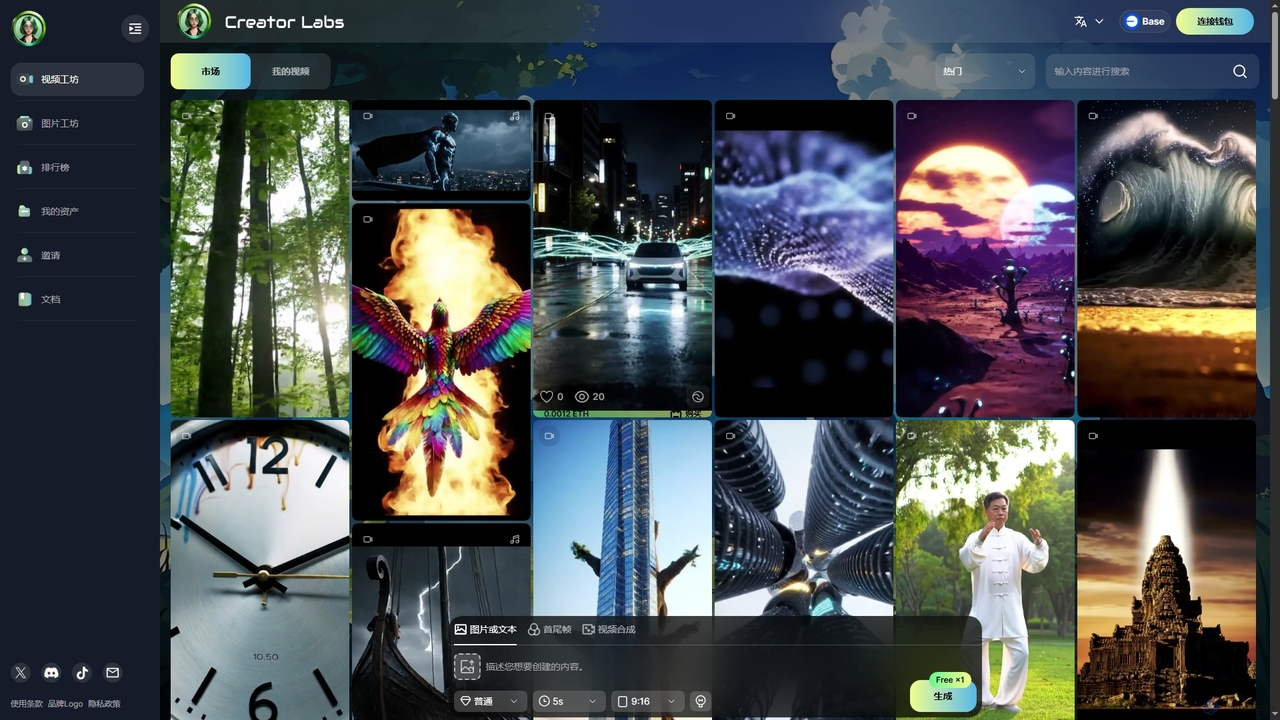
Starai is an innovative AI platform offering advanced tools for generating AI videos and images, alongside a decentralized …
Starai is an innovative AI platform offering advanced tools for generating AI videos and images, alongside a decentralized marketplace for digital assets. Users can create unique visual content and engage in a vibrant Web3 ecosystem to buy, sell, and trade AI-generated art and videos.
About Nft Marketplace
NFT Marketplaces are decentralized platforms where users can buy, sell, and trade non-fungible tokens (NFTs). Built on blockchain technology, these platforms provide a secure and transparent environment for digital asset transactions. They enable creators to monetize their unique digital works and collectors to own verifiable digital items, fostering a vibrant ecosystem within the broader Web3 space.
Core Features
- NFT Minting: Allows creators to transform digital files into unique, verifiable NFTs on the blockchain, establishing initial ownership.
- Secure Trading: Facilitates peer-to-peer buying and selling of NFTs using cryptocurrencies, often automated via smart contracts for trustless transactions.
- Discovery & Curation: Offers robust tools for users to browse, filter, and discover NFTs across various categories like art, collectibles, and gaming.
- Wallet Integration: Seamlessly connects with popular cryptocurrency wallets for managing digital assets and signing transaction approvals.
- Royalty Enforcement: Automatically distributes predefined royalties to original creators on secondary sales, ensuring ongoing compensation for their work.
Use Cases
NFT Marketplaces are essential for digital artists, gamers, and collectors seeking to engage with unique digital assets. Artists use them to sell unique digital art, while game developers leverage them for in-game asset trading. Collectors utilize these platforms to acquire rare digital collectibles and verify ownership.
How to Choose
When selecting an NFT Marketplace, consider the supported blockchains (e.g., Ethereum, Solana), transaction fees (gas fees), the variety of NFTs available, and the platform's security features. User interface, community support, and royalty structures are also crucial for a positive and efficient trading experience.

Nft MarketplaceUse Cases
Digital Art Sales for Independent Artists
An independent digital artist mints their unique artwork as NFTs on a marketplace, setting a price or auction. Collectors can then purchase these verifiable digital pieces, providing the artist with direct revenue and potential future royalties on resales, bypassing traditional galleries and reaching a global audience.
Trading In-Game Assets & Collectibles
Gamers use NFT marketplaces to buy, sell, or trade unique in-game items like character skins, weapons, or virtual land. This allows players to truly own their digital assets, transfer them between games (if compatible), and potentially profit from their rarity or utility, fostering a player-driven economy within Web3 gaming.
Collecting Rare Digital Memorabilia
A collector seeks out limited-edition digital sports cards, historical moments, or celebrity-signed virtual items. They use the marketplace's search and filter functions to discover rare NFTs, verify their authenticity and provenance on the blockchain, and securely add them to their digital portfolio, building a valuable collection.
Launching a New NFT Collection
A brand or creator team plans to release a new series of profile picture (PFP) NFTs or utility tokens. They utilize an NFT marketplace's launchpad features or minting tools to generate the collection, manage metadata, and facilitate the initial public sale, building a community around their project and ensuring fair distribution.
Monetizing Photography & Visual Content
Professional photographers or videographers convert their high-quality visual content into NFTs. They list these unique digital editions on a marketplace, allowing buyers to acquire exclusive ownership rights or limited licenses, opening new revenue streams beyond traditional stock photo sites and providing verifiable scarcity for their work.
Verifying Ownership of Digital Certificates & Licenses
Educational institutions or software companies issue digital certificates, licenses, or intellectual property rights as NFTs. Holders can then use an NFT marketplace to securely store, transfer, or verify the authenticity of these digital documents, ensuring tamper-proof proof of ownership or accreditation in a decentralized manner.