Web3 Best in category 1 results Socialfi AI Tool

Popular AI tools in the Socialfi field of Web3 include Utopic.ai, etc., helping you quickly improve efficiency.

Free
Utopic.ai

Utopic.ai

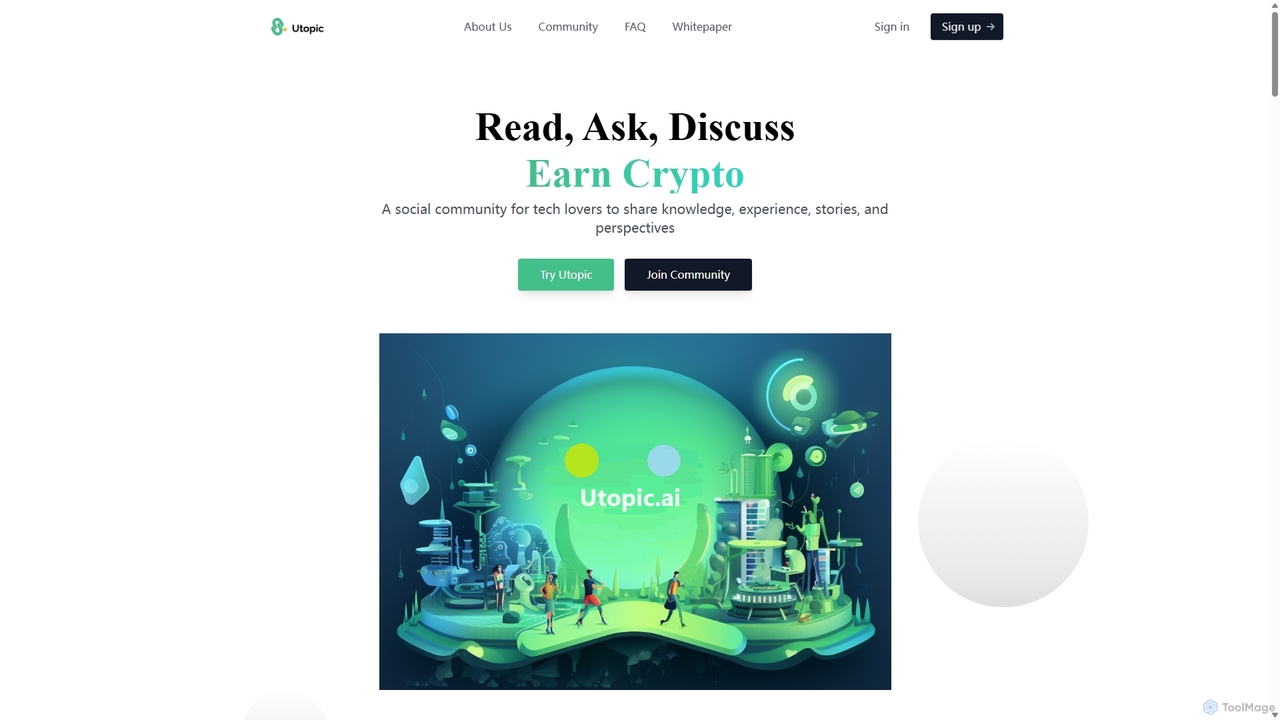
Utopic.ai is a Web3 social community platform where tech enthusiasts can earn cryptocurrency by creating and engaging with …

2.7K

About Socialfi

SocialFi tools are a class of applications that merge social networking with decentralized finance (DeFi), operating on Web3 principles. These platforms leverage blockchain technology to empower users with ownership of their data, content, and social graph, enabling direct monetization of their influence. This creates a creator-centric economy where interactions, content creation, and community engagement are directly rewarded with cryptocurrency or tokens. Unlike traditional social media, SocialFi shifts control from central platforms to individual users.

Core Features

  • Content Monetization: Directly earn cryptocurrency or platform tokens for creating, sharing, or curating content.
  • Social Tokens: Issue and trade personal or community-specific tokens that represent influence, reputation, or access rights.
  • Decentralized Identity (DID): Users control their own identity and data, which are portable across different applications.
  • On-Chain Governance: Token holders can participate in platform decision-making and vote on proposals.
  • NFT Integration: Use Non-Fungible Tokens (NFTs) as profile pictures, proof of membership, or to gate access to exclusive content.

Use Cases

SocialFi tools are primarily used by content creators, community managers, and Web3 enthusiasts. For example, an artist can issue social tokens to their followers, granting them access to exclusive artwork previews. A community can use a decentralized social platform to ensure censorship resistance and transparent governance. Brands can also engage with their audience by rewarding them with tokens for their loyalty and participation.

How to Choose

When selecting a SocialFi tool, consider the underlying blockchain's transaction fees and speed. Evaluate the platform's tokenomics to understand its economic model and incentive structure. Assess the size and activity of its user community, as network effects are crucial for social platforms. Finally, examine its data ownership policies and ease of use, especially for users new to Web3.

SocialfiUse Cases

1

Monetizing Content for Independent Creators

An independent writer uses a SocialFi platform to publish their articles. Instead of relying on ad revenue or paywalls, they can turn each article into a collectible NFT or receive tips directly in cryptocurrency from their readers. Followers who hold the writer's social token might get early access to drafts or voting rights on future topics. This model allows the writer to build a direct financial relationship with their audience, retain full ownership of their work, and earn a living based on the value they provide, independent of traditional publishing platforms.

2

Building Token-Gated Communities

A community manager for a specialized interest group (e.g., DeFi traders, digital artists) uses a SocialFi platform to create an exclusive space. Access to the group's private chat channels, expert analysis, and online events is granted only to users who hold a certain amount of the community's social token or a specific NFT. This ensures that members are genuinely invested in the community's success. The tokens can also be used for governance, allowing members to vote on community rules or how to spend a shared treasury, fostering a highly engaged and self-sustaining ecosystem.

3

Decentralized Social Graph and Identity

A user concerned about data privacy and censorship on traditional platforms joins a SocialFi network. Here, their profile, connections (followers/following), and content are stored on a decentralized network, not on a company's server. They own their social graph. If they decide to move to another compatible SocialFi application, they can take their connections and reputation with them, preventing platform lock-in. This empowers the user with true data sovereignty and ensures their online presence cannot be arbitrarily deleted or suppressed by a single entity.

4

Gamified Social Engagement and Rewards

A user participates in a SocialFi application that gamifies interaction. They earn platform tokens or points for daily activities like logging in, commenting on posts, or receiving upvotes from other users. These rewards are not just symbolic; they can be traded on crypto exchanges, used to purchase virtual items like NFT profile borders, or staked to earn more rewards. This creates a powerful incentive loop that encourages high-quality participation and consistent engagement, transforming passive social browsing into an active, rewarding experience for all members of the community.

5

Funding Projects through Community Support

A startup or a creative project uses a SocialFi platform to crowdfund its development. Instead of traditional venture capital, they issue a project-specific token to early supporters and community members. These tokens can represent a share in future revenue, grant governance rights, or provide exclusive access to the final product. This approach democratizes funding, allowing projects to be backed directly by the people who believe in them. It also aligns the incentives of the developers and the community, as everyone benefits from the project's success.

6

Curating and Discovering Quality Content

On a SocialFi platform, users act as curators. By staking tokens on content they believe is high-quality, they can earn a portion of the rewards that content generates. This creates a financial incentive for users to identify and promote valuable information, rather than just clickbait. The most upvoted or staked content naturally rises to the top, creating a feed that is curated by the collective intelligence and financial conviction of the community. This system helps combat misinformation and rewards both the creators of great content and the users who discover it.

SocialfiFrequently Asked Questions