Writing Best in category 2 results Technical Writing AI Tool

Popular AI tools in the Technical Writing field of Writing include Stoorai、epicmatic, etc., helping you quickly improve efficiency.

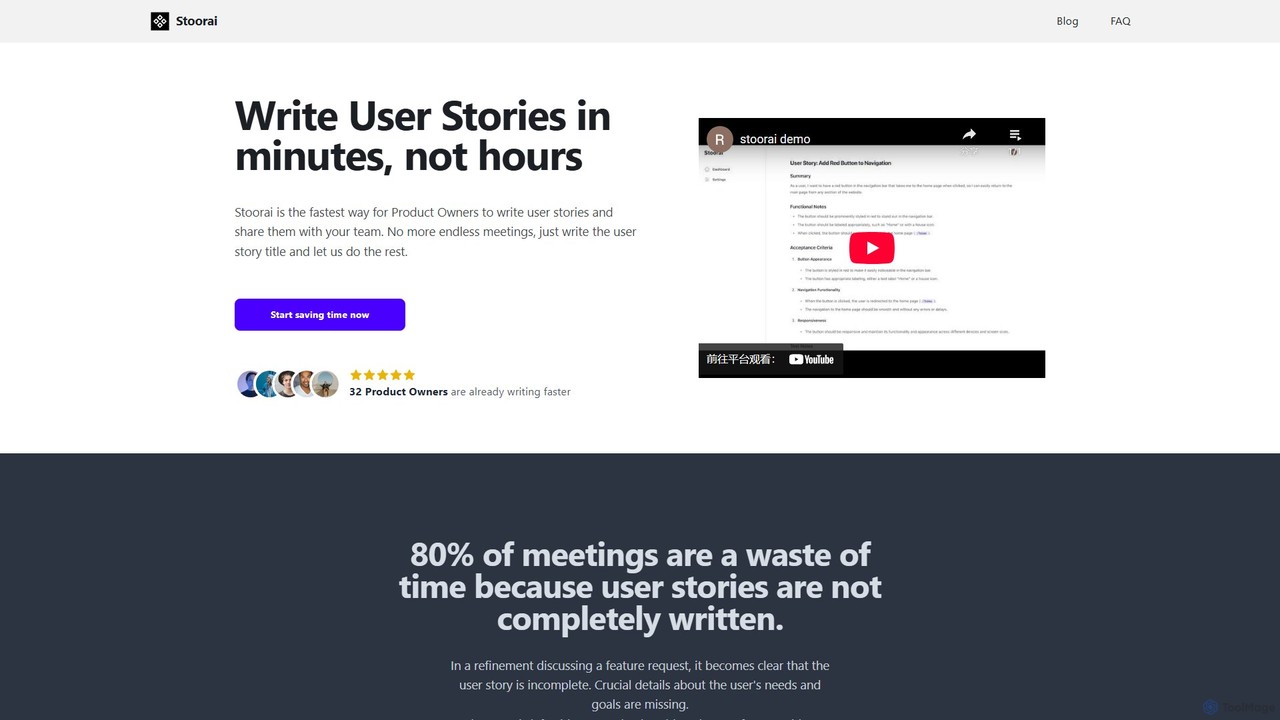
Stoorai

Stoorai

Stoorai is an AI-powered tool designed for Product Owners and agile teams to generate comprehensive user stories in …

4.8K
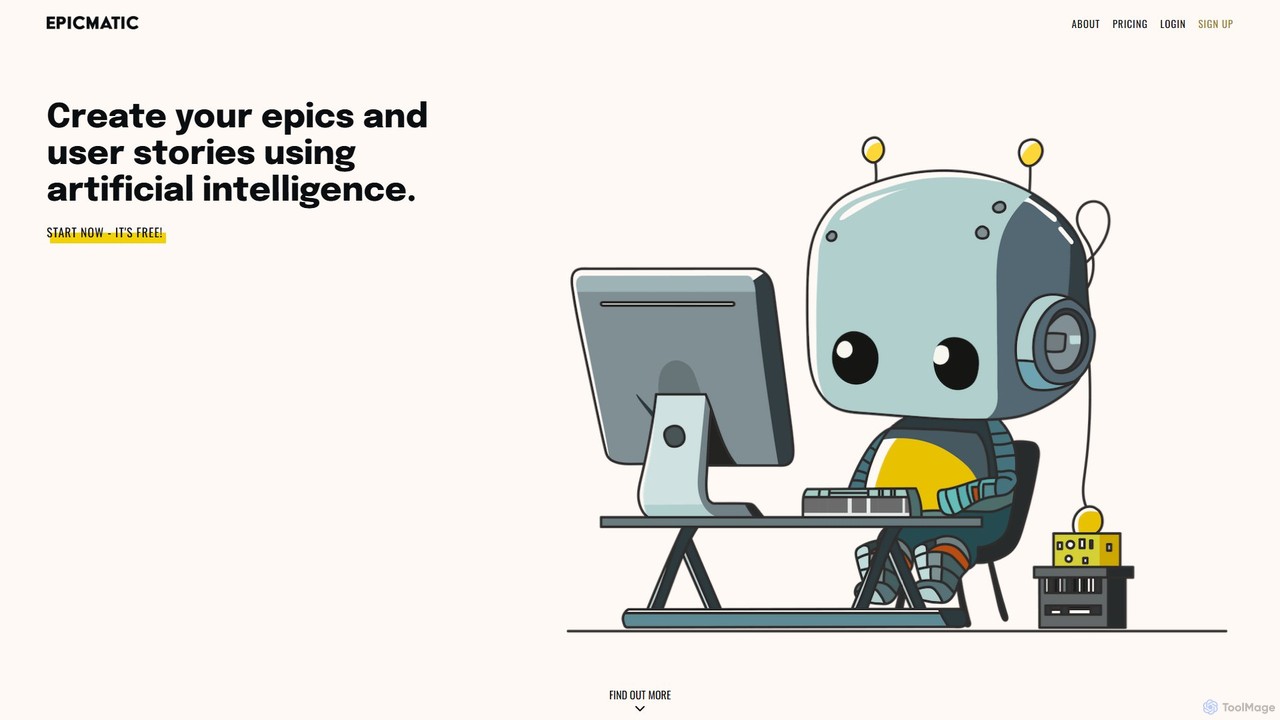
epicmatic

epicmatic

epicmatic is an AI-powered tool designed to simplify and accelerate the creation of epics and user stories for …

2.6K

About Technical Writing

AI Technical Writing tools are specialized platforms that leverage artificial intelligence to assist in the creation, editing, and management of technical documentation. These tools utilize natural language processing (NLP) and machine learning to understand complex technical concepts, ensuring accuracy, clarity, and consistency across various documents. They significantly streamline the workflow for technical writers, developers, and product teams, enabling the rapid production of high-quality user manuals, API documentation, and knowledge base articles.

Core Features

  • Automated Content Generation: Generates drafts for user guides, API references, and release notes based on input data or specifications.
  • Jargon Simplification: Identifies and rephrases complex technical terms into more accessible language for diverse audiences.
  • Consistency & Style Guide Enforcement: Ensures adherence to specific terminology, branding, and style guidelines across all documents.
  • Error Detection & Correction: Automatically checks for grammatical errors, factual inaccuracies, and inconsistencies in technical details.
  • Structured Content Creation: Supports the creation of modular, reusable content components for efficient documentation management.

Use Cases

These tools are invaluable for software companies generating extensive API documentation, hardware manufacturers creating detailed user manuals, and engineering teams drafting internal technical specifications. They help maintain accuracy and consistency in critical documents, reducing the manual effort involved in content creation and review cycles.

How to Choose

When selecting an AI technical writing tool, consider its ability to integrate with existing development workflows (e.g., Git, JIRA), support for various output formats (e.g., Markdown, DITA, PDF), the accuracy of its technical content generation, and its customization options for specific style guides. Evaluate its capacity for jargon simplification and its collaboration features for team-based documentation projects.

Technical WritingUse Cases

1

Generating API Documentation from Code

Software developers and technical writers can use AI tools to automatically generate comprehensive API reference documentation directly from source code comments or specifications. This ensures that documentation is always up-to-date with the latest code changes, reducing manual effort and the risk of discrepancies between code and documentation, accelerating product release cycles.

2

Creating User Manuals for Complex Products

Product managers and technical communicators leverage AI to draft clear and concise user manuals for intricate software or hardware products. By inputting product features and functionalities, the AI can structure content, explain complex procedures step-by-step, and ensure the language is accessible to end-users, significantly speeding up the documentation process.

3

Drafting Software Release Notes Automatically

Development teams can utilize AI technical writing tools to quickly compile release notes by extracting information from commit messages, bug tracking systems, and feature descriptions. The AI can then format these details into a coherent, user-friendly document highlighting new features, bug fixes, and known issues, ensuring timely communication with users.

4

Simplifying Technical Jargon for Broader Audiences

Technical writers and content strategists employ AI to transform highly technical content into simpler, more understandable language for non-expert audiences. This is crucial for marketing materials, public-facing knowledge bases, or training documents, where clarity and accessibility are paramount, expanding the reach and impact of technical information.

5

Ensuring Consistency in Large Documentation Sets

Organizations with extensive documentation libraries use AI tools to enforce consistent terminology, branding, and style across all documents. The AI can identify and flag inconsistencies, suggest preferred phrasing, and ensure compliance with corporate style guides, maintaining a professional and unified voice throughout their technical content.

6

Automating Knowledge Base Article Creation

Customer support teams and content creators can use AI to generate or update knowledge base articles based on common customer queries, product updates, or internal technical specifications. This automates the creation of self-service content, reducing support ticket volumes and providing users with immediate access to accurate information.

Technical WritingFrequently Asked Questions