GitCase.dev is an AI-powered platform for developers to create secure portfolios. It automatically transforms code from your GitHub repositories to hide sensitive information like API keys and proprietary logic. This allows you to confidently showcase your skills to employers and clients while keeping your intellectual property protected. It features a flexible, pay-as-you-go pricing model.

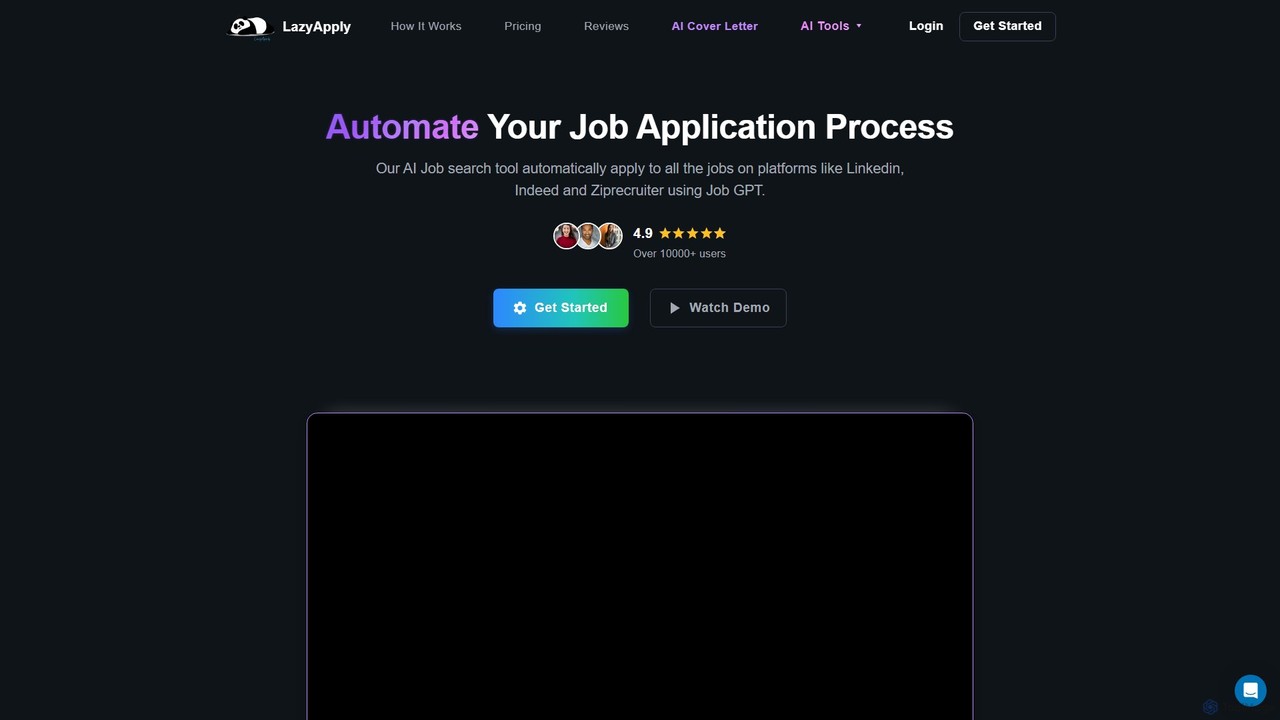
LazyApply is an AI-powered job search automation tool. It automatically applies to jobs on platforms like LinkedIn, Indeed, and ZipRecruiter, generates personalized cover letters, and tracks all applications in a centralized dashboard, saving users hundreds of hours and increasing their interview chances.
Product overview
GitCase.dev Product overview
GitCase.dev is an AI-powered platform for developers to create secure portfolios. It automatically transforms code from your GitHub repositories to hide sensitive information like API keys and proprietary logic. This allows you to confidently showcase your skills to employers and clients while keeping your intellectual property protected. It features a flexible, pay-as-you-go pricing model.

LazyApply Product overview
LazyApply is an AI-powered job search automation tool. It automatically applies to jobs on platforms like LinkedIn, Indeed, and ZipRecruiter, generates personalized cover letters, and tracks all applications in a centralized dashboard, saving users hundreds of hours and increasing their interview chances.
Detailed feature comparison
| Feature | GitCase.dev | LazyApply |
|---|---|---|
| Primary category | Code Security | Recruiting |
| Added | 2025-08-01 | 2025-08-13 |
| Pricing | Freemium | Freemium |
| Official website | www.gitcase.dev | lazyapply.com |
| Product type | Website | Website |
| Performance data | ||
| User rating | Not verified | Not verified |
| Comments | 0 | 0 |
| Monthly visits | 4.2K | 164K |
| Monthly growth | Not verified | -8.2% |
| Favorites | 87 | 119 |
| Details | View details | View details |
GitCase.dev vs LazyApply monthly traffic
Compare GitCase.dev and LazyApply by monthly reach, traffic trend, visit depth, top regions, and acquisition sources.
How to interpret the traffic data
In the GitCase.dev vs LazyApply monthly traffic comparison, GitCase.dev currently shows 4.2K visits and LazyApply shows 164K; LazyApply has about 39.4 times the visible traffic of GitCase.dev, an absolute difference of about 159.9K visits. This reflects visible reach, not feature quality or paid users.
Only LazyApply has complete third-party traffic details; GitCase.dev uses visits recorded inside ToolMage. These scopes cannot estimate market share directly, and on-site views should not be treated as the product’s total website traffic.
GitCase.dev monthly traffic:
Latest traffic
LazyApply monthly traffic:
Latest traffic
Monthly traffic trend
- 2025/9: 184K Monthly visits
- 2026/1: 189.7K Monthly visits
- 2026/2: 140.2K Monthly visits
- 2026/3: 174.3K Monthly visits
- 2026/4: 178.6K Monthly visits
- 2026/5: 164K Monthly visits
Top regions
Top 5 countries/regions
| Country/region | Percentage | Traffic |
|---|---|---|
| 🇺🇸United States | 42.75% | 70.1K |
| 🇮🇳India | 23.39% | 38.4K |
| 🇬🇧United Kingdom | 19.19% | 31.5K |
| 🇵🇭Philippines | 7.54% | 12.4K |
| 🇨🇦Canada | 7.13% | 11.7K |
Traffic sources
| Source type | Percentage | Traffic |
|---|---|---|
| Direct | 82.86% | 135.9K |
| Referral | 16.29% | 26.7K |
| 0.85% | 1.4K |
Search keywords
Usage comparison
Compare the core capabilities of GitCase.dev and LazyApply
GitCase.dev Core features
LazyApply Core features
Use cases
GitCase.dev Use cases
LazyApply Use cases
GitCase.dev vs LazyApply:In-depth comparison and selection guidance
First decide whether the products solve the same kind of need
This in-depth GitCase.dev vs LazyApply comparison uses only the product records, taxonomy, audience, traffic, and community signals available on this page. GitCase.dev is primarily listed under “Code Security”, while LazyApply is primarily listed under “Recruiting”, so the first decision is whether your actual task matches their recorded scope.
The structured fields currently show these decision-relevant differences: Primary category (GitCase.dev: Code Security; LazyApply: Recruiting); Monthly visits (GitCase.dev: 4.2K; LazyApply: 164K); Favorites (GitCase.dev: 87; LazyApply: 119); Website (GitCase.dev: www.gitcase.dev; LazyApply: lazyapply.com); Added (GitCase.dev: 2025-08-01; LazyApply: 2025-08-13). These facts are more useful for selection than brand visibility alone.
What market visibility and monthly traffic mean
In the GitCase.dev vs LazyApply monthly traffic comparison, GitCase.dev currently shows 4.2K visits and LazyApply shows 164K; LazyApply has about 39.4 times the visible traffic of GitCase.dev, an absolute difference of about 159.9K visits. This reflects visible reach, not feature quality or paid users.
Only LazyApply has complete third-party traffic details; GitCase.dev uses visits recorded inside ToolMage. These scopes cannot estimate market share directly, and on-site views should not be treated as the product’s total website traffic.
The current traffic scope is not sufficient for a reliable product ranking. Treat monthly visits as a market-interest signal, then decide using taxonomy, use cases, pricing, and a like-for-like trial rather than reading exposure as product capability.
Product positioning, use cases, and roles
GitCase.dev and LazyApply currently overlap in shared categories: Career; shared tags: job application and resume. This can place both on the same shortlist, but it does not prove equal implementation, depth, or cost.
GitCase.dev's unique categories/tags are Code Security, Portfolio, AI code transformation, code security, code showcase, developer portfolio, developer tools, and github; LazyApply's are Recruiting, Resume, AI assistant, application tracker, automation, career, cover letter, and Indeed. These unique fields are the strongest differentiators: validate the product whose recorded scope matches the task instead of following traffic alone.
What ratings, comments, and favorites can tell you
GitCase.dev has no verified rating, 0 comments, 87 favorites, and 101 likes;LazyApply has no verified rating, 0 comments, 119 favorites, and 102 likes。
Neither product has enough rating or comment samples for a credible reputation ranking.
Selection guidance by actual need
When to evaluate GitCase.dev first
Put GitCase.dev on the priority trial list when the task aligns with “Code Security” and especially Code Security, Portfolio, AI code transformation, code security, code showcase, and developer portfolio. This follows recorded positioning and does not imply unlisted capabilities are absent.
GitCase.dev also currently records: pricing is freemium, product type is website, 4.2K on-site monthly views, no verified user rating. Verify any hard requirement around price, platform, or reach before trial, and do not let sparse review data substitute for testing.
When to evaluate LazyApply first
Put LazyApply on the priority trial list when the task aligns with “Recruiting” and especially Recruiting, Resume, AI assistant, application tracker, automation, and career. This follows recorded positioning and does not imply unlisted capabilities are absent.
LazyApply also currently records: pricing is freemium, product type is website, 164K verified monthly visits, no verified user rating. Verify any hard requirement around price, platform, or reach before trial, and do not let sparse review data substitute for testing.
How to validate the recommendation before deciding
The available data describes positioning, public visibility, and community signals, but it cannot prove output quality, speed, integration effort, privacy, or long-term cost in your workflow. Before deciding, run the same representative tasks in GitCase.dev and LazyApply, then record completion time, accuracy, manual corrections, and the real paid threshold. A like-for-like trial turns this comparison into a defensible adoption decision.
Comparison FAQ
How should I choose between GitCase.dev and LazyApply?
Where does this comparison data come from?
What do unknown fields mean?
Related AI tools

bulkapply
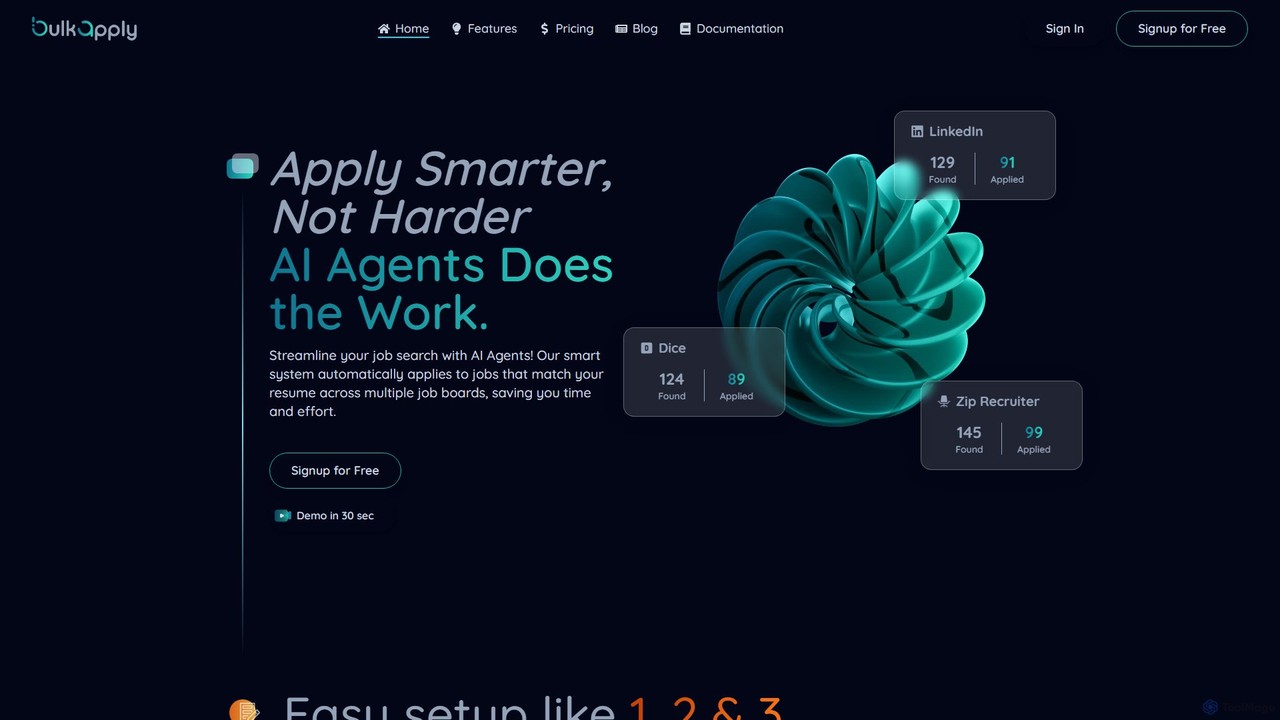
bulkapply is an AI-powered platform that automates the job application process. Its AI agents automatically apply to relevant jobs on your behalf across multiple job boards like LinkedIn, Indeed, and ZipRecruiter, saving you time and increasing your application volume significantly.
Job Application
RoboApply
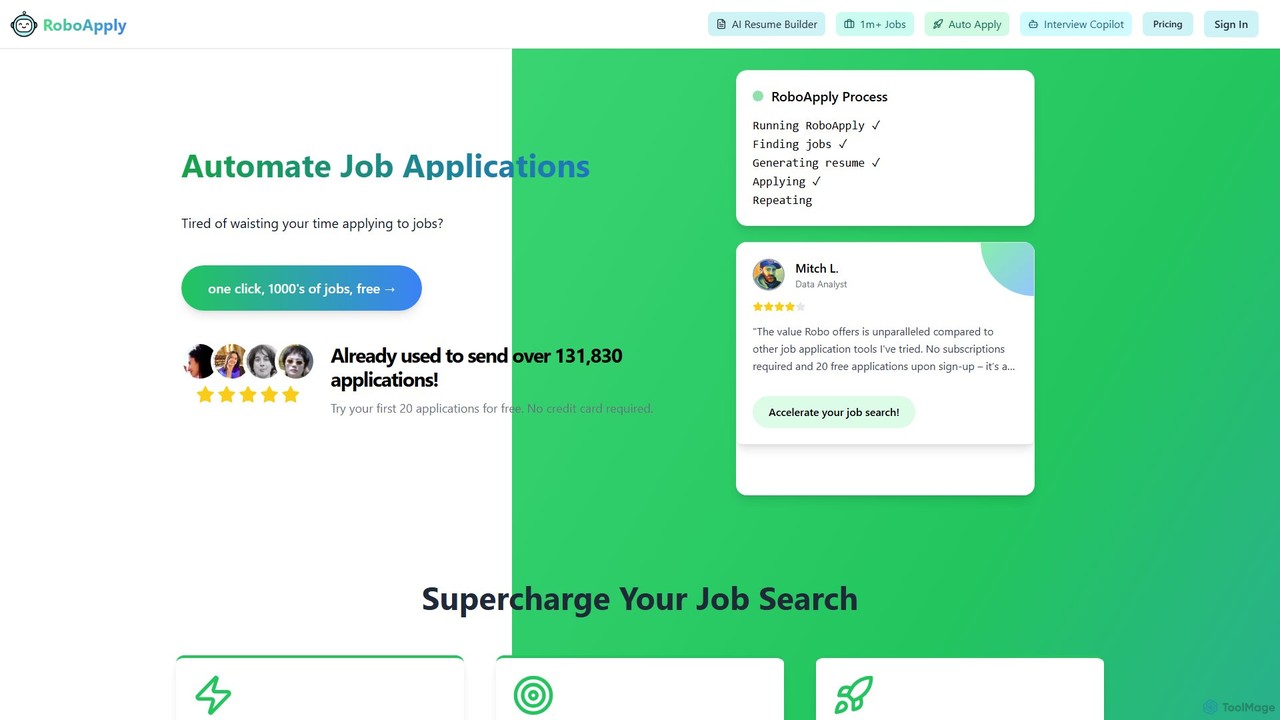
RoboApply is an AI-powered job application automation platform that enables users to apply for thousands of jobs across major job boards with just a few clicks. It uses AI to optimize resumes for Applicant Tracking Systems (ATS), customize cover letters, and aggregates listings from sites like LinkedIn, Indeed, and Glassdoor, streamlining the entire job search process.
Personal
Sckian
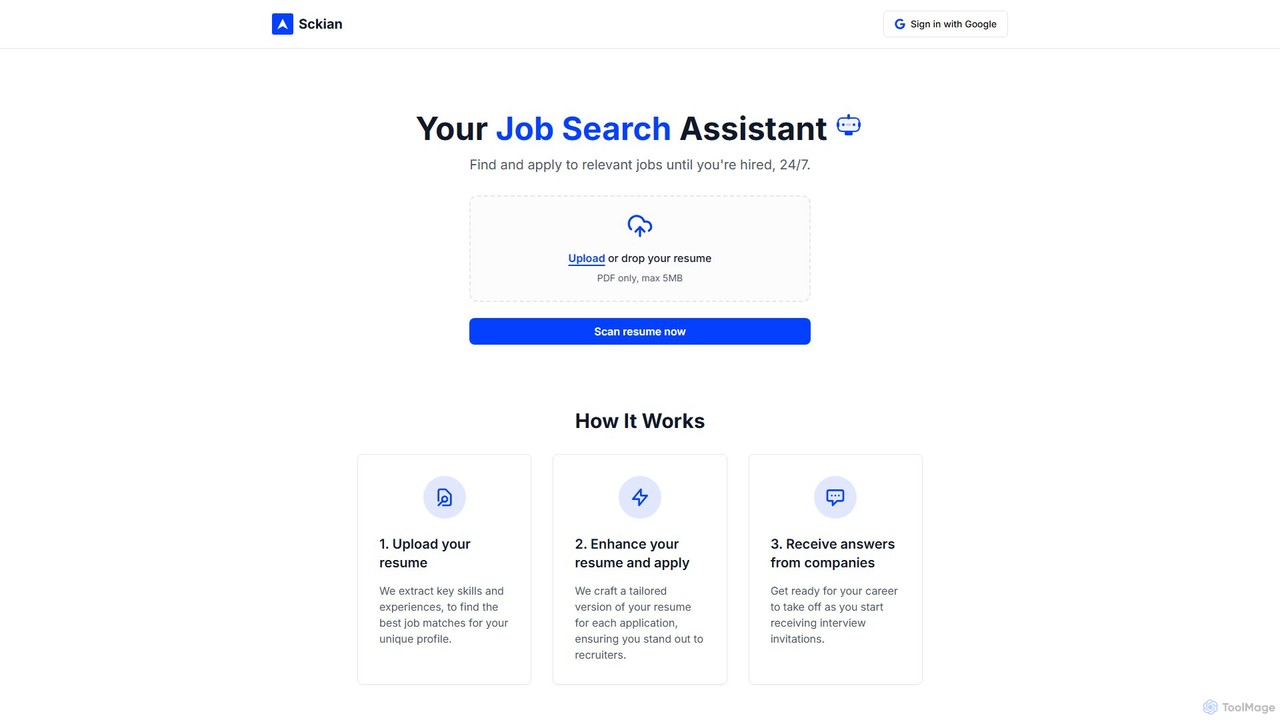
Sckian is an AI-powered job search assistant that automates the entire application process. Simply upload your resume, and Sckian will find relevant jobs, tailor your resume for each opening, and apply on your behalf 24/7. It aims to significantly increase your interview chances and streamline your path to getting hired.
Job Search
AutoApplier
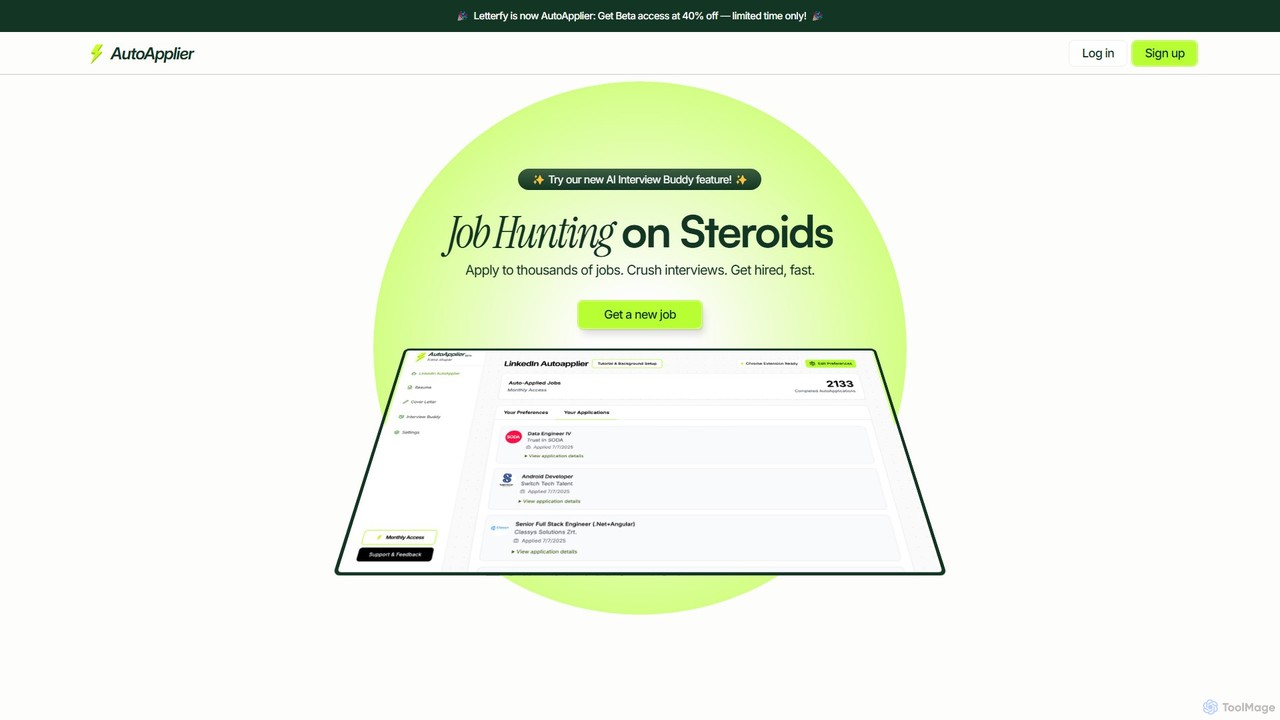
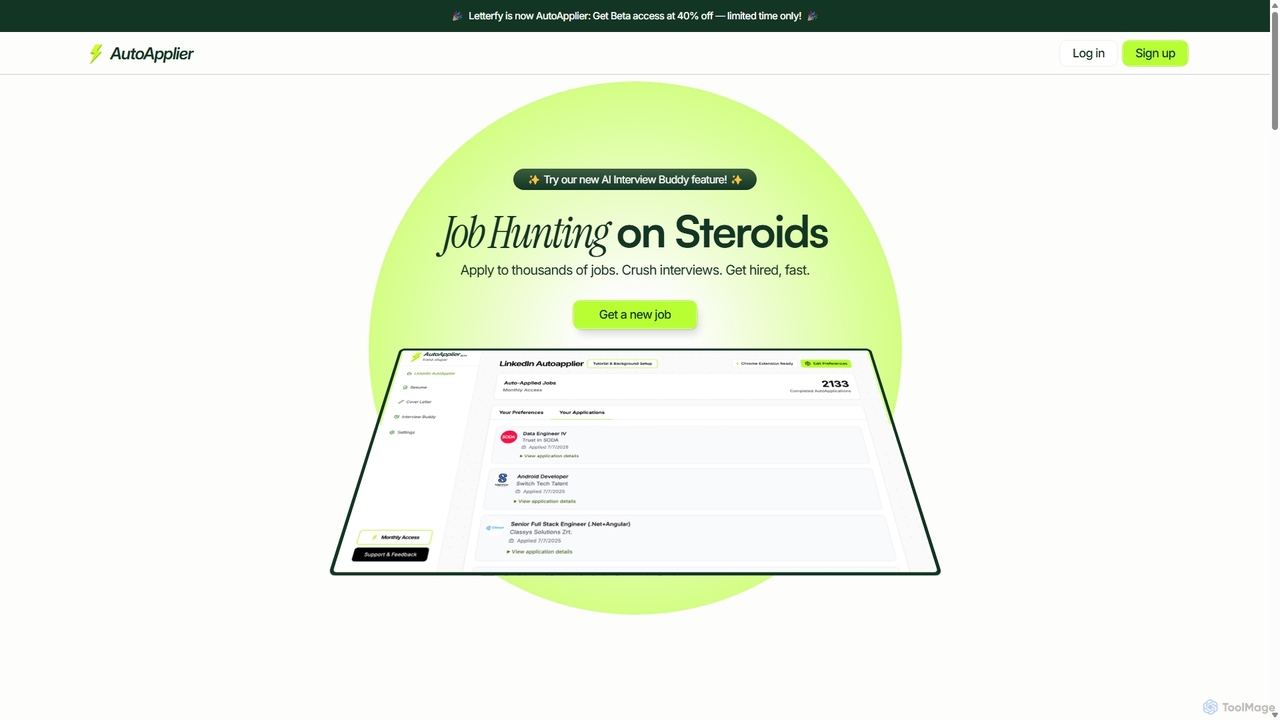
AutoApplier is an AI-powered job search suite designed to automate your entire application process. It features a LinkedIn auto-apply bot, an ATS-optimized resume generator, a personalized cover letter creator, and a real-time AI Interview Buddy. Save hundreds of hours and land your dream job faster by letting AI handle the repetitive tasks while you focus on acing interviews.
Job Search
ApplyPass
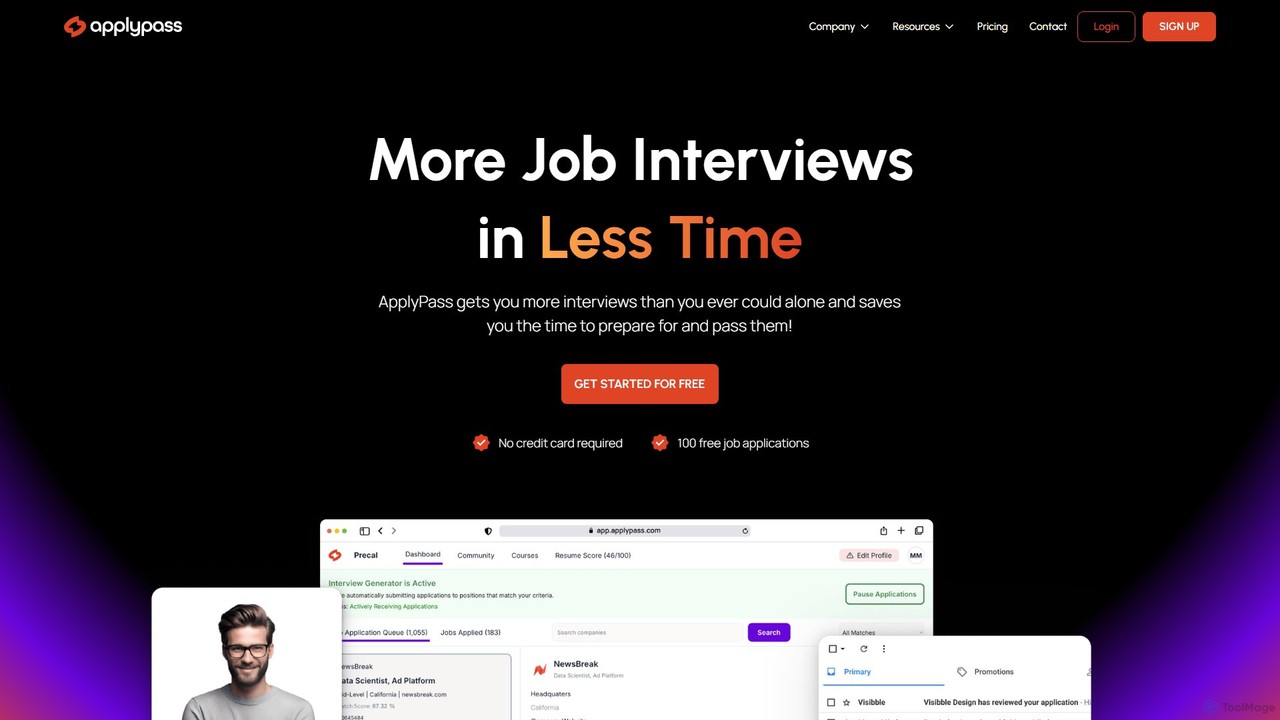
ApplyPass is an AI-powered job search automation platform designed to help professionals, especially in the tech industry, get more interviews with less effort. It optimizes your resume, finds matching jobs, and automatically applies on your behalf, saving you dozens of hours weekly and significantly increasing your interview opportunities.
Personal
InJob.AI
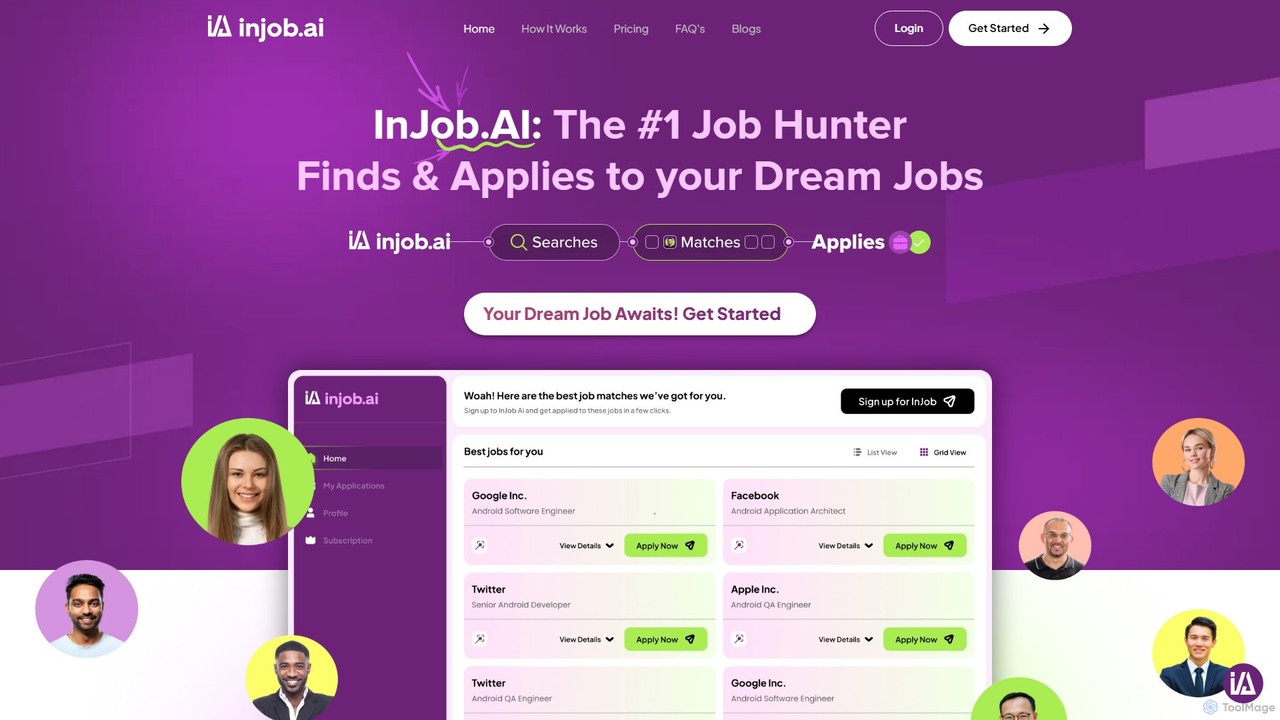
InJob.AI is an AI-powered job search automation platform designed to streamline your career advancement. It learns about your profile from your resume and conversations, then tirelessly scours hundreds of sources for the perfect job matches. The platform crafts custom cover letters for each application and provides a dashboard to track your progress, saving you countless hours in your job hunt.
Job Search
Tuilink
Tuilink is an AI-powered job search platform designed to help you bypass traditional HR filters and connect directly with hiring teams. By using AI to identify key contacts and automating outreach and follow-ups, Tuilink significantly increases your chances of securing an interview, claiming to boost it by up to 5X. It streamlines the job application process, ensuring your resume gets seen by the right people.
Job Search
AI Cover Letter Generator
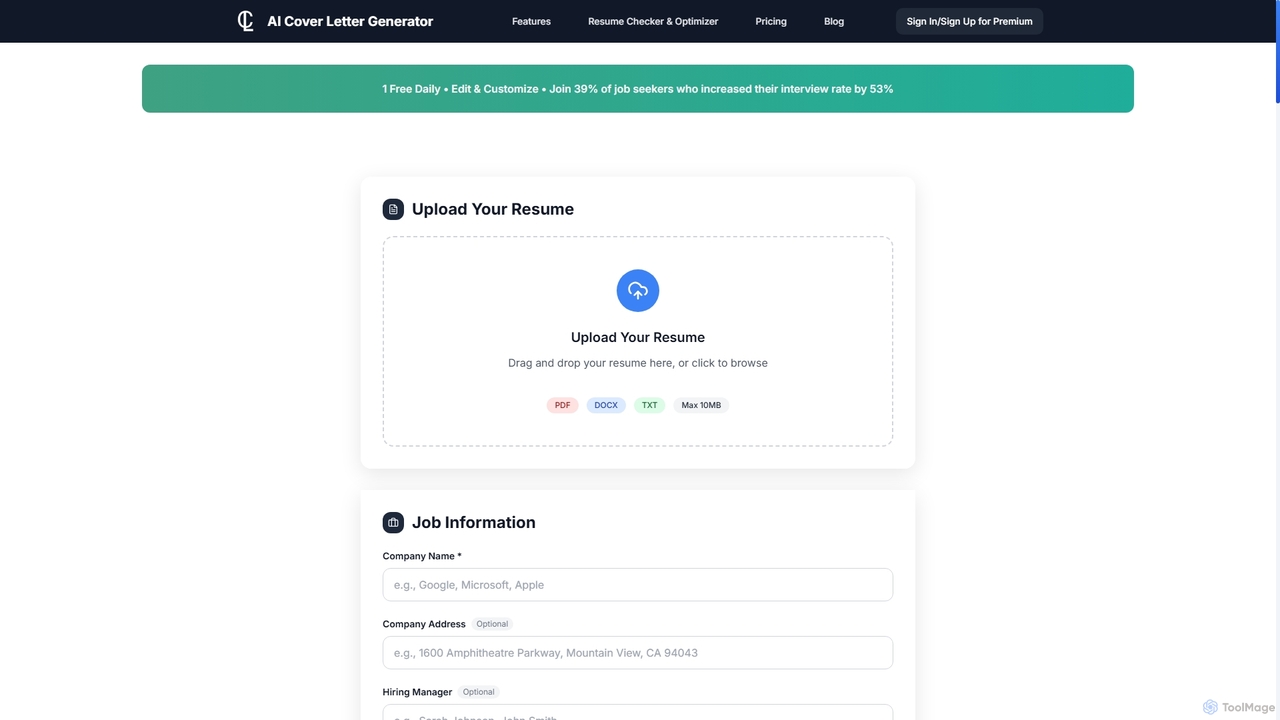
AI Cover Letter Generator is an intelligent tool that leverages artificial intelligence to create personalized, professional cover letters for job applications. It analyzes your resume and the specific job description to craft unique content, aiming to significantly increase your interview callback rates and streamline your job search process.
Content Generation
JobStream
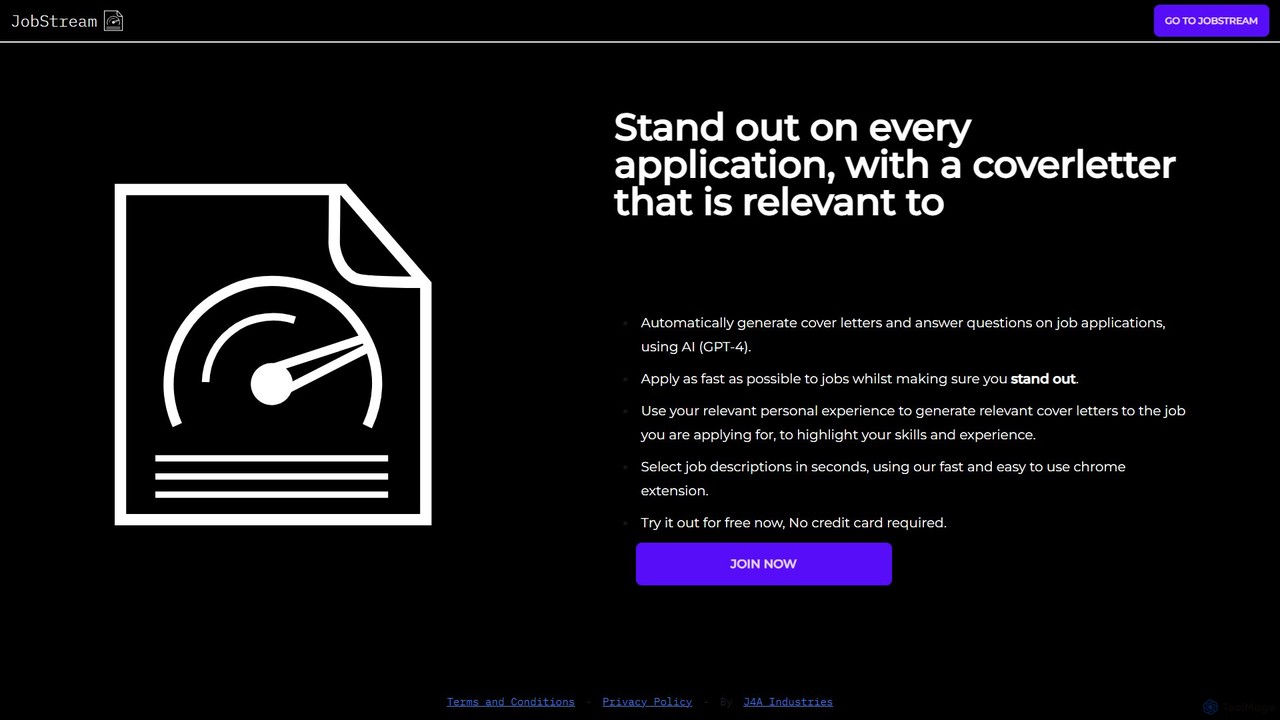
JobStream is an AI-powered Chrome extension that automatically generates personalized cover letters and answers to application questions. Using GPT-4, it analyzes job descriptions and leverages your personal experience to create compelling application materials, helping you apply for jobs faster and stand out to recruiters.
Job Search
AutoApplier
AutoApplier (formerly Letterfy) is an AI-powered platform that automates your entire job search. It automatically applies to jobs on LinkedIn, generates ATS-optimized resumes and cover letters, and provides a real-time AI Interview Buddy to help you ace interviews and land your dream job faster.
Resume
LinkedIn Job Tools
An AI-powered Chrome extension that streamlines your job search on LinkedIn. It offers advanced job filters and automatically generates tailored cover letters for each application, helping you save time and apply more effectively.
Job Search
Sonara
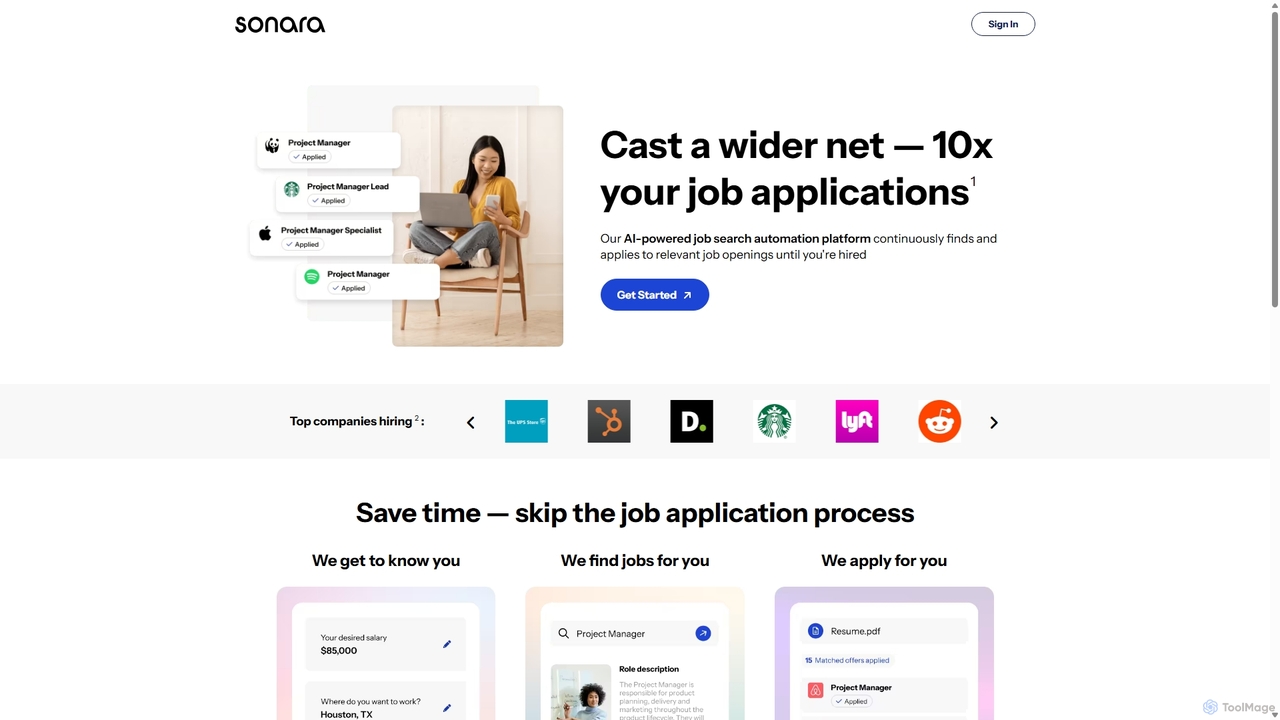
Sonara is an AI-powered job search platform that automates the entire application process. It uses intelligent algorithms to find relevant job openings based on your profile and automatically applies on your behalf, saving you hundreds of hours and significantly increasing your application volume.
Job Search
CoverSentry
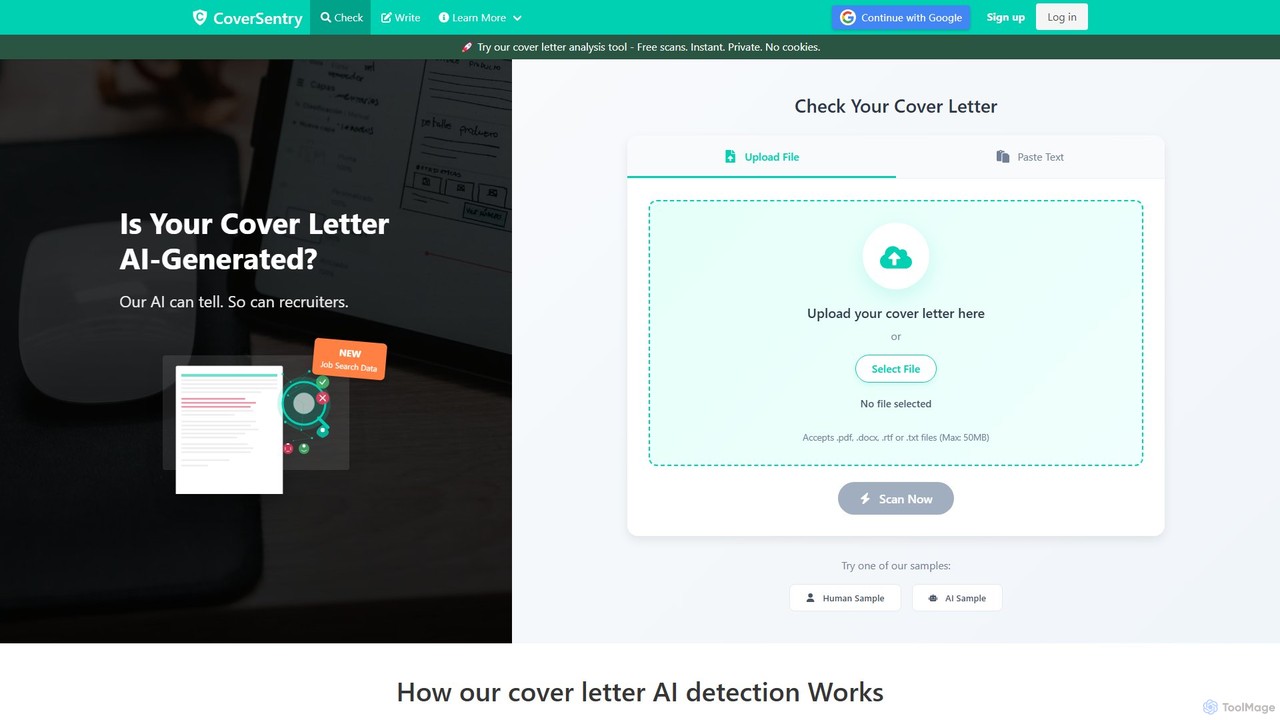
CoverSentry is a specialized AI tool designed for job seekers. It features a free AI detector to scan cover letters for robotic language and a generator to create new, human-sounding cover letters that can bypass detection. It helps ensure your applications appear authentic and professional.
Job Application
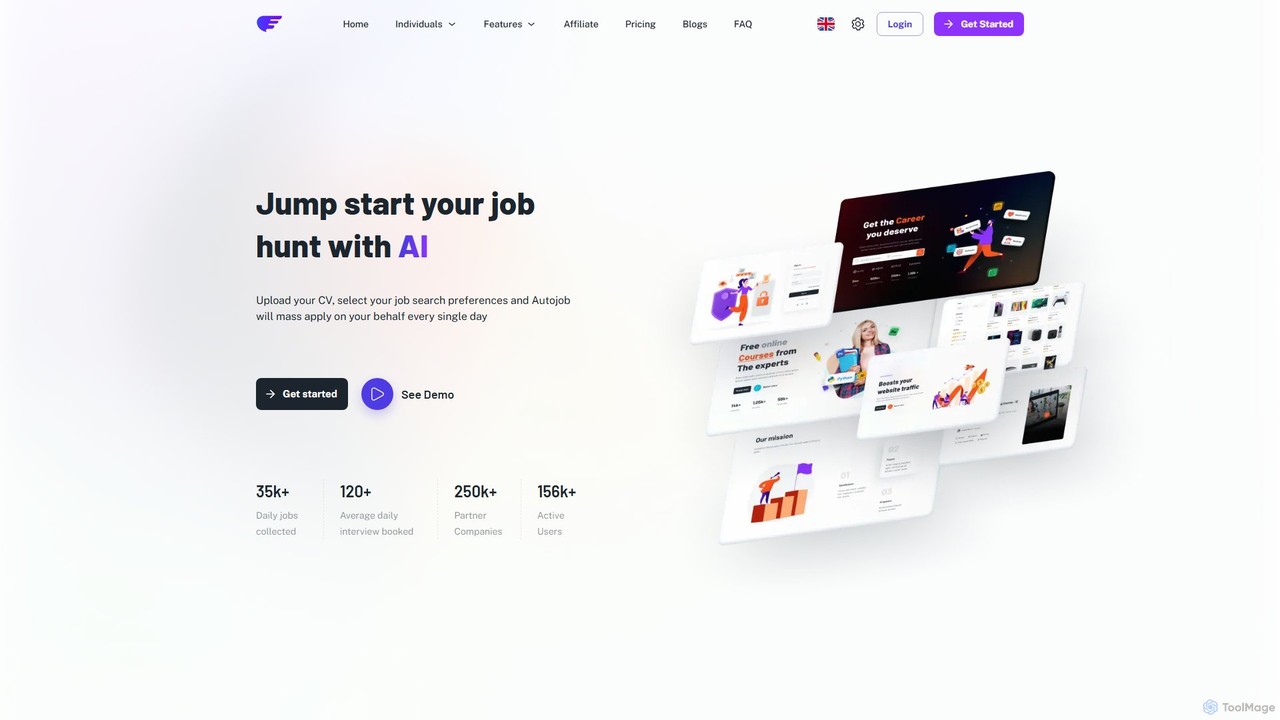
Autojob
Autojob is an AI-powered platform that automates your job search. Simply upload your CV, set your preferences, and Autojob will mass-apply to relevant job openings on your behalf every day. It streamlines the application process, tracks your submissions, and helps you land more interviews with less effort, giving you a competitive edge in the job market.
Personal
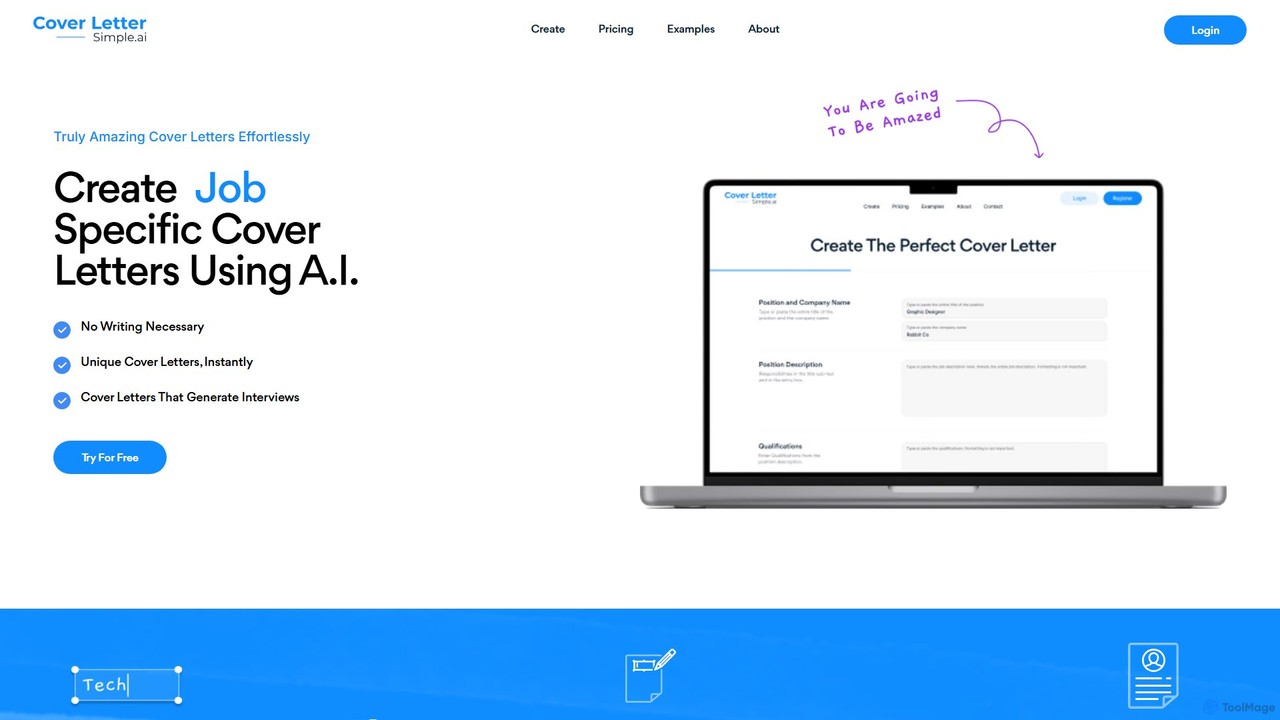
CoverLetterSimple.ai
CoverLetterSimple.ai is an AI-powered tool designed to effortlessly create unique, job-specific cover letters. By analyzing job titles and descriptions, it crafts compelling letters that highlight your most relevant skills and accomplishments, helping you stand out to recruiters and secure more interviews.
Cover Letter Generator