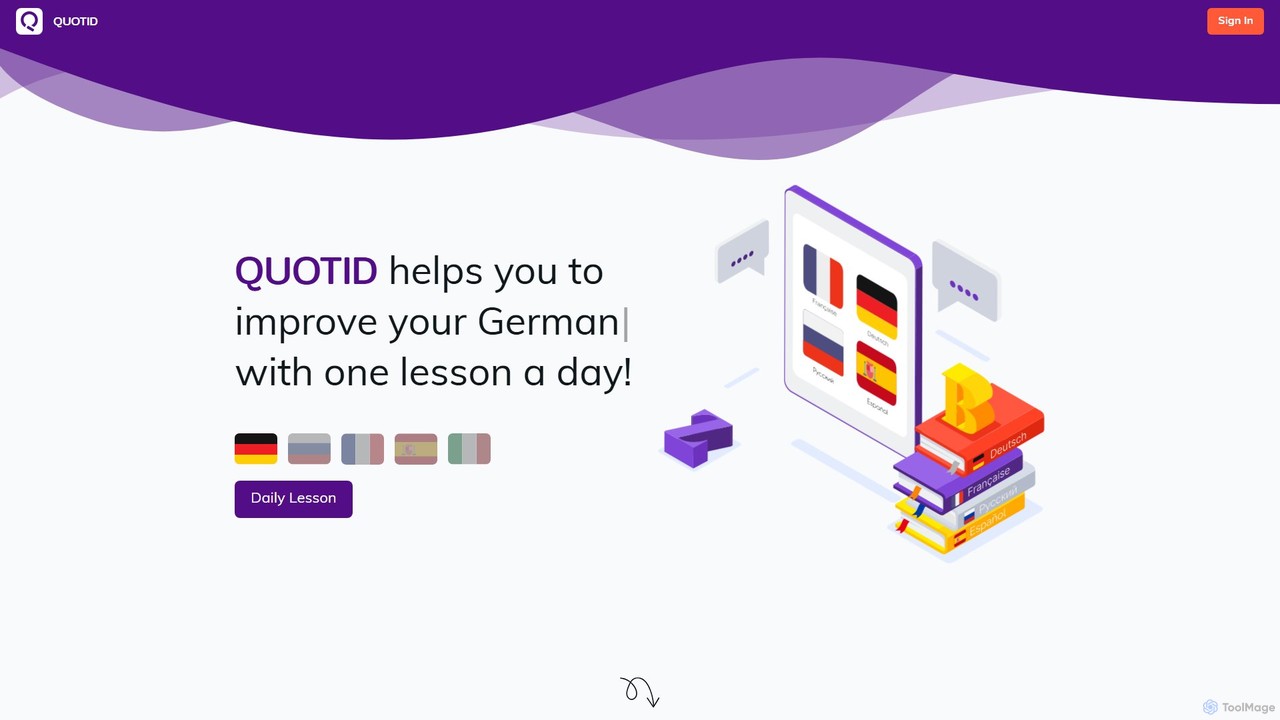
Quotid is an AI-powered language learning companion that helps you improve your skills with one manageable lesson each day. It uses AI to generate diverse daily content and features a built-in spaced repetition flashcard system to reinforce vocabulary, making language learning a consistent and effective habit.

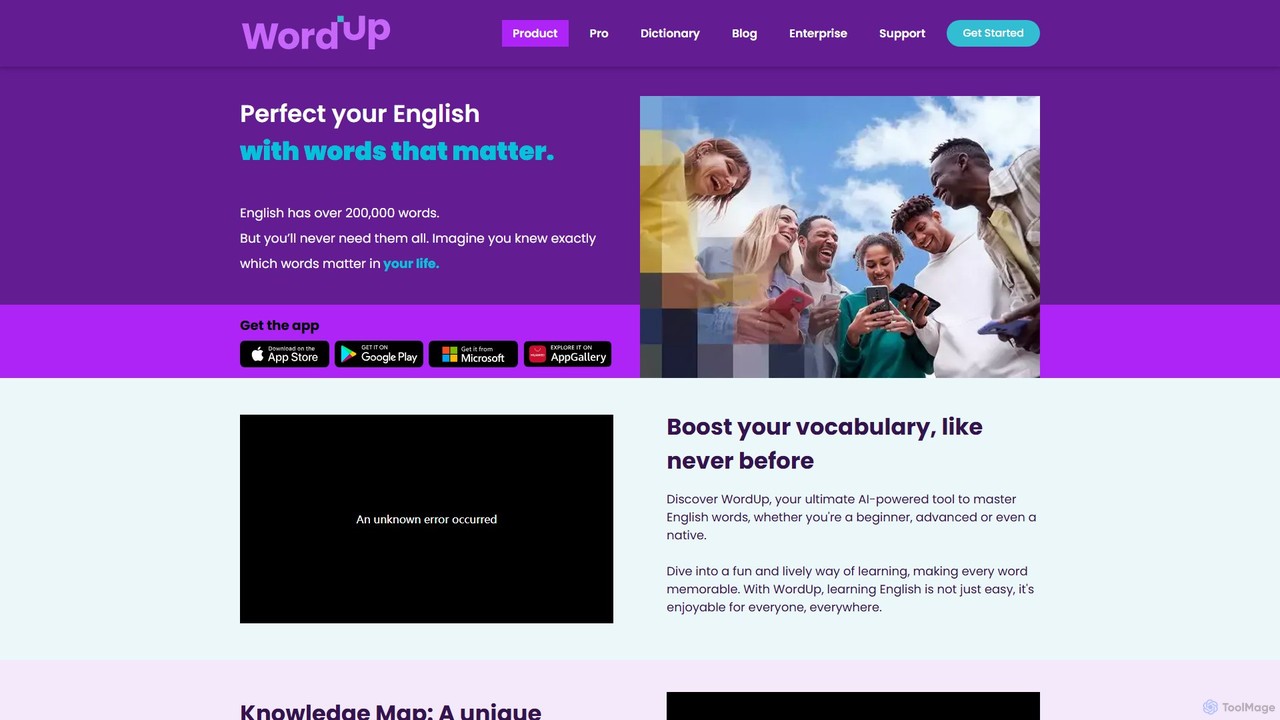
WordUp is an AI-powered vocabulary builder designed to help you master English words that truly matter. Using a unique Knowledge Map, it visualizes your vocabulary, identifies gaps, and creates a personalized, efficient learning path. It's ideal for learners of all levels, from beginners to advanced speakers, and for those preparing for exams like IELTS and TOEFL.
Product overview
Quotid Product overview
Quotid is an AI-powered language learning companion that helps you improve your skills with one manageable lesson each day. It uses AI to generate diverse daily content and features a built-in spaced repetition flashcard system to reinforce vocabulary, making language learning a consistent and effective habit.
WordUp Product overview
WordUp is an AI-powered vocabulary builder designed to help you master English words that truly matter. Using a unique Knowledge Map, it visualizes your vocabulary, identifies gaps, and creates a personalized, efficient learning path. It's ideal for learners of all levels, from beginners to advanced speakers, and for those preparing for exams like IELTS and TOEFL.
Detailed feature comparison
| Feature | Quotid | WordUp |
|---|---|---|
| Primary category | Content Generation | Language Learning |
| Added | 2025-08-05 | 2025-08-08 |
| Pricing | Freemium | Freemium |
| Official website | quotid.me | www.wordupapp.co |
| Product type | Website | App |
| Performance data | ||
| User rating | Not verified | Not verified |
| Comments | 0 | 0 |
| Monthly visits | 4.4K | 65.6K |
| Monthly growth | Not verified | 84.6% |
| Favorites | 118 | 168 |
| Details | View details | View details |
Quotid vs WordUp monthly traffic
Compare Quotid and WordUp by monthly reach, traffic trend, visit depth, top regions, and acquisition sources.
How to interpret the traffic data
In the Quotid vs WordUp monthly traffic comparison, Quotid currently shows 4.4K visits and WordUp shows 65.6K; WordUp has about 15 times the visible traffic of Quotid, an absolute difference of about 61.3K visits. This reflects visible reach, not feature quality or paid users.
Only WordUp has complete third-party traffic details; Quotid uses visits recorded inside ToolMage. These scopes cannot estimate market share directly, and on-site views should not be treated as the product’s total website traffic.
Quotid monthly traffic:
Latest traffic
WordUp monthly traffic:
Latest traffic
Monthly traffic trend
- 2025/9: 184.3K Monthly visits
- 2026/1: 129K Monthly visits
- 2026/2: 61.9K Monthly visits
- 2026/3: 40.5K Monthly visits
- 2026/4: 35.6K Monthly visits
- 2026/5: 65.6K Monthly visits
Top regions
Top 5 countries/regions
| Country/region | Percentage | Traffic |
|---|---|---|
| 🇺🇸United States | 24.88% | 16.3K |
| 🇻🇳Vietnam | 22.3% | 14.6K |
| 🇷🇺Russia | 18.56% | 12.2K |
| 🇮🇳India | 18.3% | 12K |
| 🇩🇪Germany | 15.96% | 10.5K |
Search keywords
Usage comparison
Compare the core capabilities of Quotid and WordUp
Quotid Core features
WordUp Core features
Use cases
Quotid Use cases
WordUp Use cases
Quotid vs WordUp:In-depth comparison and selection guidance
First decide whether the products solve the same kind of need
This in-depth Quotid vs WordUp comparison uses only the product records, taxonomy, audience, traffic, and community signals available on this page. Quotid is primarily listed under “Content Generation”, while WordUp is primarily listed under “Language Learning”, so the first decision is whether your actual task matches their recorded scope.
The structured fields currently show these decision-relevant differences: Primary category (Quotid: Content Generation; WordUp: Language Learning); Product type (Quotid: Website; WordUp: App); Monthly visits (Quotid: 4.4K; WordUp: 65.6K); Favorites (Quotid: 118; WordUp: 168); Website (Quotid: quotid.me; WordUp: www.wordupapp.co). These facts are more useful for selection than brand visibility alone.
What market visibility and monthly traffic mean
In the Quotid vs WordUp monthly traffic comparison, Quotid currently shows 4.4K visits and WordUp shows 65.6K; WordUp has about 15 times the visible traffic of Quotid, an absolute difference of about 61.3K visits. This reflects visible reach, not feature quality or paid users.
Only WordUp has complete third-party traffic details; Quotid uses visits recorded inside ToolMage. These scopes cannot estimate market share directly, and on-site views should not be treated as the product’s total website traffic.
The current traffic scope is not sufficient for a reliable product ranking. Treat monthly visits as a market-interest signal, then decide using taxonomy, use cases, pricing, and a like-for-like trial rather than reading exposure as product capability.
Product positioning, use cases, and roles
Quotid and WordUp currently overlap in shared categories: Language Learning and Personal Development; shared tags: AI tutor, language learning, spaced repetition, and vocabulary builder. This can place both on the same shortlist, but it does not prove equal implementation, depth, or cost.
Quotid's unique categories/tags are Content Generation, AI-generated content, daily lesson, flashcards, and personal development; WordUp's are English learning, idioms, IELTS preparation, personalized learning, and TOEFL preparation. These unique fields are the strongest differentiators: validate the product whose recorded scope matches the task instead of following traffic alone.
What ratings, comments, and favorites can tell you
Quotid has no verified rating, 0 comments, 118 favorites, and 121 likes;WordUp has no verified rating, 0 comments, 168 favorites, and 185 likes。
Neither product has enough rating or comment samples for a credible reputation ranking.
Selection guidance by actual need
When to evaluate Quotid first
Put Quotid on the priority trial list when the task aligns with “Content Generation” and especially Content Generation, AI-generated content, daily lesson, flashcards, and personal development. This follows recorded positioning and does not imply unlisted capabilities are absent.
Quotid also currently records: pricing is freemium, product type is website, 4.4K on-site monthly views, no verified user rating. Verify any hard requirement around price, platform, or reach before trial, and do not let sparse review data substitute for testing.
When to evaluate WordUp first
Put WordUp on the priority trial list when the task aligns with “Language Learning” and especially English learning, idioms, IELTS preparation, personalized learning, and TOEFL preparation. This follows recorded positioning and does not imply unlisted capabilities are absent.
WordUp also currently records: pricing is freemium, product type is app, 65.6K verified monthly visits, no verified user rating. Verify any hard requirement around price, platform, or reach before trial, and do not let sparse review data substitute for testing.
How to validate the recommendation before deciding
The available data describes positioning, public visibility, and community signals, but it cannot prove output quality, speed, integration effort, privacy, or long-term cost in your workflow. Before deciding, run the same representative tasks in Quotid and WordUp, then record completion time, accuracy, manual corrections, and the real paid threshold. A like-for-like trial turns this comparison into a defensible adoption decision.
Comparison FAQ
How should I choose between Quotid and WordUp?
Where does this comparison data come from?
What do unknown fields mean?
Related AI tools

Rootvocab
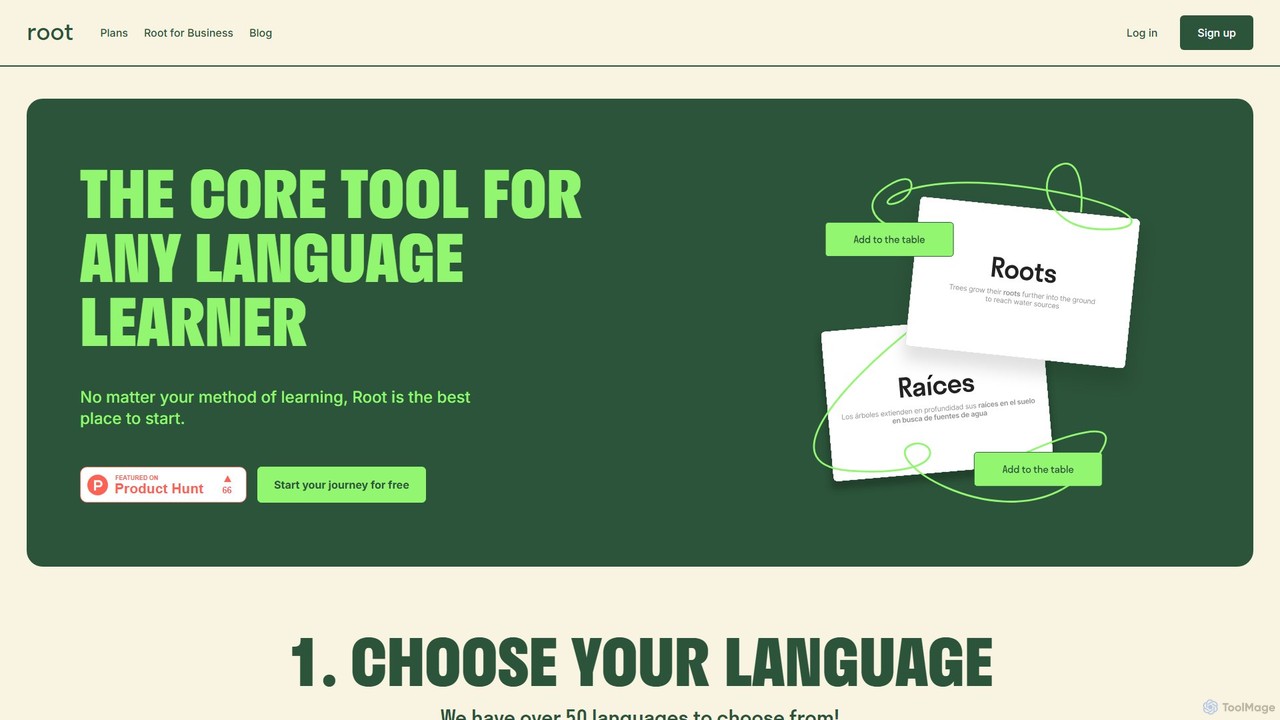
Rootvocab is a personal AI vocabulary assistant designed to make language learning effective and engaging. It supports over 50 languages, allowing users to build vocabulary with AI-generated examples, pronunciations, and translations. The platform features interactive flashcards, games, progress tracking, and advanced tools like AI essay correction, catering to individual learners, tutors, and language academies.
Language Learning
LexiGym
LexiGym is a flexible, AI-enhanced language learning app that acts as your personal vocabulary coach. It allows you to create and import your own dictionaries using Google Sheets, breaking free from the rigid vocabulary lists of other apps. Practice with four distinct, adaptive training modes, including audio exercises, to master words from your own study materials at your own pace.
Language Learning
Avatalks
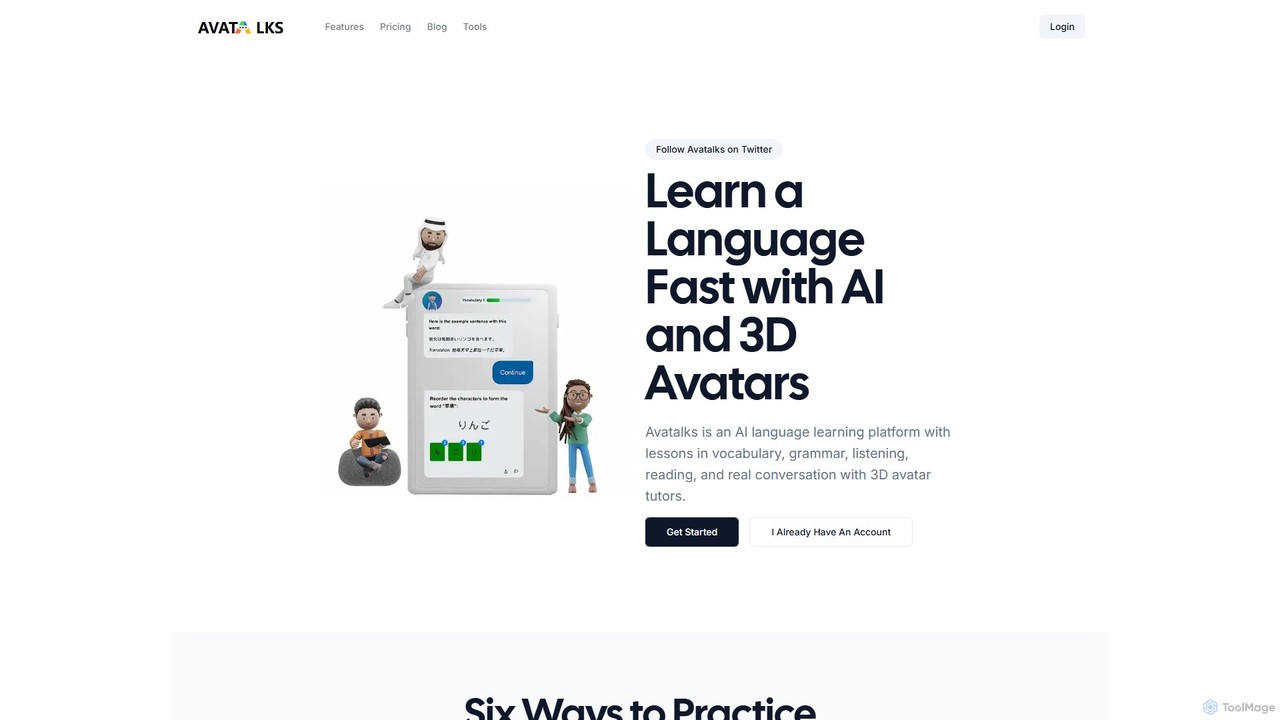
Avatalks is an AI-powered language learning platform that uses interactive 3D avatars as tutors. It offers a comprehensive curriculum covering vocabulary, grammar, listening, reading, and writing, alongside real-time conversational practice. Supporting over 20 languages, Avatalks personalizes the learning journey for each user, adapting to their skill level and providing instant feedback to accelerate fluency.
Virtual Tutors
Braintain
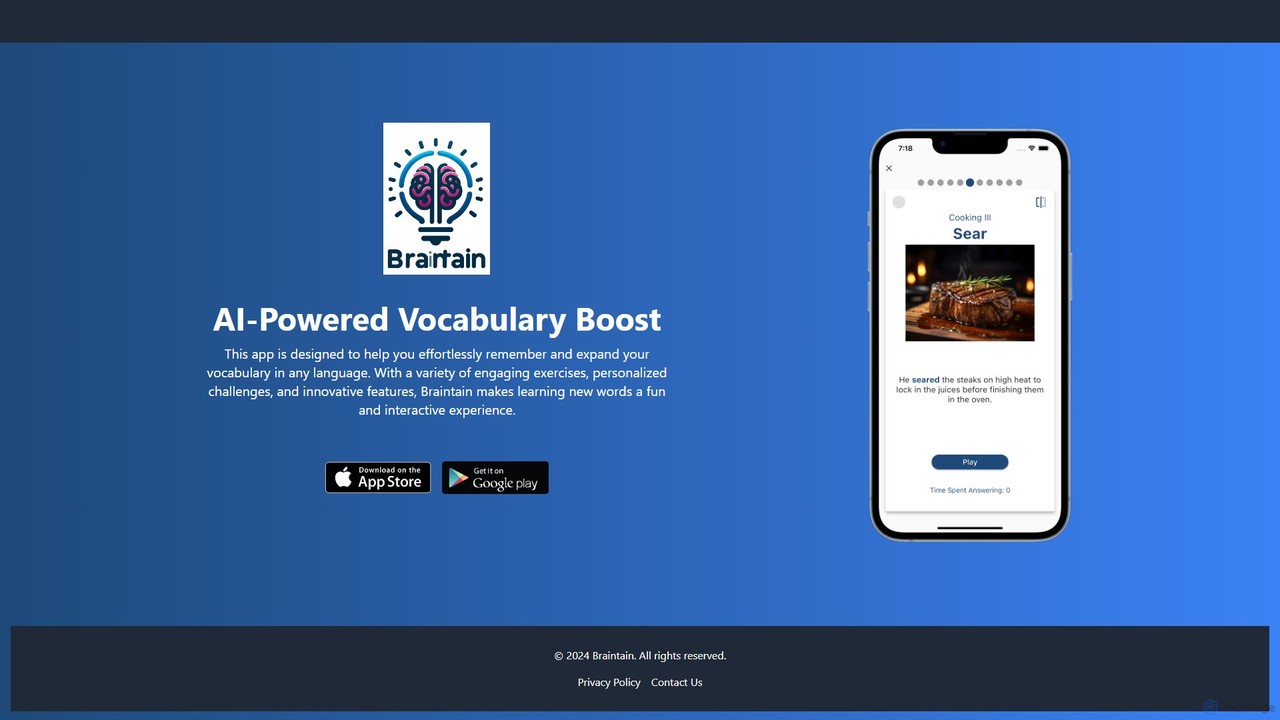
Braintain is an AI-powered language learning app designed to boost your vocabulary retention. Using personalized challenges, gamified exercises, and a smart spaced repetition system, it makes remembering new words in any language effortless and engaging.
Personalized Learning
Atomic Learning
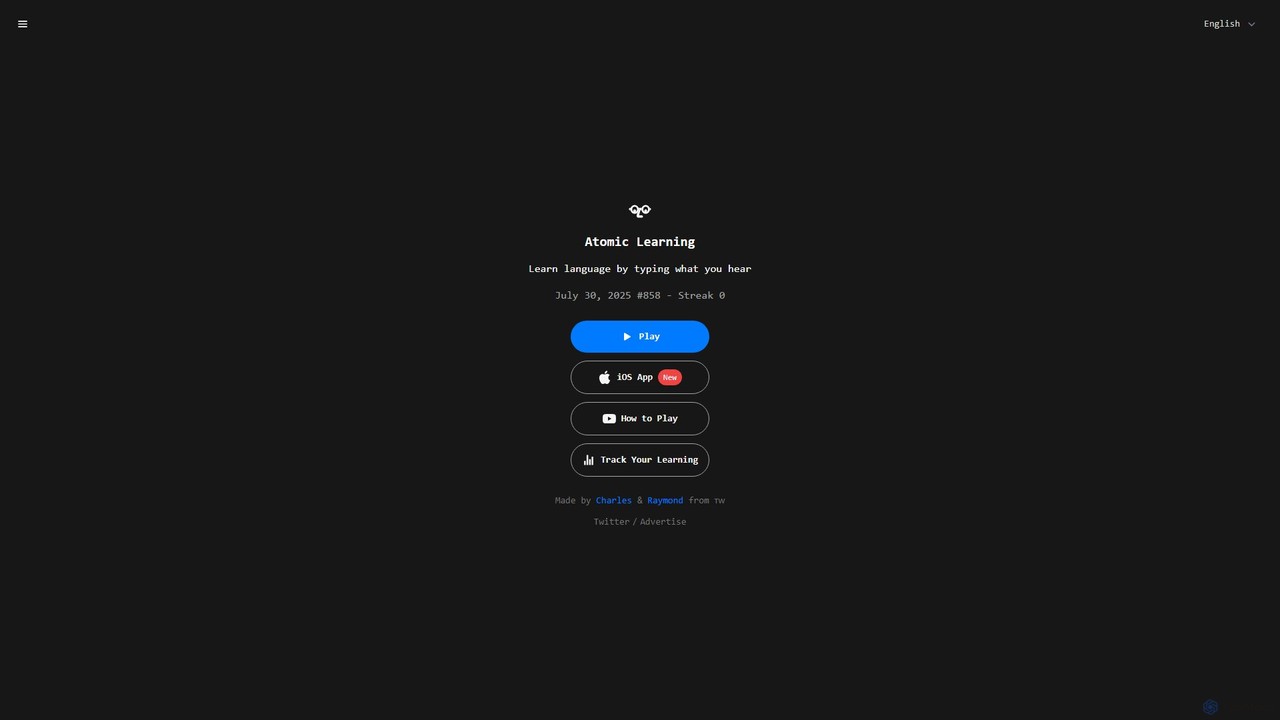
Atomic Learning is an AI-powered language learning platform that helps you master new languages through daily, bite-sized listening challenges. It uses a micro-learning approach to make language acquisition easy, engaging, and effective, fitting perfectly into any busy schedule.
Listening
Vocabulary.live
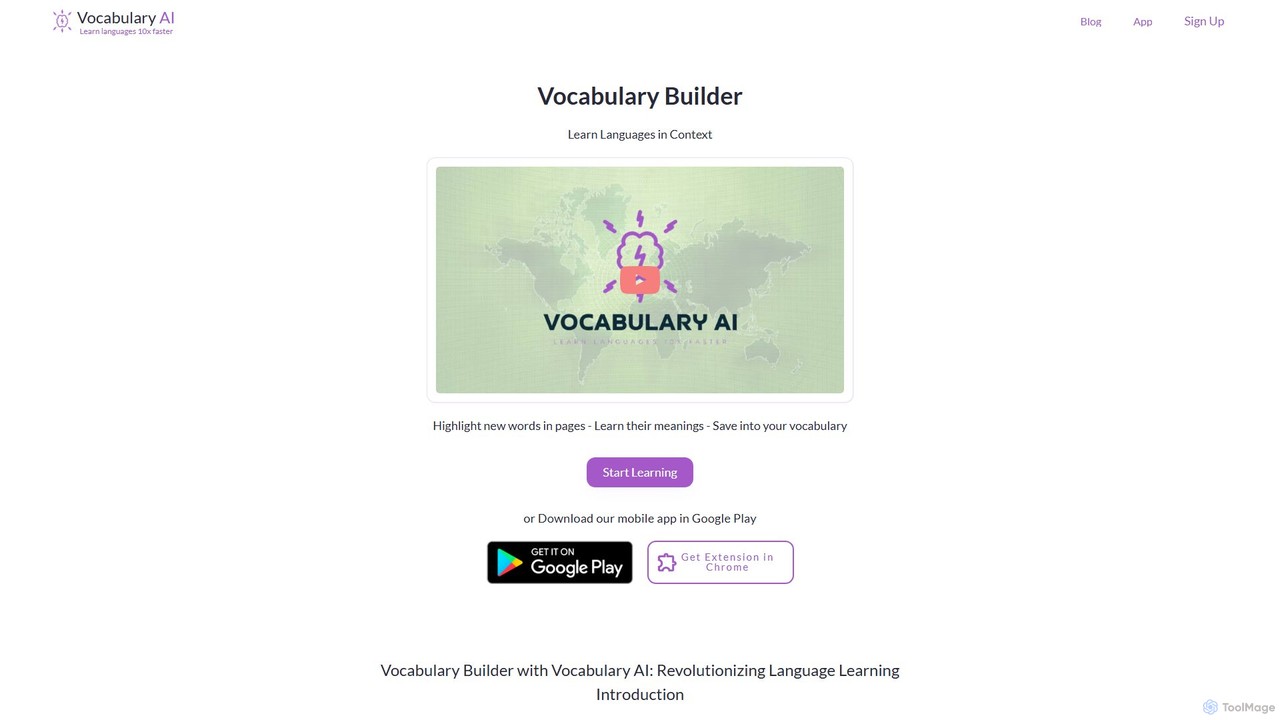
Vocabulary.live is an AI-powered language learning platform that helps you build vocabulary in context. Using a browser extension, you can highlight and save new words from any website. The platform then uses a spaced repetition system based on the Ebbinghaus method to help you effectively memorize and retain them.
Language Learning
Voclipai
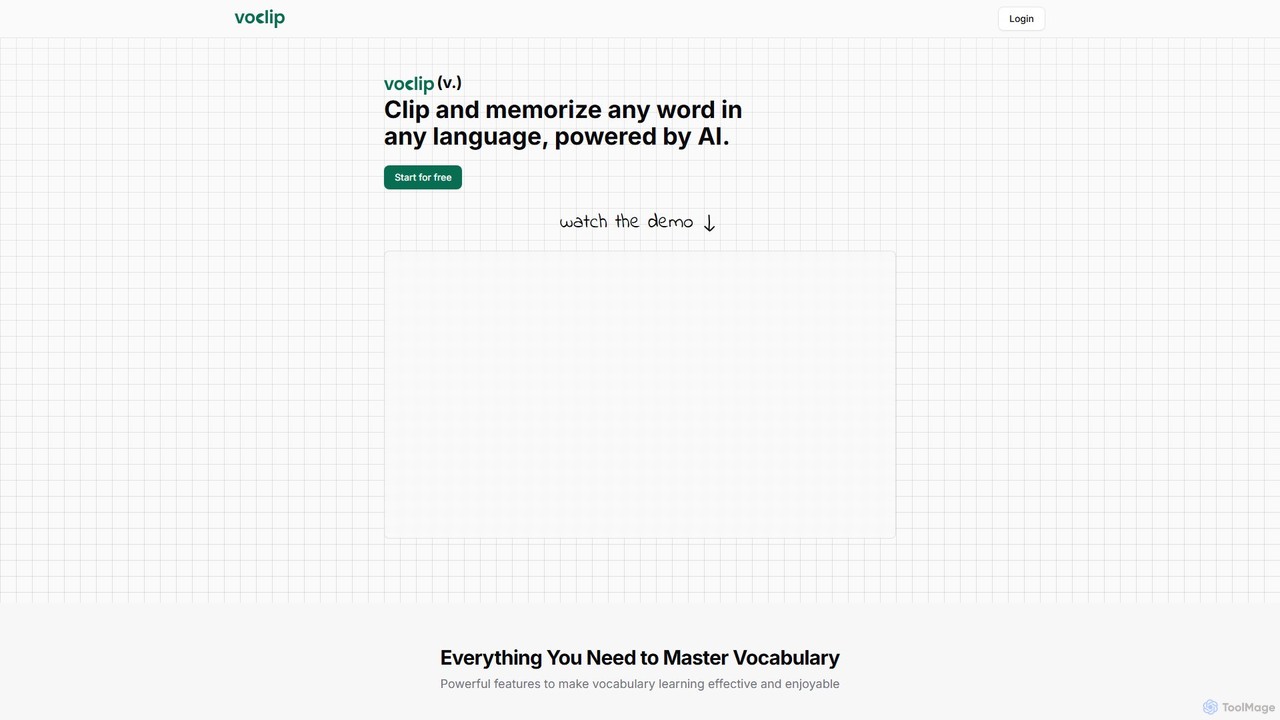
Voclipai is an AI-powered vocabulary learning tool that helps you clip, understand, and memorize words from any language. It uses AI to generate detailed explanations and smart flashcards with a spaced repetition system to make learning effective and personalized.
Language Learning
LanguaTalk
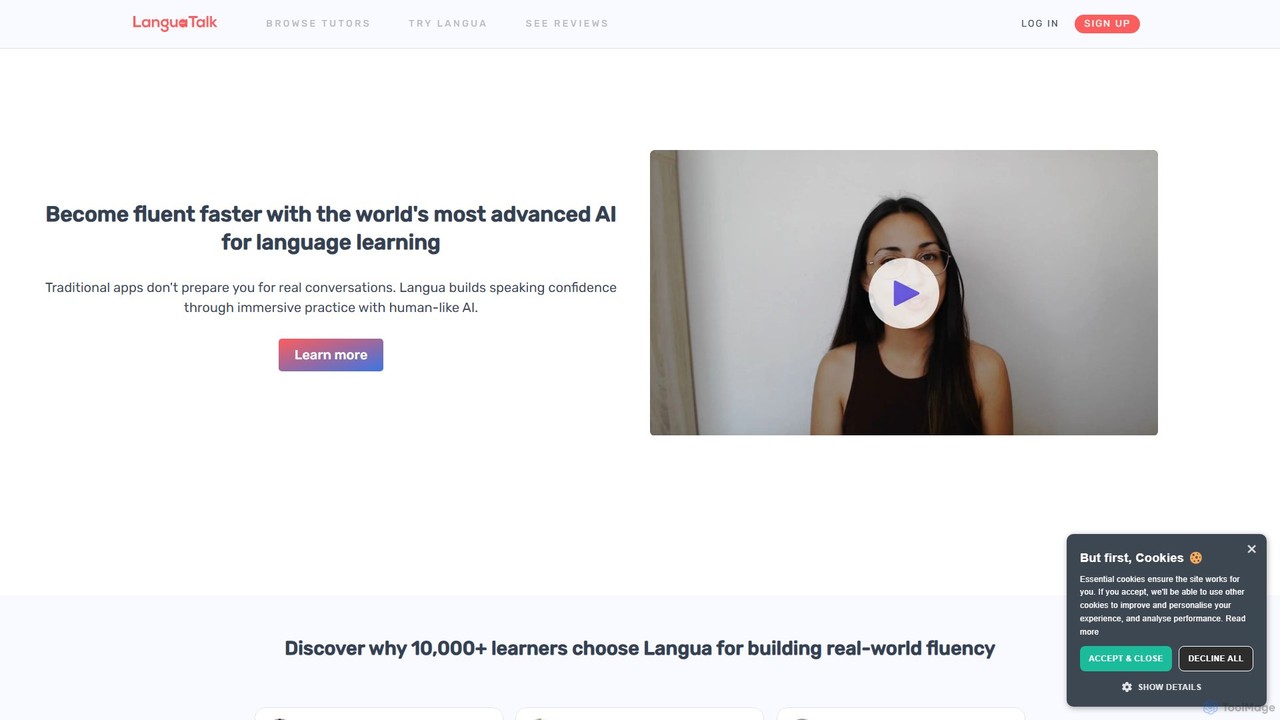
LanguaTalk is a comprehensive language learning platform that combines AI-powered conversation practice with 1-on-1 lessons from top-rated human tutors. Its AI tool, Langua, helps you build speaking confidence through realistic, human-like voice conversations, providing instant feedback and corrections. This dual approach accelerates fluency by offering 24/7 AI practice and personalized guidance from expert teachers.
Virtual Assistant
Atomic Learning
Atomic Learning is an AI-powered language learning platform that uses micro-learning and spaced repetition to make acquiring a new language easy and efficient. It breaks down complex concepts into small, manageable lessons, personalizing the learning path for each user to maximize retention and engagement through gamified challenges.
Personalized Learning
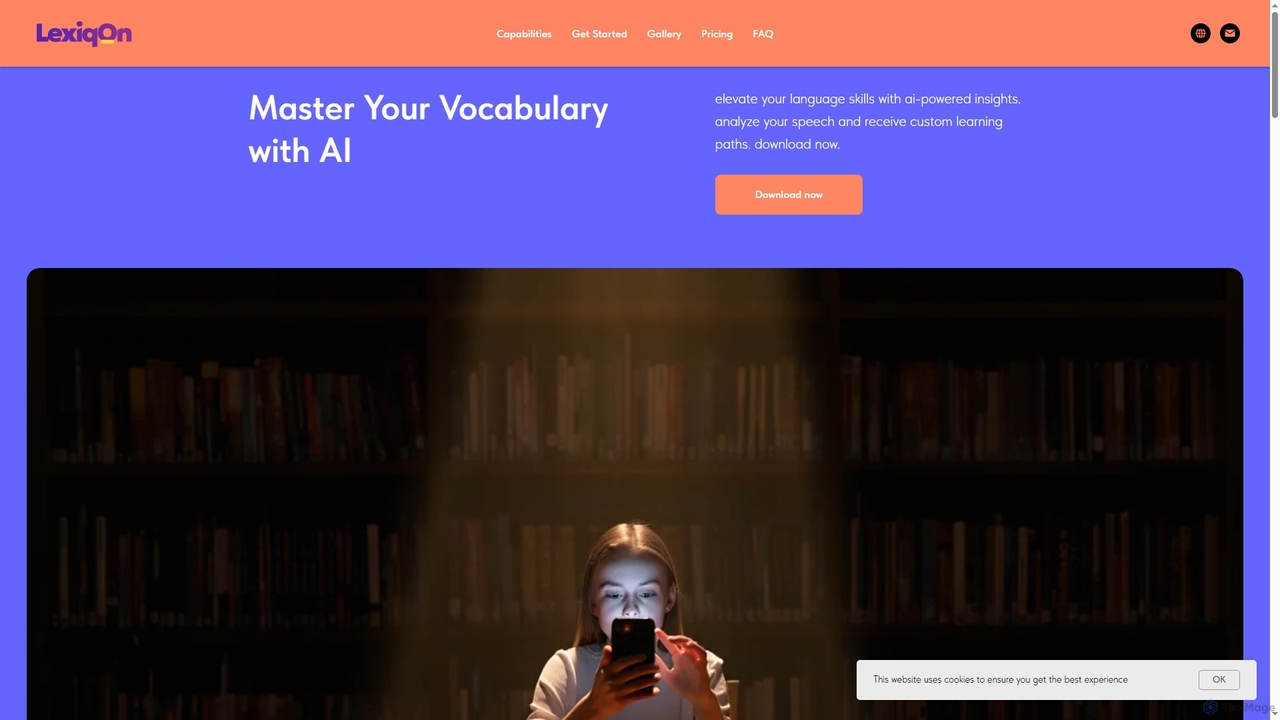
Lexiqon
Lexiqon is an AI-powered vocabulary app for iPhone designed to enhance your language skills. It offers real-time speech analysis, scientifically accurate vocabulary assessment, and personalized learning paths with gamified progress tracking to make learning effective and engaging.
Language Learning
VocAdapt
VocAdapt is an AI-powered language learning platform that uses adaptive technology to create personalized vocabulary lessons. It helps users learn new words efficiently through spaced repetition, contextual examples, and interactive quizzes, tailoring the experience to individual learning paces and goals.
Personalized Learning
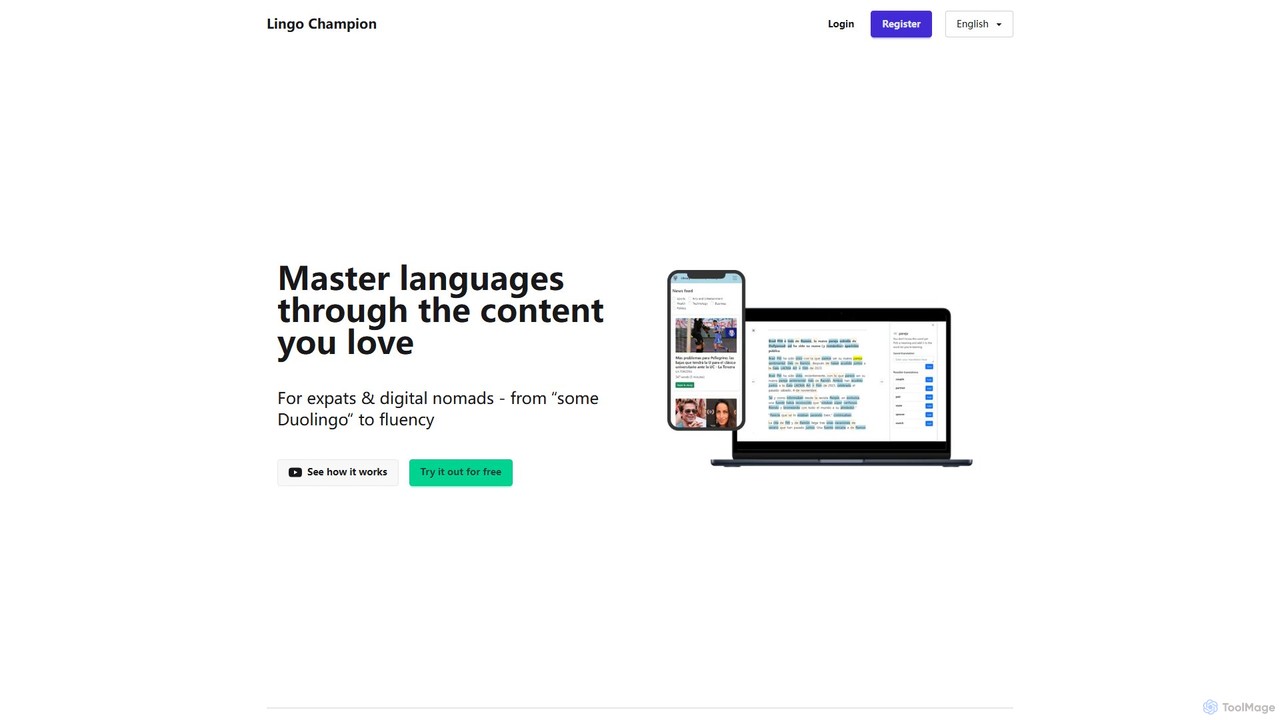
LingoChampion
LingoChampion is an AI-powered language learning platform designed for intermediate learners aiming for fluency. It utilizes the comprehensible input method, allowing users to learn through authentic content they love, such as news articles, videos, and music. With features like AI explanations, vocabulary tracking, SRS flashcards, and an integrated AI chat, it helps users transition from basic knowledge to practical, real-world language proficiency.
Personalized Learning
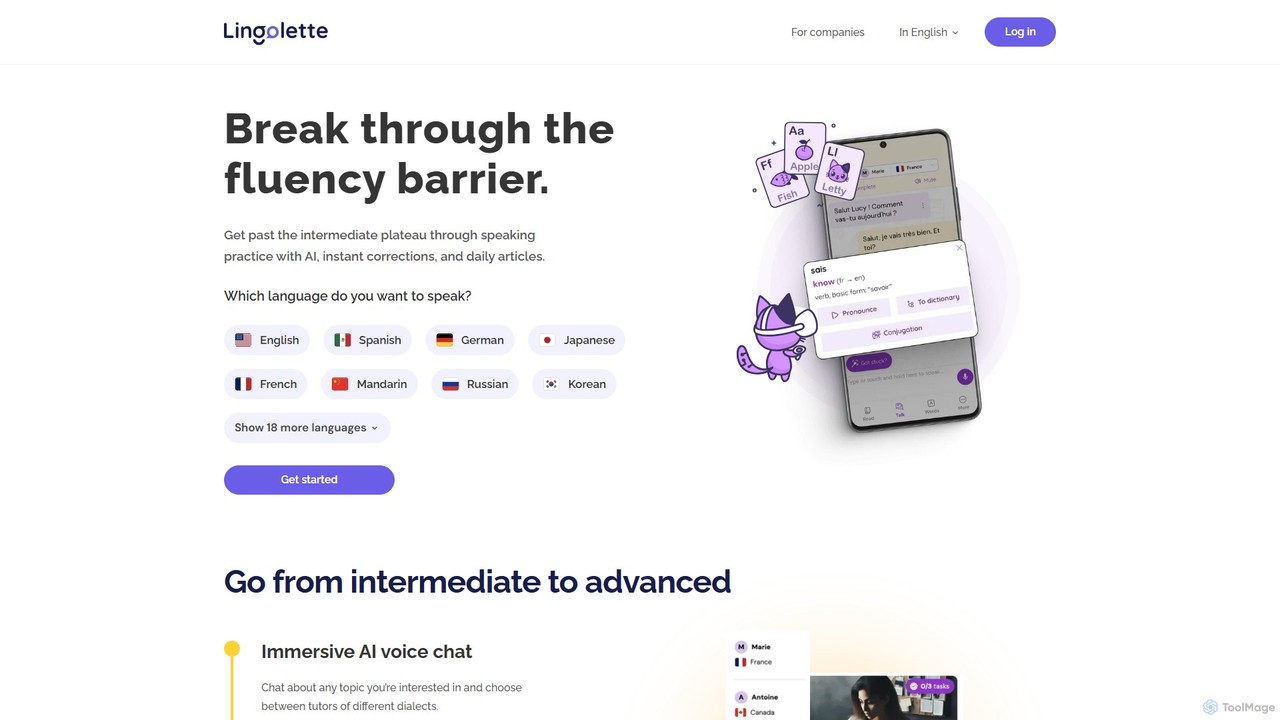
Lingolette
Lingolette is an AI-powered language learning platform designed to help intermediate learners achieve fluency. Through immersive AI voice chat, personalized daily articles, and instant corrections, it provides a safe and effective environment for practicing speaking and writing. Supporting over 25 languages, Lingolette acts as a 24/7 practice partner, adapting to your pace, interests, and learning level, making it an affordable and flexible alternative to traditional language schools.
Language Learning
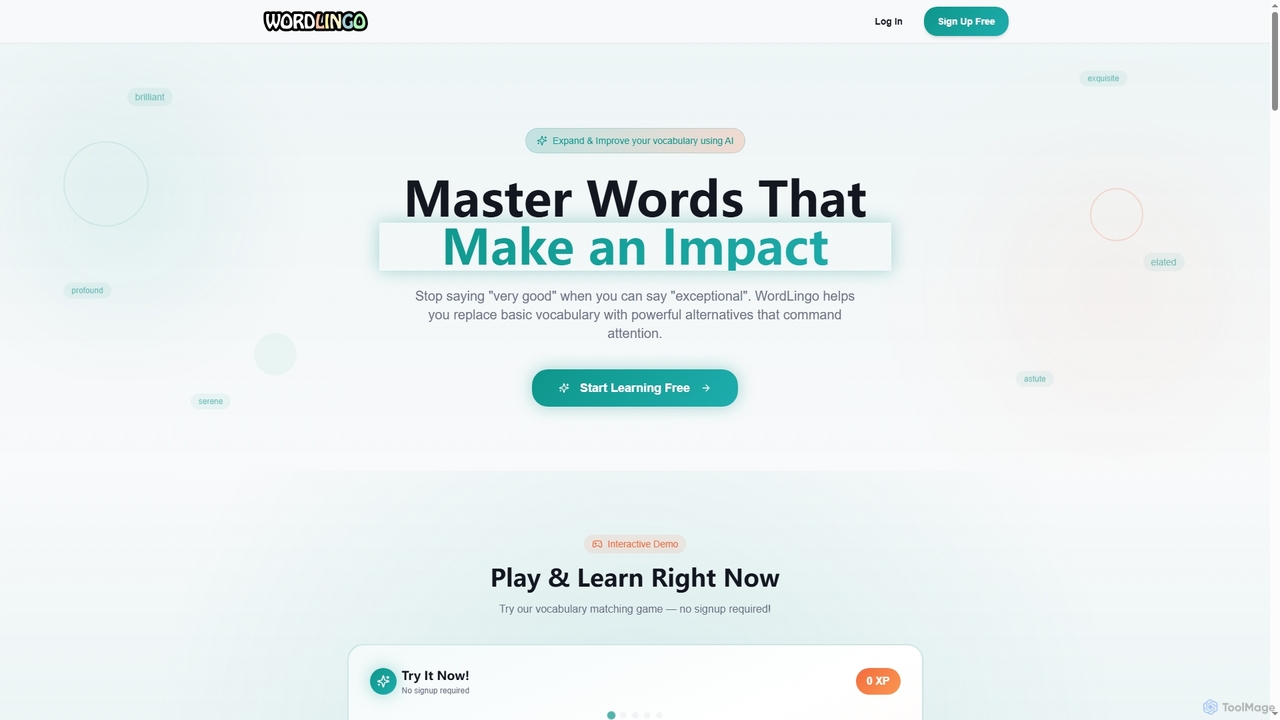
WordLingo
WordLingo is an AI-powered vocabulary builder designed to help users replace common words with powerful alternatives, enhancing communication impact and precision. It offers personalized learning paths, custom classrooms, interactive quizzes, and progress tracking, suitable for students, professionals, and lifelong learners.
Language Learning
Fluentsubs
Fluentsubs transforms YouTube videos into personalized language lessons. Using AI, it generates accurate, interactive dual-language subtitles. Build your vocabulary by saving words, practice with spaced repetition flashcards, and improve listening comprehension with real-world content. Supports over 32 languages, making it an ideal tool for immersive and contextual learning.
Language Learning