
Databass AI Overview
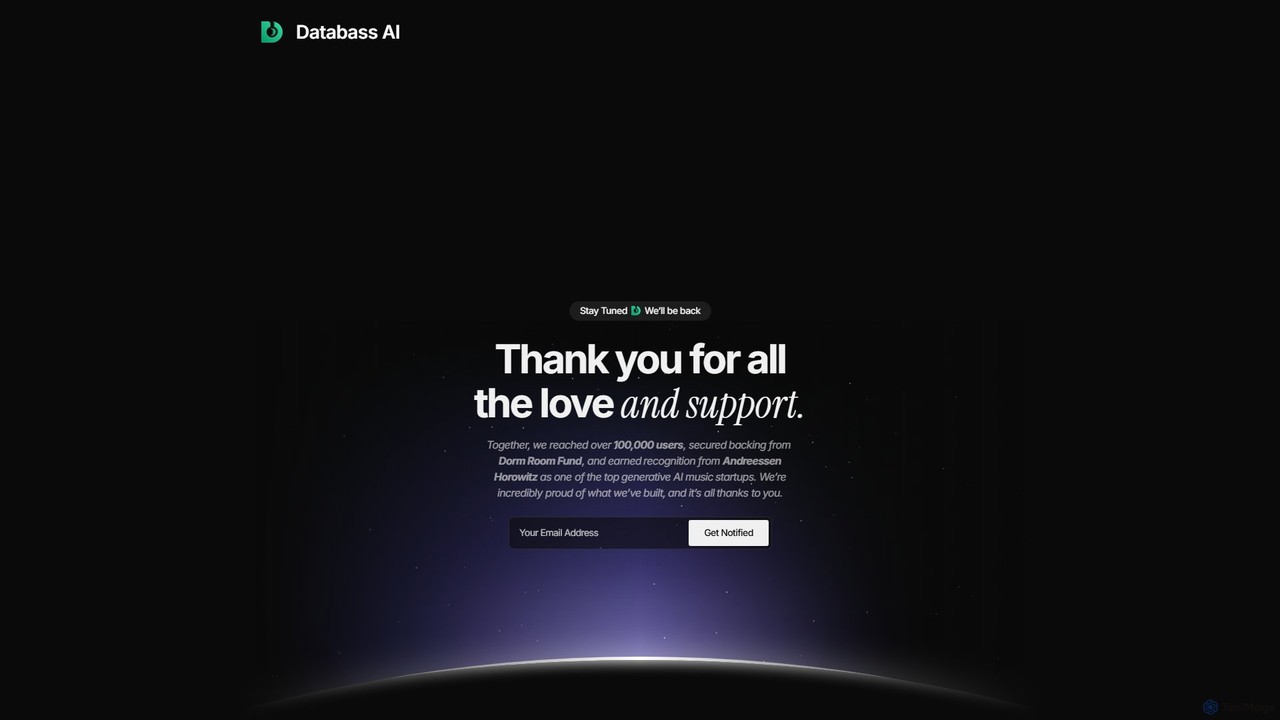
Databass AI emerged as a pioneering force in the generative AI music space, offering a sophisticated yet user-friendly platform for creating original music. Backed by prominent investors like Dorm Room Fund and recognized by Andreessen Horowitz as a leading generative AI music startup, Databass AI quickly garnered a user base of over 100,000. The platform was designed to translate simple text prompts into complex, high-quality musical compositions, making music creation accessible to everyone, regardless of their technical skill. Although the service is currently on a temporary hiatus with plans to return, its impact and technology showcased the future of automated music production.
The core philosophy of Databass AI was to democratize music creation. It provided a seamless interface where users could articulate their musical vision in words and see it come to life in seconds. This powerful tool catered to a diverse audience, from YouTubers needing unique background scores to musicians seeking a spark of inspiration for their next hit.
How to use Databass AI
The platform was designed for simplicity and intuitive interaction. The typical workflow was as follows:
- Describe Your Music: Users would start by typing a descriptive prompt into a text box. This could be as simple as "a chill lo-fi hip hop beat for studying" or as detailed as "an epic orchestral score for a fantasy battle scene, with powerful brass and thundering drums, 140 bpm."
- Refine Parameters: Alongside the text prompt, users could often select specific parameters such as genre (e.g., Pop, Electronic, Cinematic), mood (e.g., Happy, Energetic, Somber), desired instruments, and tempo to further guide the AI.
- Generate and Audition: With a click of a button, the AI would process the input and generate several unique music tracks. Users could listen to these variations to find the one that best matched their vision.
- Iterate and Edit: If the initial results weren't perfect, users could tweak their prompts, regenerate the music, or use potential editing features to extend or shorten a track.
- Download and Use: Once satisfied, users could download the final track in a high-quality audio format (like MP3 or WAV), ready to be used in their projects, often with clear licensing for personal or commercial use depending on their plan.
Core Features of Databass AI
- Advanced Text-to-Music Generation: Utilized a state-of-the-art AI model to interpret natural language prompts and create coherent, high-fidelity music.
- Genre and Mood Versatility: Capable of generating music across a wide spectrum of genres, from electronic and pop to cinematic and ambient.
- Instrument Specification: Offered users the ability to influence the instrumentation of the generated track, specifying elements like 'funky bassline', 'acoustic guitar', or 'synthesizer pads'.
- High-Quality Audio Output: Provided downloads in industry-standard formats, ensuring the music was ready for professional use in videos, podcasts, and other media.
- Royalty-Free Licensing: A key feature was providing clear licensing models, allowing creators to use the music without worrying about copyright strikes or complex legal issues.
- Rapid Iteration: The platform was built for speed, enabling users to generate and audition multiple musical ideas in a matter of minutes.
Use Cases for Databass AI
Databass AI was a versatile tool applicable across various creative and professional fields:
- Content Creators: YouTubers, podcasters, and social media influencers could generate custom, royalty-free background music that perfectly matched the tone of their content.
- Musicians and Producers: Songwriters and producers could use the platform to brainstorm new melodies, create backing tracks for practice, or break through creative blocks.
- Game and App Developers: Indie developers could quickly and affordably produce entire soundtracks and ambient music for their games and applications.
- Marketing and Advertising: Agencies could create unique jingles and background scores for commercials, promotional videos, and corporate presentations.
- Filmmakers: Independent filmmakers could score their short films and projects without the high cost of hiring a composer.
Advantages of Databass AI
The platform stood out due to several key advantages:
- Accessibility: It removed the steep learning curve and technical barriers associated with traditional music production.
- Speed and Efficiency: It drastically reduced the time required to source or create custom music, from days or weeks to mere minutes.
- Cost-Effectiveness: It offered an affordable alternative to licensing stock music or commissioning custom pieces from composers.
- Creative Empowerment: It served as a powerful creative partner, enabling users to explore musical ideas that they might not have the skills to produce otherwise.
- Uniqueness: Unlike stock music libraries, every piece generated could be unique to the user's prompt, reducing the chance of hearing the same track in multiple places.
Pricing and Plans
While the service is currently unavailable, Databass AI likely operated on a freemium model, which is common for such platforms. A potential pricing structure would have included:
- Free Tier: Offering a limited number of monthly song generations, standard quality downloads (e.g., MP3), and a license for personal, non-commercial use only.
- Creator/Pro Tier: A monthly subscription providing a higher number of generations, high-quality WAV downloads, and a commercial license to use the music in monetized content.
- Business/Enterprise Tier: Custom plans for agencies and businesses requiring a large volume of music, API access for integration, and premium support.
Databass AI Alternatives
MusicHero
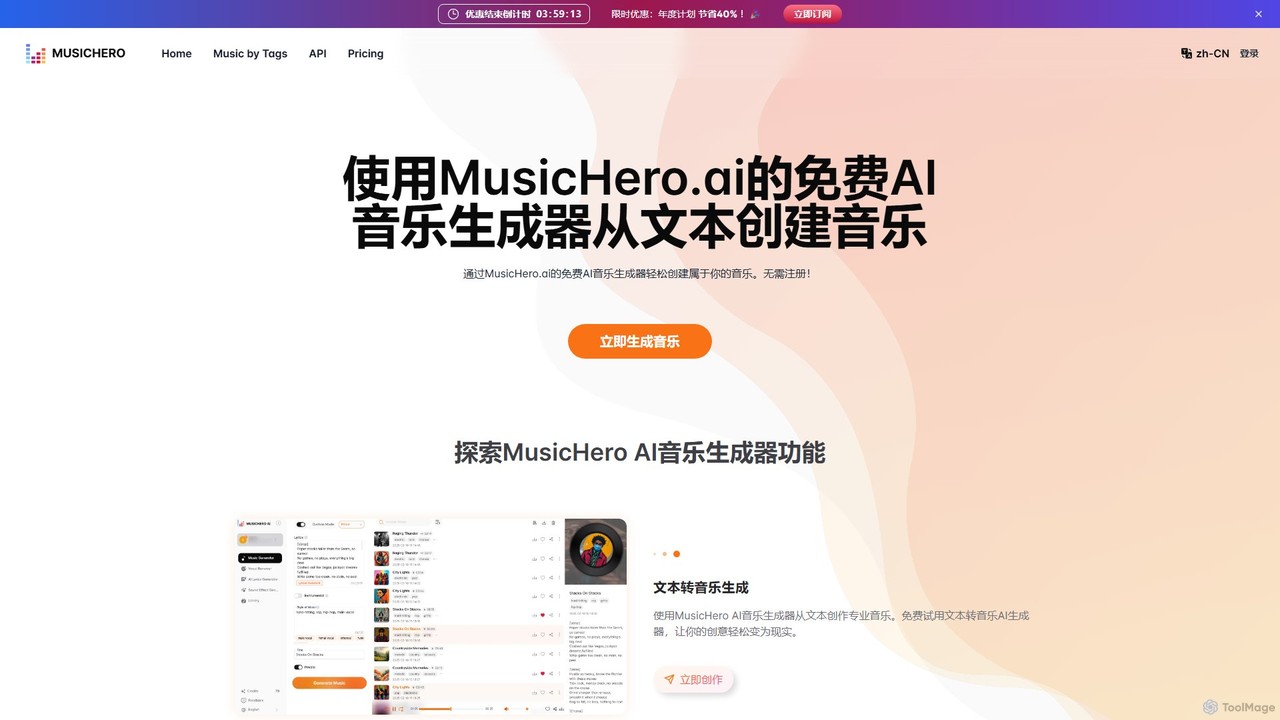
MusicHero is a powerful AI music generator that allows users to create high-quality, royalty-free music from text prompts. It offers a suite of tools including a vocal remover, lyric generator, sound effect creator, and MP4 lyric video generator, making it a comprehensive solution for content creators, musicians, and businesses.
Music Generation
Splash
Splash is an AI-powered music creation platform that enables users to generate original songs, instrumental tracks, and vocals from simple text prompts. It combines text-to-music and text-to-singing technologies, making music production accessible to everyone, from content creators to professional musicians.
Music Generation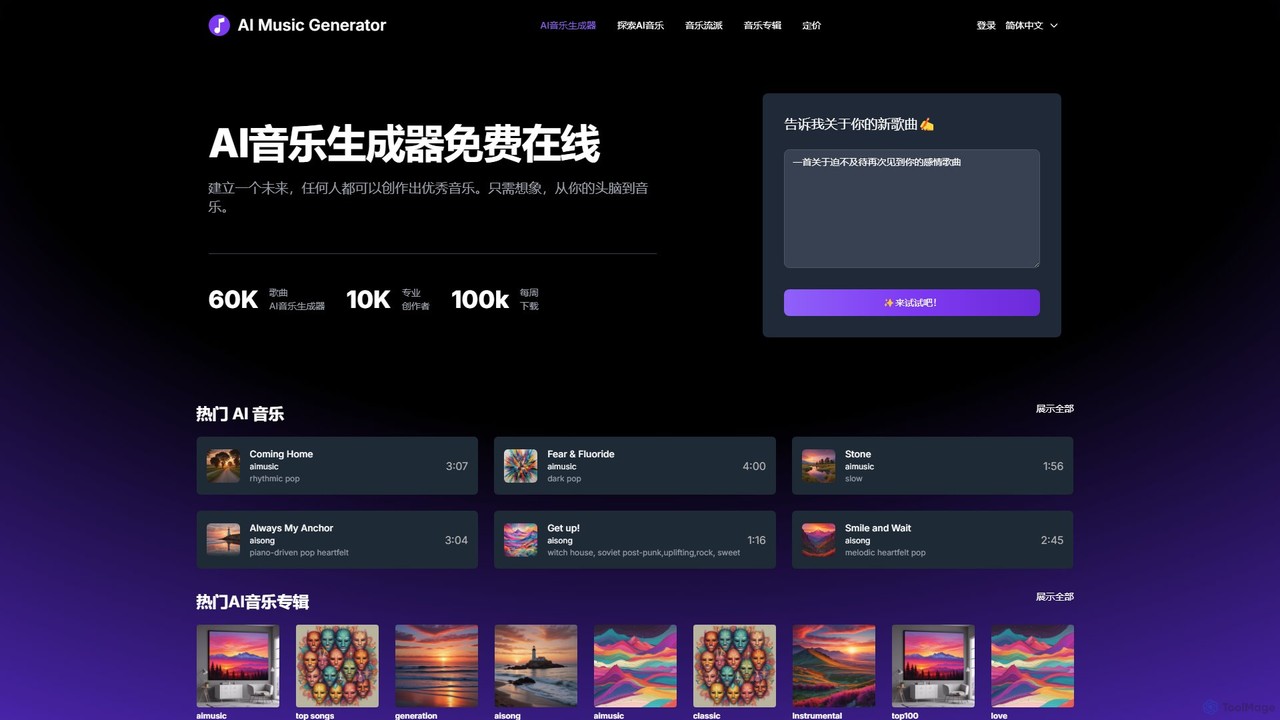
ai_music_generator
An AI-powered music generator that creates high-quality, royalty-free music from simple text prompts. It supports a wide range of genres and offers customization options, making it ideal for content creators, musicians, and businesses looking for unique audio tracks.
Music Generation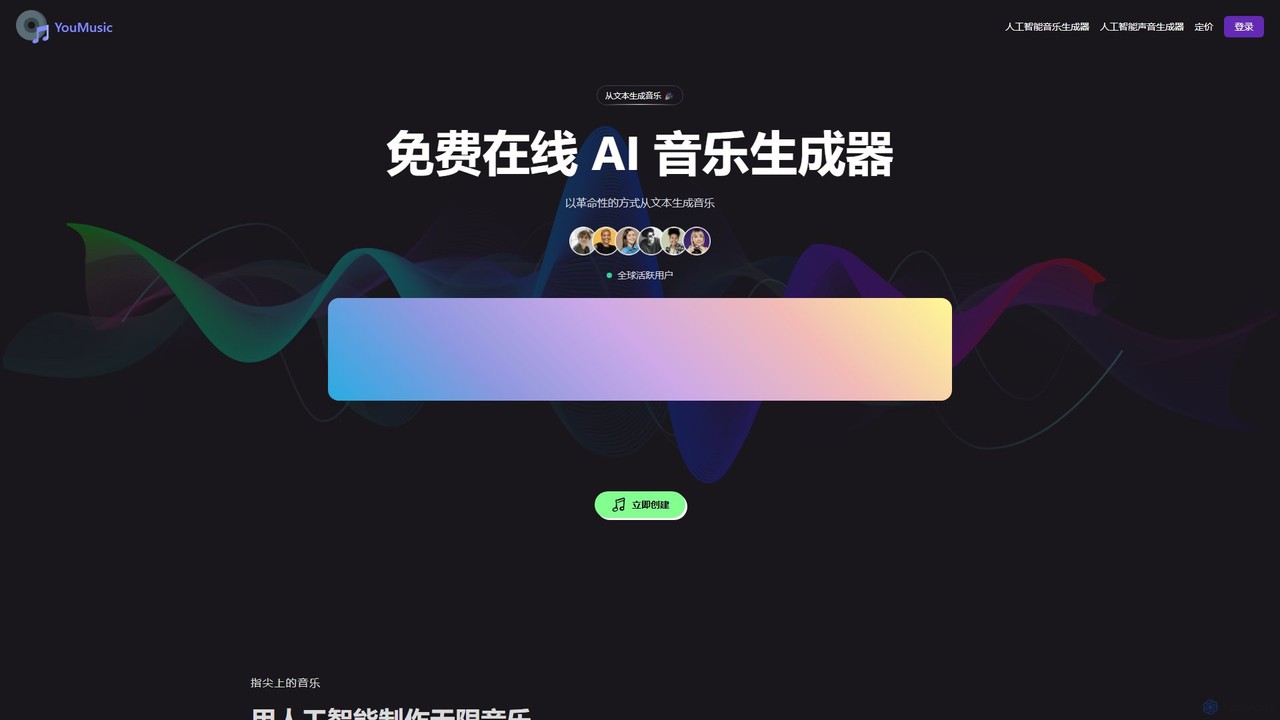
YouMusic.AI
YouMusic.AI is a powerful AI music generator that creates unique, royalty-free, full-length songs from simple text prompts. Designed for content creators, musicians, and developers, it offers a fast and intuitive way to produce high-quality custom music for videos, games, podcasts, and commercial projects without copyright concerns.
Music Generation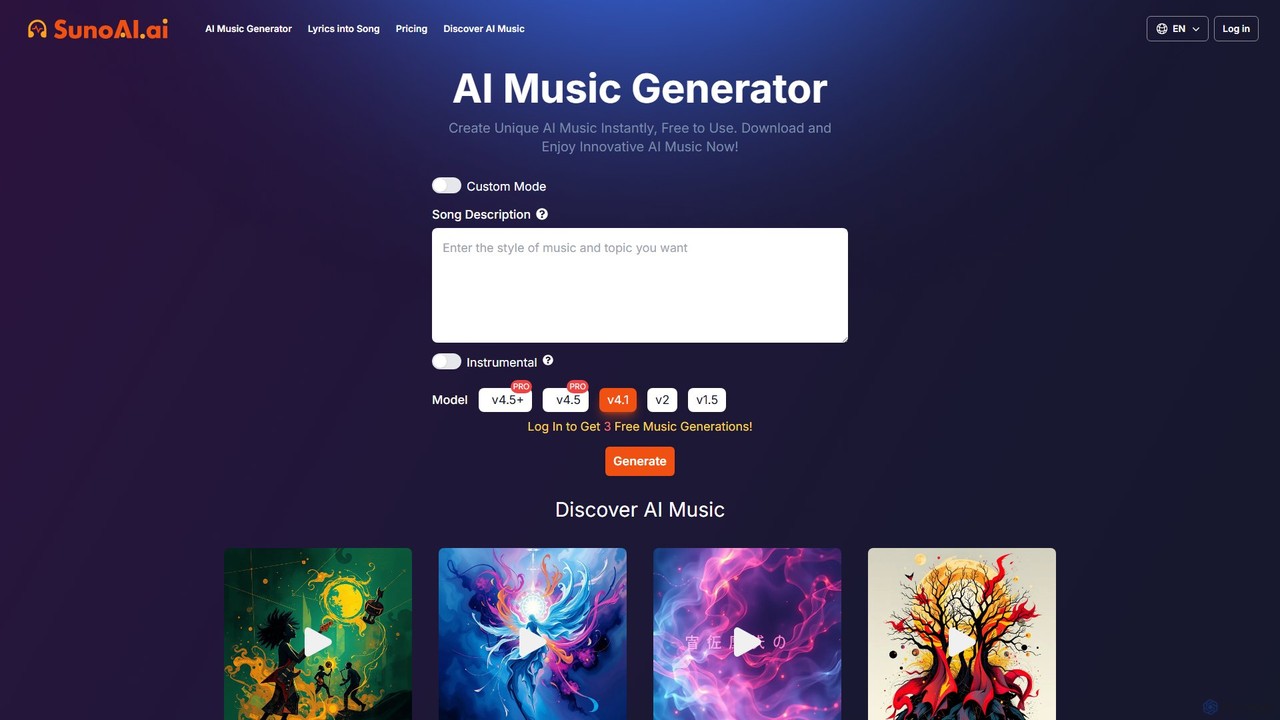
sunoai
sunoai is an advanced AI music generator that transforms text prompts and lyrics into high-quality, full-length songs across a wide variety of genres. It offers customizable options for style, tempo, and instruments, making it ideal for musicians, content creators, and hobbyists. With both free and premium plans, users can instantly create unique, studio-quality music for any project.
Music GenerationDatabass AI Categories
Databass AI Embed Widget
Copy this embed code to place the badge on your blog, article, or product site and send readers directly to this ToolMage detail page.

Related AI tools
ai_music_generator
An AI-powered music generator that creates high-quality, royalty-free music from simple text prompts. It supports a wide range of genres and offers customization options, making it ideal for content creators, musicians, and businesses looking for unique audio tracks.
Music GenerationYouMusic.AI
YouMusic.AI is a powerful AI music generator that creates unique, royalty-free, full-length songs from simple text prompts. Designed for content creators, musicians, and developers, it offers a fast and intuitive way to produce high-quality custom music for videos, games, podcasts, and commercial projects without copyright concerns.
Music Generation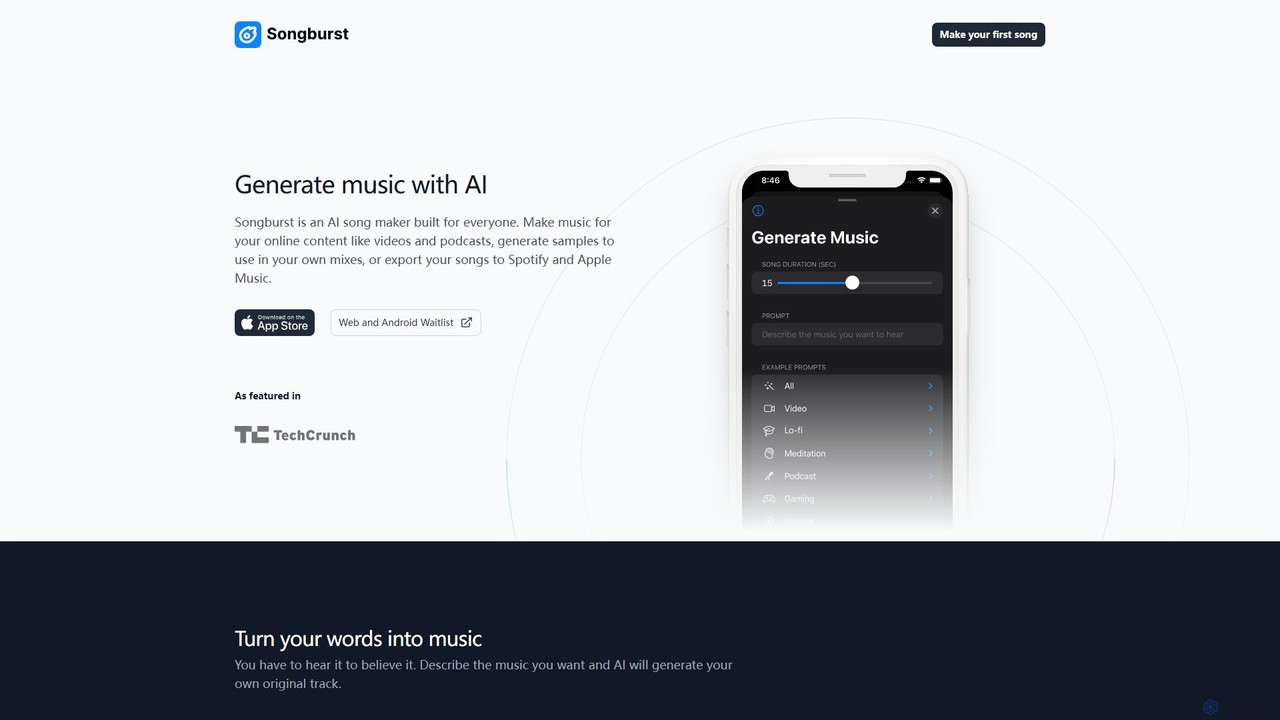
Songburst
Songburst is an AI-powered music generator that transforms text prompts into original, high-quality songs. Designed for content creators, musicians, and developers, it allows you to create custom music for videos, podcasts, games, and more. Download unlimited tracks in MP3 or WAV and use them anywhere.
Generative ArtMusicHero
MusicHero is a powerful AI music generator that allows users to create high-quality, royalty-free music from text prompts. It offers a suite of tools including a vocal remover, lyric generator, sound effect creator, and MP4 lyric video generator, making it a comprehensive solution for content creators, musicians, and businesses.
Music GenerationSplash
Splash is an AI-powered music creation platform that enables users to generate original songs, instrumental tracks, and vocals from simple text prompts. It combines text-to-music and text-to-singing technologies, making music production accessible to everyone, from content creators to professional musicians.
Music Generation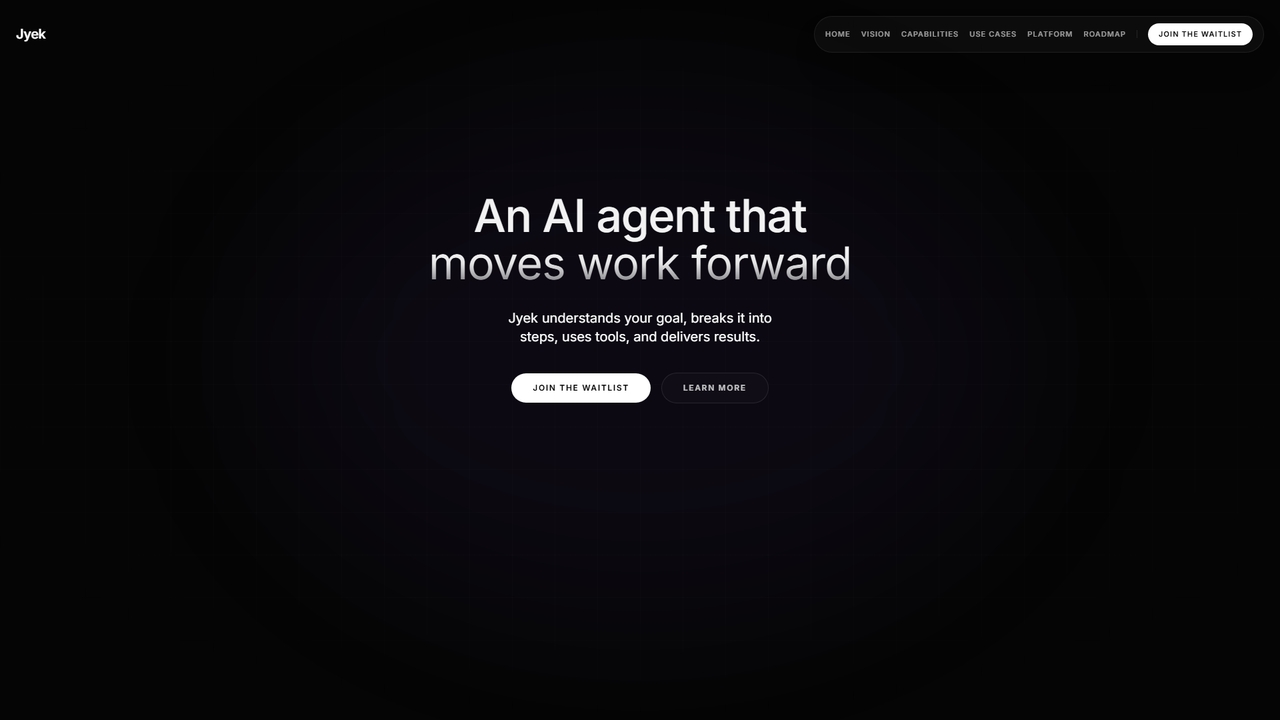
Jyek
Jyek is an AI agent platform that understands objectives, creates execution plans, uses tools, and delivers verifiable results for complex, multi-step tasks.
Automation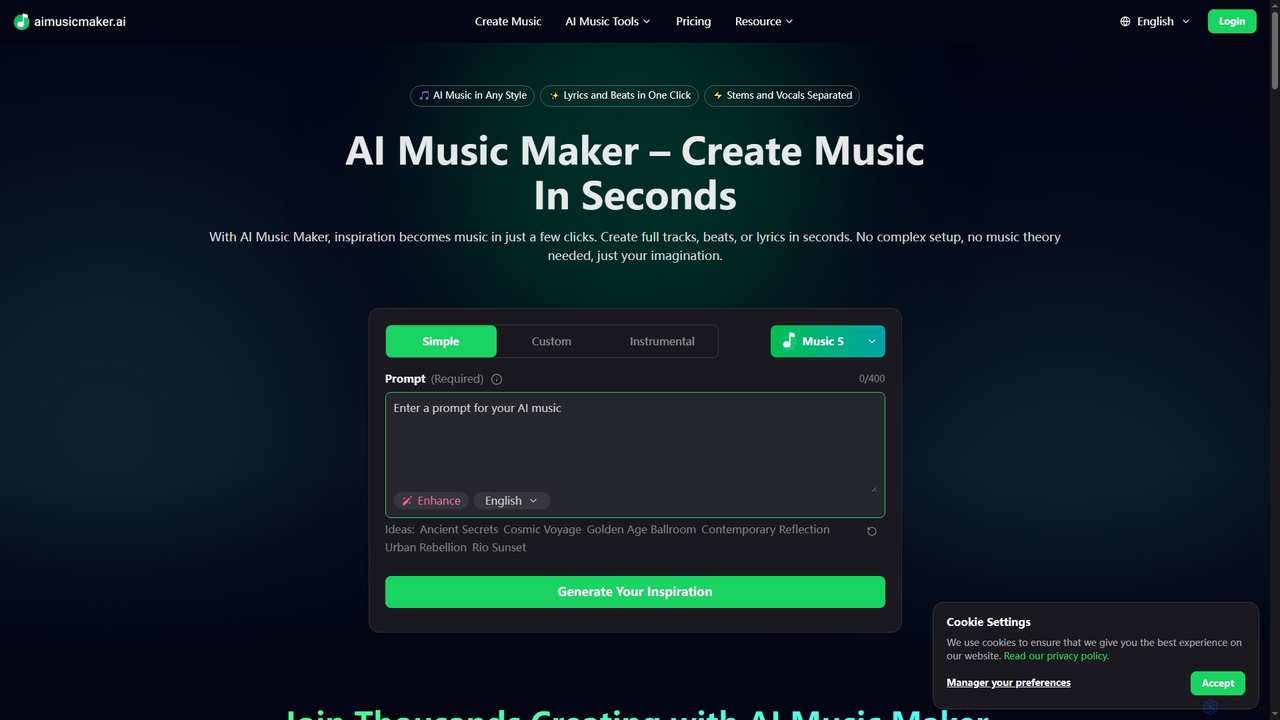
Aimusicmaker
Aimusicmaker is an AI-powered platform designed to simplify music creation. It allows users to generate full tracks, beats, and lyrics in seconds, without requiring complex setups or music theory knowledge. The platform offers a comprehensive suite of AI tools for various audio production needs.
Soundtrack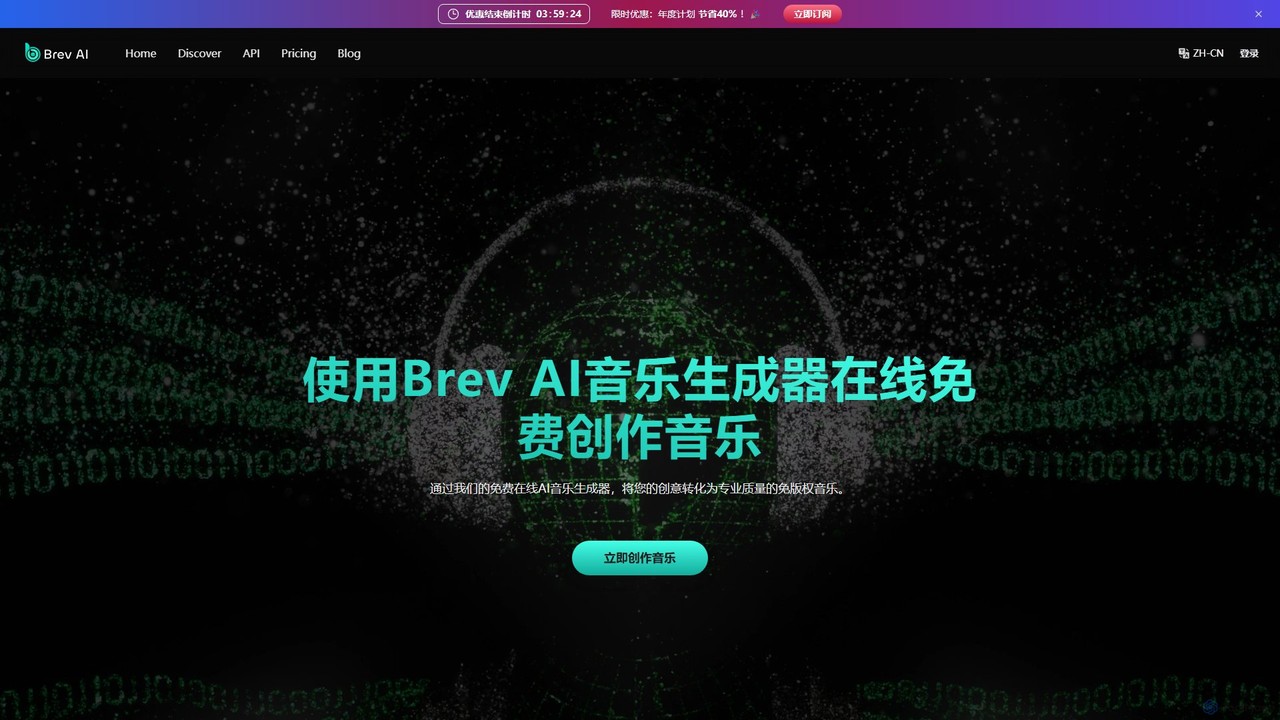
Brev.ai
Brev.ai is a powerful AI music generation platform that transforms text prompts into high-quality, royalty-free music. It offers a comprehensive suite of tools, including a vocal remover, sound effect generator, lyrics generator, and even an AI-powered music video creator. Designed for content creators, musicians, and marketers, Brev.ai provides a seamless workflow from idea to finished track, with both free and premium plans to suit various needs.
Audio Editing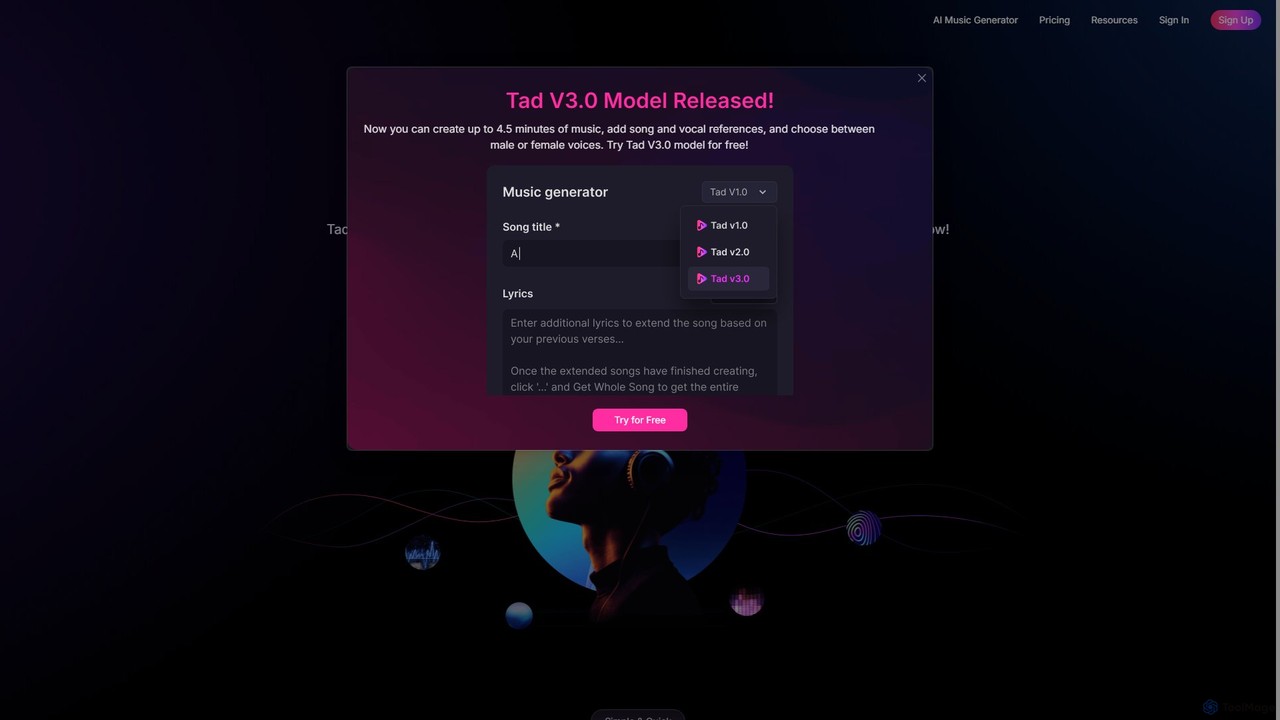
Tad AI
Tad AI is an advanced AI music generator that creates original, royalty-free songs from text prompts. Users can specify genres, moods, and even generate lyrics to produce high-quality music in minutes. It's designed for musicians, content creators, businesses, and hobbyists, offering both a free plan for personal use and paid plans for commercial rights and advanced features.
Music Generation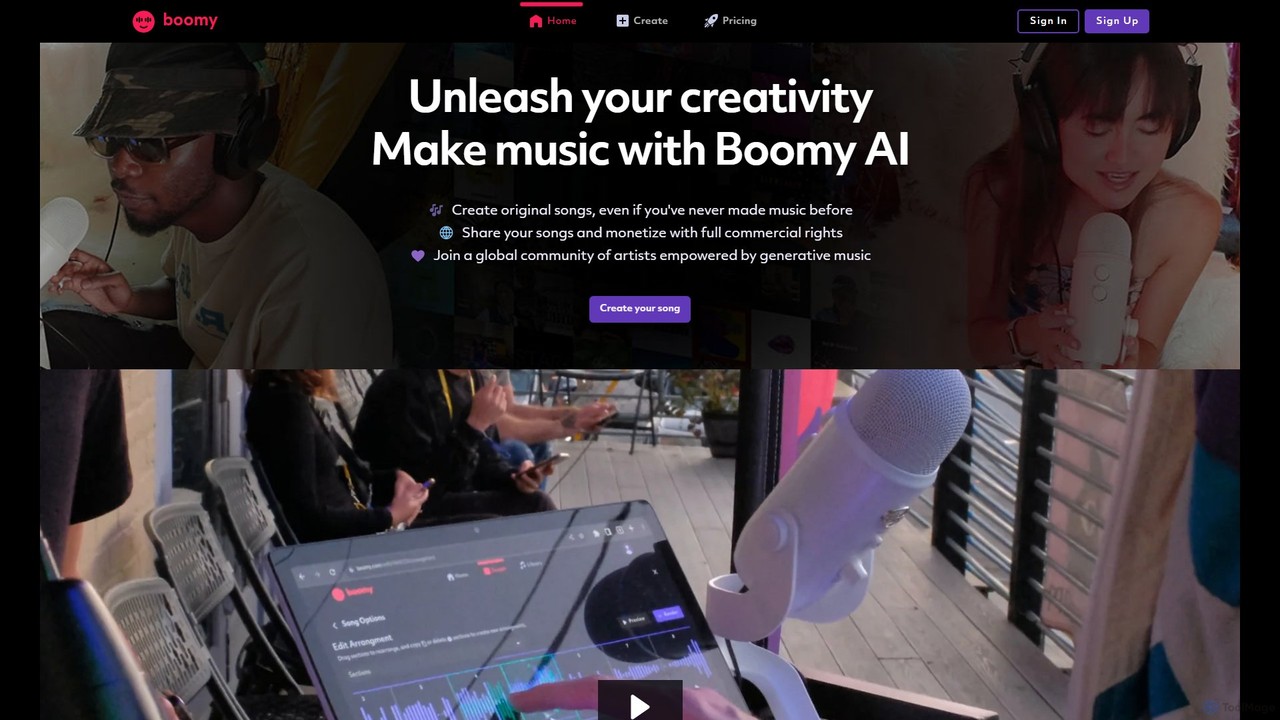
Boomy
Boomy is an AI-powered music generation platform that allows anyone to create original songs in seconds, regardless of their musical experience. Select a style, and Boomy's AI composes and produces a unique track. With advanced editing tools, commercial rights, and monetization options on paid plans, it's perfect for content creators, musicians, and developers seeking custom, royalty-free music.
Generative Art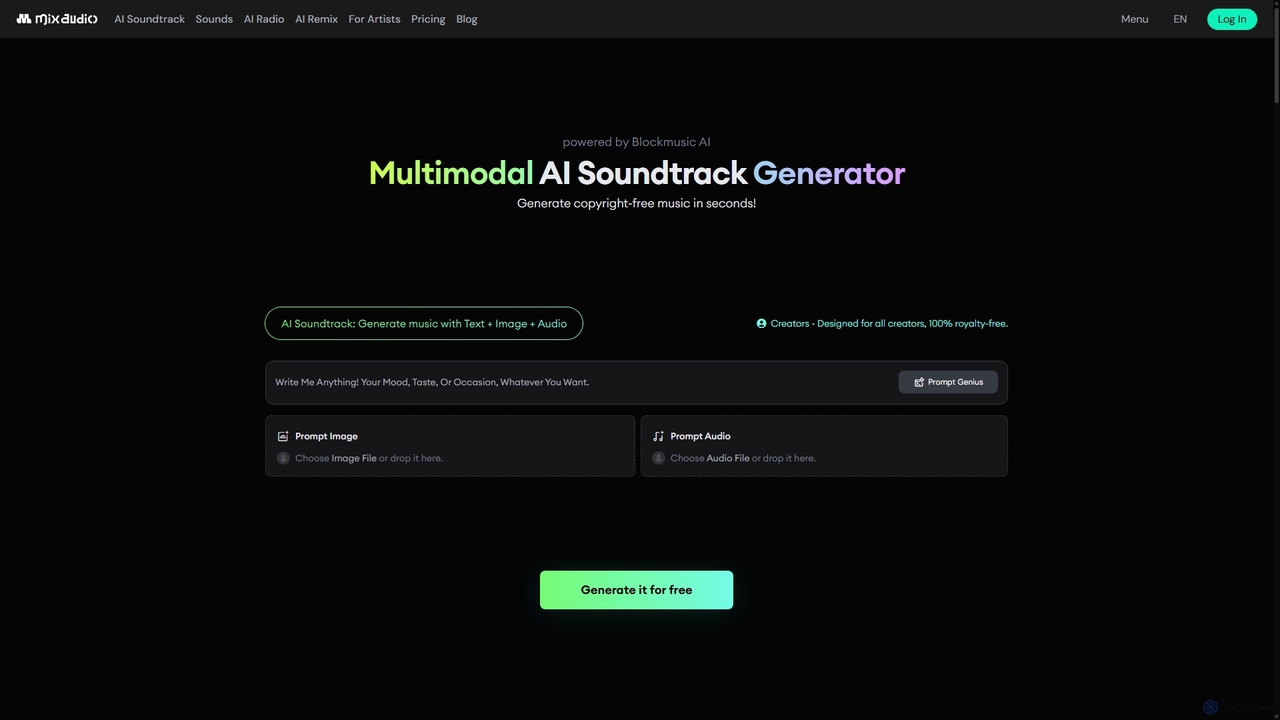
MixAudio
MixAudio is a multimodal AI music generator that creates unique, royalty-free soundtracks in seconds. Designed for creators, it uses text, images, and reference audio to produce custom music. Features include AI Remix, 24/7 AI Radio, and an advanced studio for stem-level editing.
Music Generation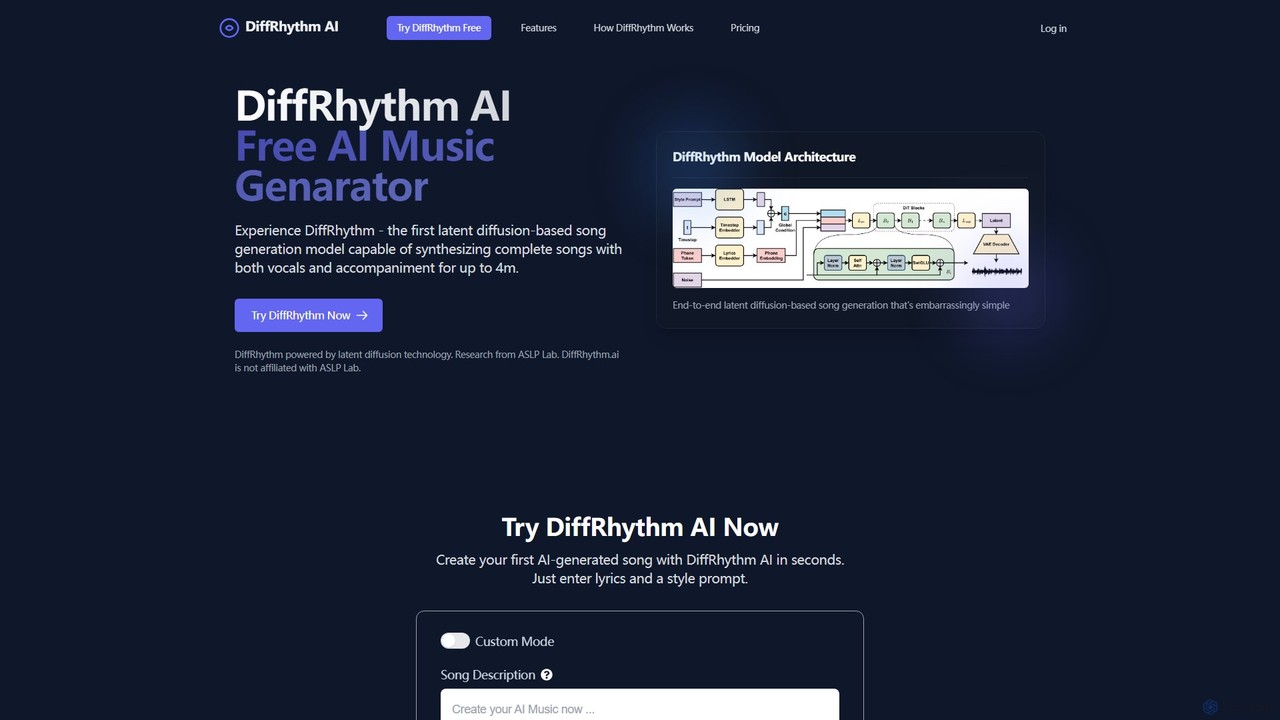
DiffRhythm
DiffRhythm is a powerful AI music generator that uses latent diffusion technology to create complete songs, including vocals and accompaniment, in seconds. Simply provide lyrics and a style prompt to produce high-quality, full-length tracks up to 4 minutes long. Ideal for musicians, content creators, and hobbyists.
Generative Art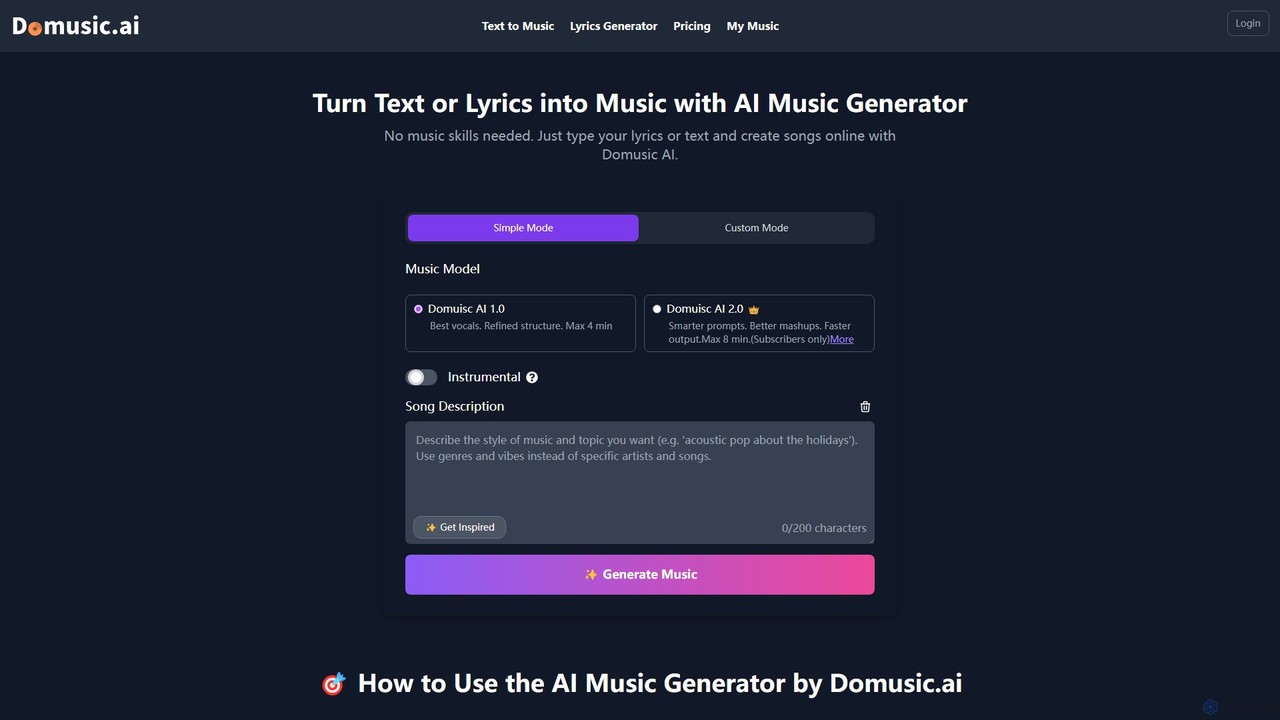
domusic
domusic is an AI-powered music generator that transforms text prompts or lyrics into complete songs. Users can specify genre, mood, instruments, and vocal style to create unique tracks with or without vocals. It's ideal for content creators, musicians, and businesses needing royalty-free music, offering both instrumental and lyrical generation with free and premium options.
Music Generation
beatwaveapp
Beatwaveapp is an AI-powered music generation platform that empowers creators to produce unique, royalty-free beats and melodies in seconds. Simply choose a genre, mood, and tempo, and let the AI compose original tracks for your projects, from videos and podcasts to games and apps.
Music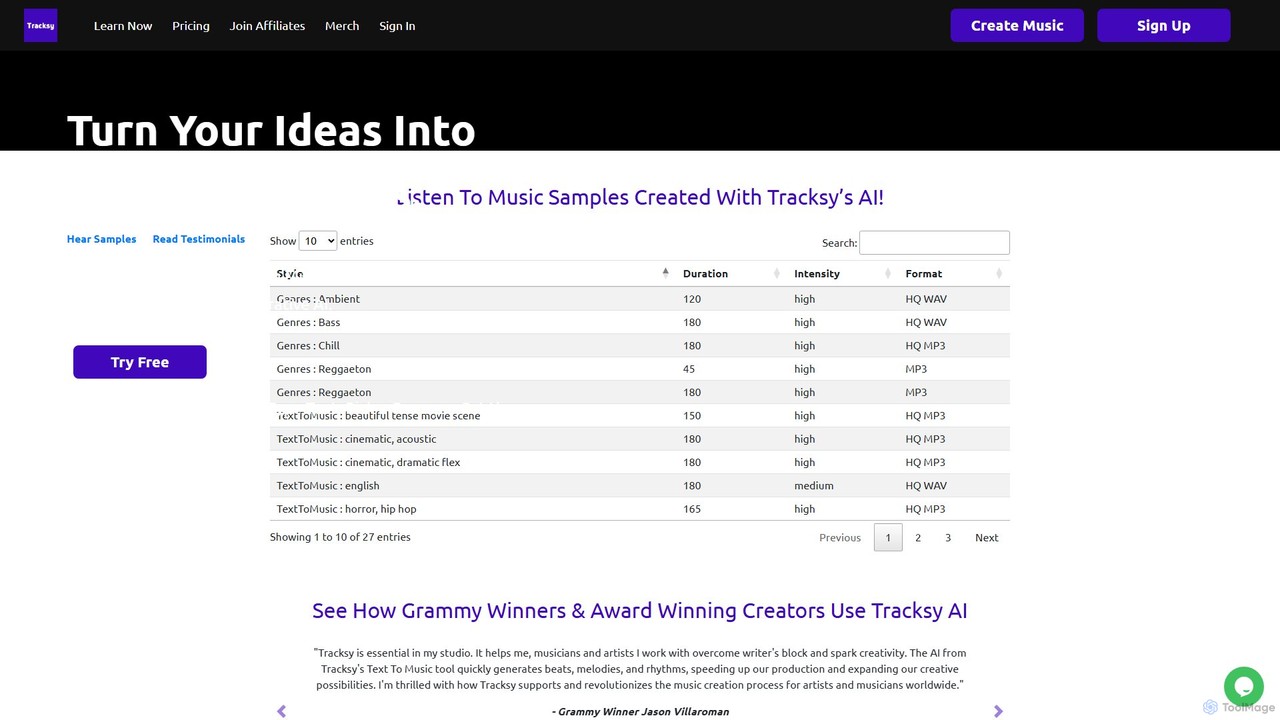
Tracksy
Tracksy is a leading AI music assistant that transforms your ideas into professional-sounding music in seconds. Whether through text prompts, genre/mood selection, or by expanding your own musical stems, Tracksy empowers creators of all skill levels to produce unique, royalty-free music for videos, podcasts, games, and more.
Music Generation
Databass AI Comments (0)
Sign in to comment.
Sign inNo comments yet.