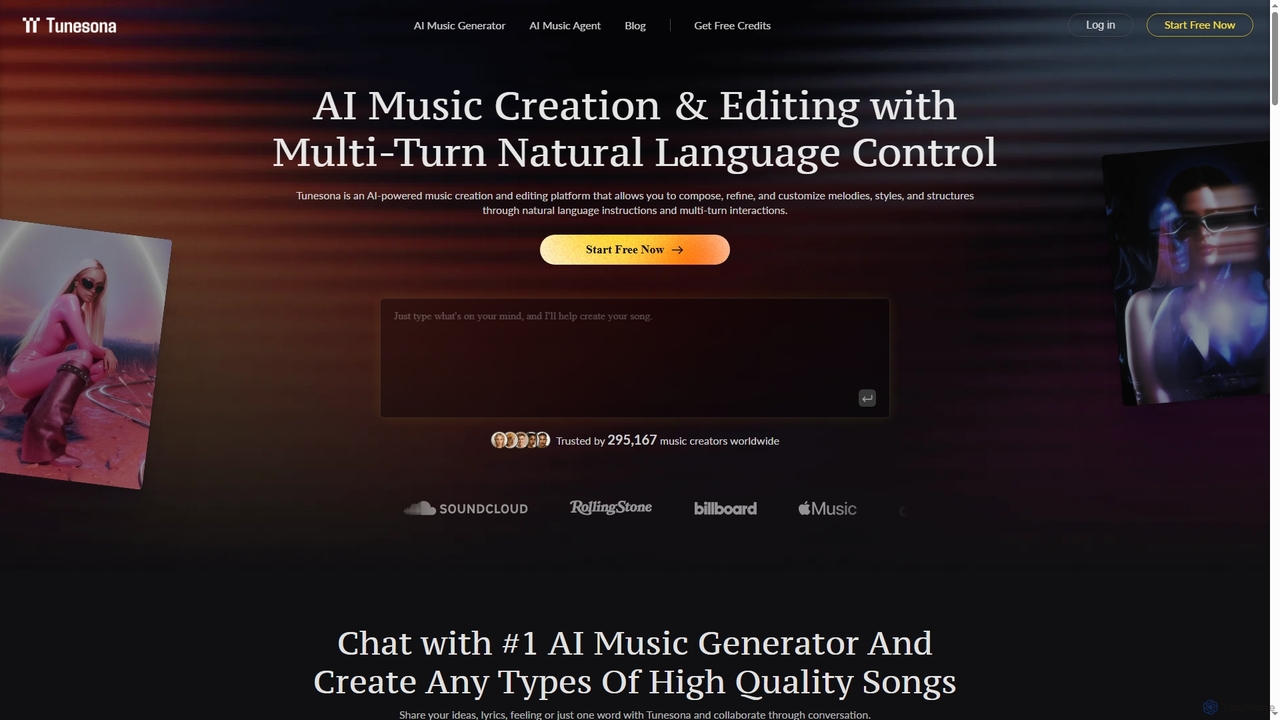
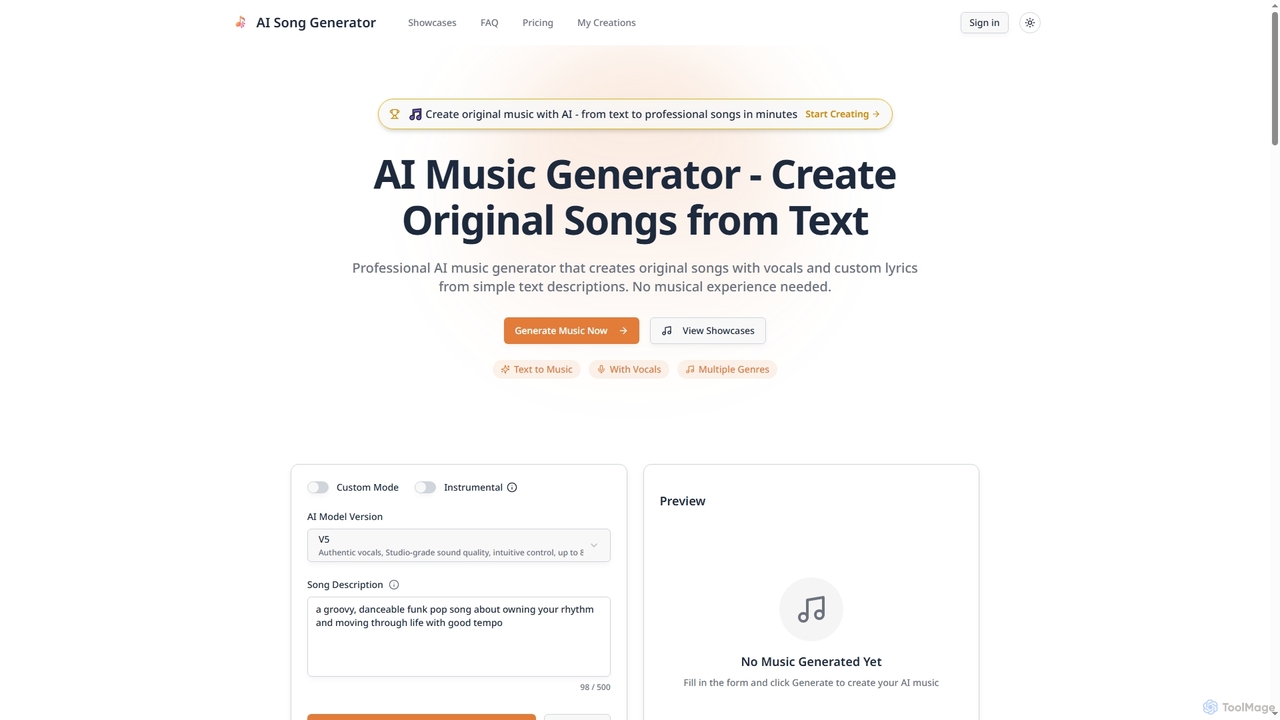
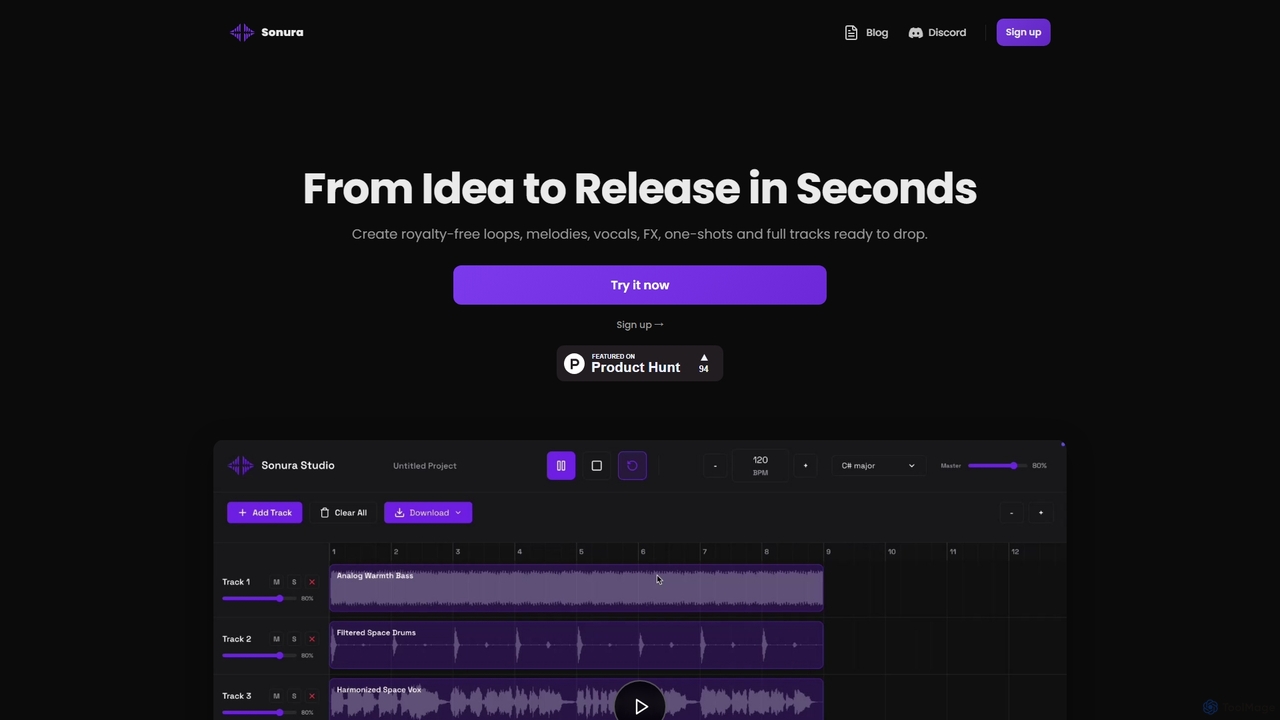
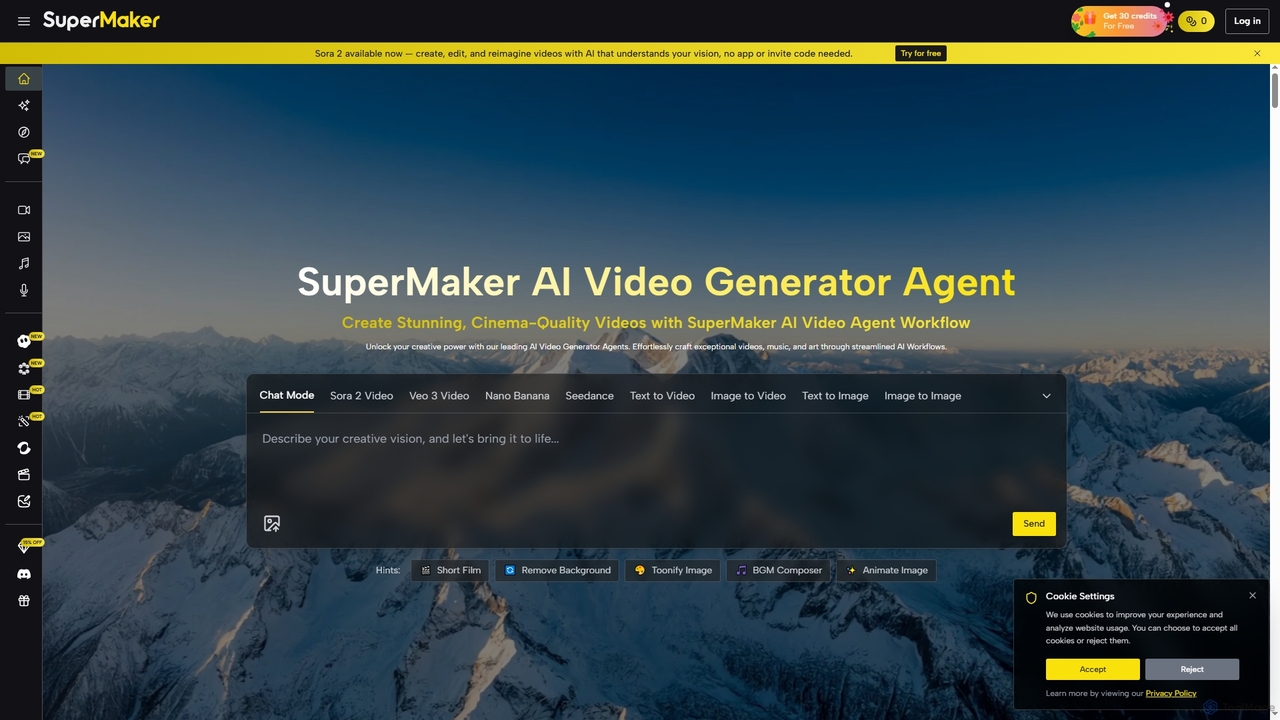
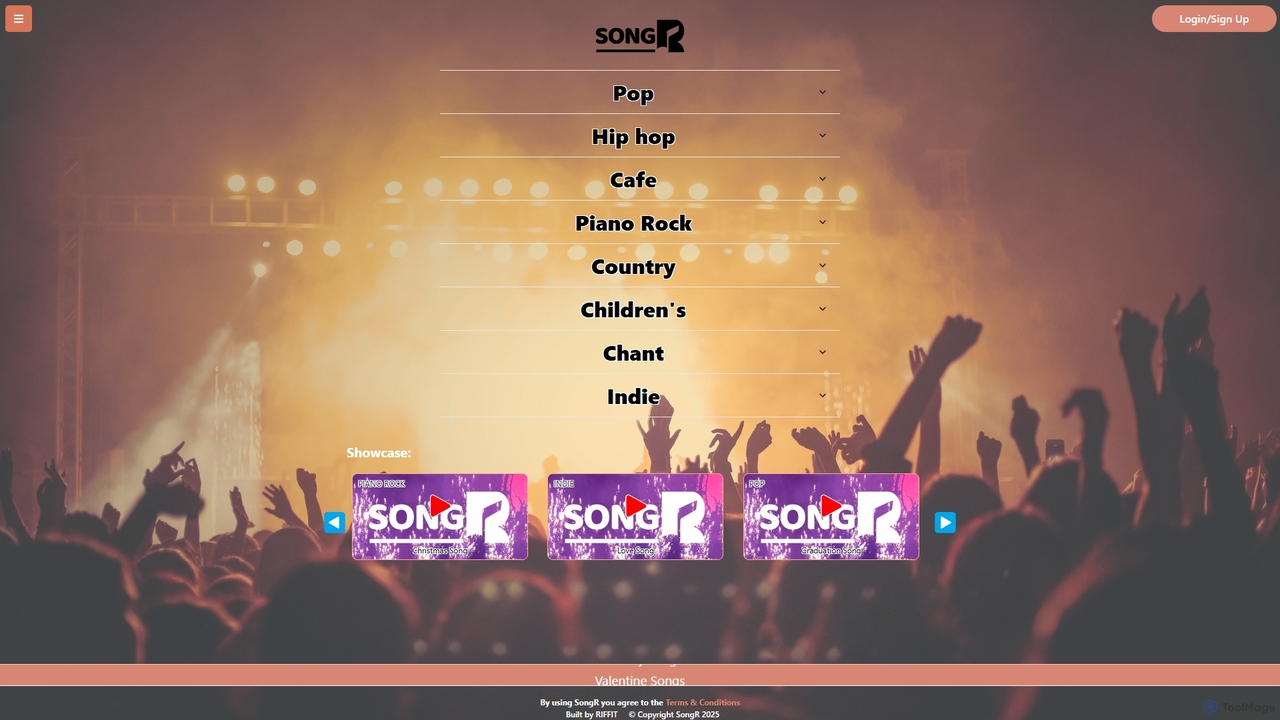
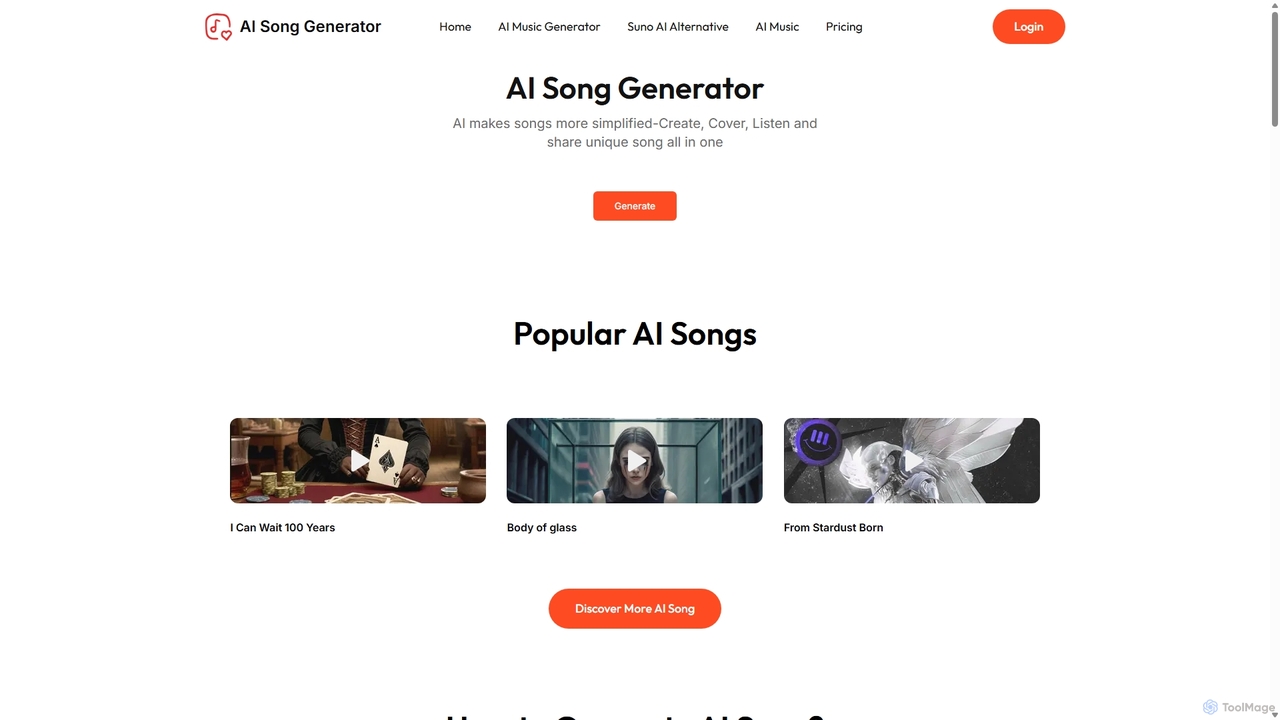
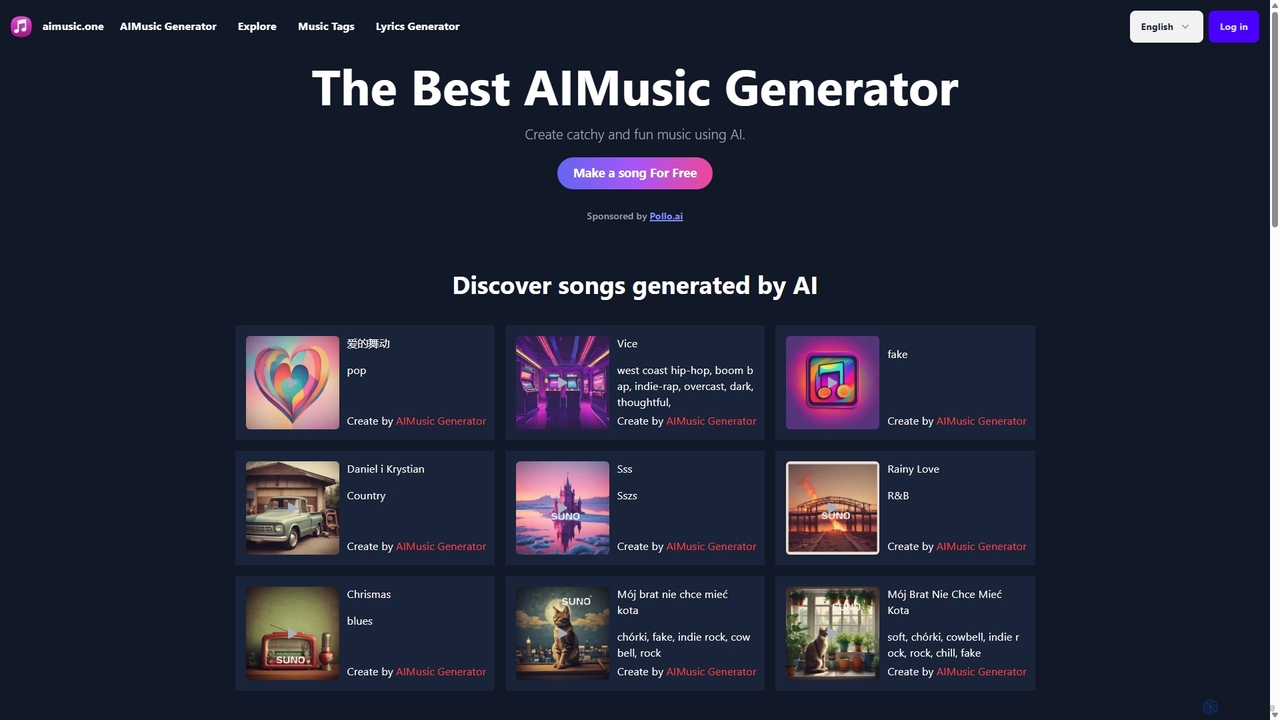
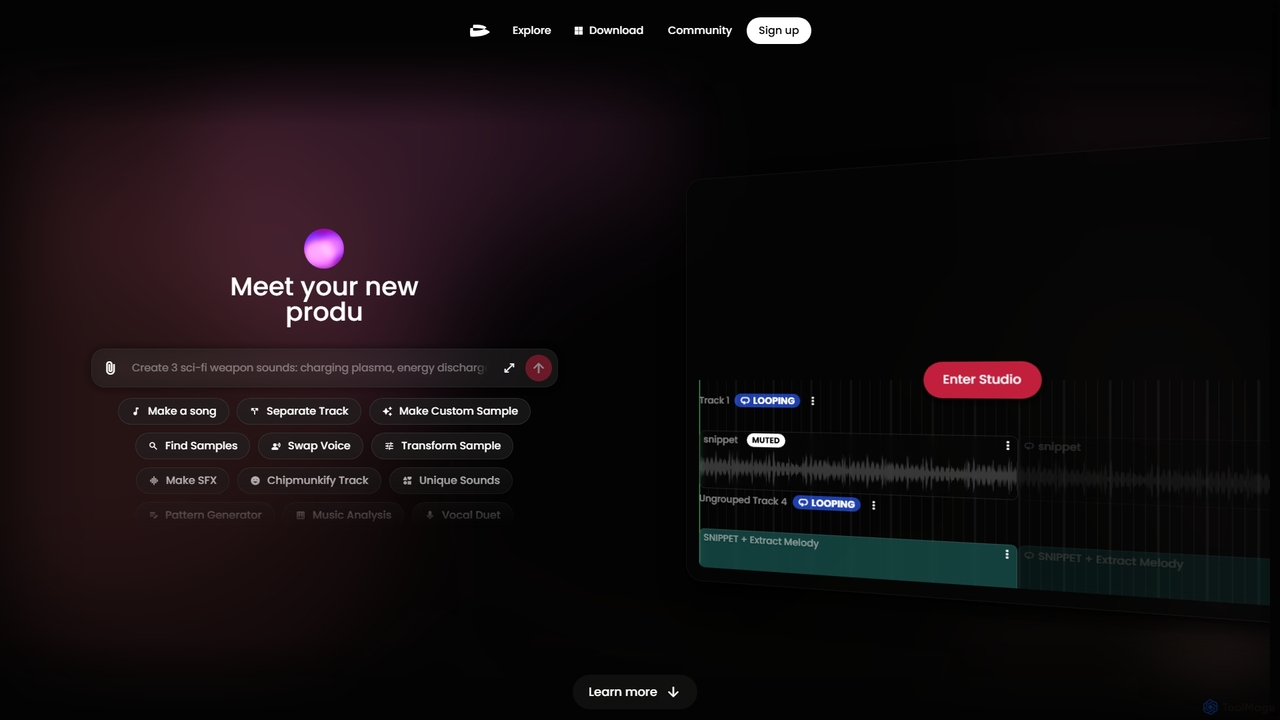
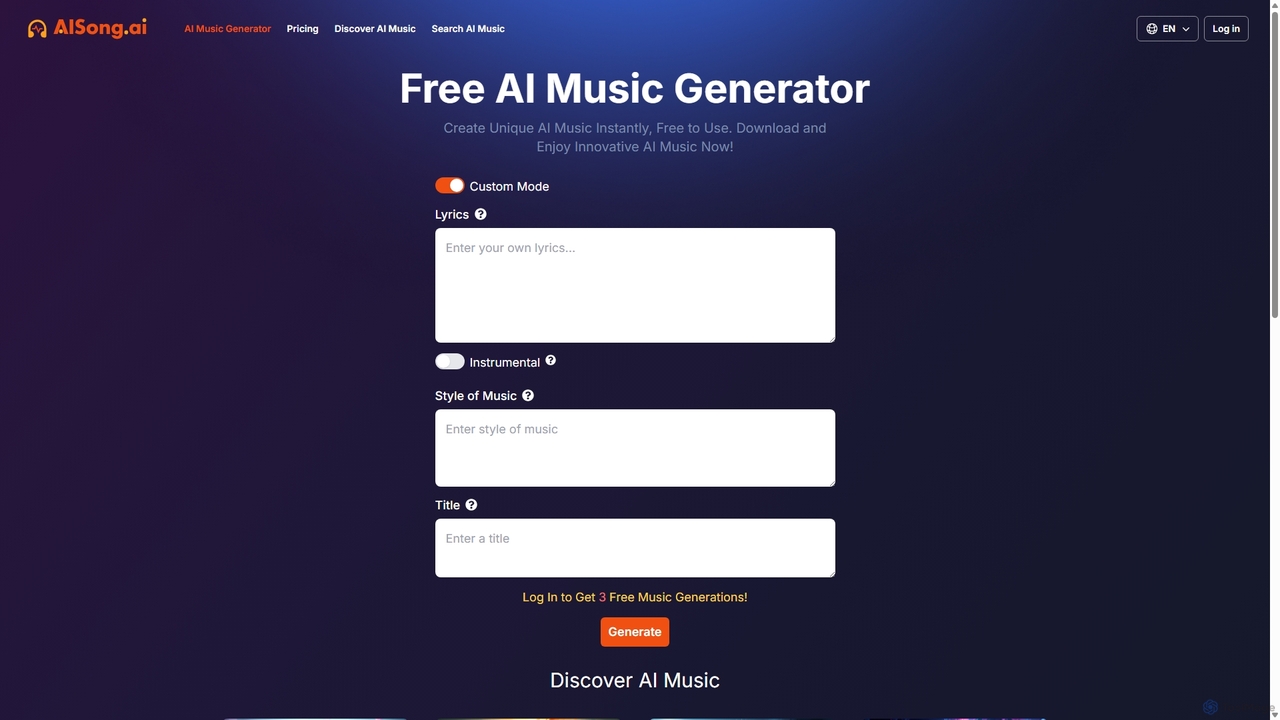
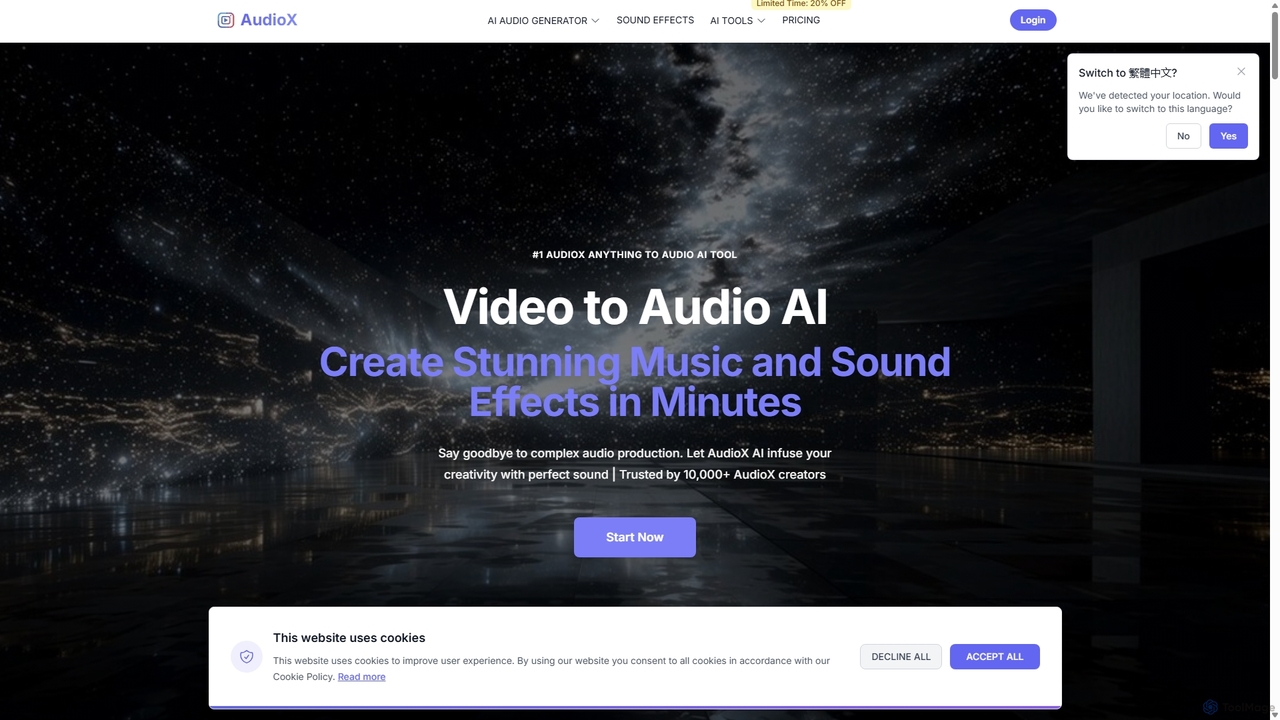
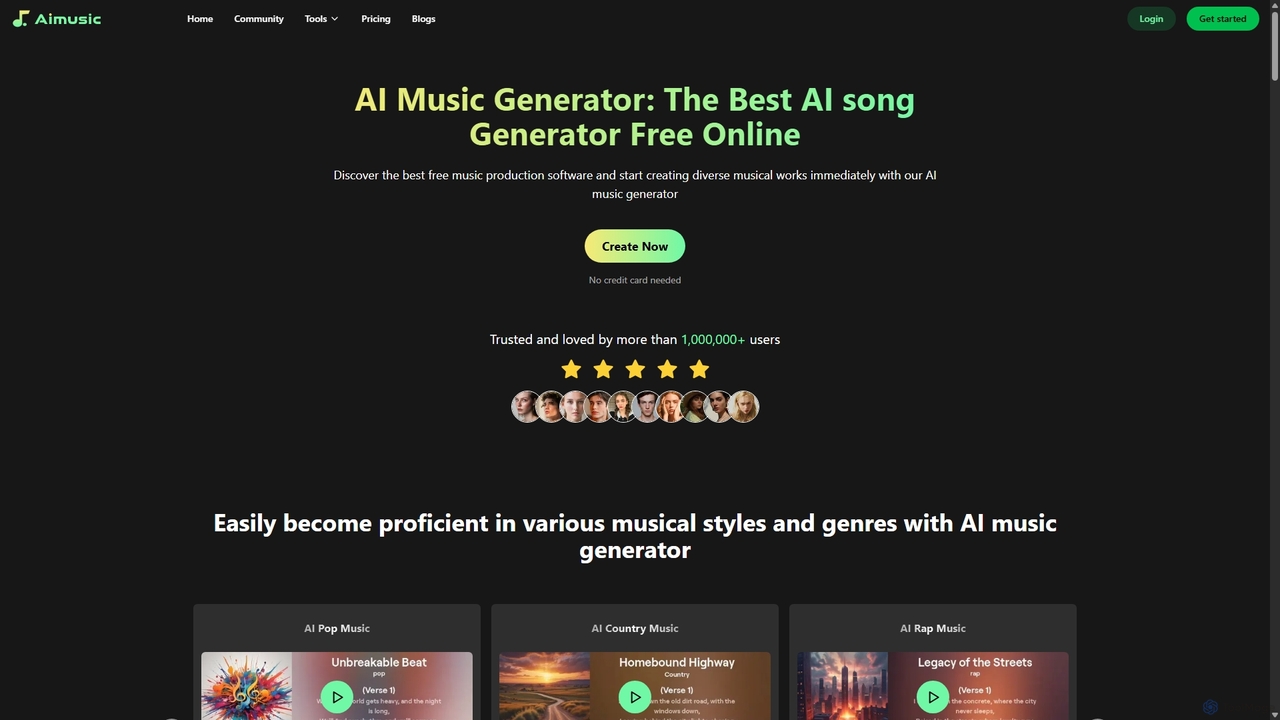
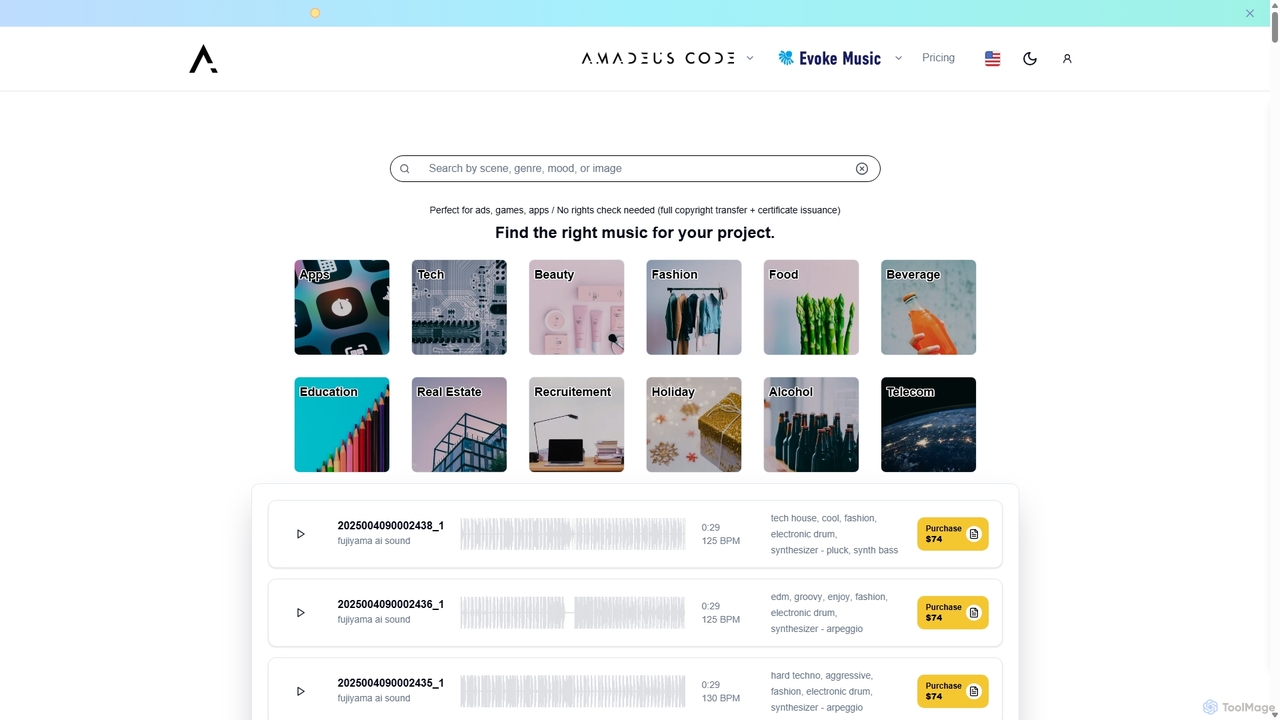
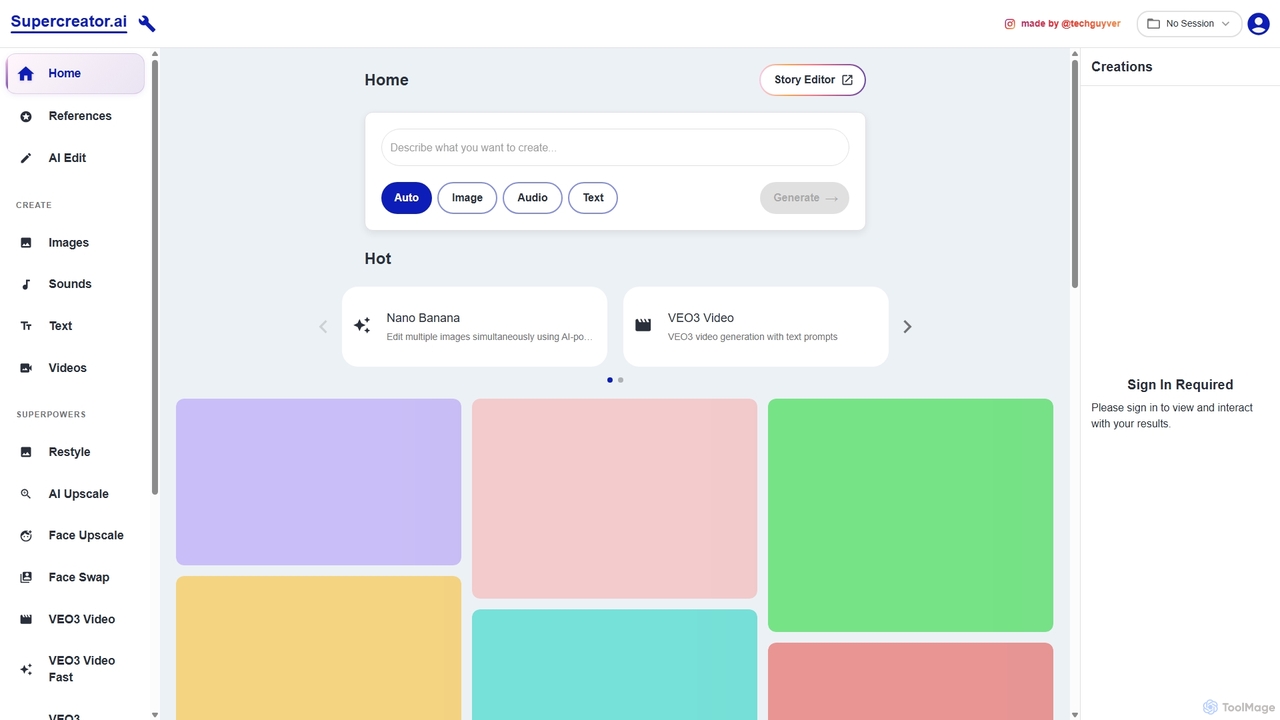
Music Generation tools are AI-powered platforms that automatically create original musical compositions. They leverage advanced machine learning models, such as deep neural networks, to understand musical patterns, harmony, and rhythm. These innovative tools empower musicians, content creators, and developers to quickly generate soundtracks, background music, or experimental pieces for various projects. Users can often specify parameters like genre, mood, instrumentation, and tempo to guide the creative process, offering a new dimension to musical exploration and production.
Core Features
- Genre Customization: Generate music in diverse styles, from classical and jazz to electronic and hip-hop, by selecting specific genres.
- Instrument Selection: Choose from a wide array of virtual instruments to define the sonic palette of the generated track.
- Mood & Emotion Control: Guide the AI to create music that evokes specific feelings, such as joyful, melancholic, epic, or serene.
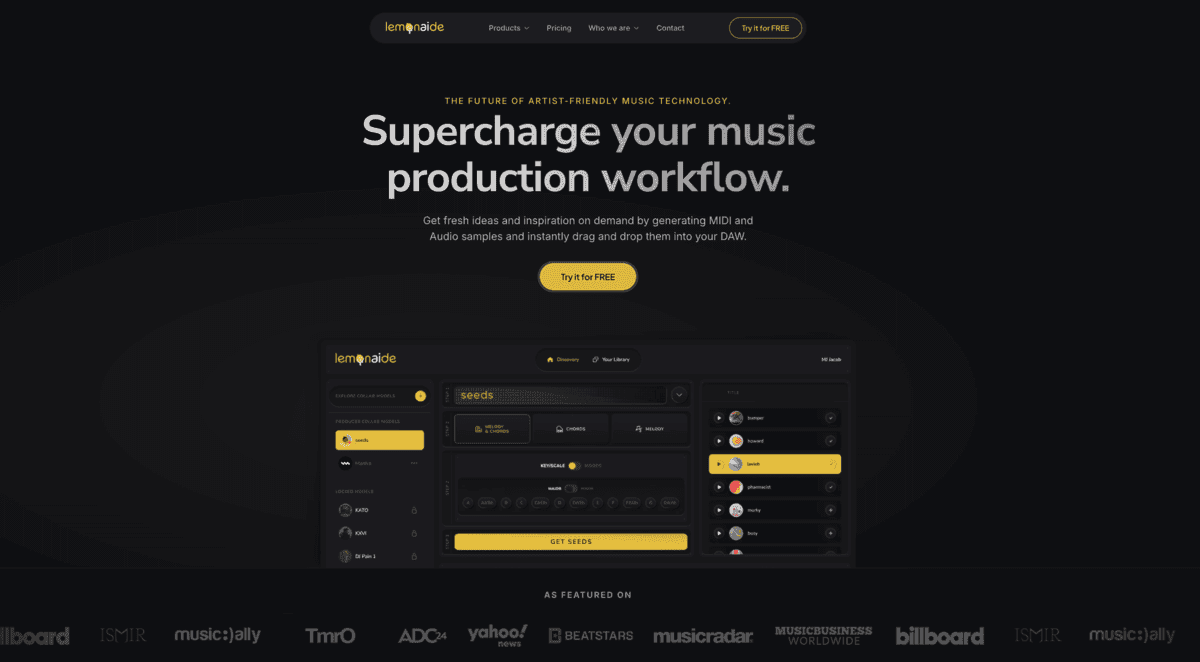
- Melody & Harmony Generation: Automatically compose intricate melodies, harmonies, and chord progressions based on user inputs or existing themes.
- Loop & Stem Creation: Produce seamless musical loops for games or videos, and separate audio stems (e.g., drums, bass, melody) for further editing.
Use Cases
Music Generation tools find application across various creative and commercial fields. Filmmakers and videographers utilize them to quickly score scenes with custom background music that matches the visual mood. Game developers can generate dynamic, adaptive soundtracks that evolve with gameplay, enhancing player immersion. Podcasters and content creators leverage these tools to produce unique intro/outro music, jingles, or royalty-free background tracks, saving time and licensing costs. Musicians and producers use them as a source of inspiration, generating new melodic ideas or backing tracks for their compositions.
How to Choose
When selecting an AI music generation tool, consider its genre versatility and the range of musical styles it can produce. Evaluate the level of customization offered, such as control over instrumentation, tempo, mood, and structural elements. Output quality, including audio fidelity and musical coherence, is crucial for professional use. Also, check licensing terms for generated content and the tool's integration capabilities with existing digital audio workstations (DAWs) or video editing software.