Advertising Best in category 1 results Programmatic AI Tool

Popular AI tools in the Programmatic field of Advertising include inPowered, etc., helping you quickly improve efficiency.

inPowered

inPowered

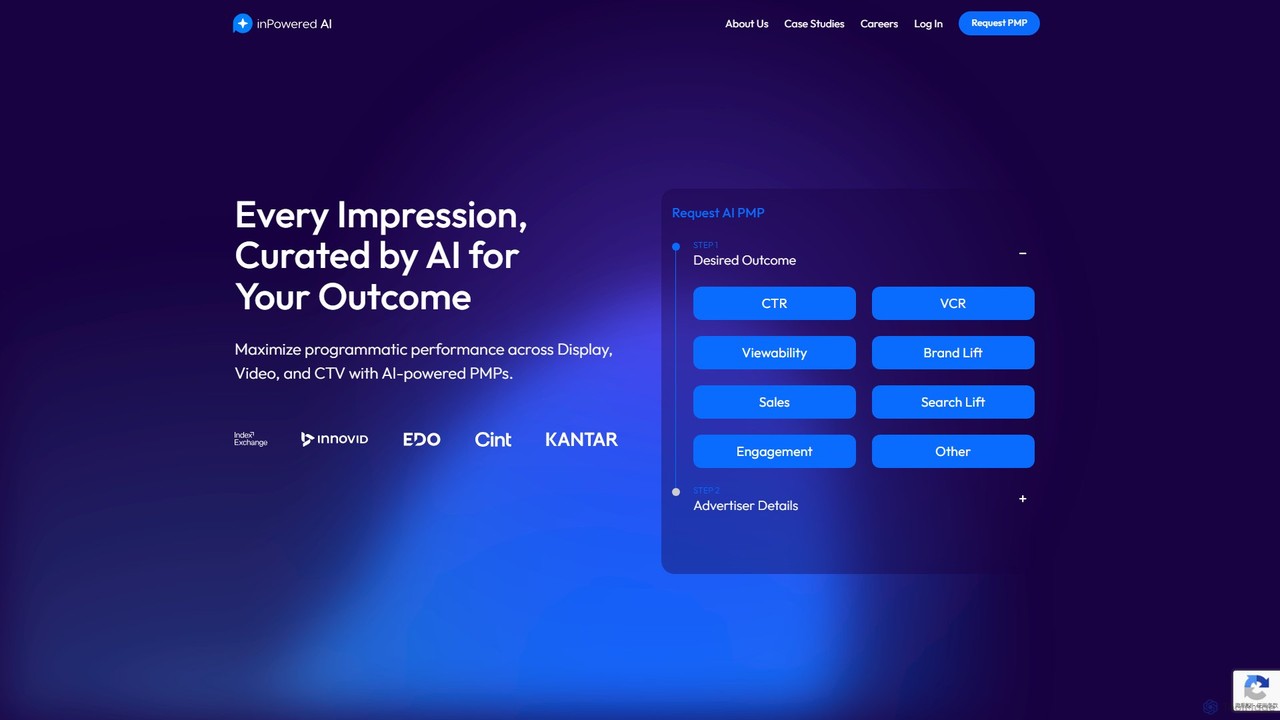
inPowered is an AI-powered advertising platform that maximizes programmatic performance across Display, Video, and CTV. It uses AI-driven …

4.8K

About Programmatic

Programmatic advertising tools are platforms that automate the buying and selling of digital ad inventory in real-time. These tools use AI and algorithms to bid on ad impressions for specific audience segments across websites, apps, and other digital channels. This data-driven approach allows advertisers to reach their target users with high precision and efficiency, optimizing ad spend and improving campaign performance. Unlike traditional manual ad buying, programmatic methods enable automated, impression-by-impression decisions for greater control and scale.

Core Features

  • Real-Time Bidding (RTB): Automatically bids on individual ad impressions in milliseconds based on predefined criteria.
  • Audience Segmentation: Allows for precise targeting based on demographics, interests, behavior, and first-party data.
  • Demand-Side Platform (DSP) Interface: Provides a centralized dashboard for advertisers to manage multiple campaigns and ad exchanges.
  • Performance Analytics: Delivers detailed, real-time reports on key metrics like CPM, CPC, and conversion rates.
  • Cross-Channel Capabilities: Manages ad campaigns across various formats and channels, including display, video, mobile, and connected TV.

Use Cases

Programmatic tools are essential for digital marketing managers, media buyers at advertising agencies, and e-commerce businesses. They are used for large-scale brand awareness campaigns, performance-based customer acquisition, and sophisticated retargeting strategies. For example, an e-commerce brand can use a programmatic platform to automatically show ads to users who abandoned their shopping carts, increasing the likelihood of conversion.

How to Choose

When selecting a programmatic tool, evaluate its access to quality ad inventory through various ad exchanges and SSPs. Assess the depth of its targeting capabilities and its ability to integrate with your existing data sources, such as a CRM or DMP. Also, consider the platform's transparency in reporting, its fee structure (e.g., percentage of ad spend), and the level of technical support and training provided.

ProgrammaticUse Cases

1

E-commerce Customer Retargeting Campaigns

An e-commerce marketing manager uses a programmatic platform to automatically serve ads for a specific product to users who previously viewed it but didn't purchase. The tool integrates with the website's data, identifies these high-intent users across the web, and bids on ad space to serve them personalized reminders. This automated follow-up significantly increases conversion rates and recovers potentially lost sales without manual intervention.

2

Brand Awareness for a New Product Launch

A brand manager defines a target audience for a new product based on demographics, interests, and online behavior. The programmatic tool then automatically purchases ad inventory on relevant publisher sites and apps to maximize reach among this specific audience. This approach builds brand awareness more efficiently than manual media buys by focusing ad spend only on the most relevant impressions across a vast network of sites.

3

Geo-Targeted Promotions for Local Businesses

A marketing team for a restaurant chain uses a programmatic DSP to run a campaign targeting users within a 5-mile radius of their locations. The platform uses mobile location data to serve ads for a special lunch offer to people in the vicinity during specific hours. This precise geo-targeting drives immediate foot traffic to the stores and maximizes the relevance of the ad creative by reaching people when and where they can act on the offer.

4

B2B Account-Based Marketing (ABM)

A B2B marketer uploads a list of target companies to a programmatic ABM platform. The tool identifies employees from these companies online by matching IP addresses or using data partnerships. It then serves highly relevant ads about their software solution across professional networking sites and industry publications, improving lead quality, increasing engagement within target accounts, and supporting sales alignment.

5

Multi-Channel Campaign Management for Agencies

A media buyer at an advertising agency uses a single programmatic platform to manage display, video, and mobile ad campaigns for multiple clients. The centralized dashboard allows them to allocate budgets, monitor performance across all channels in real-time, and generate consolidated reports. This streamlines workflow, saves hours of manual work, and provides a holistic view of campaign performance to optimize strategies effectively.

6

Dynamic Creative Optimization (DCO)

An advertiser uses a programmatic tool with DCO capabilities to automatically test different ad creatives. The system analyzes which combination of headlines, images, and calls-to-action performs best for different audience segments. It then dynamically serves the most effective version to each user, maximizing engagement and return on investment without the need to manually create and traffic hundreds of ad variations.

ProgrammaticFrequently Asked Questions