Ai Detection Best in category 1 results Safety AI Tool

Popular AI tools in the Safety field of Ai Detection include Autoblocks, etc., helping you quickly improve efficiency.

Autoblocks

Autoblocks

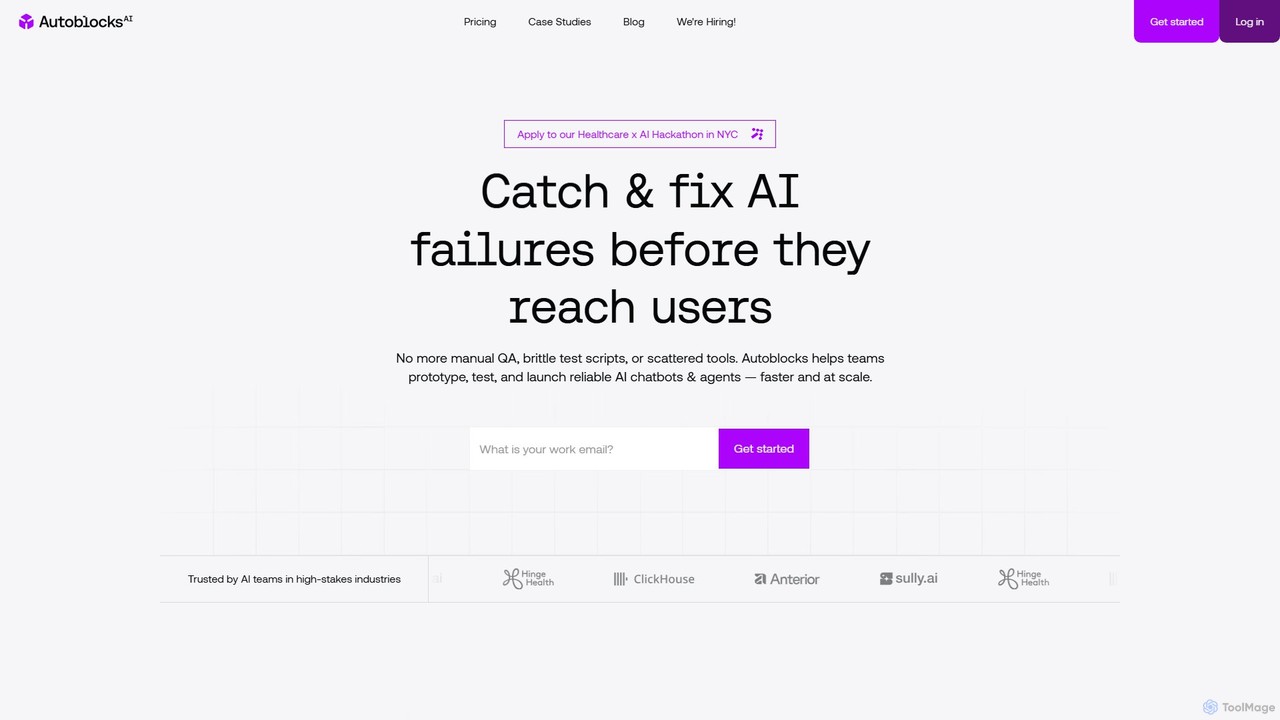
Autoblocks is a comprehensive platform for AI development teams to test, evaluate, and launch safe, reliable AI applications. …

6.6K

About Safety

AI Safety tools are a specialized category within AI Detection, designed to identify, mitigate, and prevent risks associated with AI systems. These tools leverage advanced algorithms to ensure AI models are fair, transparent, robust, and aligned with ethical guidelines. Their primary value lies in building trustworthy AI, ensuring regulatory compliance, and protecting users from harmful or biased AI outputs, thereby fostering responsible AI development and deployment.

Core Features

  • Bias Detection: Identifies and quantifies unfair biases in AI models and data.
  • Fairness Metrics: Evaluates AI model performance across different demographic groups.
  • Explainable AI (XAI): Provides insights into AI model decision-making processes.
  • Adversarial Robustness: Tests AI models against malicious input attacks.
  • Harmful Content Moderation: Detects and filters AI-generated content that violates safety policies.

Use Cases

AI developers and ethicists utilize these tools to validate models before deployment, ensuring they meet ethical standards and regulatory requirements. Content platforms employ AI safety tools to moderate AI-generated text, images, or audio, preventing the spread of misinformation or hate speech. Financial institutions use them to ensure fairness in loan approval algorithms, avoiding discriminatory outcomes.

How to Choose

When selecting AI Safety tools, consider the breadth of safety checks offered, such as bias, fairness, and robustness. Evaluate their integration capabilities with existing MLOps pipelines and development environments. Assess the level of explainability provided and whether it aligns with your compliance needs. Finally, consider the impact on model performance and the ease of interpreting safety reports.

SafetyUse Cases

1

Ensuring Fairness in AI Hiring Systems

HR departments developing AI-powered recruitment platforms use AI safety tools to detect and mitigate biases in candidate screening algorithms. By analyzing demographic data and model decisions, these tools ensure that the AI does not unfairly disadvantage specific groups based on gender, ethnicity, or age, promoting equitable hiring practices and avoiding legal risks.

2

Validating Autonomous Driving AI for Robustness

Automotive engineers developing autonomous vehicles employ AI safety tools to test the robustness of perception and decision-making AI models. These tools simulate adversarial attacks, such as subtle changes in road signs or lighting conditions, to ensure the AI system remains reliable and safe under unexpected or manipulated inputs, preventing critical failures in real-world scenarios.

3

Moderating AI-Generated Content for Harmful Outputs

Social media platforms and content creators utilize AI safety tools to automatically detect and filter AI-generated text, images, or videos that could be harmful, misleading, or violate community guidelines. This helps prevent the spread of deepfakes, hate speech, or misinformation created by generative AI, maintaining a safer online environment and protecting platform integrity.

4

Detecting Bias in Financial Loan Approval Models

Financial institutions use AI safety tools to scrutinize machine learning models used for credit scoring and loan approvals. These tools identify potential biases against protected classes by analyzing lending decisions across different demographic segments. This ensures fair access to financial services, complies with anti-discrimination regulations, and builds trust with customers.

5

Ensuring Data Privacy in AI Training Datasets

Data scientists and privacy officers employ AI safety tools to analyze training datasets for potential privacy leaks or sensitive information exposure. Tools can identify and flag personally identifiable information (PII) or apply differential privacy techniques to anonymize data, ensuring that AI models are trained without compromising individual privacy, crucial for GDPR and CCPA compliance.

6

Evaluating AI Model Explainability for Regulatory Compliance

Healthcare providers and legal teams use AI safety tools to generate explanations for complex AI diagnostic models. These tools provide insights into why an AI made a particular medical recommendation, allowing human experts to understand and validate the decision. This is vital for regulatory compliance, building clinician trust, and ensuring accountability in critical applications.

SafetyFrequently Asked Questions