Best of the Year 8 results Ai Detection AI Tools

Popular AI tools in the Ai Detection field include ChartScout、Autoblocks、Pieces Technologies、TweetDetective、AI Cover Letter Generator、AutoCodeDocs.ai、TuringTest、SnapCal, etc., helping you quickly improve efficiency.

ChartScout

ChartScout

ChartScout is an AI-powered real-time cryptocurrency pattern scanner that monitors over 1,000 trading pairs across major exchanges 24/7. …

6.1K
Free
TuringTest

TuringTest

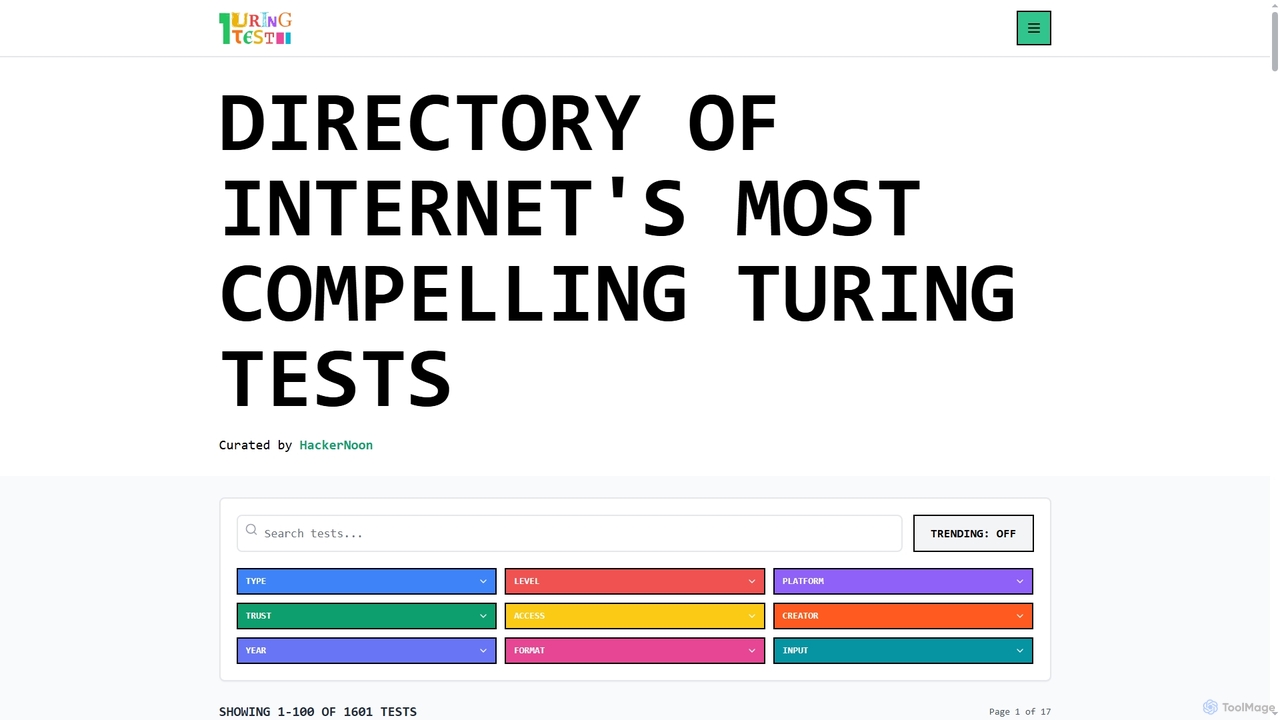
TuringTest is a comprehensive, curated directory by HackerNoon, showcasing the internet's most compelling Turing Tests. It serves as …

2.3K
SnapCal

SnapCal

SnapCal is an AI-powered food tracker that helps you eat smarter, not less. By simply taking a photo …

2.2K
AI Cover Letter Generator

AI Cover Letter Generator

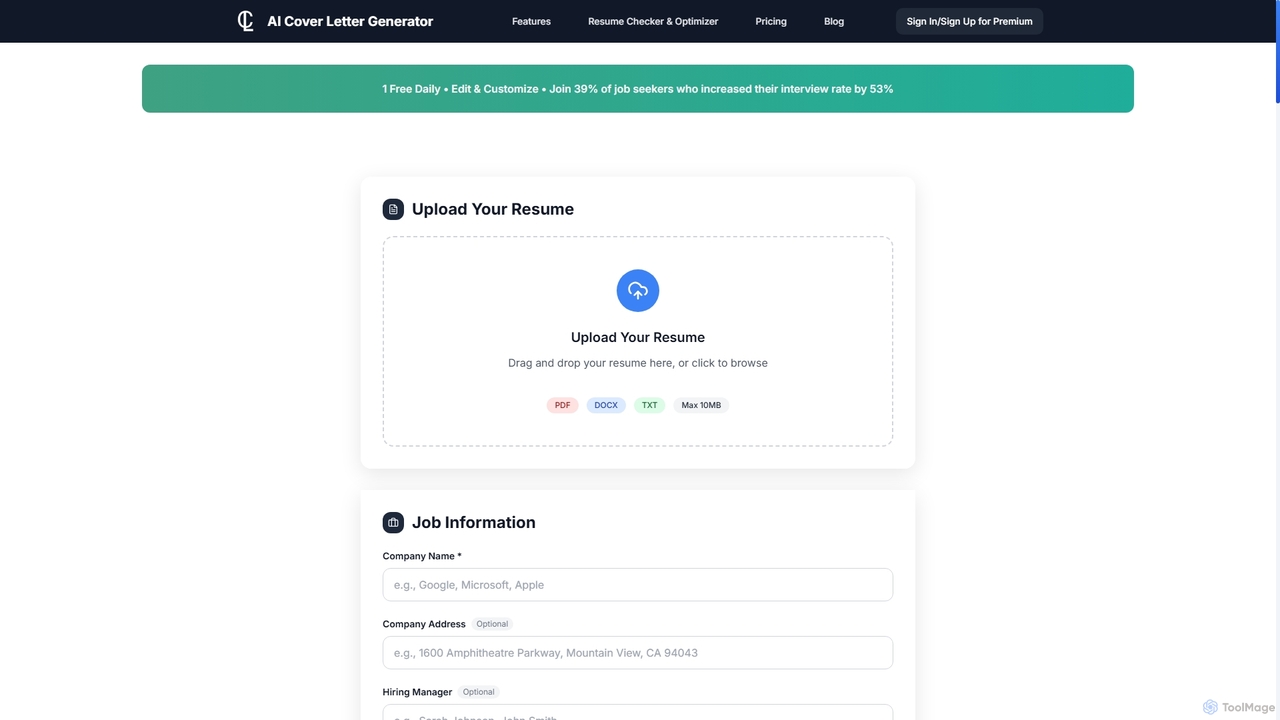
AI Cover Letter Generator is an intelligent tool that leverages artificial intelligence to create personalized, professional cover letters …

2.6K
Pieces Technologies

Pieces Technologies

Pieces Technologies is a physician-led AI company providing a secure, generative AI assistant for clinical documentation. It helps …

3.5K
Free
AutoCodeDocs.ai

AutoCodeDocs.ai

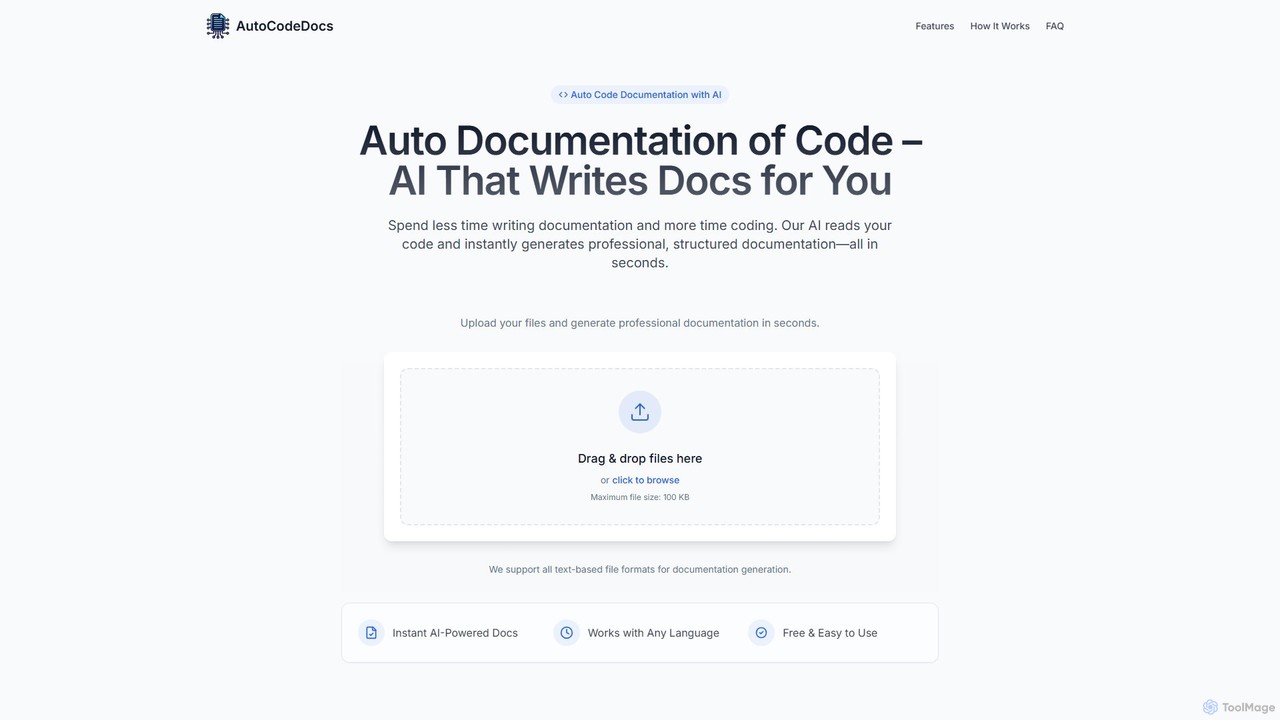
AutoCodeDocs.ai is an AI-powered tool that automatically generates professional, structured documentation for your code. It supports over 20 …

2.4K
Autoblocks

Autoblocks

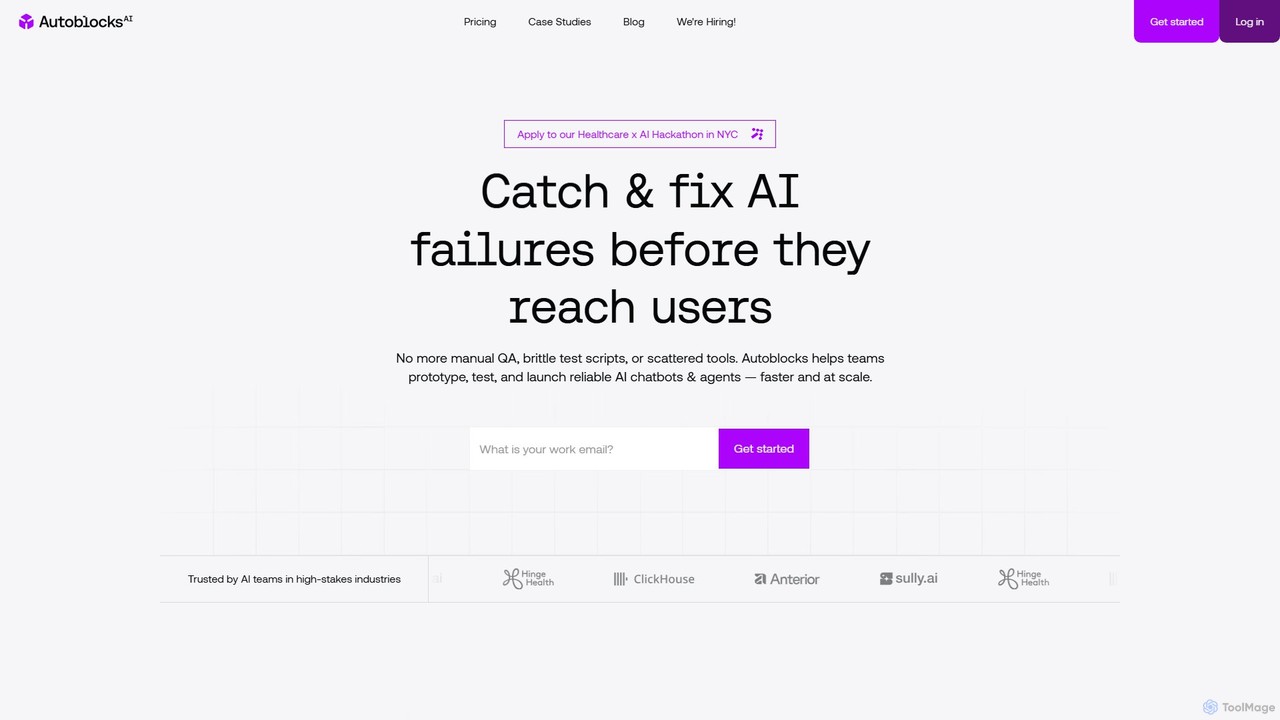
Autoblocks is a comprehensive platform for AI development teams to test, evaluate, and launch safe, reliable AI applications. …

6.0K
TweetDetective

TweetDetective

TweetDetective is a powerful Chrome extension designed to detect AI-generated text on Twitter. Using advanced algorithms, it seamlessly …

2.7K

About Ai Detection

AI Detection tools are specialized applications designed to analyze content and determine the probability that it was generated by an artificial intelligence model. These tools function by identifying statistical patterns, linguistic artifacts, and other subtle markers characteristic of machine-generated text, images, or audio. They are crucial for maintaining academic integrity, ensuring content authenticity in publishing, and combating the spread of AI-generated misinformation. Advanced detectors can often provide a detailed analysis, highlighting specific sections that are likely machine-generated.

Core Features

  • Text Content Analysis: Scans written material for metrics like perplexity and burstiness to distinguish between human and AI writing styles.
  • Image and Video Forensics: Detects digital artifacts and inconsistencies in images and videos to identify deepfakes or AI-generated visuals.
  • Confidence Scoring: Provides a probabilistic score (e.g., 98% likely AI) rather than a simple yes/no verdict, reflecting the nuanced nature of detection.
  • Source Model Indication: Some advanced tools attempt to identify the family of AI models (e.g., GPT-4, Midjourney) used for generation.
  • API Integration: Allows for seamless integration into existing platforms like Learning Management Systems (LMS) or Content Management Systems (CMS) for automated checks.

Use Cases

AI Detection tools are widely used in sectors where content authenticity is paramount. Educational institutions use them to check student submissions for unauthorized AI assistance. Publishers and media outlets rely on them to verify the originality of articles and images from contributors. Additionally, fact-checking organizations and social media platforms employ these tools to identify and flag synthetic media and disinformation campaigns.

How to Choose

When selecting an AI Detection tool, consider its accuracy and its record with the latest generation of AI models. Evaluate the types of content it supports (text, image, audio, code). For organizational use, the availability of an API for integration is a key factor. Also, assess the granularity of its reports—whether it simply provides a score or offers detailed, sentence-level highlighting to aid in your review process.

Ai DetectionUse Cases

1

Verifying Academic Integrity in Student Essays

An educator at a university needs to ensure the originality of hundreds of student essays submitted each semester. Using an AI Detection tool integrated with the Learning Management System (LMS), they can automatically scan each submission. The tool flags papers with a high probability of AI generation, providing a confidence score and highlighting specific passages. This allows the educator to efficiently focus their attention on potentially problematic submissions for further, nuanced review, facilitating conversations with students about appropriate AI usage and upholding academic standards.

2

Ensuring Content Authenticity for Online Publishers

An editor at a digital media company manages content from numerous freelance writers. To protect the company's reputation and SEO rankings, it's vital to publish only original, human-written articles. By integrating an AI detection API into their content management system (CMS), every draft submitted is automatically scanned. The system flags content that appears to be machine-generated, allowing the editorial team to review it before publication. This workflow prevents the accidental publication of low-quality AI content and maintains the brand's commitment to authentic storytelling.

3

Combating Misinformation in Fact-Checking

A fact-checking organization is tasked with analyzing a viral image of a politician in a compromising situation. The image looks realistic, but its origin is unknown. Using an AI image detection tool, the analyst uploads the image to check for signs of digital manipulation or deepfake artifacts, such as inconsistent lighting, unnatural textures, or pixel-level anomalies. The tool provides a high probability score that the image is synthetic. This data becomes a critical piece of evidence in their report, helping to debunk the misinformation and inform the public about the fabricated visual content.

4

Validating User-Generated Content on Platforms

A trust and safety manager for an e-commerce review platform needs to combat a surge in fake, AI-generated product reviews designed to manipulate ratings. They implement an AI detection system that automatically analyzes all new reviews in real-time. The system flags reviews exhibiting linguistic patterns common in AI text, such as overly generic phrasing and unusual sentence structures. Flagged reviews are then sent to a human moderation queue for a final decision. This automated first-pass screening significantly reduces moderator workload and helps maintain the platform's credibility with genuine customers.

5

Screening Candidate Applications in Recruitment

A recruiter is reviewing hundreds of cover letters for a competitive role. To gauge the authenticity of each candidate's writing, they use an AI detection tool as a supplementary screening step. The tool provides a quick analysis of each cover letter, flagging those that heavily resemble generic AI-generated templates. This doesn't disqualify a candidate but serves as a data point, encouraging the recruiter to probe deeper into the candidate's communication skills and personal motivations during the interview. It helps prioritize candidates who demonstrate genuine, personal effort in their application.

6

Protecting Brand Identity from Deepfakes

A public relations team for a major corporation actively monitors online media to protect its CEO's reputation. They use a media monitoring service integrated with AI detection to scan for new videos and images featuring their executive. The system is trained to flag potential deepfakes that could be used for scams or reputational damage. When a suspicious video is detected, the team is immediately alerted. This allows them to quickly verify the content's authenticity, issue takedown notices if necessary, and prepare a public statement, mitigating potential harm to the brand and its leadership.

Ai DetectionFrequently Asked Questions