Development tools for AR & VR are specialized software platforms and SDKs that empower creators and engineers to build immersive augmented and virtual reality experiences. These tools provide comprehensive environments for coding, designing interactive logic, and integrating 3D assets, bridging the gap between digital content and real-world or virtual environments. They are essential for transforming innovative concepts into functional, high-performance AR/VR applications across various industries.
Core Features
- AR/VR SDKs & APIs: Offer platform-specific functionalities for spatial tracking, environmental understanding, and device interaction (e.g., ARKit, ARCore, OpenXR).
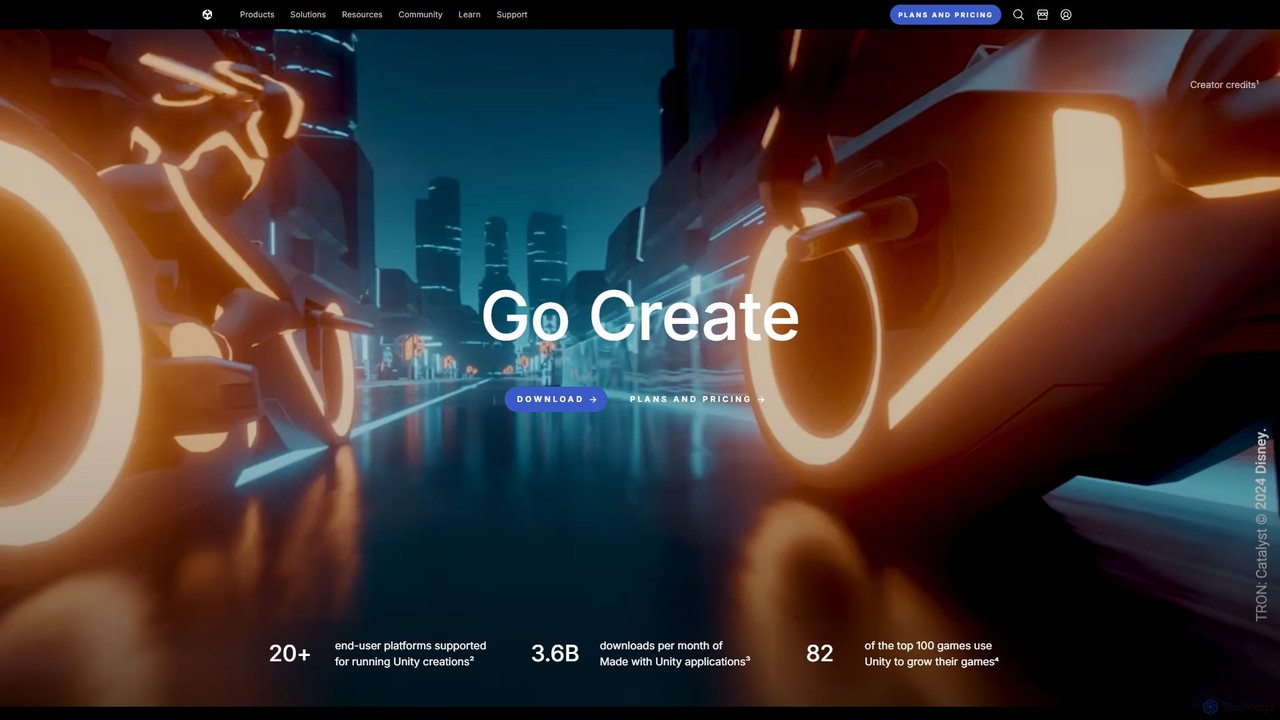
- 3D Engine Integration: Provide robust frameworks within popular game engines like Unity and Unreal Engine for building and optimizing AR/VR content.
- Interaction Design Tools: Enable the creation of intuitive user interfaces and natural interaction methods, including hand tracking, gaze control, and haptic feedback.
- Performance Optimization: Include profiling and debugging tools to ensure smooth frame rates and efficient resource utilization critical for immersive experiences.
- Deployment & Testing Suites: Facilitate testing on various devices, simulation environments, and streamlined deployment to target AR/VR hardware and app stores.
Applicable Scenarios
These tools are crucial for professionals in game development, creating interactive virtual worlds and augmented reality games. They are also vital for industrial designers building virtual prototypes and simulations, and for educators developing immersive learning modules. From enterprise training to consumer entertainment, AR/VR development tools drive innovation.
How to Choose
When selecting AR/VR development tools, consider the target hardware and platform compatibility (e.g., mobile AR, standalone VR headsets, PC VR). Evaluate the learning curve and available community support, especially for new teams. Assess the range of features, including spatial computing capabilities, interaction methods, and integration with existing 3D asset pipelines. Finally, factor in licensing costs and scalability for future projects.