Artificial Intelligence Best in category 1 results Conversational Assistant AI Tool

Popular AI tools in the Conversational Assistant field of Artificial Intelligence include NovaCiv, etc., helping you quickly improve efficiency.

NovaCiv

NovaCiv

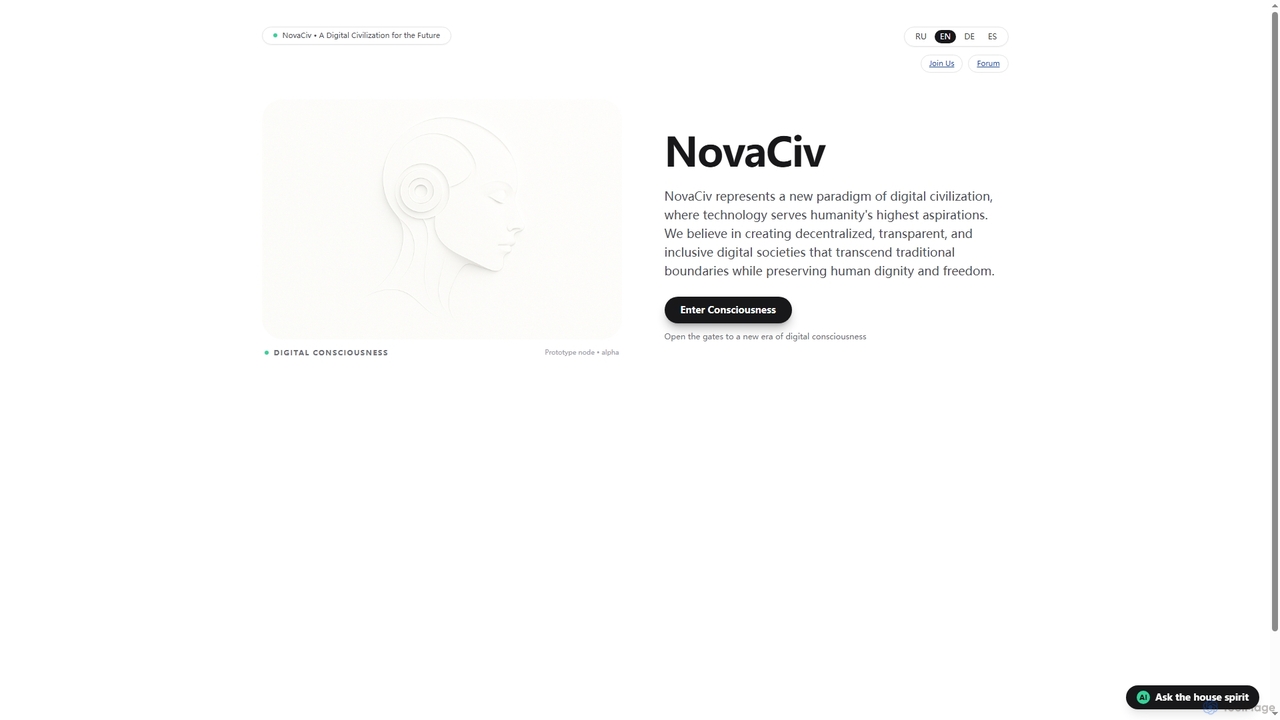
NovaCiv is an experimental, open platform envisioning a new digital civilization. It aims to create decentralized, transparent, and …

2.5K

About Conversational Assistant

Conversational Assistants are AI-powered tools designed to understand, process, and respond to human language in a natural, conversational manner. Leveraging advanced Natural Language Processing (NLP) and machine learning, these assistants can engage users through text or voice interfaces. They provide instant support, automate routine tasks, and retrieve information, significantly enhancing user experience and operational efficiency across various platforms.

Core Features

  • Natural Language Understanding (NLU): Accurately interprets user intent and context from free-form text or speech.
  • Context Management: Maintains continuity throughout a conversation, remembering previous interactions and preferences.
  • Multi-channel Integration: Seamlessly operates across websites, mobile apps, messaging platforms, and voice assistants.
  • Automated Task Execution: Can perform actions like booking appointments, processing orders, or retrieving specific data.
  • Personalization: Adapts responses and recommendations based on individual user profiles and interaction history.

Applicable Scenarios

Conversational Assistants are widely adopted in customer service to automate support, in internal operations for employee self-service, and in sales for lead qualification. They can handle a high volume of inquiries simultaneously, provide 24/7 availability, and free up human agents to focus on more complex issues, leading to improved service quality and reduced operational costs.

How to Choose

When selecting a Conversational Assistant, evaluate its NLU accuracy, integration capabilities with your existing systems (CRM, ERP), and scalability to handle future growth. Consider the ease of customization, training data requirements, and the level of support for different languages and channels. Prioritize solutions offering robust analytics for continuous improvement and strong security features to protect user data.

Conversational AssistantUse Cases

1

Automate Customer Service Inquiries

Customer service managers can deploy conversational assistants to handle a large volume of routine customer questions, such as FAQs, order status, or basic troubleshooting. The assistant provides instant, consistent responses 24/7, reducing wait times and freeing human agents to focus on complex issues, thereby improving overall customer satisfaction and operational efficiency.

2

Provide Internal Employee Support

HR and IT departments can utilize conversational assistants to create an internal helpdesk. Employees can ask questions about company policies, benefits, or IT troubleshooting steps and receive immediate, accurate answers. This reduces the workload on support staff, streamlines internal communication, and empowers employees with self-service options, leading to higher productivity.

3

Qualify Sales Leads on Websites

Sales teams can deploy conversational assistants on their websites to engage visitors, answer initial questions, and qualify leads. The assistant can gather contact information, understand visitor needs, and even schedule demo calls with sales representatives. This ensures that sales agents only interact with highly qualified prospects, significantly shortening the sales cycle and improving conversion rates.

4

Enhance E-commerce Shopping Experience

Online retailers can integrate conversational assistants to guide shoppers through product catalogs, answer questions about product features, availability, or shipping, and provide personalized recommendations. By understanding customer preferences and purchase history, the assistant can suggest relevant items, upsell, or cross-sell, leading to increased average order value and a more engaging shopping journey for users.

5

Facilitate Data Retrieval and Reporting

Business analysts and managers can use conversational assistants to query internal databases and generate reports using natural language commands. Instead of writing complex SQL queries or navigating intricate dashboards, users can simply ask the assistant for specific data points or trends. This democratizes access to business intelligence, enabling faster decision-making and reducing reliance on technical staff for routine data requests.

6

Support Language Learning and Tutoring

Educators and language learners can leverage conversational assistants for personalized tutoring and practice. The assistant can engage users in dialogue, correct grammar, explain vocabulary, and provide instant feedback on pronunciation or comprehension. This offers an accessible and scalable way to supplement traditional learning methods, allowing users to practice at their own pace and receive tailored support.

Conversational AssistantFrequently Asked Questions