Artificial Intelligence Best in category 1 results Embodied Ai AI Tool

Popular AI tools in the Embodied Ai field of Artificial Intelligence include Figure, etc., helping you quickly improve efficiency.

Figure

Figure

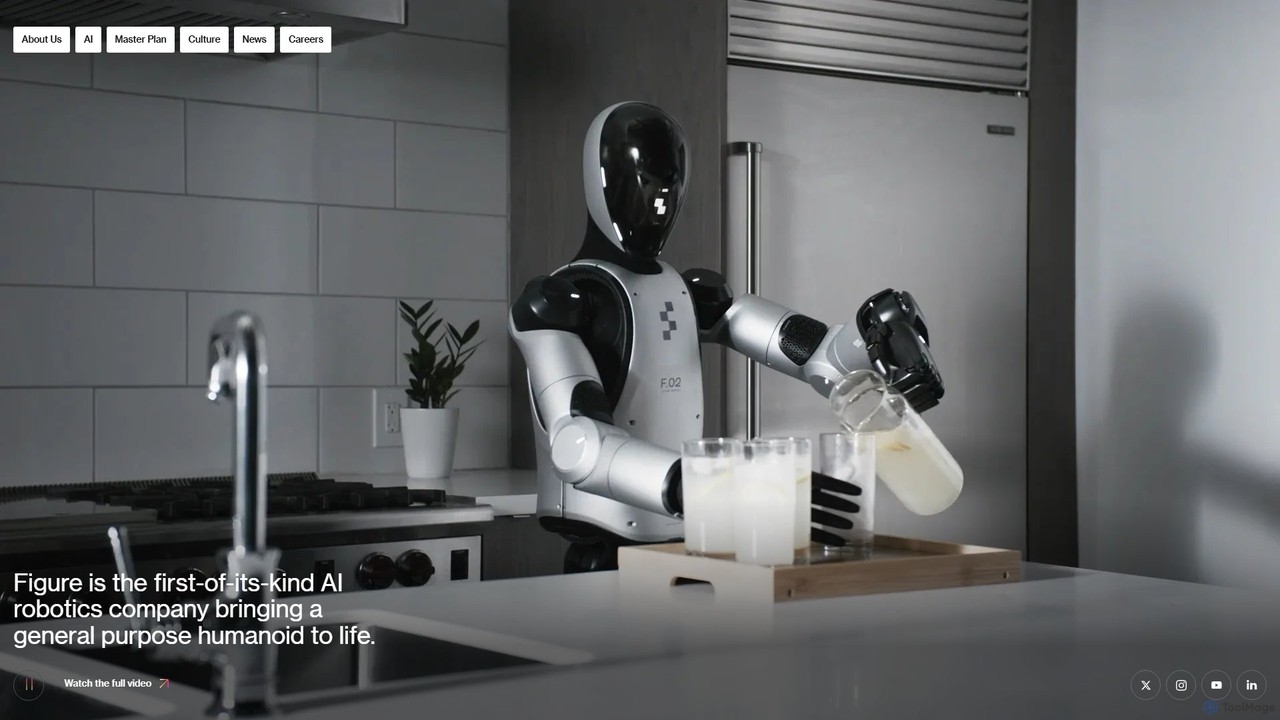
Figure is an AI robotics company developing general-purpose humanoid robots. Its flagship robot, Figure 02, is designed to …

268.5K

About Embodied Ai

Embodied AI refers to artificial intelligence systems that possess a physical body, enabling them to perceive, reason, and act within the real world. Unlike purely digital AI, these tools integrate advanced algorithms with physical sensors and actuators, allowing them to learn from direct interaction with their environment. This physical grounding is crucial for tasks requiring manipulation, navigation, and complex spatial understanding. Embodied AI powers the next generation of intelligent robots and autonomous systems capable of performing complex physical tasks.

Core Features

  • Physical Interaction: The ability to manipulate objects, navigate complex spaces, and perform physical actions.
  • Sensorimotor Learning: Learning directly from sensory data (vision, touch) and motor feedback to improve performance.
  • Real-world Perception: Interpreting dynamic environments using sensors like cameras, LiDAR, and tactile sensors.
  • Autonomous Navigation: Planning and executing paths in unfamiliar environments while avoiding obstacles.
  • Task Planning: Decomposing high-level commands into a sequence of executable physical steps.

Use Cases

Embodied AI is critical in fields like advanced robotics, autonomous logistics, and smart manufacturing. For example, warehouse robots use it to sort packages, and assembly line robots adapt to new product variations. It's also foundational for developing assistive robots in healthcare and autonomous vehicles that navigate city streets.

How to Choose

When selecting an Embodied AI platform, consider its compatibility with your specific hardware (e.g., robotic arms, drones). Evaluate the realism of its simulation environment for training models safely. Also, assess its specialization for tasks like manipulation or navigation and its integration capabilities with frameworks like ROS (Robot Operating System).

Embodied AiUse Cases

1

Automated Warehouse Order Fulfillment

Logistics managers use Embodied AI-powered robots to automate warehouse operations. These robots receive order lists, navigate autonomously through aisles, and use computer vision to identify the correct items on shelves. Equipped with robotic arms, they can pick products of various shapes and sizes and place them into sorting bins. This process significantly reduces manual labor, minimizes picking errors, and accelerates order fulfillment times, especially during peak seasons. The system learns and optimizes routes over time, further enhancing warehouse efficiency.

2

Robotic Assembly in Smart Manufacturing

In a smart factory, manufacturing engineers deploy robotic arms with Embodied AI to perform complex assembly tasks. The AI enables the robot to perceive parts through 3D vision, determine their orientation, and execute precise manipulations like inserting components or tightening screws. Unlike traditional pre-programmed robots, these systems can adapt to minor variations in part placement or even switch between different product models with minimal reprogramming. This flexibility increases production line agility and reduces downtime for retooling.

3

In-Home Elderly Care Assistance

Embodied AI powers assistive robots designed to support independent living for the elderly. These robots can perform daily tasks such as fetching medication, carrying groceries, or retrieving a dropped item from the floor. They navigate cluttered home environments safely and can respond to voice commands. By handling physically demanding or difficult tasks, these robots enhance safety, provide companionship, and offer peace of mind to both the user and their family members, delaying the need for more intensive care.

4

Hazardous Environment Inspection and Response

First responders and industrial inspectors utilize Embodied AI robots to operate in dangerous or inaccessible environments. For instance, a quadruped robot can enter a collapsed building to search for survivors, providing real-time video feedback without risking human life. In industrial settings, drones equipped with Embodied AI can autonomously inspect pipelines or wind turbines for damage, navigating complex structures and identifying potential issues with high-resolution sensors. This application dramatically improves safety and data collection accuracy.

5

Interactive Guidance in Public Spaces

Museums, airports, and large retail stores can employ Embodied AI robots as interactive guides. These robots can greet visitors, provide directions, and offer information about exhibits or products through natural language conversation. They can autonomously navigate crowded areas, leading people to their destination. By physically guiding and interacting with visitors, these robots create a more engaging and memorable experience compared to static digital kiosks, improving customer service and information accessibility.

6

Precision Agriculture and Automated Harvesting

In modern agriculture, Embodied AI drives autonomous robots that perform precision tasks in the field. For example, a harvesting robot uses advanced vision systems to identify ripe fruits or vegetables, assesses their quality, and gently picks them without causing damage. Other robots can target and remove weeds with precision, reducing the need for herbicides. This technology helps solve labor shortages, increases crop yield, and promotes more sustainable farming practices by optimizing resource use.

Embodied AiFrequently Asked Questions