
Artificial Intelligence Best in category 1 results Machine Learning Applications AI Tool

Popular AI tools in the Machine Learning Applications field of Artificial Intelligence include Airflo, etc., helping you quickly improve efficiency.

Airflo

Airflo

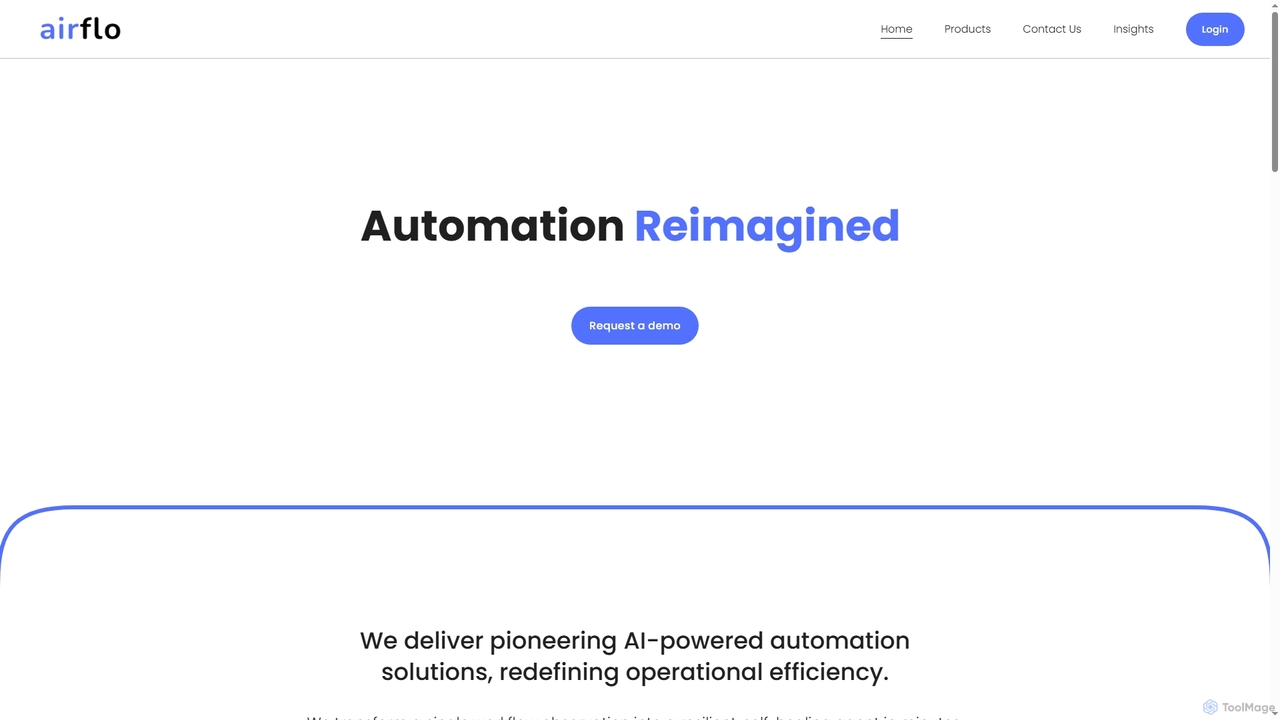
Airflo is a pioneering AI-powered automation platform that transforms single workflow observations into resilient, self-healing agents in minutes. …

2.6K

About Machine Learning Applications

Machine Learning Applications are AI-powered tools that leverage sophisticated algorithms to learn from data and make predictions or decisions. These applications are built upon statistical models and computational techniques, enabling them to identify patterns, classify information, and automate complex tasks without explicit programming. They provide significant value by enhancing decision-making, optimizing operational efficiency, and personalizing user experiences across various industries.

Core Features

  • Predictive Analytics: Forecast future trends and outcomes based on historical data.
  • Natural Language Processing (NLP): Understand, interpret, and generate human language for tasks like sentiment analysis or chatbots.
  • Computer Vision: Enable systems to "see" and interpret visual information from images and videos.
  • Recommendation Engines: Suggest relevant products, content, or services to users based on their preferences.
  • Anomaly Detection: Identify unusual patterns or outliers that may indicate fraud, errors, or critical events.

Use Cases

Machine Learning Applications are indispensable across sectors. In healthcare, they assist in diagnosing diseases from medical images and predicting patient outcomes. Financial institutions deploy them for real-time fraud detection and algorithmic trading. E-commerce platforms utilize them for personalized product recommendations and dynamic pricing strategies, significantly improving customer engagement and sales.

How to Choose

When selecting a Machine Learning Application, consider its model accuracy and robustness for your specific data, the ease of integration with existing systems, and its scalability to handle growing data volumes. Evaluate the level of customization offered, data privacy and security compliance, and the clarity of its pricing model, including potential costs for data processing and model retraining.

Machine Learning ApplicationsUse Cases

1

Predictive Maintenance for Industrial Equipment

Manufacturing engineers utilize machine learning applications to analyze sensor data from machinery, predicting potential equipment failures before they occur. By identifying subtle anomalies and patterns indicative of wear or malfunction, the system triggers proactive maintenance alerts, significantly reducing unexpected downtime and costly repairs, thereby optimizing operational efficiency and extending asset lifespan.

2

Personalized Product Recommendations in E-commerce

Online retailers deploy ML applications to analyze customer browsing history, purchase patterns, and demographic data. These tools generate highly personalized product recommendations for individual shoppers, displayed on product pages or in email campaigns. This approach enhances the shopping experience, increases conversion rates, and boosts average order value by presenting relevant items at the right time.

3

Real-time Fraud Detection in Financial Transactions

Financial institutions leverage machine learning models to monitor millions of transactions in real-time. The application identifies unusual spending patterns, geographic discrepancies, or transaction frequencies that deviate from a user's typical behavior. This allows for immediate flagging of potentially fraudulent activities, minimizing financial losses for both the bank and its customers, and strengthening security protocols.

4

Automated Medical Image Analysis for Diagnostics

Healthcare providers use ML applications to assist in the rapid and accurate analysis of medical images such as X-rays, MRIs, and CT scans. These tools can detect subtle indicators of diseases like tumors or lesions that might be missed by the human eye, providing a crucial second opinion. This accelerates diagnosis, improves treatment planning, and ultimately enhances patient outcomes.

5

Customer Churn Prediction for Subscription Services

SaaS companies and subscription-based businesses employ machine learning to predict which customers are at high risk of churning. By analyzing usage data, engagement metrics, and customer support interactions, the application identifies patterns associated with churn. This enables proactive intervention through targeted offers, personalized support, or engagement campaigns, significantly improving customer retention rates.

6

Intelligent Content Moderation for Online Platforms

Social media networks and user-generated content platforms utilize ML applications to automatically detect and filter inappropriate, harmful, or spam content. These tools analyze text, images, and videos for violations of community guidelines, reducing the burden on human moderators and ensuring a safer online environment. This helps maintain platform integrity and user trust at scale.

Machine Learning ApplicationsFrequently Asked Questions