Artificial Intelligence Best in category 2 results Machine Learning Operations AI Tool

Popular AI tools in the Machine Learning Operations field of Artificial Intelligence include Sliq、Carpathian, etc., helping you quickly improve efficiency.

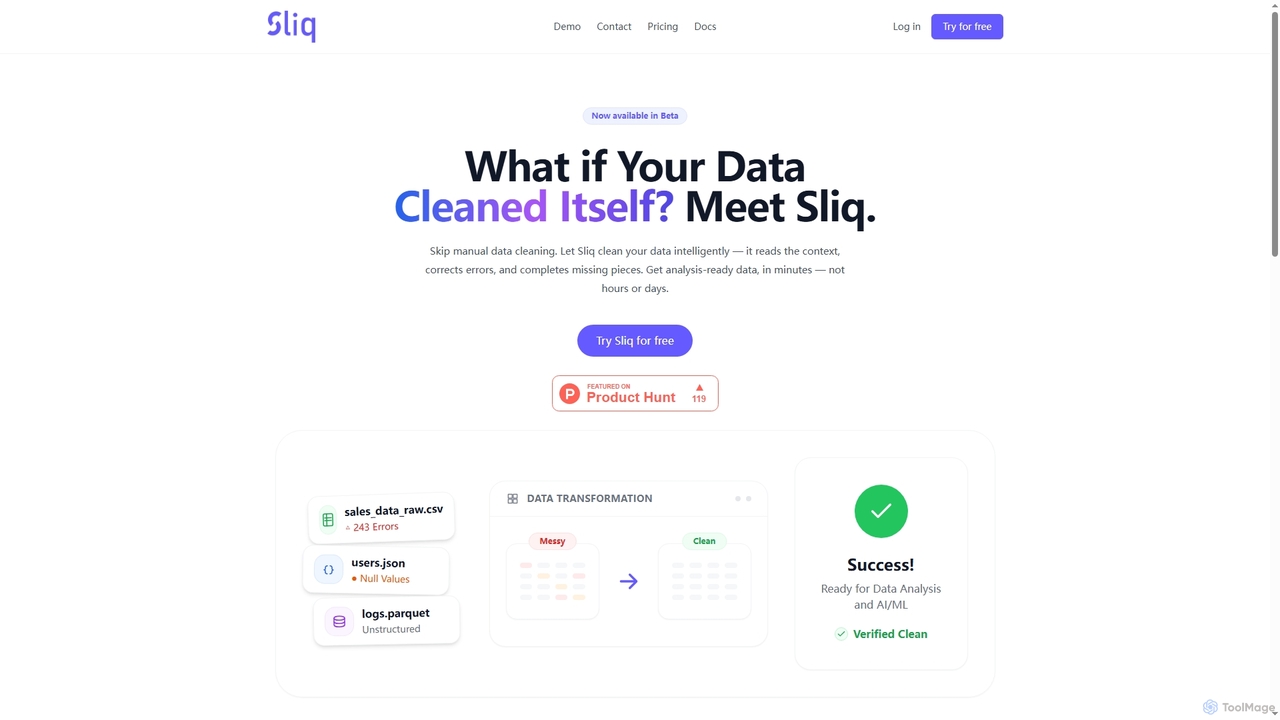
Sliq

Sliq

Sliq is an AI-powered data cleaning platform designed to automate the traditionally manual and time-consuming process of data …

2.2K
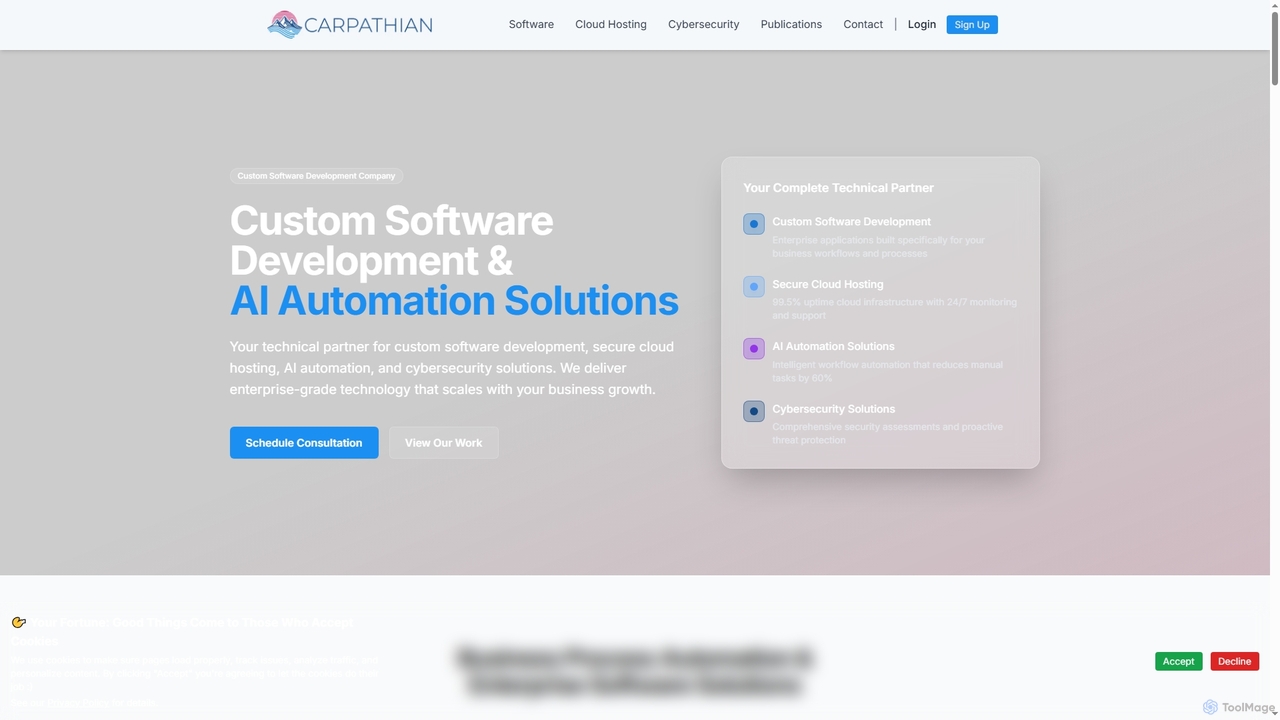
Carpathian

Carpathian

Carpathian is a comprehensive technical partner specializing in custom software development, AI automation solutions, secure cloud hosting, and …

2.1K

About Machine Learning Operations

Machine Learning Operations (MLOps) is a set of practices and tools designed to deploy and maintain machine learning models in production reliably and efficiently. It bridges the gap between data science and operations, ensuring seamless integration and continuous delivery of AI solutions. MLOps encompasses the entire lifecycle, from data preparation and model training to deployment, monitoring, and governance, enabling organizations to scale their AI initiatives.

Core Features

  • Automated Model Deployment: Streamlines the process of moving trained ML models from development to production environments.
  • Performance Monitoring & Alerting: Continuously tracks model accuracy, latency, and resource utilization, triggering alerts on degradation.
  • Data & Model Drift Detection: Identifies changes in input data or model predictions over time that can impact performance.
  • Model Versioning & Registry: Manages different versions of models and their metadata, ensuring reproducibility and traceability.
  • Reproducibility & Governance: Establishes processes for auditing, compliance, and ensuring consistent model behavior across environments.

Applicable Scenarios

MLOps is crucial for organizations that need to deploy and manage multiple machine learning models at scale, ensuring their continuous performance and reliability. This includes tech companies with recommendation engines, financial institutions using fraud detection, and healthcare providers deploying diagnostic AI. It supports teams in maintaining high-quality AI services in dynamic production environments.

How to Choose

When selecting MLOps tools, consider their integration capabilities with your existing data infrastructure and ML frameworks. Evaluate the robustness of their monitoring and alerting systems, as well as their support for data and model drift detection. Scalability, security features, and compliance with industry regulations are also critical factors to ensure long-term success and governance of your AI deployments.

Machine Learning OperationsUse Cases

1

Automated Deployment of Recommendation Engines

E-commerce platforms frequently update their product catalogs and user preferences. MLOps tools enable data scientists and engineers to automate the deployment of new recommendation models, ensuring that customers always receive the most relevant product suggestions. This reduces manual effort, accelerates time-to-market for model updates, and improves customer engagement by keeping recommendations fresh and accurate.

2

Real-time Fraud Detection Model Monitoring

Financial institutions rely on ML models to detect fraudulent transactions in real-time. MLOps solutions provide continuous monitoring of these models, tracking their performance metrics like precision and recall, and alerting security teams to any degradation or unusual patterns. This proactive approach ensures that fraud detection remains effective against evolving threats, minimizing financial losses and maintaining customer trust.

3

Continuous Integration/Delivery for AI Models

Software development teams integrating AI capabilities into their products need robust CI/CD pipelines for ML models. MLOps facilitates this by automating model retraining, testing, and deployment whenever new data or code changes occur. This ensures that AI features in applications are always up-to-date, perform optimally, and can be rapidly iterated upon, mirroring traditional software development best practices.

4

Managing AI Models in Healthcare Diagnostics

Healthcare providers deploying AI models for diagnostic assistance, such as image analysis for disease detection, face strict regulatory and accuracy requirements. MLOps provides the necessary framework for version control, reproducible experiments, and rigorous monitoring of model performance in clinical settings. This ensures that AI-driven diagnoses remain accurate, compliant, and trustworthy, supporting better patient outcomes.

5

Data Drift Detection for Predictive Maintenance

In manufacturing and industrial settings, predictive maintenance models rely on sensor data to forecast equipment failures. MLOps tools continuously monitor the incoming data streams for 'data drift' – changes in data distribution that can invalidate the model's predictions. By detecting drift early, engineers can retrain or update models before they lead to costly equipment downtime, optimizing maintenance schedules and operational efficiency.

6

Reproducible ML Experiment Tracking

Data scientists often conduct numerous experiments to develop and refine ML models. MLOps platforms provide robust experiment tracking, logging all parameters, code versions, datasets, and metrics for each run. This ensures full reproducibility of results, facilitates collaboration among team members, and enables efficient auditing and debugging, which is critical for model development and regulatory compliance.

Machine Learning OperationsFrequently Asked Questions