Artificial Intelligence Best in category 1 results Workforce Management AI Tool

Popular AI tools in the Workforce Management field of Artificial Intelligence include Bling, etc., helping you quickly improve efficiency.

Bling

Bling

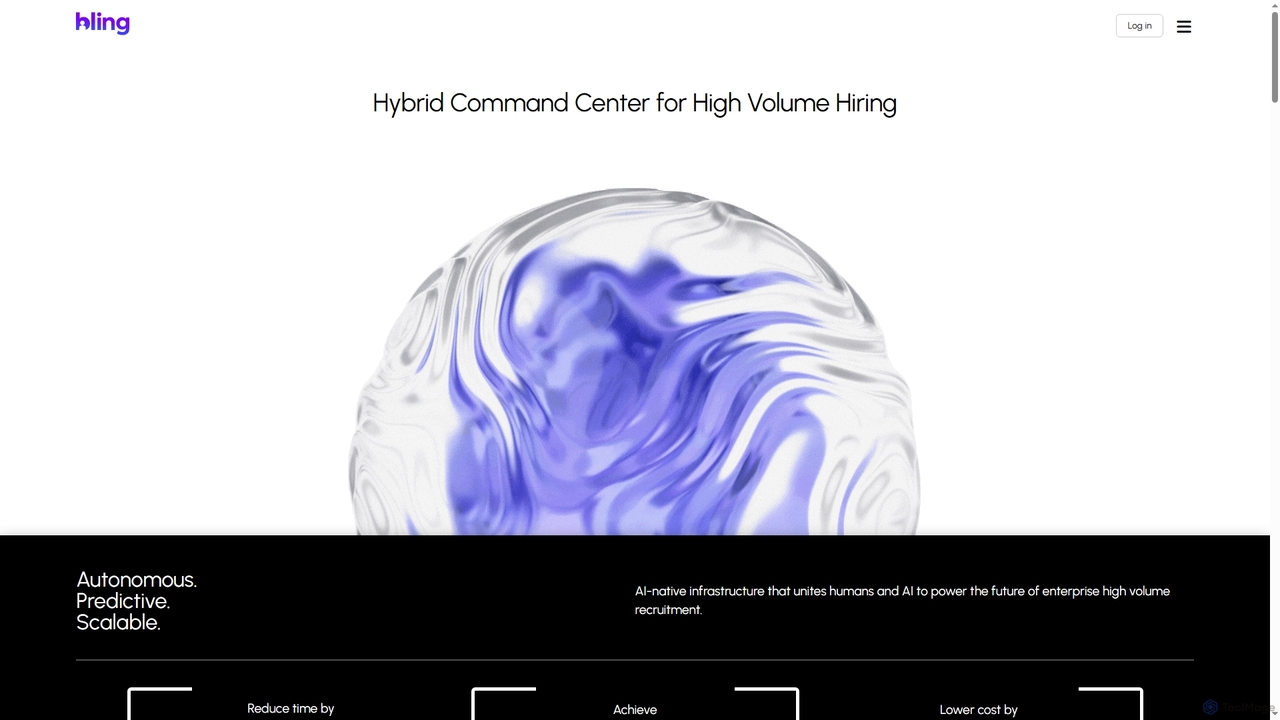
Bling is an enterprise-grade AI platform designed to revolutionize high-volume recruitment by automating, monitoring, and optimizing the entire …

11.3K

About Workforce Management

Workforce Management tools leverage artificial intelligence to optimize the planning, deployment, and management of an organization's human resources. These AI-powered solutions analyze vast datasets to automate complex tasks such as scheduling, task allocation, and performance monitoring. By integrating predictive analytics and machine learning, they enhance operational efficiency, reduce labor costs, and ensure compliance with labor regulations, providing a strategic advantage in managing a dynamic workforce.

Core Features

  • AI-driven Scheduling: Automatically generates optimized shift schedules based on demand forecasts, employee availability, skills, and compliance rules.
  • Predictive Staffing: Forecasts future staffing needs by analyzing historical data, seasonal trends, and real-time operational metrics.
  • Task & Skill Matching: Intelligently assigns tasks to employees by matching required skills with available talent and current workloads.
  • Performance Monitoring & Analytics: Provides insights into individual and team productivity, identifying trends and areas for improvement.
  • Compliance Automation: Monitors and ensures adherence to labor laws, working hour limits, and certification requirements, reducing legal risks.

Applicable Scenarios

Workforce Management AI tools are crucial for industries with dynamic staffing needs, such as retail, healthcare, manufacturing, and hospitality. They empower HR departments, operations managers, and team leads to efficiently manage large or distributed workforces, ensuring optimal resource allocation and operational continuity. These tools are also vital for organizations seeking to enhance employee satisfaction through fair scheduling and workload distribution.

How to Choose

When selecting an AI Workforce Management solution, consider its integration capabilities with existing HRIS/ERP systems, scalability to accommodate growth, and customization options for industry-specific needs. Evaluate the accuracy of its predictive models, the robustness of its compliance features, and the intuitiveness of its user interface. Data security and privacy protocols are also paramount, alongside vendor support and pricing models.

Workforce ManagementUse Cases

1

Optimizing Retail Staff Scheduling

Retail store managers utilize AI Workforce Management to create efficient staff schedules. The AI analyzes historical sales data, predicted customer traffic, employee availability, and local labor laws to generate optimal shift patterns. This ensures adequate coverage during peak hours, minimizes overtime costs, and improves employee work-life balance, leading to higher customer satisfaction and operational savings.

2

Predictive Staffing for Healthcare Facilities

Hospital administrators employ AI to forecast nursing and medical staff requirements. By analyzing patient admission rates, seasonal illness trends, and staff skill sets, the AI predicts future demand. This proactive approach prevents critical understaffing during emergencies or overstaffing during low periods, ensuring high-quality patient care while optimizing labor expenditure and resource allocation.

3

Dynamic Task Allocation in Project Management

Project leads leverage AI Workforce Management to dynamically assign tasks within complex projects. The system evaluates each team member's skills, current workload, and project deadlines, then intelligently matches tasks to the most suitable individuals. This optimizes resource utilization, accelerates project completion, and ensures that critical tasks are handled by the most qualified personnel, enhancing overall project success.

4

Ensuring Labor Law Compliance in Manufacturing

Manufacturing operations managers use AI tools to automatically monitor and enforce labor law compliance. The AI tracks working hours, break times, overtime limits, and required certifications for each employee. It proactively flags potential violations, such as exceeding maximum shifts or expired licenses, thereby mitigating legal risks, avoiding penalties, and fostering a safe and fair working environment.

5

Enhancing Remote Team Productivity Analysis

Managers of remote teams deploy AI Workforce Management to gain insights into productivity and engagement. The AI analyzes task completion rates, communication patterns, and project contributions across distributed teams. This helps identify bottlenecks, recognize high-performing individuals, and understand workload distribution, enabling data-driven decisions to improve remote work efficiency and team cohesion.

6

Proactive Employee Retention & Engagement

HR business partners utilize AI to predict employee flight risk and enhance engagement. The AI analyzes various data points, including performance reviews, internal survey feedback, and sentiment from communication tools, to identify patterns indicating potential dissatisfaction or burnout. This allows HR to proactively intervene with targeted support, development opportunities, or workload adjustments, significantly reducing turnover rates.

Workforce ManagementFrequently Asked Questions