ToolMage
Sign in

Best 2 Blogging AI tools

Popular Blogging AI tools include Waldium and ContentGT, helping you work more efficiently.

Waldium
Freemium

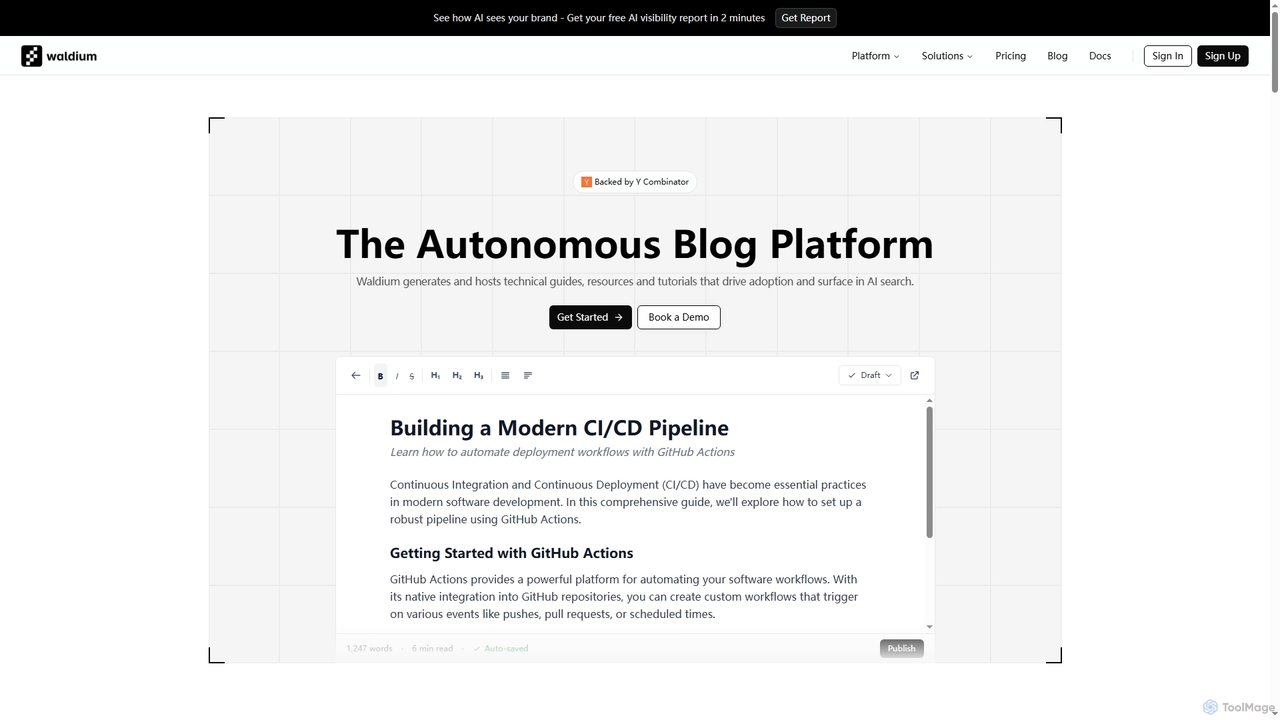
Waldium

Waldium is an autonomous blog platform designed for developer tools, leveraging AI to generate and host technical guides, tutorials, and resources. It optimizes content for AI search engines like ChatGPT and Claude, ensuring developer products are discoverable and drive adoption.

Content Performance
Visits 5.1KFavorites 127Likes 108
ContentGT
Freemium

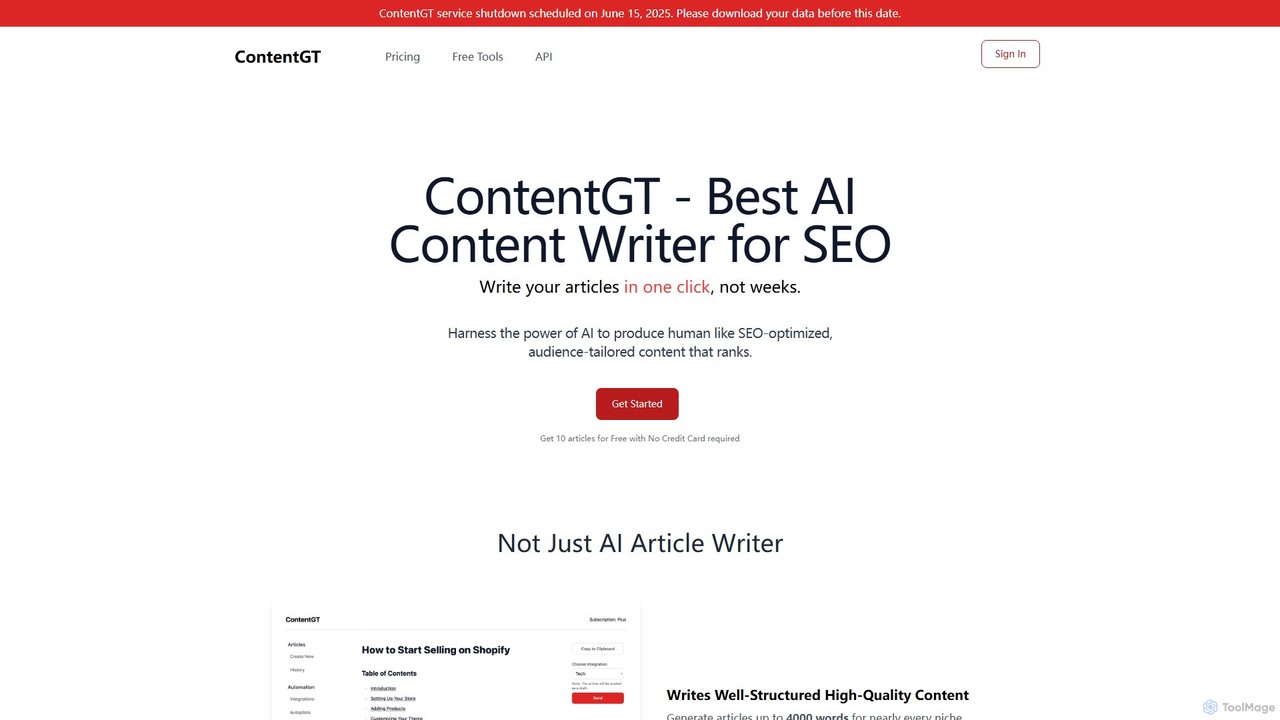
ContentGT

ContentGT is an AI-powered content writer designed to generate high-quality, human-like, and SEO-optimized articles in a single click. It streamlines content creation by offering features like WordPress integration, autoposting, and the inclusion of relevant images and videos, making it ideal for bloggers, marketers, and SEO specialists.

Automation
Visits 3.4KFavorites 96Likes 102

About Blogging

Blogging tools are AI-powered solutions designed to streamline and enhance the entire content creation process for blogs. These tools leverage advanced natural language processing (NLP) and machine learning algorithms to assist with everything from idea generation and drafting to SEO optimization and content promotion. They empower content creators, marketers, and businesses to produce high-quality, engaging, and search-engine-friendly blog posts more efficiently, significantly reducing manual effort and accelerating publishing cycles.

Core Features

  • Content Generation: Automatically generates full blog posts, paragraphs, or outlines based on user prompts and keywords.
  • SEO Optimization: Analyzes content for keyword density, readability, and suggests improvements to rank higher in search results.
  • Idea & Topic Brainstorming: Provides innovative blog post ideas, headlines, and content angles relevant to specific niches.
  • Grammar & Style Correction: Ensures linguistic accuracy, improves sentence structure, and refines writing style for clarity and impact.
  • Content Summarization & Rewriting: Condenses long articles into concise summaries or rephrases existing text to avoid plagiarism and improve uniqueness.

Use Cases

AI blogging tools are invaluable for individual bloggers aiming to increase their output, marketing teams needing to scale content production, and businesses looking to maintain an active online presence. They are particularly useful for generating initial drafts, overcoming writer's block, and ensuring content meets specific SEO criteria before publication.

How to Choose

When selecting an AI blogging tool, consider its core generation capabilities (e.g., long-form vs. short-form content), the depth of its SEO features, integration with existing content management systems, and the quality of its output. Evaluate the pricing model, user interface intuitiveness, and the availability of customization options to align with your specific content strategy and workflow.

Featured tool rankings

Blogging use cases

1

Generating SEO-Optimized Blog Post Drafts

A content marketer needs to publish daily blog posts to drive organic traffic. Using an AI blogging tool, they input target keywords and a brief outline. The tool then generates a well-structured, SEO-optimized draft, complete with headings, paragraphs, and relevant subtopics, saving hours of initial writing time and ensuring keyword integration from the start.

2

Overcoming Writer's Block for New Content Ideas

An independent blogger struggles to find fresh, engaging topics for their niche audience. They use the AI tool's idea generation feature, inputting their blog's theme and target audience. The AI provides a list of trending topics, unique angles, and compelling headlines, sparking creativity and ensuring a consistent content pipeline.

3

Repurposing Blog Content for Social Media

A social media manager wants to maximize the reach of published blog posts. They feed a blog article into the AI blogging tool, which then extracts key takeaways and generates multiple short, engaging social media captions, tweets, and Instagram descriptions, tailored for different platforms, significantly streamlining content distribution efforts.

4

Enhancing Existing Blog Posts for Better Readability

An editor reviews a team member's blog post and finds it lacks clarity and flow. They use the AI tool's grammar and style correction features to identify awkward phrasing, improve sentence structure, and suggest synonyms. This process refines the content, making it more engaging and easier for readers to digest without extensive manual editing.

5

Translating Blog Content for Global Audiences

A global e-commerce business aims to expand its market reach by offering localized content. They use an AI blogging tool with translation capabilities to convert their English blog posts into multiple languages, such as Spanish, German, and Japanese. This ensures cultural relevance and accuracy, enabling them to connect with diverse international audiences efficiently.

6

Automating Content Outlines and Structure Creation

A freelance writer receives a client brief for a complex topic and needs a solid structure before writing. They use an AI blogging tool to generate a detailed outline, including main headings, subheadings, and key points to cover. This provides a robust framework, ensuring comprehensive coverage and logical flow, and drastically reduces planning time.

Blogging FAQ

What are AI Blogging Tools?

AI Blogging Tools are software applications that utilize artificial intelligence, primarily natural language processing (NLP), to assist with various aspects of blog content creation. They can generate text, optimize for SEO, brainstorm ideas, and refine writing style. Their core purpose is to automate repetitive tasks and enhance the quality and efficiency of blog production for individuals and businesses.

How do AI blogging tools improve content creation efficiency?

AI blogging tools significantly boost efficiency by automating time-consuming tasks. They can generate initial drafts quickly, suggest relevant keywords for SEO, correct grammar and style, and even repurpose content for different platforms. This allows writers and marketers to focus more on strategy, research, and refining the human touch, rather than getting bogged down in repetitive writing or editing.

What features should I look for in an AI blogging tool?

When choosing an AI blogging tool, prioritize features like robust content generation (for various formats), comprehensive SEO analysis and optimization suggestions, idea brainstorming capabilities, and advanced grammar/style correction. Integration with your existing CMS or writing workflow, ease of use, and the ability to customize output are also crucial for a seamless and effective content strategy.

Can AI blogging tools replace human writers?

While AI blogging tools are powerful assistants, they are not designed to fully replace human writers. They excel at generating drafts, optimizing for technical aspects like SEO, and overcoming writer's block. However, human writers bring unique creativity, critical thinking, emotional intelligence, and nuanced understanding of audience and brand voice that AI currently cannot replicate. The best approach is often a collaborative one, where AI enhances human capabilities.

How do AI blogging tools handle SEO optimization?

AI blogging tools optimize for SEO by analyzing your content against target keywords, suggesting optimal keyword placement, and checking for readability and content structure. They can identify opportunities for internal and external links, recommend meta descriptions and titles, and ensure your content aligns with search engine best practices. This helps improve your blog's visibility and ranking on search engine results pages.