Analytics Best in category 2 results Content Performance AI Tool

Popular AI tools in the Content Performance field of Analytics include Infrasity、Waldium, etc., helping you quickly improve efficiency.

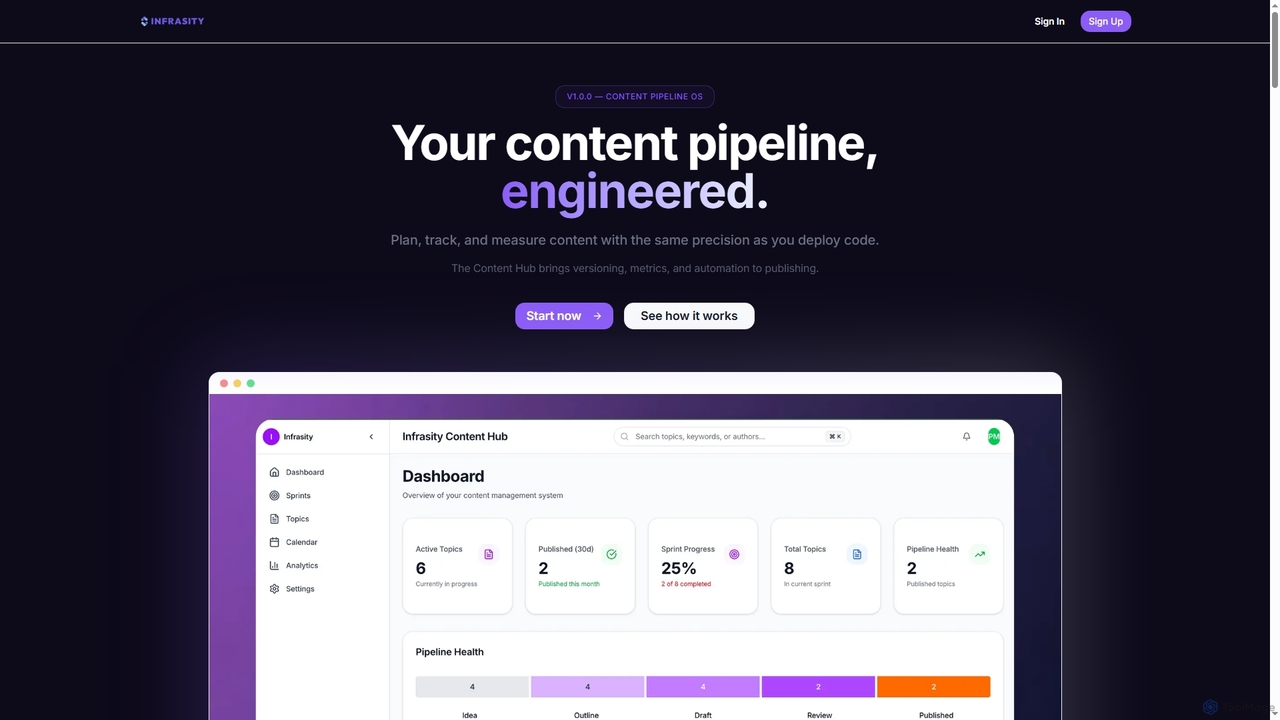
Infrasity

Infrasity

Infrasity is an AI-powered content pipeline operating system designed for technical teams to plan, track, and measure content …

3.6K
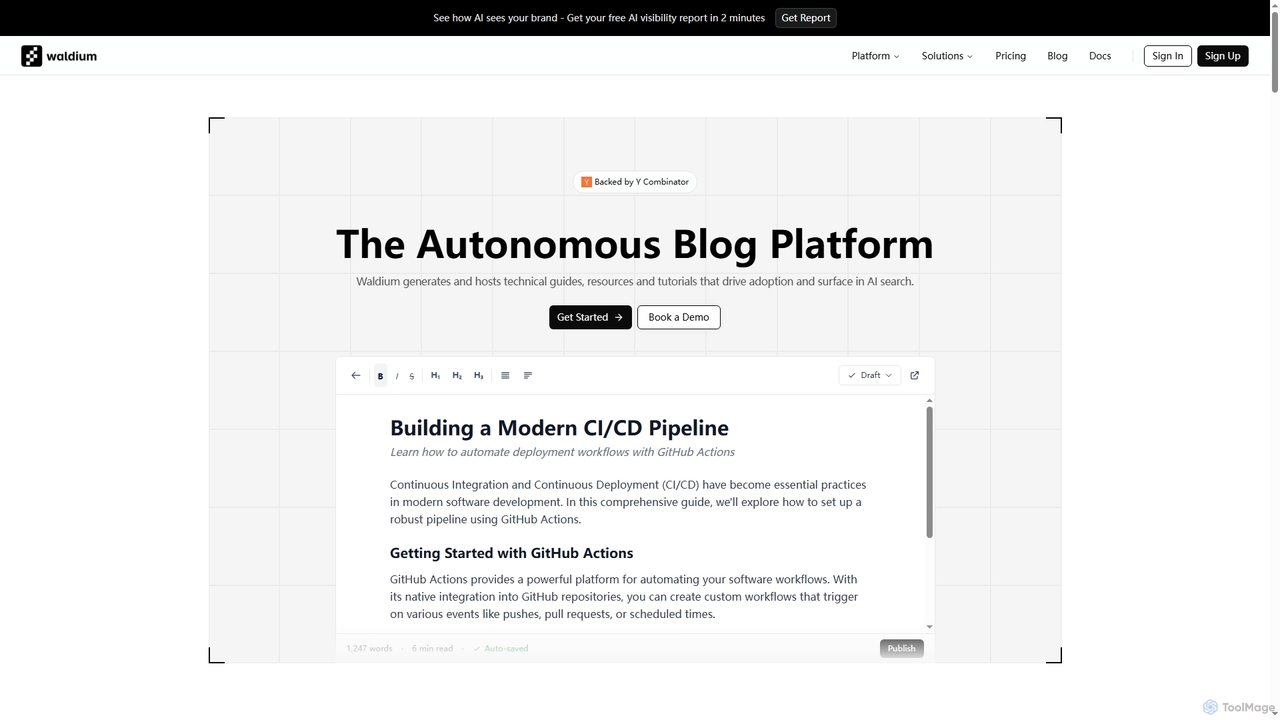
Waldium

Waldium

Waldium is an autonomous blog platform designed for developer tools, leveraging AI to generate and host technical guides, …

1.5K

About Content Performance

Content Performance tools are AI-powered solutions designed to analyze and optimize the effectiveness of digital content across various platforms. These tools leverage advanced algorithms to track key metrics, understand audience engagement, and provide actionable insights. They empower marketers, content creators, and businesses to make data-driven decisions, refine their content strategies, and maximize ROI within the broader field of Analytics.

Core Features

  • Engagement Tracking: Monitors likes, shares, comments, and other interactions across social media, blogs, and websites.
  • Audience Sentiment Analysis: Uses NLP to gauge public opinion and emotional tone towards content and brands.
  • Content Gap Analysis: Identifies topics and formats where competitors are performing well, but your content is lacking.
  • Predictive Performance: Forecasts potential reach, engagement, and virality of content before publication.
  • SEO Performance Integration: Connects content performance data with search engine rankings and keyword effectiveness.

Use Cases

These tools are crucial for understanding what content resonates with target audiences, identifying areas for improvement, and optimizing distribution channels. They help in refining messaging, improving content quality, and ensuring that content investments yield measurable results. From individual creators to large enterprises, Content Performance tools provide the intelligence needed to stay competitive.

How to Choose

When selecting a Content Performance tool, consider its data source integration (social media, web analytics, email marketing), the depth of its analytical insights (e.g., sentiment, predictive modeling), and its reporting customization options. Evaluate its ease of use, scalability for your content volume, and the accuracy of its AI-driven recommendations. Compatibility with your existing marketing stack and pricing structure are also vital factors.

Content PerformanceUse Cases

1

Optimizing Blog Post Engagement

A content marketer uses Content Performance tools to analyze which blog posts receive the most comments, shares, and time on page. By identifying patterns in successful content (e.g., topic, format, length, tone), they can refine their editorial calendar and content creation strategy. This leads to a 25% increase in average blog post engagement and improved organic traffic over three months.

2

Improving Social Media Campaign ROI

A social media manager employs Content Performance tools to track the reach, engagement rate, and conversion metrics of various social media posts and campaigns. By comparing different content types (e.g., video vs. image, short-form vs. long-form text) and posting times, they can identify optimal strategies. This enables them to allocate budget more effectively, resulting in a 15% improvement in social media campaign ROI.

3

Identifying Content Gaps for SEO

An SEO specialist utilizes Content Performance tools to perform a content gap analysis, comparing their website's content coverage and performance against competitors for target keywords. The tool highlights topics where competitors rank highly but their own site lacks comprehensive content. This insight guides the creation of new, high-value content, leading to improved search engine rankings and a 20% increase in organic search traffic for identified keywords.

4

Benchmarking Competitor Content Strategy

A marketing analyst employs Content Performance tools to monitor and benchmark the content strategies of key competitors. By analyzing their top-performing articles, videos, and campaigns, the analyst gains insights into successful formats, distribution channels, and audience engagement tactics. This competitive intelligence informs their own strategy adjustments, helping to identify new opportunities and maintain a competitive edge in the market.

5

Personalizing Email Content Performance

An email marketing specialist uses Content Performance tools to analyze the open rates, click-through rates, and conversion rates of personalized email campaigns. By testing different subject lines, body content variations, and calls-to-action based on audience segments, they can identify which content elements drive the best results. This iterative optimization leads to a significant increase in email campaign effectiveness and subscriber engagement.

6

Predicting Viral Content Potential

A digital strategist leverages Content Performance tools with predictive analytics capabilities to assess the potential virality and reach of new content ideas before full-scale production. By inputting content drafts or concepts, the AI analyzes historical data and current trends to forecast performance. This allows the strategist to prioritize content with the highest predicted impact, minimizing risks and maximizing the chances of creating highly engaging, shareable content.

Content PerformanceFrequently Asked Questions