HEROZ
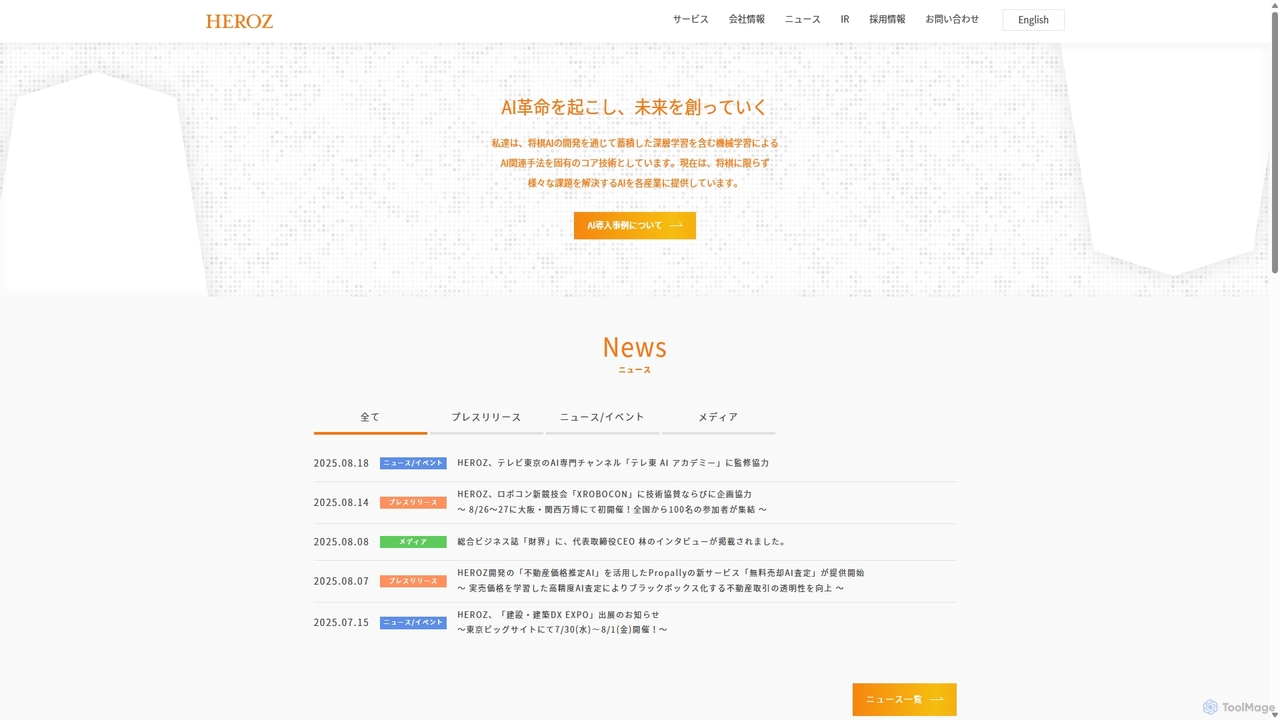
HEROZ is a leading Japanese AI technology company that provides advanced B2B solutions across various industries. Leveraging core …
HEROZ is a leading Japanese AI technology company that provides advanced B2B solutions across various industries. Leveraging core technologies developed from its world-champion Shogi (Japanese chess) AI, HEROZ offers custom AI development, data analysis, and generative AI platforms to drive business transformation in finance, construction, entertainment, and more.
Monyble
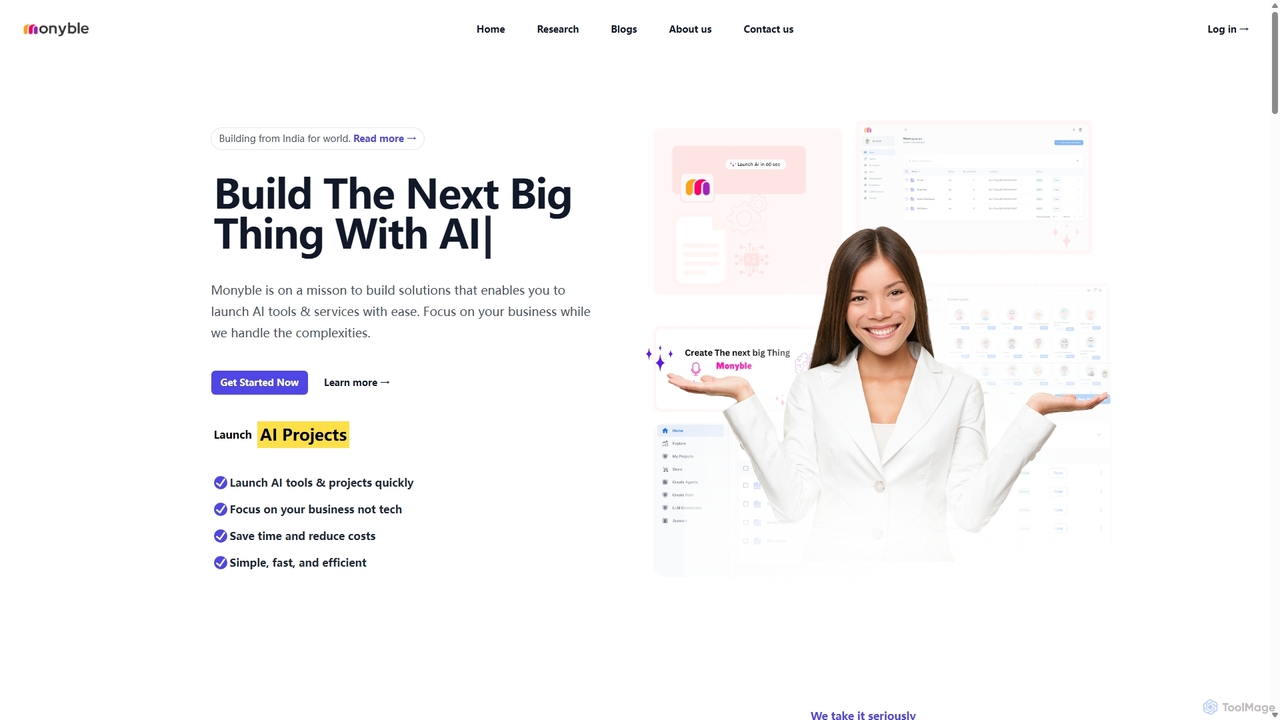
Monyble is a no-code AI platform designed to empower businesses and individuals to build and launch sophisticated AI …
Monyble is a no-code AI platform designed to empower businesses and individuals to build and launch sophisticated AI tools and services with ease. It simplifies the complexities of AI development, enabling users to focus on business growth while leveraging cutting-edge technology for marketing, customer support, HR, and more.
HEROZ
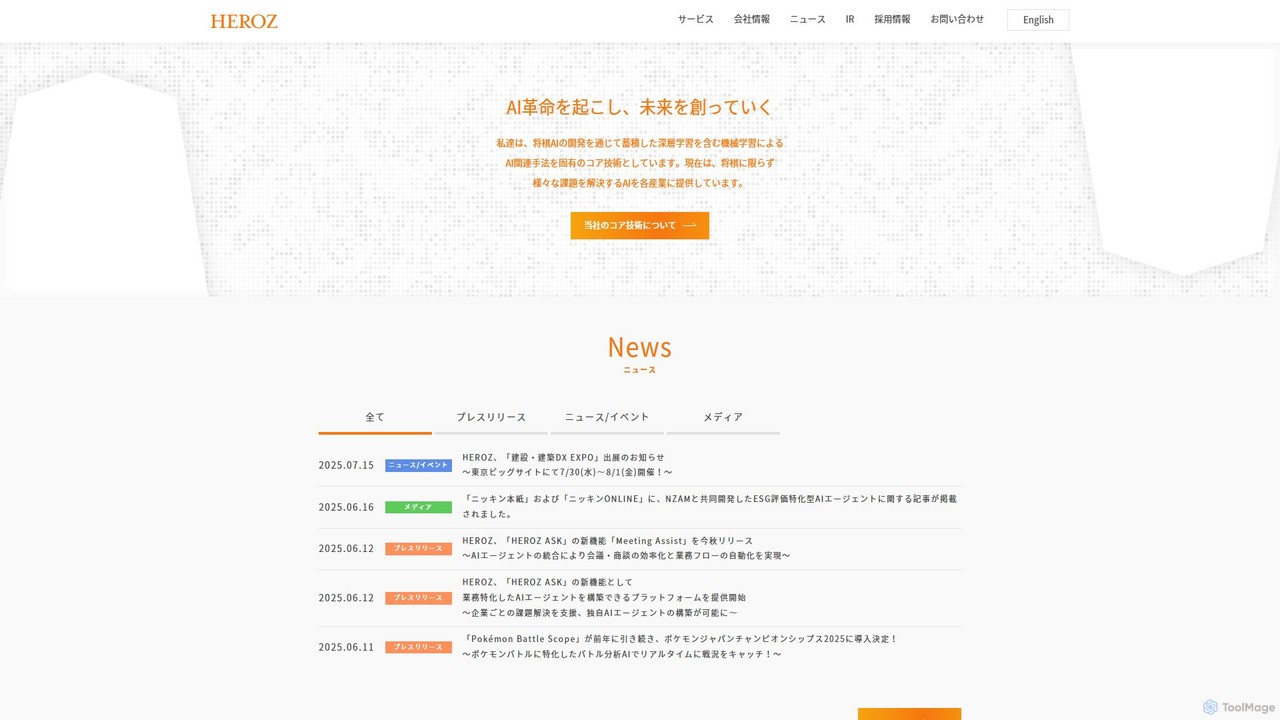
HEROZ is a Japanese AI technology company that leverages its deep learning expertise, originally developed for Shogi (Japanese …
HEROZ is a Japanese AI technology company that leverages its deep learning expertise, originally developed for Shogi (Japanese chess) AI, to provide advanced enterprise AI solutions. It offers the 'HEROZ Kishin' AI brand for custom problem-solving and the 'HEROZ ASK' secure generative AI platform for various industries, including finance, construction, and entertainment.
WhiteCube.ai
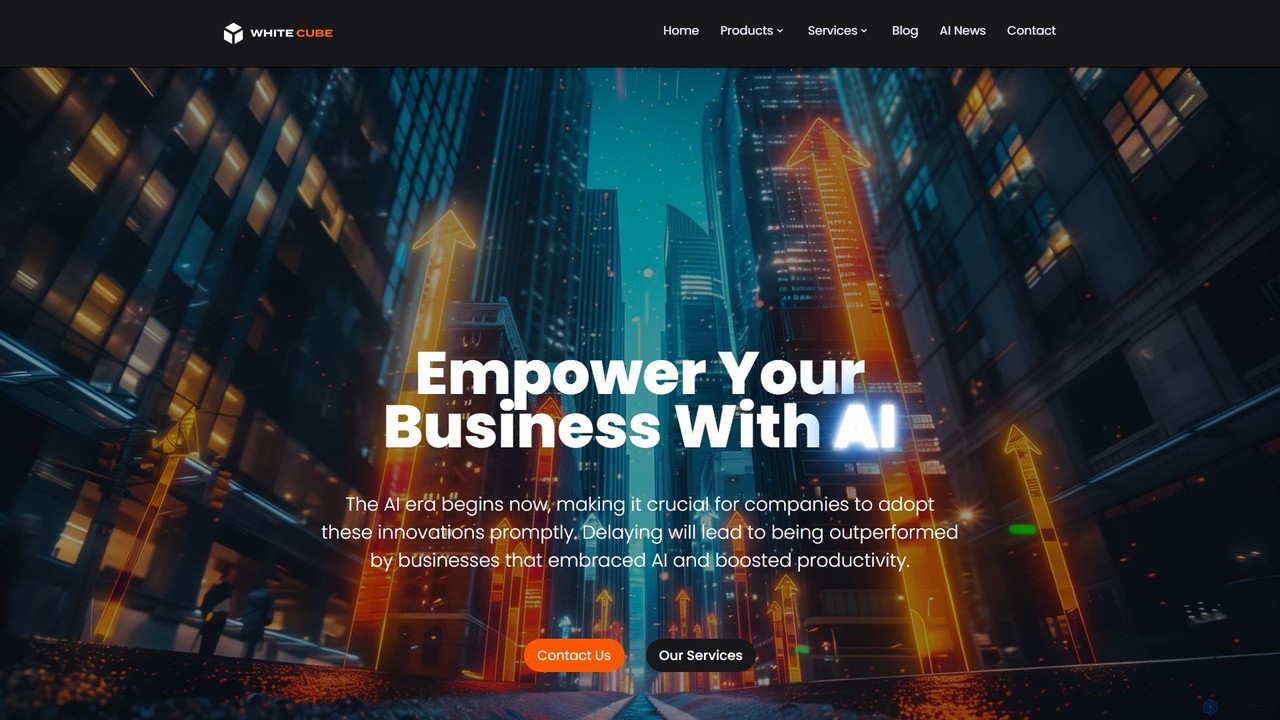
WhiteCube.ai offers a suite of AI-powered solutions and custom development services to help businesses integrate artificial intelligence into …
WhiteCube.ai offers a suite of AI-powered solutions and custom development services to help businesses integrate artificial intelligence into their operations. Specializing in marketing, sales, and customer service, their products leverage a unique "(Re)Generative AI" approach to deliver highly contextual and accurate results, boosting productivity and driving growth.
About Ai Solutions
AI Solutions are comprehensive, tailored applications of artificial intelligence technologies designed to solve specific business challenges and automate complex processes. These solutions leverage various AI disciplines like machine learning, natural language processing, and computer vision, often integrating multiple models and data sources. Their primary purpose is to enhance operational efficiency, drive innovation, improve decision-making, and create new value across diverse industries within a business context.
Core Features
- Automated Decision Making: AI models analyze data to make real-time operational decisions without human intervention.
- Predictive Analytics: Forecast future trends, risks, and opportunities based on historical and real-time data.
- Intelligent Process Automation: Automate repetitive, rule-based tasks and complex workflows, often combining RPA with AI.
- Personalized Experiences: Deliver tailored content, recommendations, or services to individual users or customer segments.
- Data-driven Insights: Extract actionable intelligence and patterns from large, complex datasets to inform strategy.
Applicable Scenarios
AI Solutions are vital for organizations seeking to optimize core operations, from enhancing customer engagement to streamlining internal processes. They are deployed in sectors like finance for fraud detection, manufacturing for predictive maintenance, and retail for personalized marketing, providing end-to-end intelligent capabilities.
How to Choose
Selecting an AI Solution requires evaluating its alignment with specific business problems, scalability, and integration capabilities with existing systems. Consider the solution's data requirements, the vendor's expertise and support, and a clear understanding of the potential return on investment (ROI) to ensure long-term value.
Ai SolutionsUse Cases
Optimizing Supply Chain Logistics
Logistics managers and supply chain analysts utilize AI solutions to predict demand fluctuations, optimize inventory levels, and plan efficient delivery routes. By analyzing historical sales, weather patterns, and market trends, these solutions forecast needs and dynamically adjust logistics, leading to reduced operational costs and improved delivery times.
Enhancing Customer Service & Support
Customer service managers deploy AI-powered virtual assistants and chatbots to automate responses to common inquiries and personalize interactions. These solutions use natural language processing to understand customer sentiment, providing instant support and efficiently routing complex issues to human agents, thereby improving satisfaction and reducing workload.
Fraud Detection & Risk Management
Financial analysts and security officers leverage AI solutions to identify suspicious transactions and detect anomalies in user behavior in real-time. AI algorithms analyze vast datasets to flag fraudulent activities or assess credit risk, minimizing financial losses, enhancing security protocols, and ensuring compliance with regulatory standards.
Personalized Marketing & Sales Strategies
Marketing managers and sales teams implement AI solutions to tailor product recommendations, segment customer bases, and predict purchase intent. By analyzing browsing history, purchase patterns, and demographic data, AI delivers highly personalized campaigns and sales pitches, resulting in increased conversion rates and optimized marketing spend.
Predictive Maintenance in Manufacturing
Plant managers and maintenance engineers use AI systems to monitor machinery health and predict equipment failures before they occur. AI collects data from sensors on industrial equipment, identifies subtle anomalies, and forecasts when a component is likely to fail, significantly reducing downtime and extending equipment lifespan.
Automating HR & Talent Acquisition
HR managers and recruiters utilize AI solutions to streamline talent acquisition and management. These tools screen resumes, identify best-fit candidates, personalize employee training paths, and predict attrition risks by analyzing various data points, leading to faster hiring cycles, improved candidate quality, and better retention.