Lazy Admin
Lazy Admin is an AI-powered data analysis and reporting solution designed primarily for Salesforce. It enables users to …
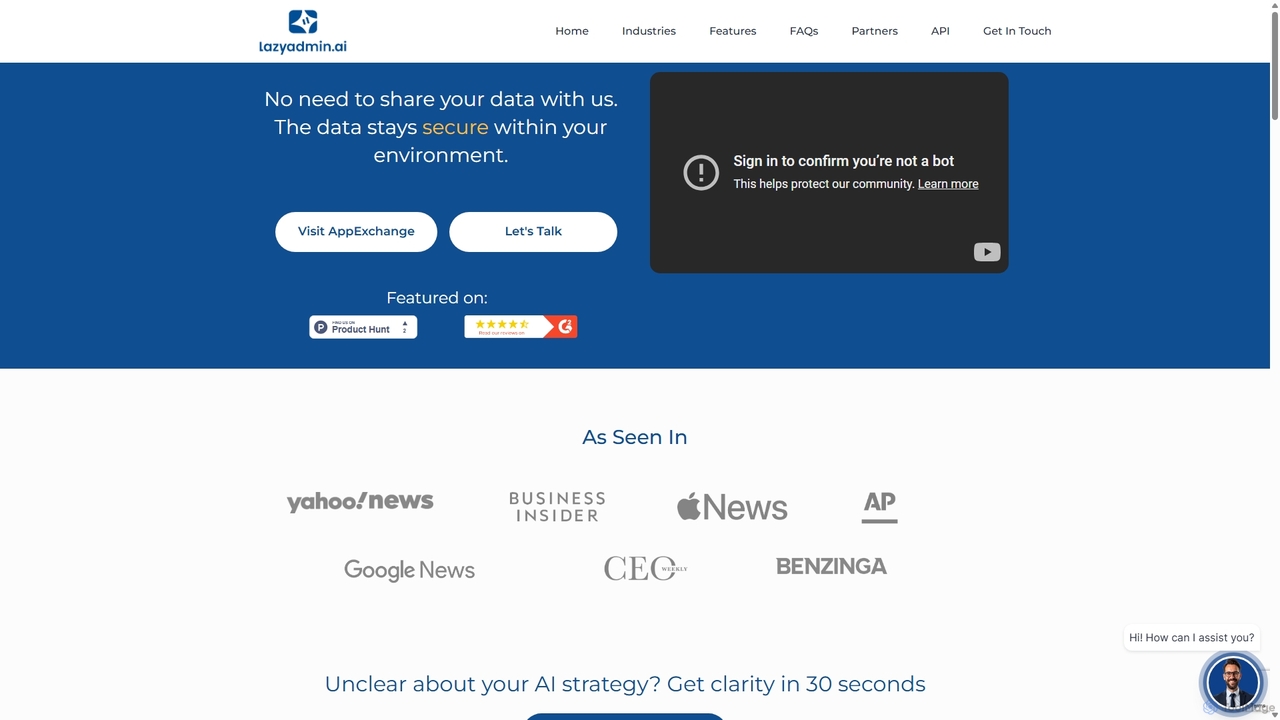
Lazy Admin is an AI-powered data analysis and reporting solution designed primarily for Salesforce. It enables users to query data, generate charts, and create dashboards using natural language. The tool emphasizes security by keeping all data within your environment and can be personalized to understand your specific business terminology, making data insights accessible to everyone on your team.
Chat2DB
Chat2DB is an intelligent, all-in-one database management tool powered by AI. It supports over 30 databases, including MySQL, …
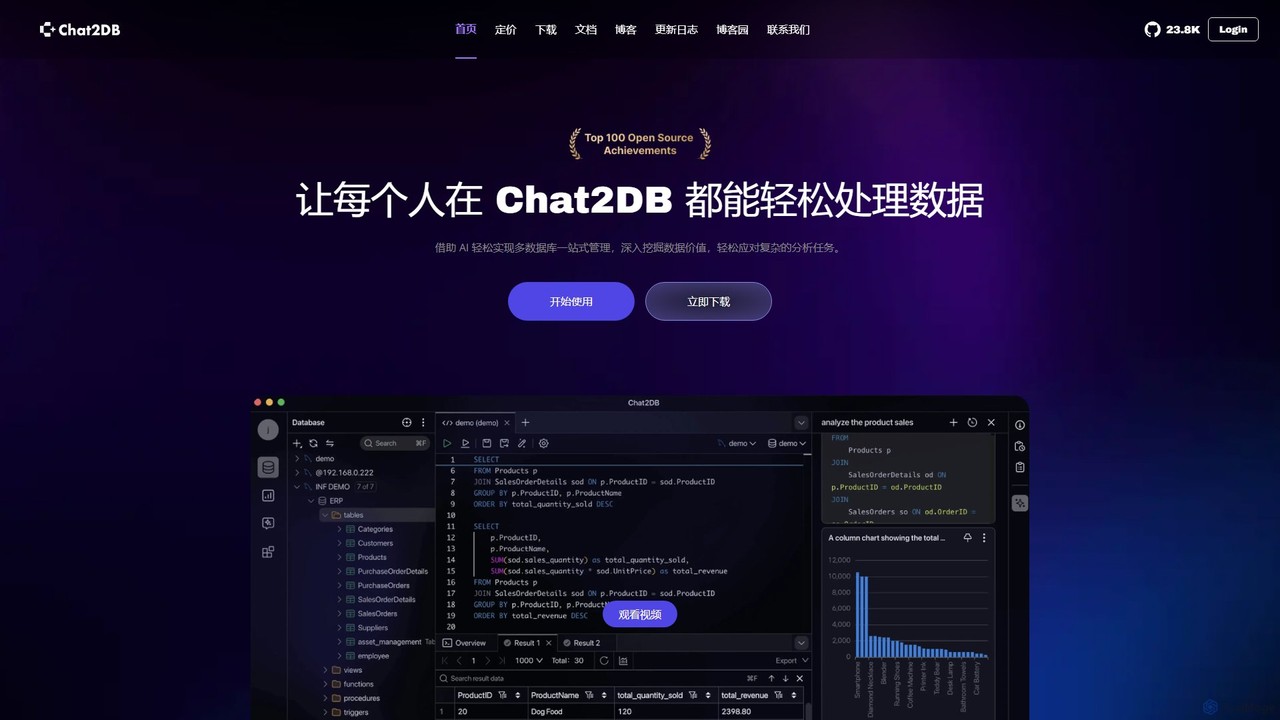
Chat2DB is an intelligent, all-in-one database management tool powered by AI. It supports over 30 databases, including MySQL, PostgreSQL, and MongoDB, allowing users to manage, query, and analyze data using natural language. Features include AI SQL generation, data visualization, no-code dashboard creation, and robust security protocols, making it ideal for developers, analysts, and business users.
Navicat
Navicat is a comprehensive database management and development tool with integrated AI features. It provides a user-friendly GUI …
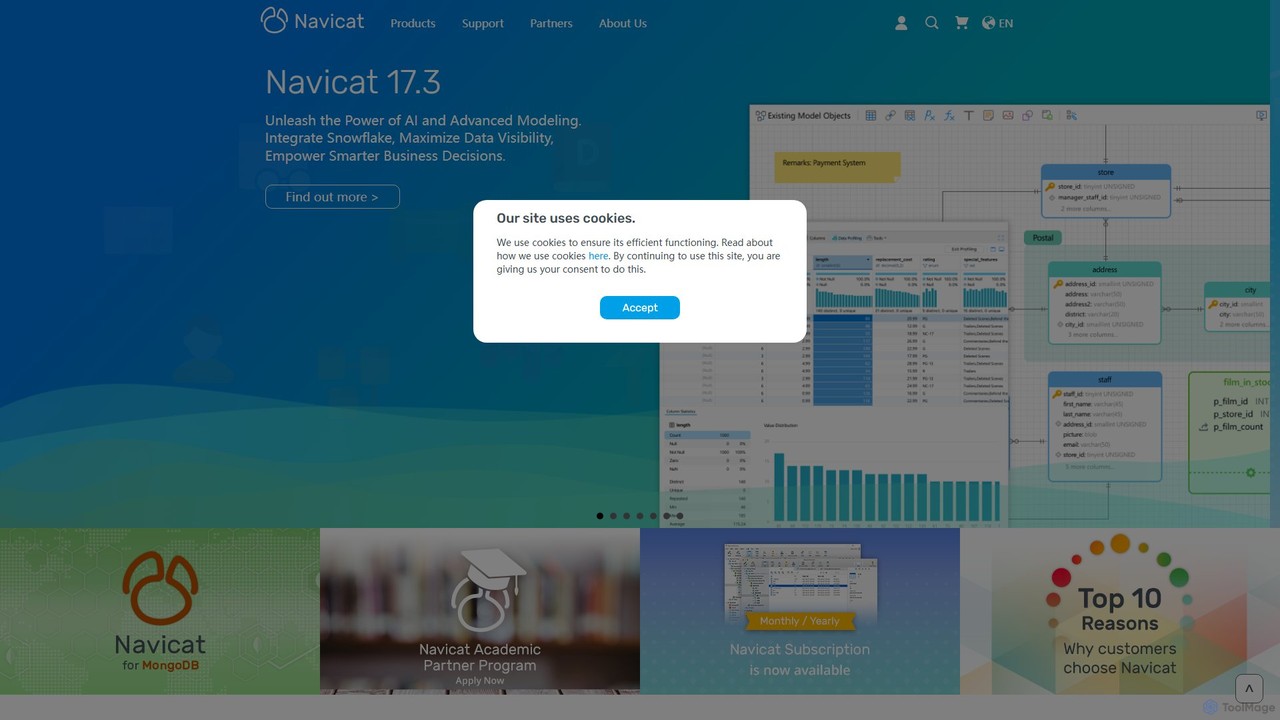
Navicat is a comprehensive database management and development tool with integrated AI features. It provides a user-friendly GUI for managing a wide range of databases like MySQL, PostgreSQL, MongoDB, and Snowflake. It boosts productivity with an AI Assistant for query generation, advanced data modeling, BI visualization, and seamless cloud collaboration, making it a top choice for developers, DBAs, and data analysts.
Sprk™
Sprk™ is an AI-powered business intelligence tool designed for local businesses using Square and Clover POS systems. It …
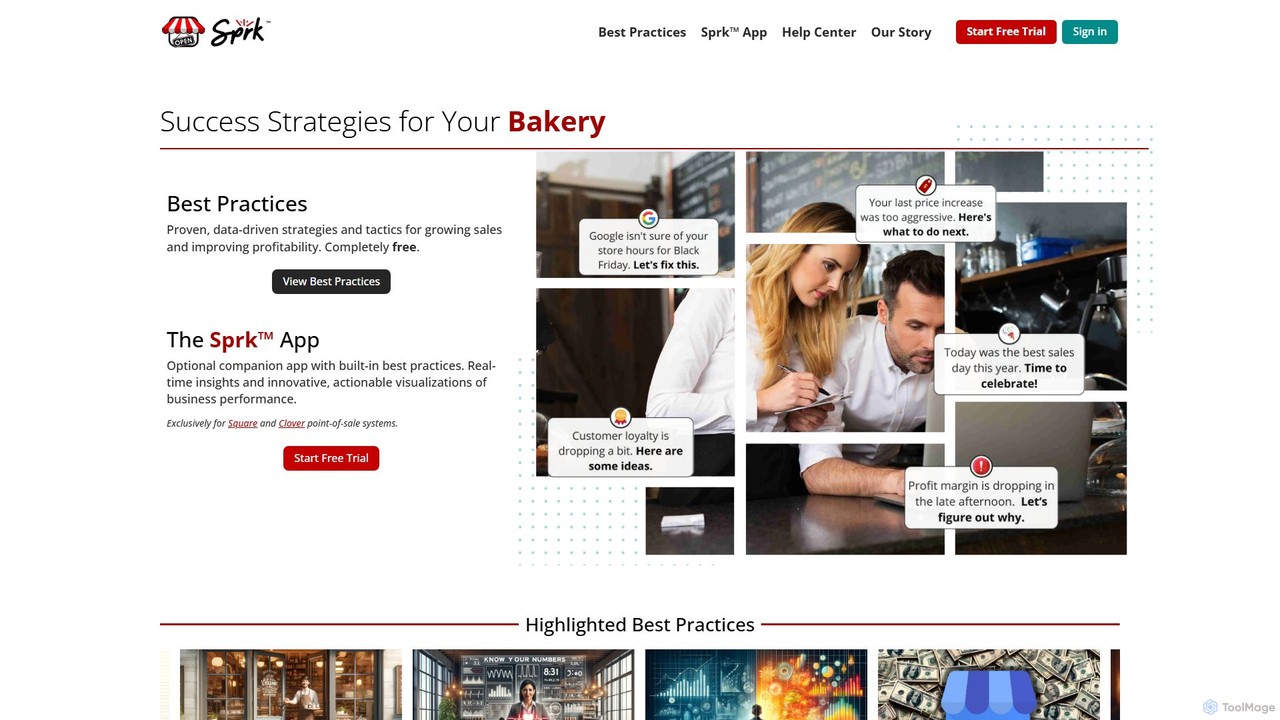
Sprk™ is an AI-powered business intelligence tool designed for local businesses using Square and Clover POS systems. It transforms complex sales data into simple, actionable insights to help owners increase sales, improve profitability, and optimize operations. By connecting to your POS and Google Business Profile, Sprk™ provides real-time analytics, trend analysis, and data-driven recommendations, making sophisticated data analysis accessible and affordable for small business owners.

VerbaGPT
VerbaGPT is a privacy-focused data analysis tool that lets you query your data using natural language. It runs …
VerbaGPT is a privacy-focused data analysis tool that lets you query your data using natural language. It runs locally on your machine, converting your questions into Python and SQL to analyze databases and files without ever exposing your raw data to an external LLM. It supports advanced analytics, data visualization, and multiple data sources like SQL, CSV, and TXT files.
About Business Intelligence
Business Intelligence (BI) tools are AI-powered solutions that transform raw business data into actionable insights. They leverage advanced analytics, machine learning, and data visualization to help organizations understand past performance, monitor current operations, and predict future trends. These tools empower decision-makers to make data-driven choices, optimize strategies, and identify new opportunities within the broader business landscape.
Core Features
- Data Integration & ETL: Connects to various data sources, extracts, transforms, and loads data for analysis.
- Interactive Dashboards: Creates dynamic, visual representations of key performance indicators (KPIs) and metrics.
- Predictive Analytics: Uses AI and machine learning to forecast future outcomes and identify potential risks or opportunities.
- Ad-hoc Querying & Reporting: Allows users to perform on-demand data queries and generate custom reports without IT intervention.
- Alerts & Notifications: Automatically notifies users of significant changes or anomalies in data that require attention.
Use Cases
Business Intelligence tools are essential for various roles across industries. Marketing teams use them to analyze campaign performance and customer behavior, while sales departments track pipeline health and identify top-performing products. Finance professionals leverage BI for budget analysis and financial forecasting, enabling more strategic resource allocation and risk management.
How to Choose
When selecting a Business Intelligence tool, consider its data integration capabilities with your existing systems, the intuitiveness of its user interface for your team, and its scalability to handle growing data volumes. Evaluate the range of analytical features, including predictive modeling and real-time reporting, and compare pricing models to ensure it aligns with your budget and long-term needs.
Business IntelligenceUse Cases
Optimizing Sales Performance
Sales managers utilize BI tools to track regional sales performance, identify top-selling products, and analyze customer purchasing patterns. By visualizing these trends on interactive dashboards, they can quickly pinpoint underperforming areas, allocate resources more effectively, and develop targeted sales strategies to boost revenue and market share. This data-driven approach helps in setting realistic targets and improving overall sales efficiency.
Enhancing Marketing Campaign Effectiveness
Marketing analysts employ BI platforms to consolidate data from various channels like social media, email campaigns, and website analytics. They can then analyze customer engagement, conversion rates, and campaign ROI in real-time. This allows for immediate adjustments to ongoing campaigns, personalized content delivery, and a deeper understanding of customer segments, leading to more effective marketing spend and higher conversion rates.
Streamlining Financial Reporting and Forecasting
Finance departments leverage BI tools to automate the aggregation of financial data from ERP systems, accounting software, and spreadsheets. This enables them to generate comprehensive financial reports, perform variance analysis against budgets, and create accurate revenue and expense forecasts. The ability to drill down into specific financial metrics supports better budget allocation, risk assessment, and strategic financial planning.
Improving Operational Efficiency in Manufacturing
Operations managers in manufacturing use BI dashboards to monitor key production metrics such as machine uptime, defect rates, and inventory levels. By visualizing real-time data, they can quickly identify bottlenecks, predict equipment failures, and optimize supply chain logistics. This proactive approach minimizes downtime, reduces waste, and ensures smoother production processes, leading to significant cost savings and improved output quality.
Personalizing Customer Experience in Retail
Retail businesses deploy BI solutions to analyze vast amounts of customer transaction data, loyalty program information, and browsing history. This helps them understand individual customer preferences, predict future purchasing behavior, and segment customers for targeted promotions. By offering personalized product recommendations and tailored shopping experiences, retailers can enhance customer satisfaction, increase repeat purchases, and build stronger brand loyalty.
Strategic Human Resources Planning
HR professionals use BI tools to analyze workforce data, including employee turnover rates, recruitment effectiveness, and training program impact. By identifying trends in employee engagement and performance, they can develop data-backed strategies for talent acquisition, retention, and development. This leads to a more engaged workforce, reduced recruitment costs, and a stronger organizational culture, aligning HR initiatives with overall business goals.