ToolMage
Sign in

Best 296 Data Analysis AI tools for Productivity

Popular Data Analysis AI tools in Productivity include Alchemer, Tableau, Ansy.ai, HEROZ, SurveySparrow, Amplitude, Fiscal.ai, TrendSpider, EarningsHub, and danelfin, helping you work more efficiently.

DataReconIQ
Freemium

DataReconIQ

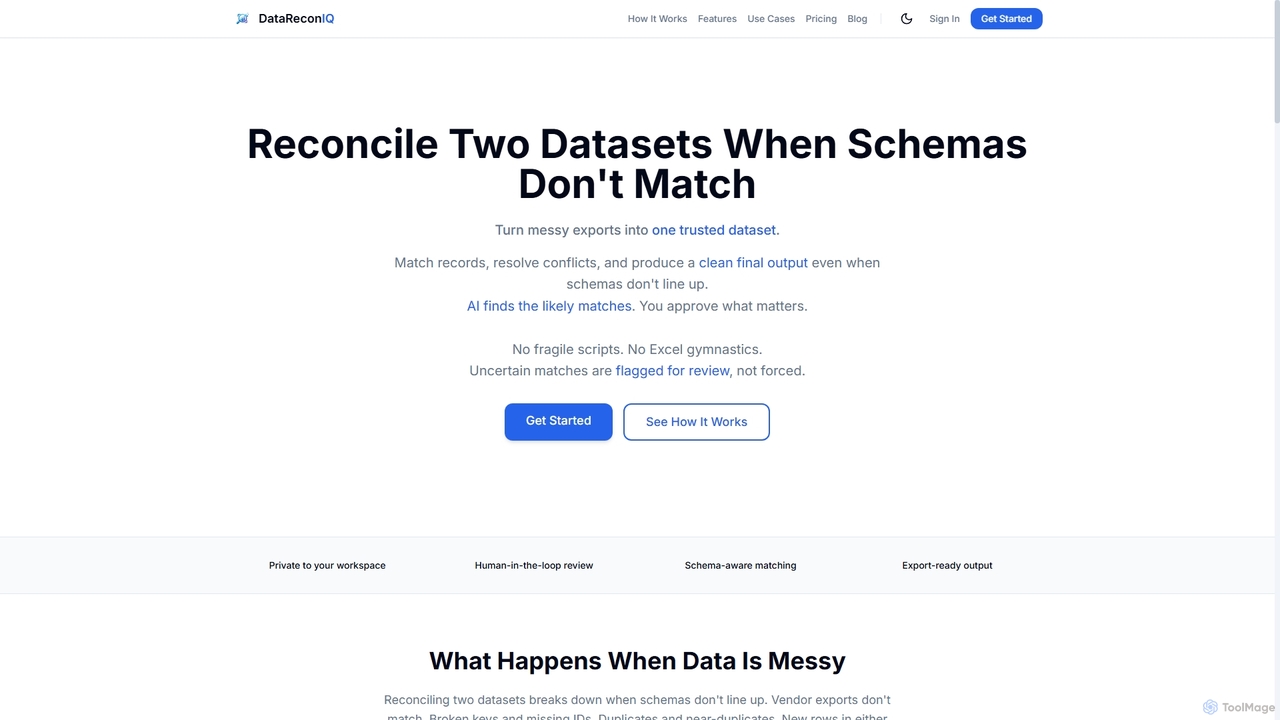
DataReconIQ is an AI-powered data reconciliation software designed to match, merge, and clean two datasets, even when schemas don't align. It intelligently identifies matches, flags conflicts for human review, and produces a trusted, normalized output with a full audit trail.

Data Reconciliation
Visits 3.5KFavorites 34Likes 31
Morph Ai Era
Freemium

Morph Ai Era

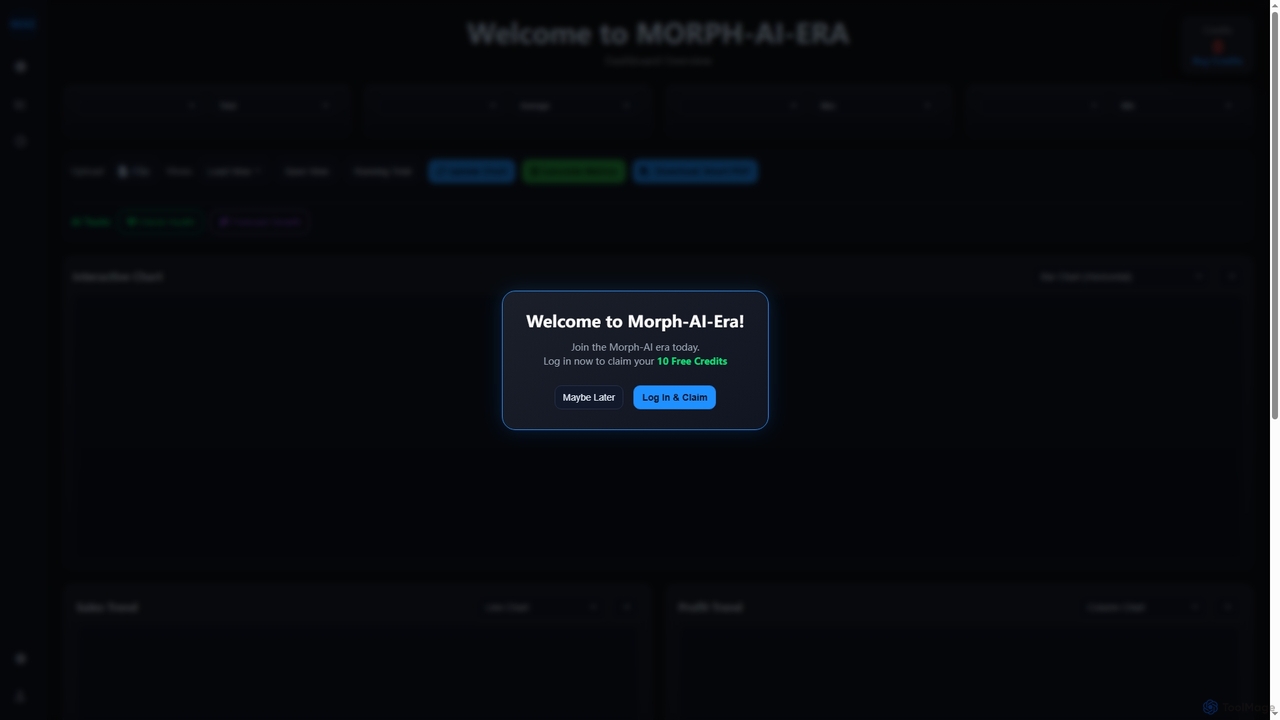
Morph Ai Era is an AI-powered, interactive data analytics dashboard. It enables users to upload data, create a wide range of visualizations, and leverage AI tools for automated insights, growth forecasting, and anomaly detection. It's designed to transform raw data into actionable business intelligence.

Business Intelligence
Visits 4.1KFavorites 69Likes 64
QueryPanel
Freemium

QueryPanel

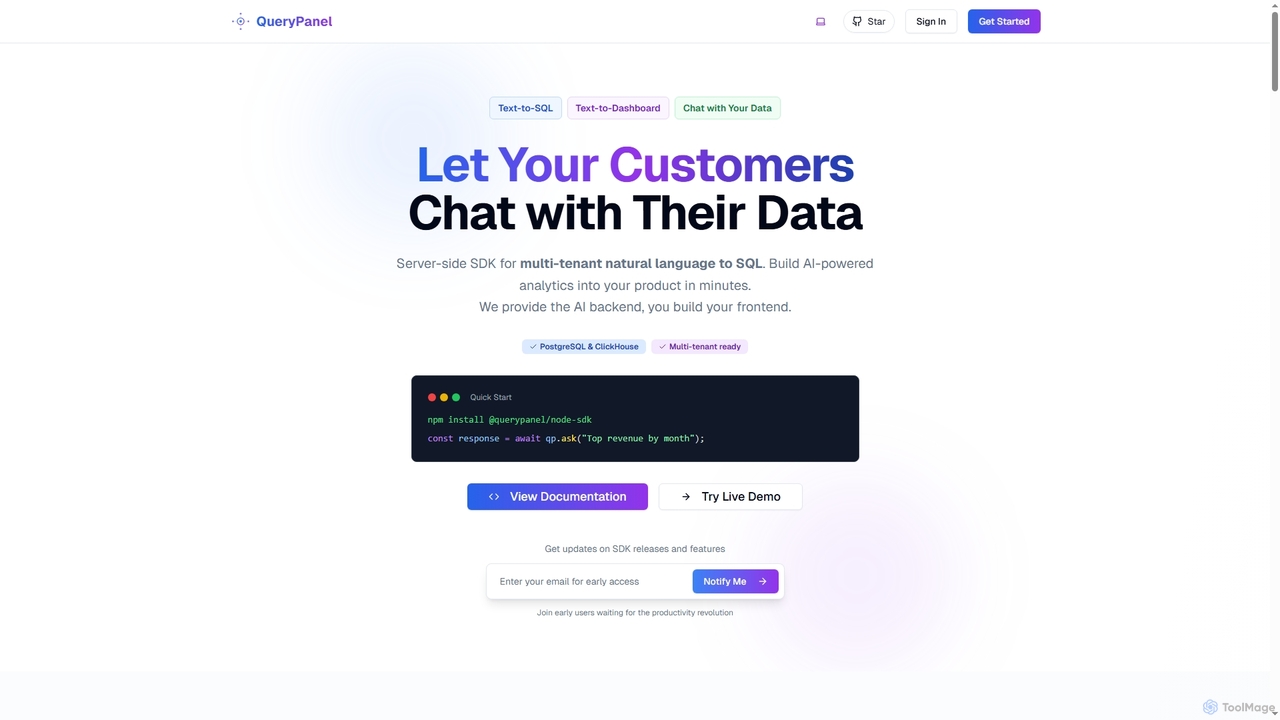
A server-side SDK for multi-tenant SaaS applications to embed AI-powered analytics. It translates natural language queries into SQL and visualizations, allowing end-users to interact with their data conversationally.

Database
Visits 3.5KFavorites 120Likes 133
DealForge AI
Freemium

DealForge AI

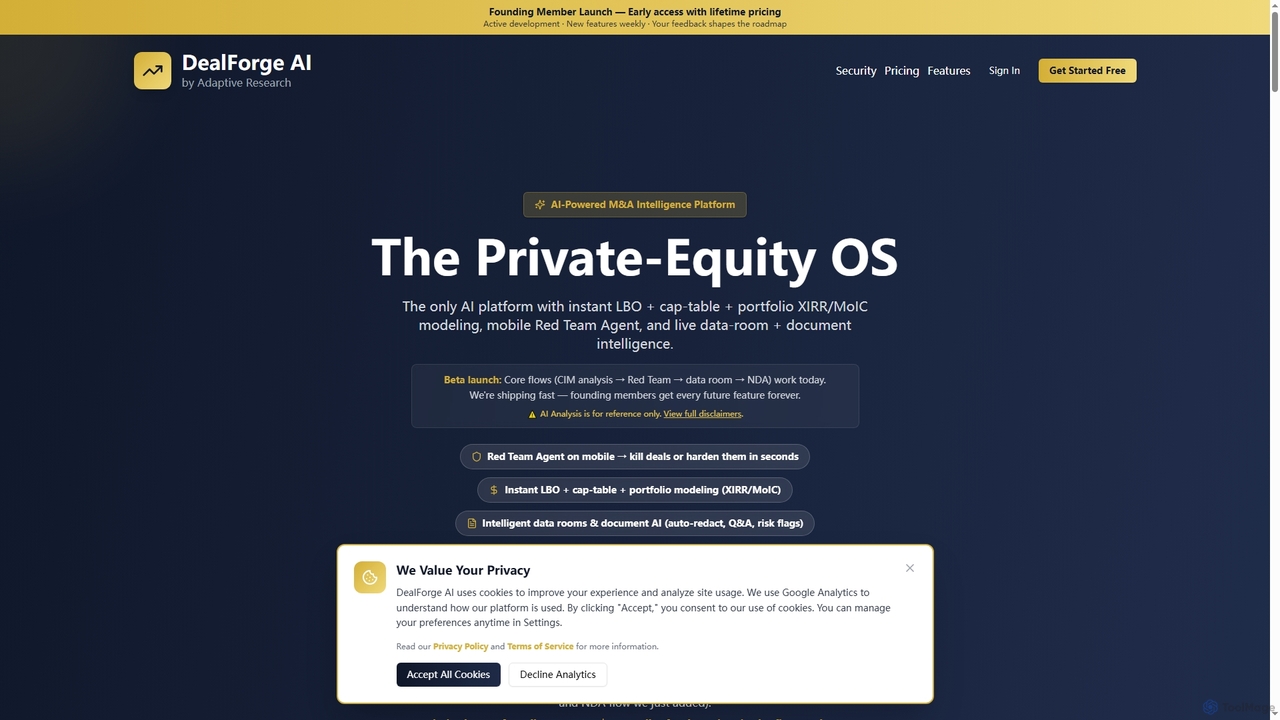
An AI-powered M&A intelligence platform designed for private equity, search funds, and dealmakers. It automates due diligence, provides instant LBO and cap table modeling, and offers tools like a Red Team Agent and intelligent data rooms to accelerate the entire deal lifecycle from sourcing to closing.

Portfolio Management
Visits 3.5KFavorites 98Likes 94
Flarelight
Freemium

Flarelight

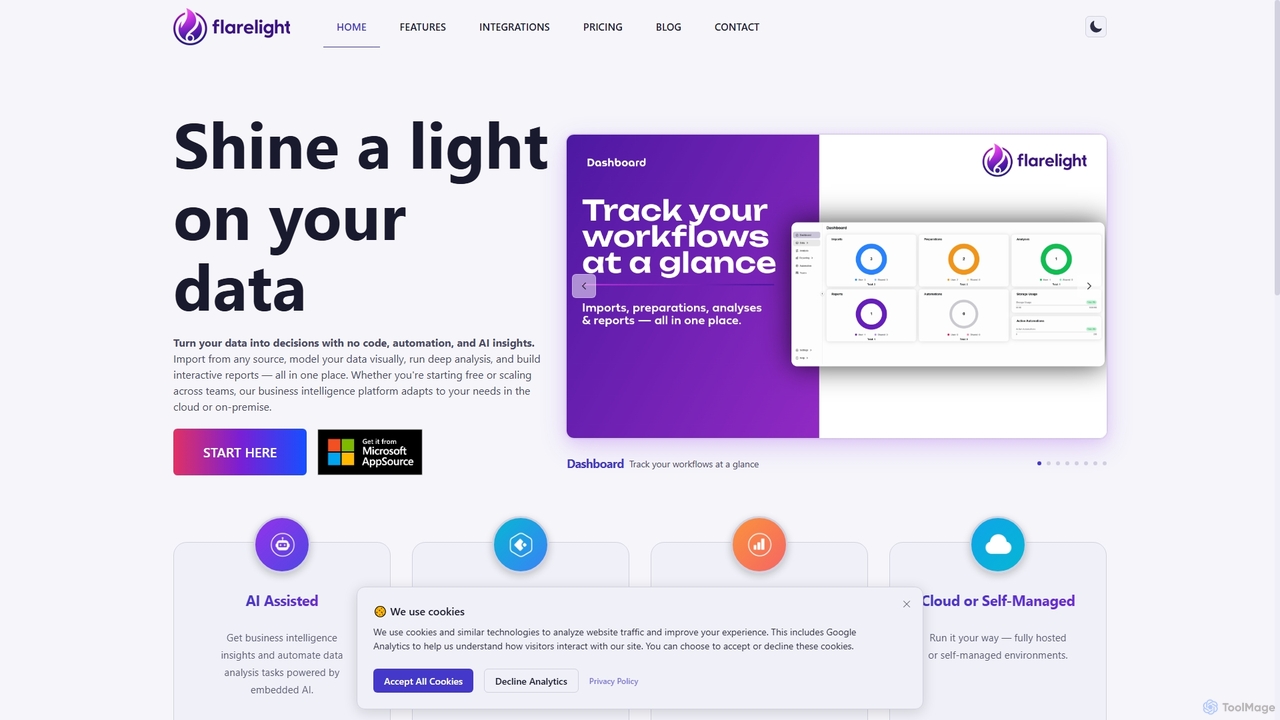
Flarelight is an AI-powered, no-code business intelligence platform for data analysis and visualization. It allows users to import data from any source, prepare it visually, perform deep analysis, and build interactive reports. The all-in-one tool supports both cloud and on-premise deployment, featuring workflow automation and natural language configuration to turn complex data into actionable decisions.

No Code
Visits 3.4KFavorites 135Likes 131
Parlay Research
Paid

Parlay Research

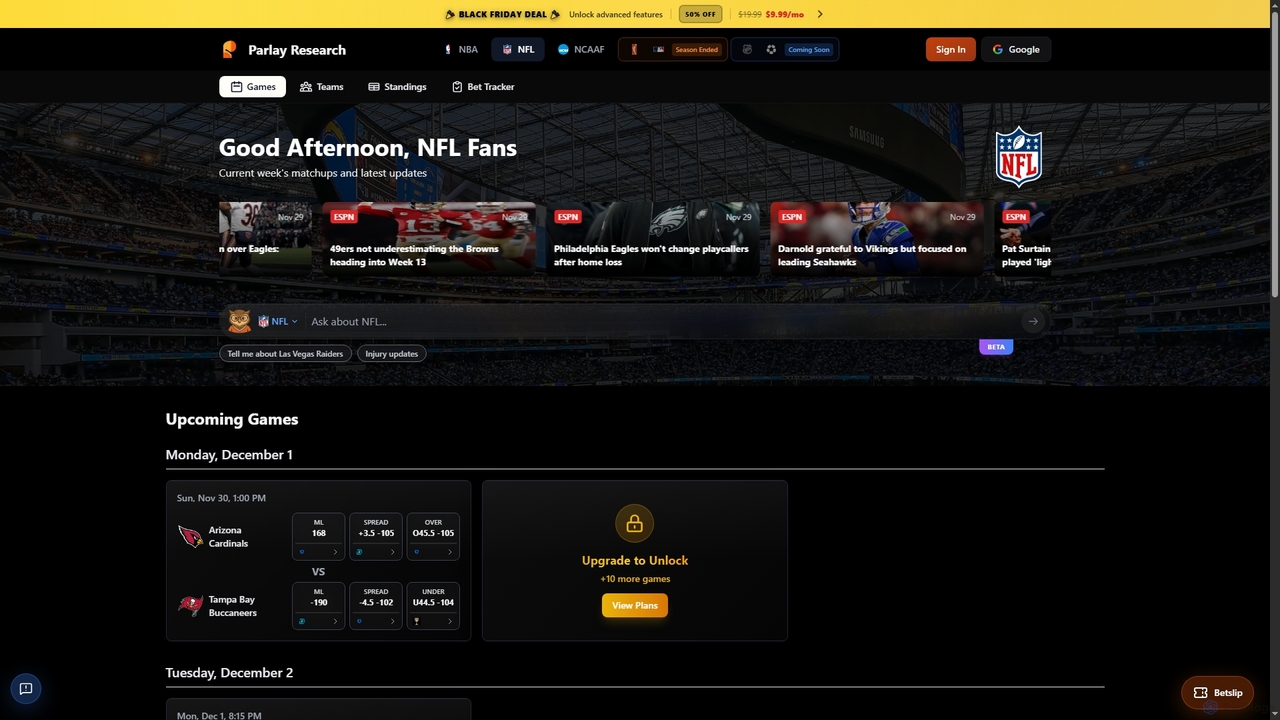
Parlay Research is an AI-powered sports analytics platform providing data-driven insights, odds, and news for NFL, NBA, and NCAAF betting. It features an AI assistant to help users make more informed wagering decisions.

Investing
Visits 3.4KFavorites 106Likes 122
Bodywellnessai
Free

Bodywellnessai

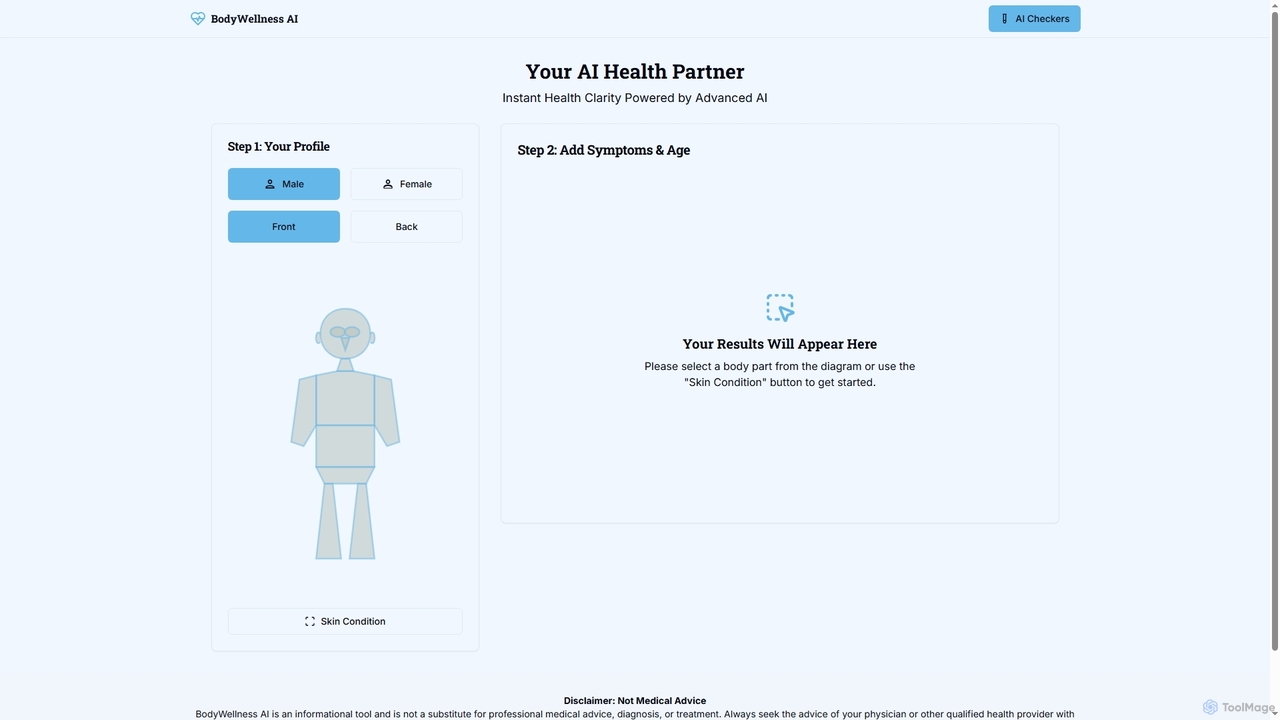
Bodywellnessai is an AI-powered health information partner designed to provide clarity on health concerns. It features a suite of tools including a symptom checker, skin analyzer, lab report explainer, and medicine safety checker, empowering users to have more informed conversations with healthcare professionals.

Medical Information
Visits 3.5KFavorites 109Likes 114
Aidiagme
Paid

Aidiagme

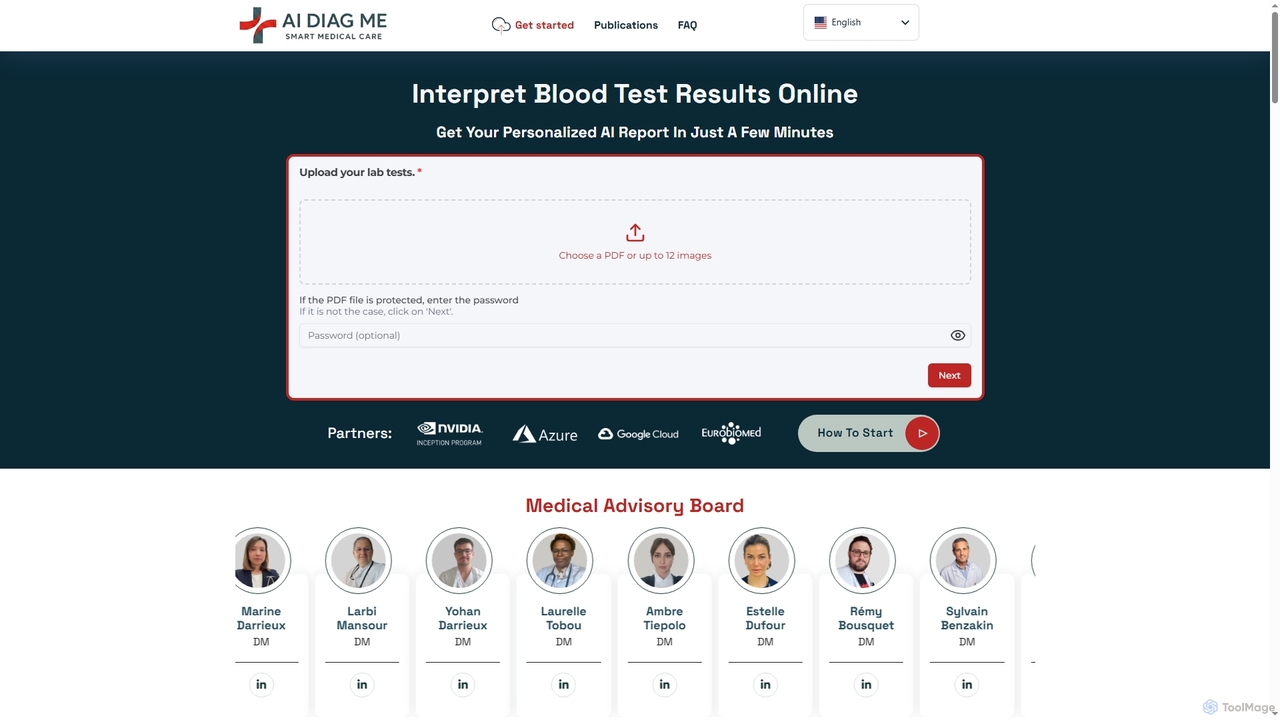
Aidiagme is an AI-powered platform that interprets lab test results (blood, urine, stool) in minutes. It transforms complex medical reports into clear, easy-to-understand summaries, providing personalized insights, wellness tips, and questions to ask your doctor. It prioritizes data security with full anonymization and encryption, complying with HIPAA and GDPR standards.

Medical
Visits 136.9KFavorites 99Likes 97
Synthia AI
Paid

Synthia AI

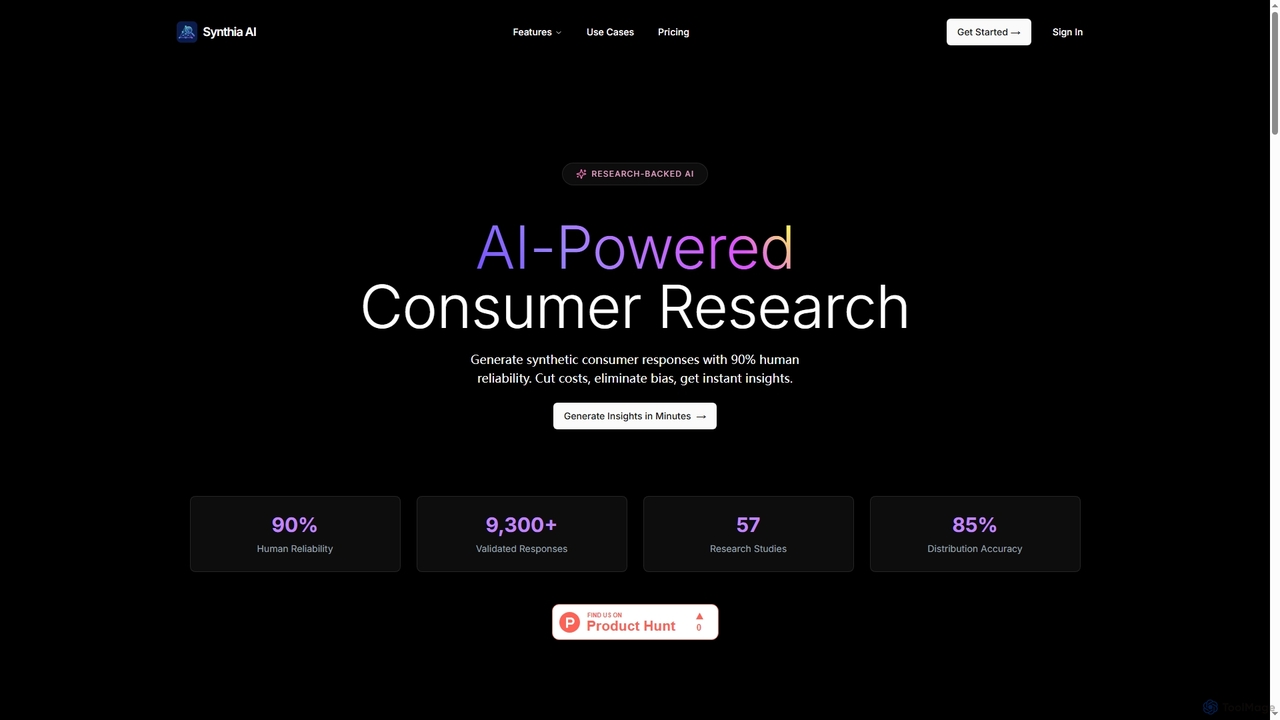
Synthia AI is an advanced AI-powered platform that generates synthetic consumer responses with 90% human reliability. It enables businesses to conduct rapid, bias-free market research, gain instant insights, and make data-driven decisions for product development, marketing, and pricing strategies, significantly cutting costs and time.

Campaign Optimization
Visits 3.6KFavorites 93Likes 107
Syne
Freemium

Syne

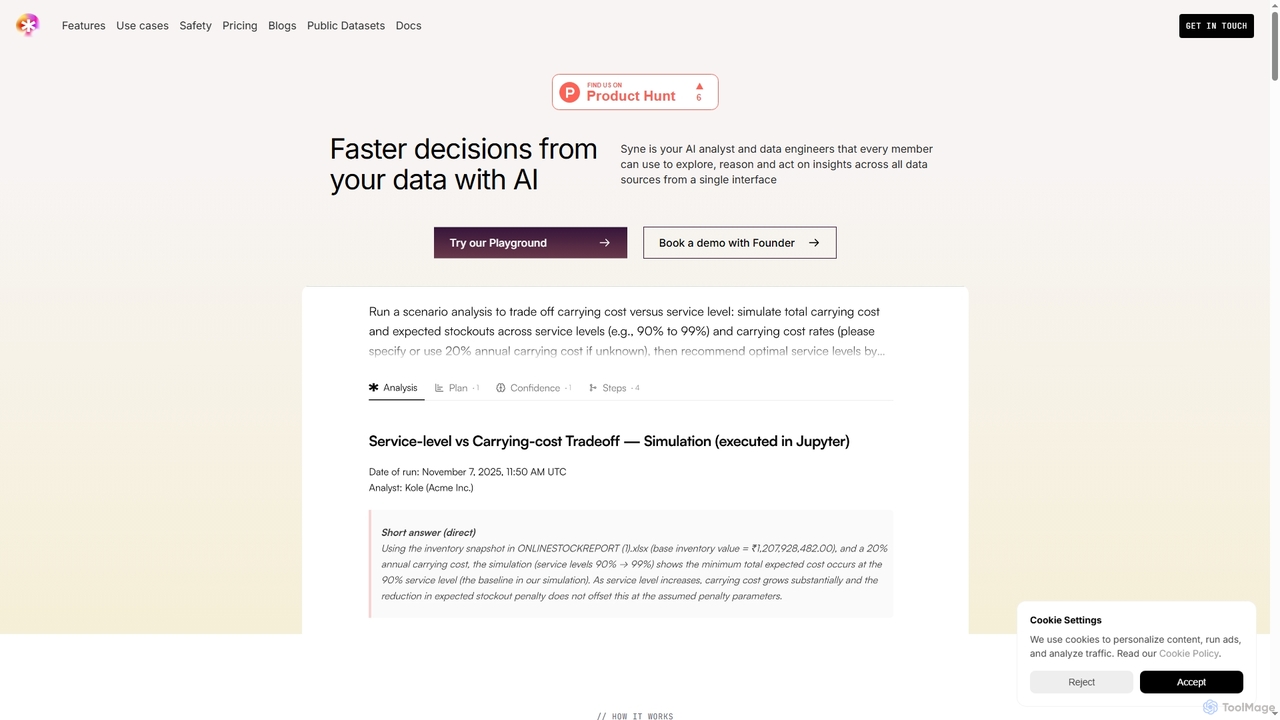
Syne is an AI-powered data analytics platform that functions as an AI analyst and data engineer. It enables all team members to explore, analyze, and act on insights from over 100 data sources using natural language queries through a single interface, eliminating the need for complex SQL knowledge for basic inquiries.

Business Intelligence
Visits 4.3KFavorites 119Likes 111
Veltrix
Freemium

Veltrix

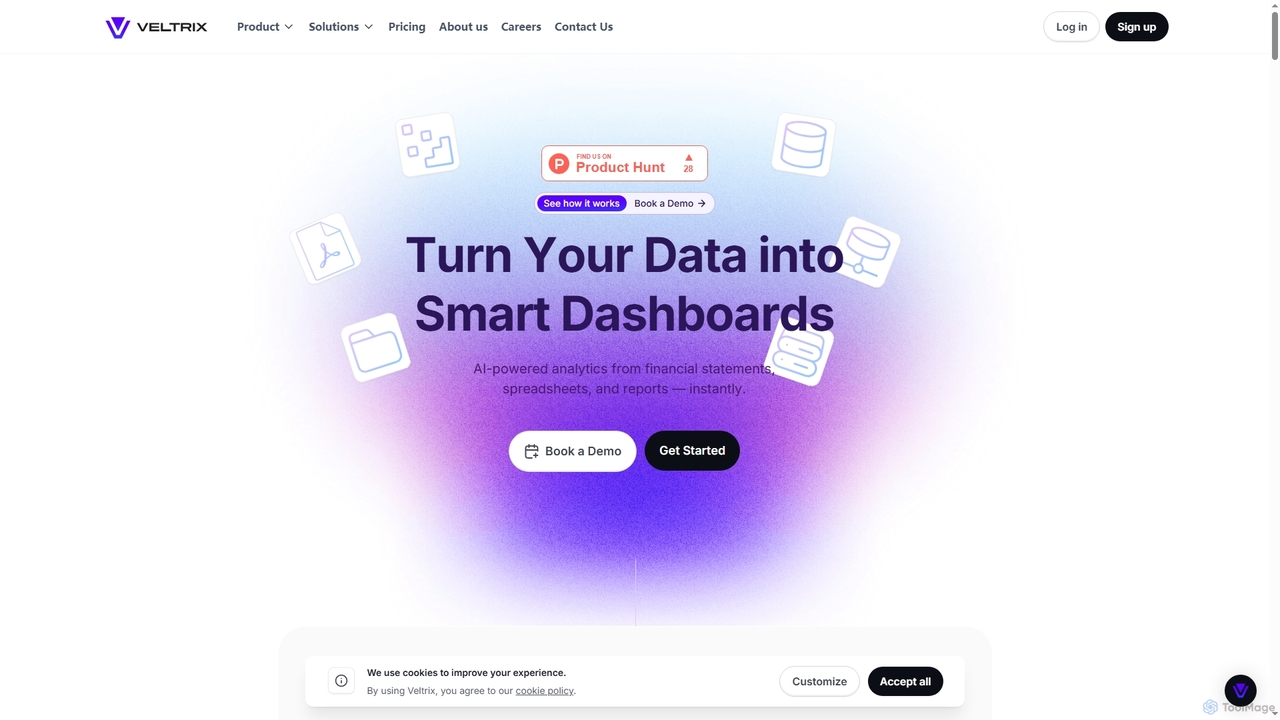
Veltrix is an AI-powered, no-code platform that transforms raw data from files and connected sources into interactive dashboards. Users can ask questions in plain language to get instant, visualized answers for business intelligence and financial analysis.

Business Intelligence
Visits 13.8KFavorites 88Likes 86
DeepSeek Stock
Freemium

DeepSeek Stock

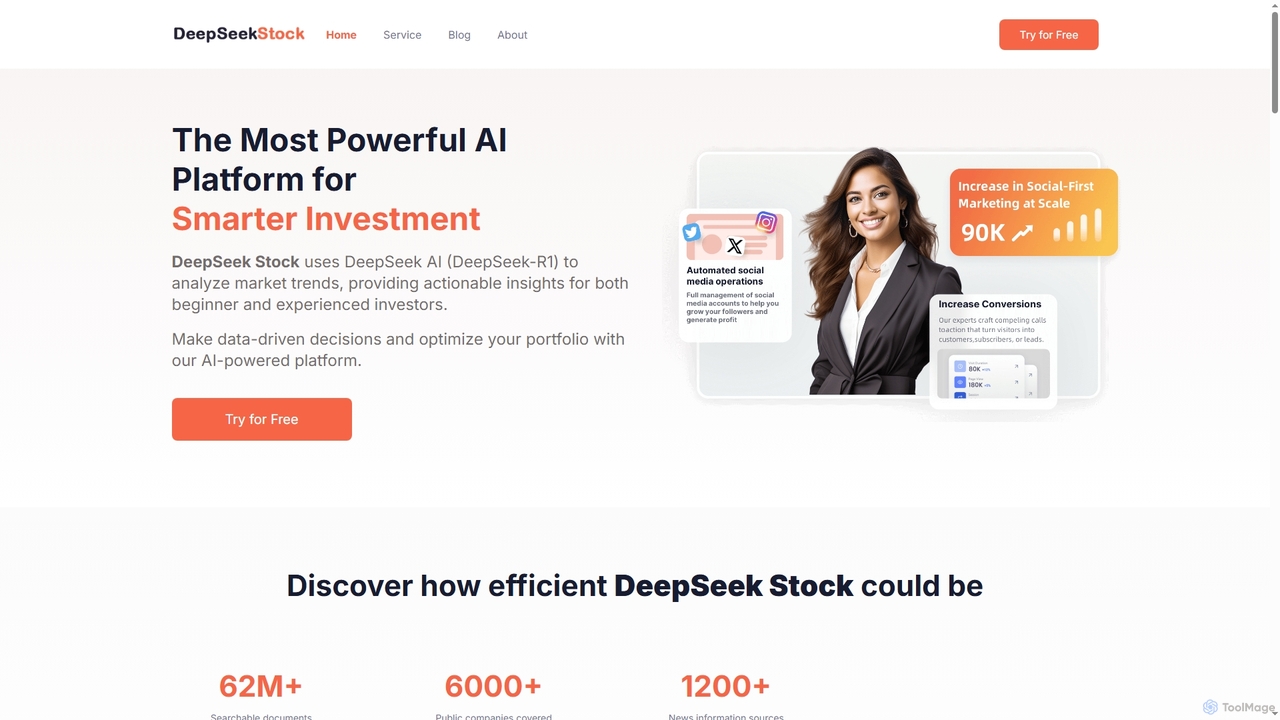
DeepSeek Stock is an AI-powered investment platform that analyzes market trends using advanced algorithms. It offers tools for swing trading, stock selection, technical analysis, and a personal financial AI agent to provide actionable, data-driven insights for investors.

Investing
Visits 3.5KFavorites 107Likes 91
Blave
Freemium

Blave

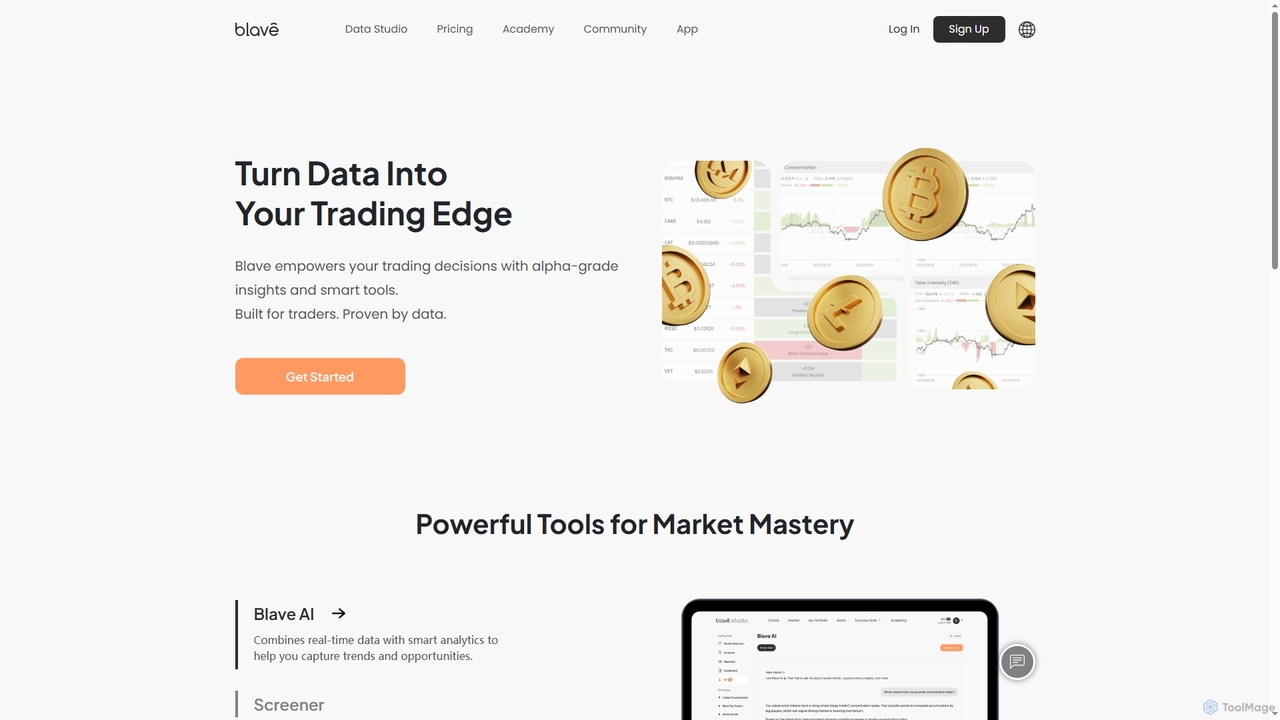
Blave is a crypto insight studio that empowers traders with AI-driven analytics, advanced data screeners, and portfolio management tools. It transforms real-time market data into actionable trading advantages for both novice and professional traders.

Crypto
Visits 23.1KFavorites 98Likes 98
CalPulse

CalPulse

CalPulse is an innovative AI tool designed to simplify nutritional tracking. By allowing users to snap a photo of any food menu, it instantly provides estimated calorie and macronutrient information. This makes it easier for individuals to make informed dietary choices on the go, supporting health and fitness goals with quick, accessible data.

Nutrition Tracking
Visits 3.5KFavorites 122Likes 97
TigerEye
Paid

TigerEye

TigerEye is an AI-powered Go-To-Market (GTM) Business Intelligence platform designed to unify sales, marketing, and finance teams. It provides instant answers to complex business questions, accelerates report and dashboard creation, and offers powerful tools for territory planning and performance tracking, enabling smarter, faster revenue growth.

Business Intelligence
Visits 6.1KFavorites 103Likes 124
Vanna.AI
Freemium

Vanna.AI

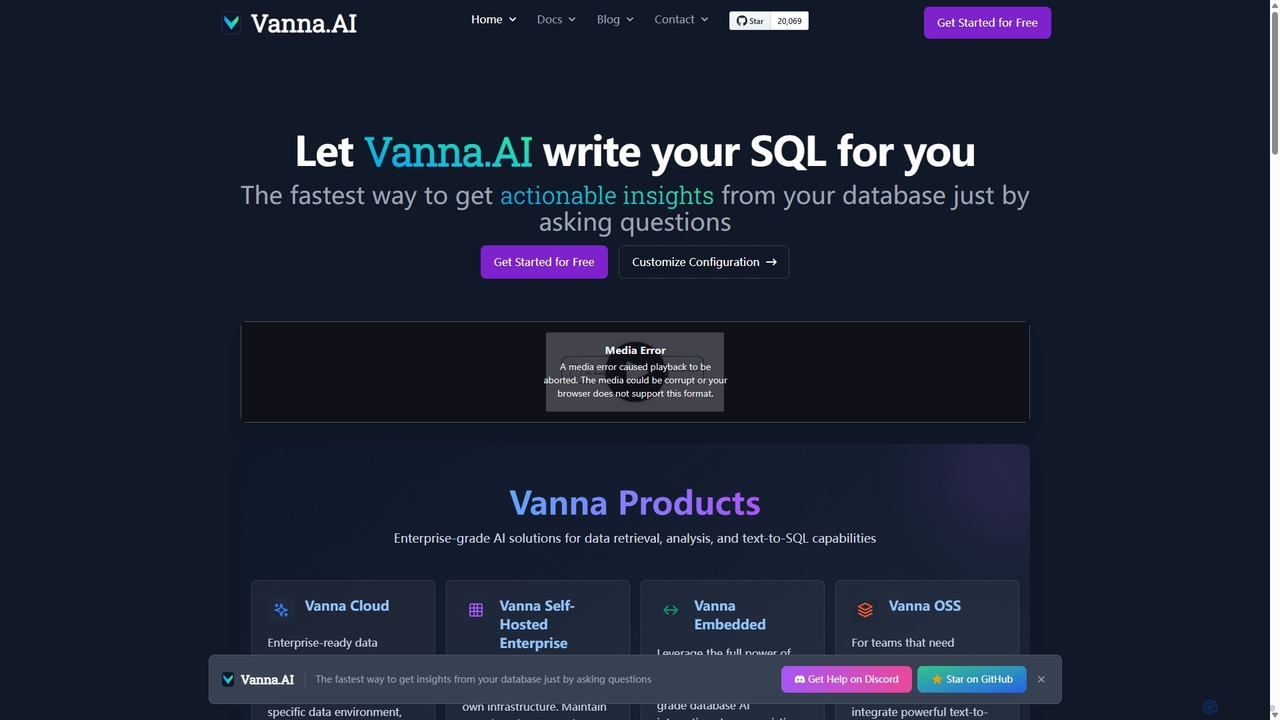
Vanna.AI is an open-source, personalized AI SQL agent that transforms natural language questions into accurate SQL queries. It uses a Retrieval-Augmented Generation (RAG) model trained on your specific database schema, documentation, and past queries to achieve high accuracy on complex datasets. It's designed for security, flexibility, and easy integration into any application, empowering both technical and non-technical users to gain insights from their data effortlessly.

Business Intelligence
Visits 69.6KFavorites 103Likes 99
MarketGPT
Freemium

MarketGPT

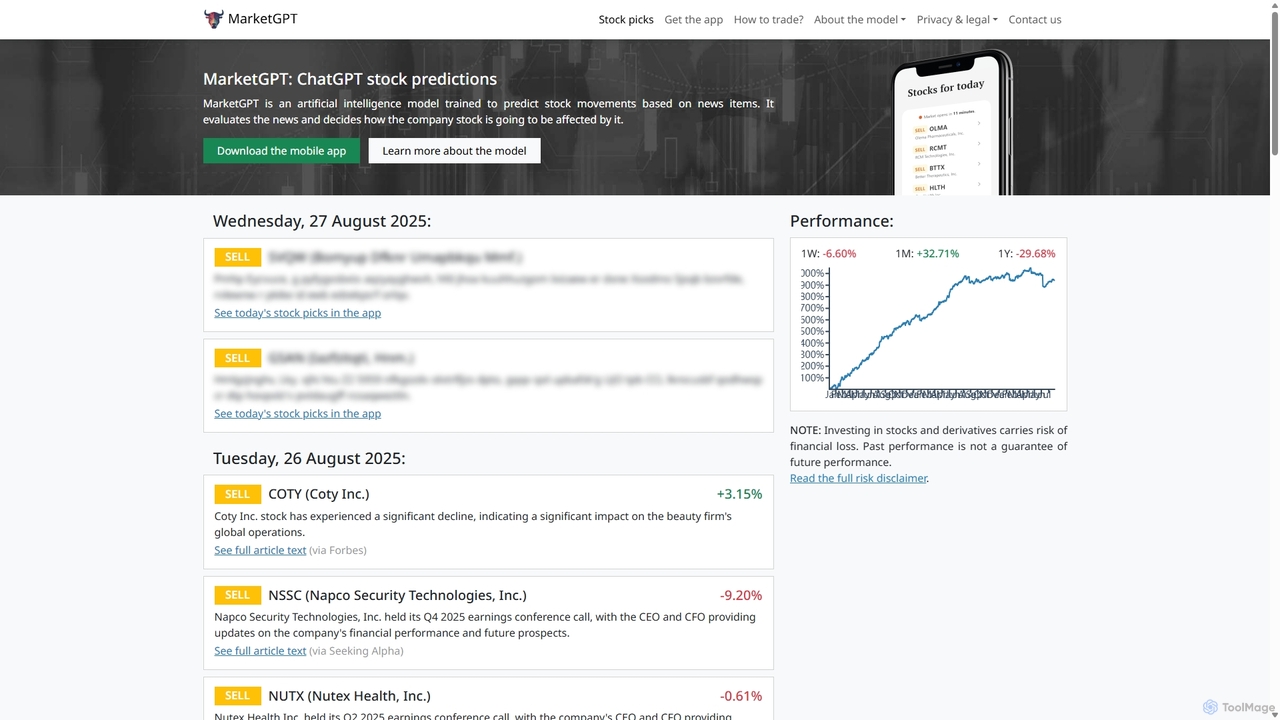
MarketGPT is an AI-powered mobile application that predicts daily stock market movements. By analyzing hundreds of financial news articles and press releases, it provides users with clear 'buy' or 'sell' signals for a curated list of stocks, simplifying day trading strategies.

Stock Market
Visits 5.4KFavorites 125Likes 118
Pivony
Paid

Pivony

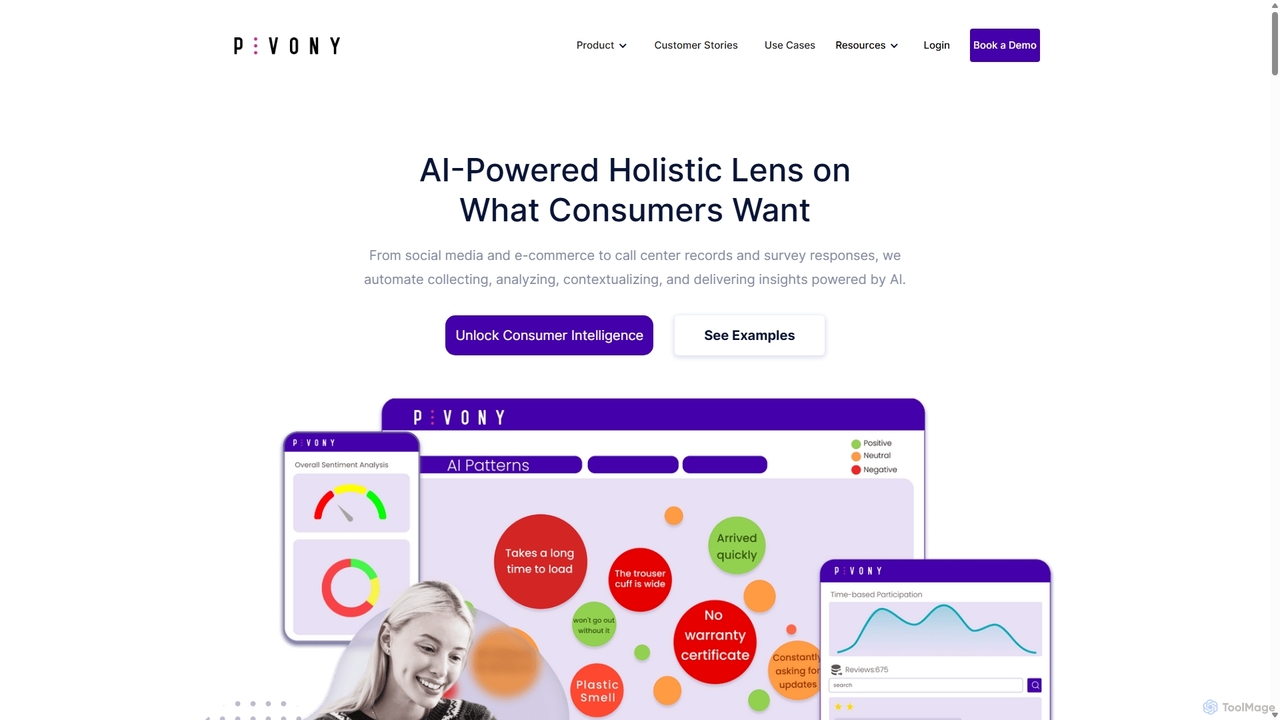
Pivony is an AI-powered consumer intelligence platform that automates the collection and analysis of customer feedback from diverse sources like social media, e-commerce, and surveys. It provides actionable insights through a no-code, dashboard-based interface, helping businesses understand consumer needs, track brand reputation, analyze competitors, and make data-driven decisions to close the 'empathy gap' with their customers.

Business Intelligence
Visits 4.3KFavorites 105Likes 105
QuantPlus
Paid

QuantPlus

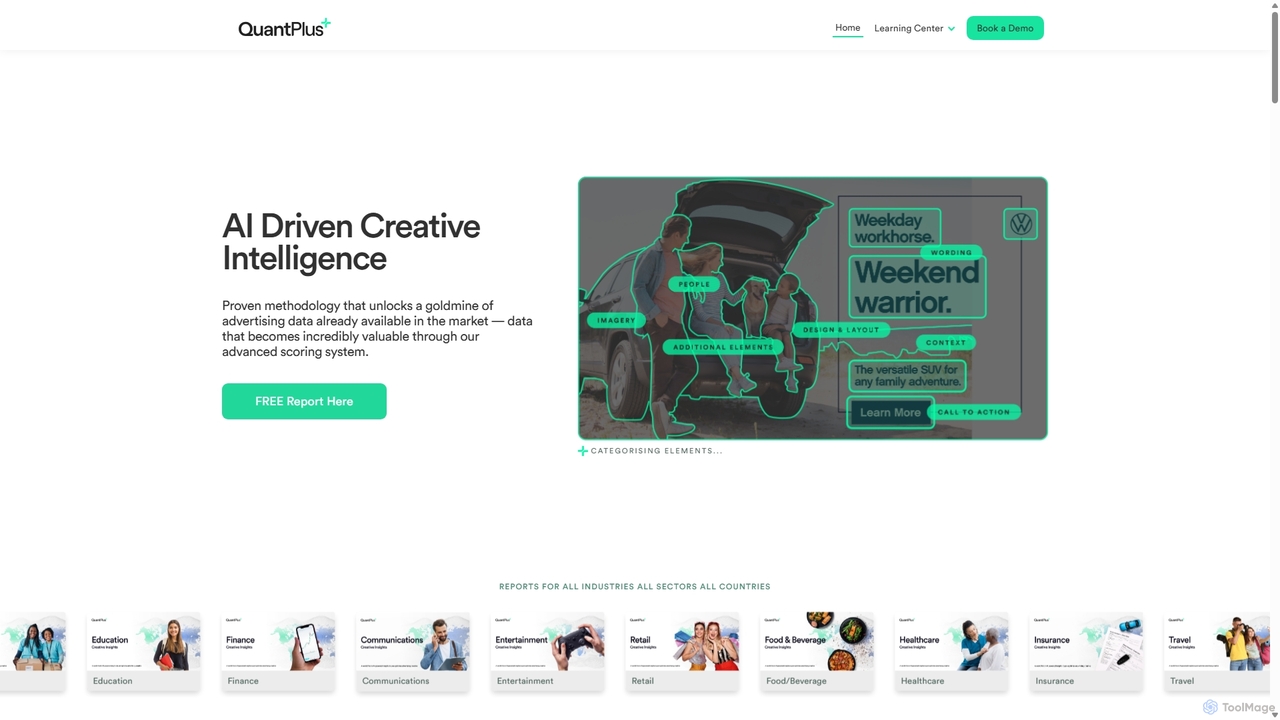
QuantPlus is an AI-driven creative intelligence platform that analyzes competitor advertising data to provide actionable insights. It helps marketers and creative teams optimize ad creatives before launch by identifying the highest-performing elements, predicting success, and ultimately boosting campaign ROI significantly.

Advertising
Visits 3.4KFavorites 132Likes 139
Castello.ai
Freemium

Castello.ai

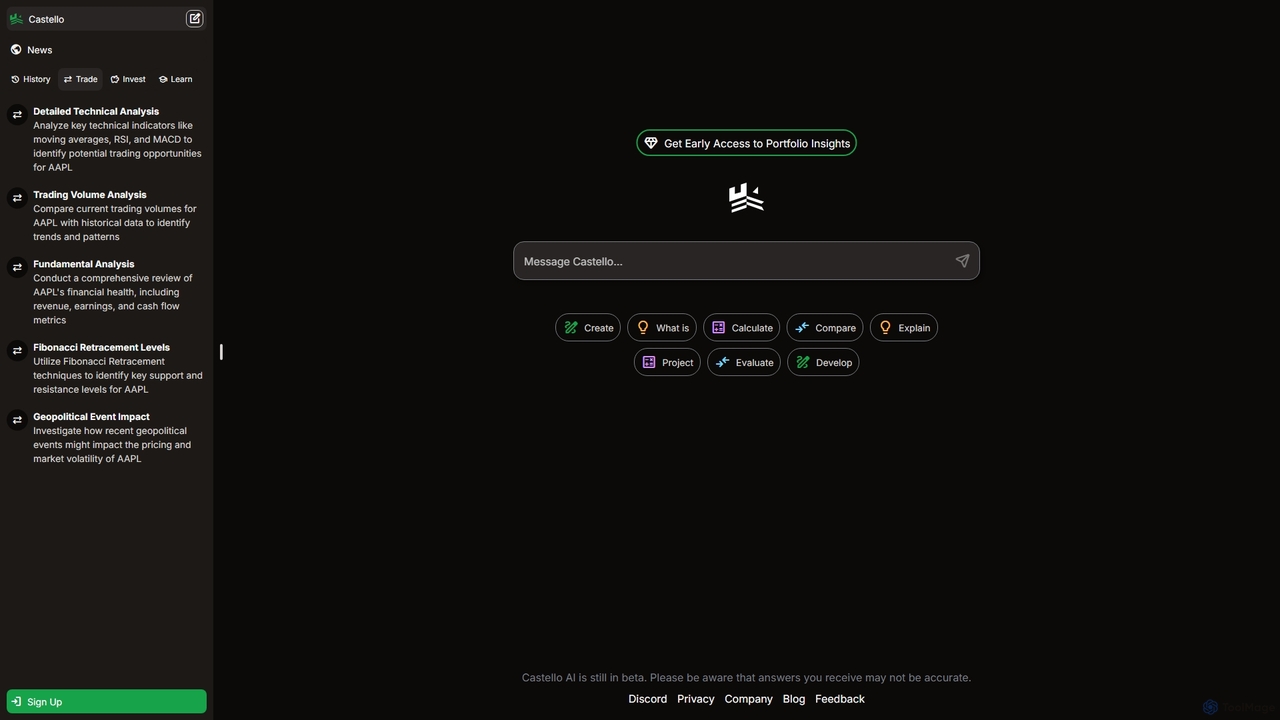
Castello.ai is a conversational AI platform designed for investors and traders. It simplifies complex financial analysis by providing detailed technical, fundamental, and geopolitical insights through a user-friendly chat interface. Ask questions in natural language to get instant, data-driven analysis on stocks and market trends, empowering you to make smarter investment decisions.

Chatbot
Visits 4.2KFavorites 134Likes 109
Cleanlab Chat
Freemium

Cleanlab Chat

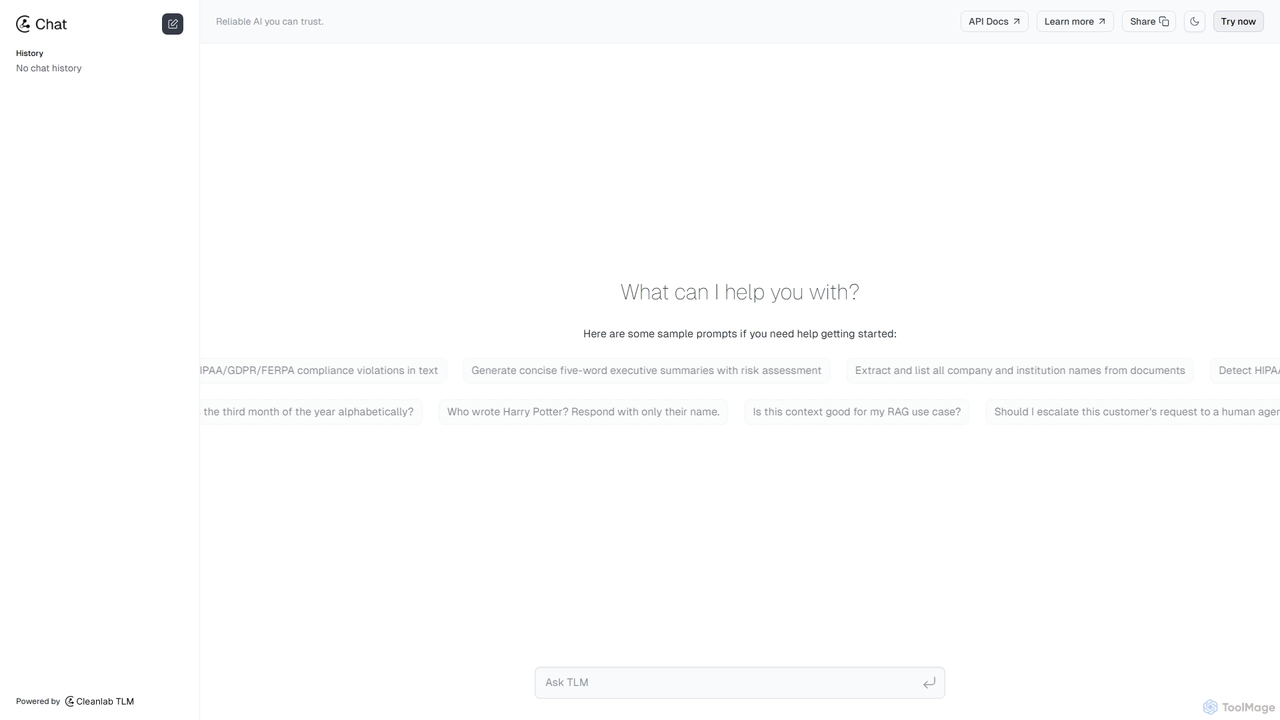
Cleanlab Chat is an advanced AI chat interface powered by Cleanlab's Trustworthy Language Model (TLM). It's designed for enterprise-grade tasks, including RAG system evaluation, hallucination detection, data compliance checks (HIPAA, GDPR), and reliable text analysis, ensuring accuracy and safety in business applications.

Llm Evaluation
Visits 3.5KFavorites 138Likes 136
Slated AI

Slated AI

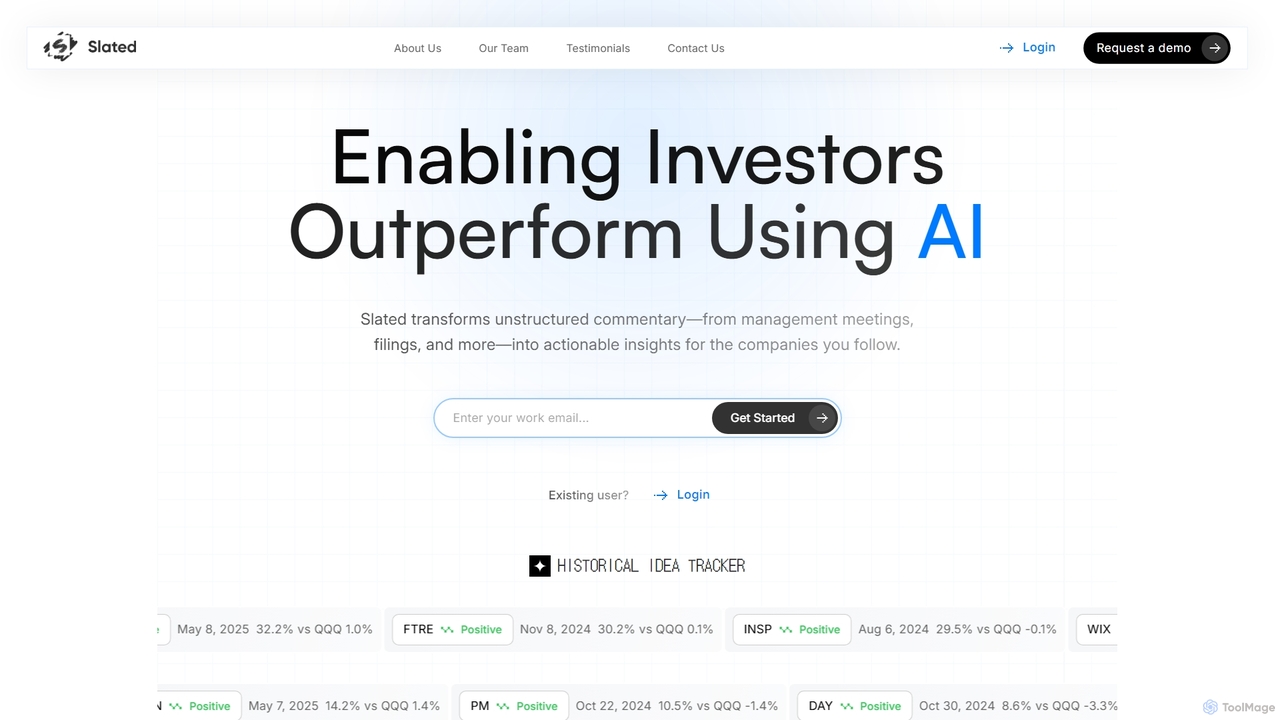
Slated AI is an advanced intelligence platform designed for investors and financial professionals. It transforms unstructured commentary from management meetings, earnings calls, and regulatory filings into actionable, backtested investment insights. By leveraging next-gen AI, Slated helps users outperform the market by detecting narrative shifts, contradictions, and key trends in near real-time, saving hours of manual research while ensuring complete data privacy.

Market Intelligence
Visits 6.5KFavorites 106Likes 90
HEROZ

HEROZ

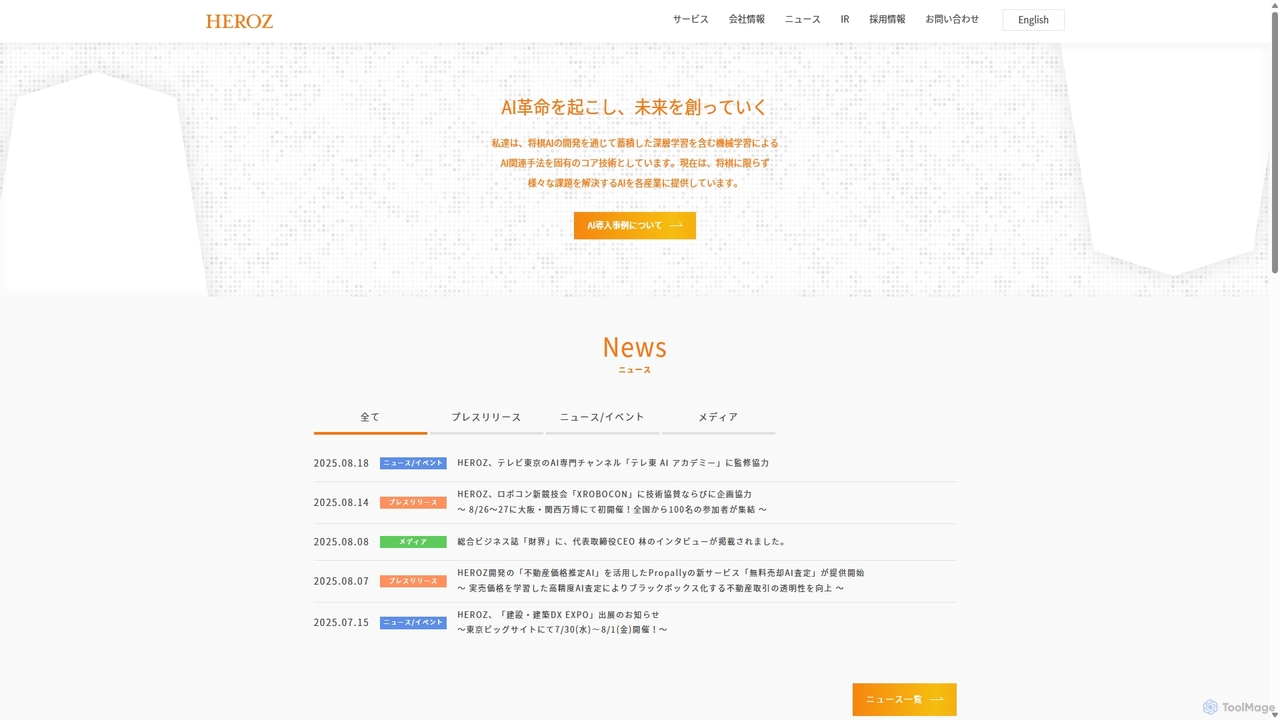
HEROZ is a leading Japanese AI technology company that provides advanced B2B solutions across various industries. Leveraging core technologies developed from its world-champion Shogi (Japanese chess) AI, HEROZ offers custom AI development, data analysis, and generative AI platforms to drive business transformation in finance, construction, entertainment, and more.

Ai Solutions
Visits 1.9MFavorites 105Likes 109
Fiscal.ai
Freemium

Fiscal.ai

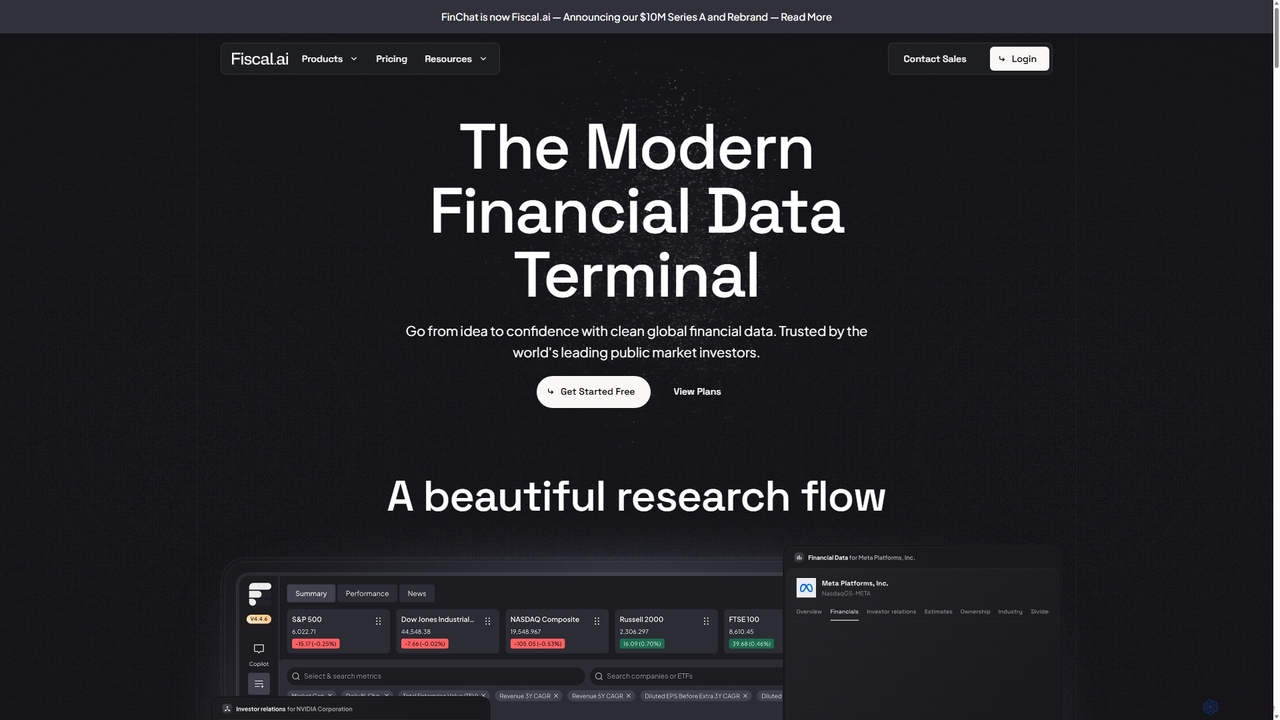
Fiscal.ai (formerly FinChat) is a comprehensive AI-powered stock research platform offering institutional-grade global financial data, AI-driven insights, and advanced analytics. It streamlines the investment research process for both individual and professional investors, providing an all-in-one modern financial data terminal.

Investment
Visits 25.3KFavorites 106Likes 97

About Data Analysis

AI Data Analysis tools are a specialized category of productivity software that use machine learning and natural language processing to automate the interpretation of complex datasets. These tools go beyond traditional spreadsheets by automatically cleaning data, identifying patterns, and generating predictive models. Their primary value lies in transforming raw data into actionable insights, enabling users without deep statistical knowledge to make informed, data-driven decisions quickly. They excel at uncovering hidden correlations and forecasting future trends with high accuracy.

Core Features

  • Natural Language Querying: Ask questions about your data in plain English, eliminating the need for complex code or formulas.
  • Automated Insight Generation: The AI automatically detects significant trends, anomalies, and correlations in your data and presents them as simple summaries.
  • Predictive Modeling & Forecasting: Build and deploy models to forecast future outcomes, such as sales revenue, customer churn, or inventory demand.
  • Automated Data Preparation: Automatically cleans, formats, and enriches raw data, saving significant time and reducing human error.
  • Interactive Visualizations: Generate dynamic charts, graphs, and dashboards that allow for intuitive exploration of data.

Use Cases

These tools are widely used across various departments. Marketing teams use them to analyze campaign performance and customer behavior. Financial analysts leverage them for forecasting and anomaly detection. Operations managers apply them to optimize supply chains and production processes. Essentially, any role that relies on data for decision-making can benefit.

How to Choose

When selecting an AI Data Analysis tool, consider the types of data sources you need to connect to (e.g., databases, SaaS apps, spreadsheets). Evaluate the user interface: is it a no-code platform for business users or does it require some technical expertise? Also, assess the depth of its analytical capabilities—whether you need simple descriptive analytics or more advanced predictive and prescriptive insights. Finally, consider scalability and pricing models.

Featured tool rankings

Data Analysis use cases

1

Analyze Marketing Campaign ROI

A marketing manager for an e-commerce brand needs to understand the effectiveness of various digital advertising campaigns. Instead of manually exporting data from Google Ads, Facebook, and email platforms into a spreadsheet, they connect these sources to an AI Data Analysis tool. The tool automatically unifies the data, calculates the return on investment (ROI) for each channel, and uses natural language to summarize key findings, such as 'The summer campaign on Instagram generated the highest conversion rate among users aged 25-34.' This allows the manager to reallocate budget to high-performing channels in minutes rather than days.

2

Forecast Future Sales Trends

A sales director for a retail company wants to prepare for the upcoming holiday season. They upload three years of historical sales data into an AI analysis tool. The tool automatically identifies seasonality, growth trends, and the impact of past promotions. It then generates a forecast predicting sales volume for specific product categories over the next quarter. The director can ask follow-up questions like, 'What if we offer a 20% discount on electronics?' and the model updates the forecast instantly. This data-driven approach helps in optimizing inventory levels and setting realistic sales targets for the team.

3

Identify Causes of Customer Churn

A product manager at a SaaS company notices a slight increase in customer churn. To understand why, they feed customer usage data, support ticket history, and subscription information into an AI analysis platform. The AI model analyzes the data to find common patterns among customers who churned. It might reveal insights like, 'Customers who do not use Feature X within the first 14 days are 70% more likely to churn,' or 'A high number of support tickets related to billing issues is a strong predictor of churn.' These specific, actionable insights allow the product team to improve onboarding and address critical issues proactively.

4

Optimize Supply Chain Logistics

An operations manager for a manufacturing company uses an AI data tool to analyze their supply chain. By integrating data from shipping carriers, warehouse inventory systems, and production schedules, the tool builds a complete picture of the logistics network. It identifies bottlenecks, predicts potential delays based on weather or traffic data, and suggests more efficient shipping routes. For example, it might highlight that a specific distribution center is consistently understocked on Tuesdays, allowing the manager to adjust delivery schedules. This leads to reduced shipping costs, faster delivery times, and minimized production downtime.

5

Detect Financial Anomalies and Fraud

An accounting firm needs to audit a large volume of financial transactions for a client. Manually checking every entry is impractical. They use an AI Data Analysis tool to process the entire transaction log. The AI is trained to recognize normal spending patterns and immediately flags deviations, such as unusually large payments to a new vendor, duplicate invoices, or transactions occurring at odd hours. The system provides a prioritized list of suspicious activities for human auditors to investigate, significantly increasing the efficiency and accuracy of the audit process and helping to uncover potential fraud that might otherwise be missed.

6

Analyze Customer Feedback at Scale

A product team receives thousands of customer reviews, survey responses, and support chats each month. It's impossible for a person to read and categorize them all. They use an AI Data Analysis tool with text analysis capabilities. The tool processes all the unstructured text, performs sentiment analysis (positive, negative, neutral), and identifies recurring themes or topics. It generates a dashboard showing that 'slow performance' is the most common negative topic this month, while 'new user interface' is receiving positive feedback. This allows the team to quickly prioritize bug fixes and feature improvements based on quantitative feedback data.

Data Analysis FAQ

What are AI Data Analysis tools?

AI Data Analysis tools are applications that use artificial intelligence, particularly machine learning, to automate the process of cleaning, analyzing, and interpreting data. Unlike traditional business intelligence (BI) tools that require users to manually explore data, AI tools can automatically surface key insights, identify trends, and build predictive models. They often feature natural language interfaces, allowing non-technical users to ask complex questions and receive easy-to-understand answers, charts, and summaries. Their goal is to make data science accessible to a broader audience within an organization.

How to choose the right AI Data Analysis tool?

Choosing the right tool depends on your specific needs. Consider the following factors:

  • Data Connectivity: Ensure the tool can easily connect to your data sources, whether they are databases, cloud applications like Salesforce, or simple CSV files.
  • User Skill Level: Select a tool that matches your team's expertise. Some are no-code platforms designed for business analysts, while others offer more advanced features for data scientists who can use SQL or Python.
  • Analysis Type: Determine if you need descriptive analysis (what happened), diagnostic analysis (why it happened), or predictive/prescriptive analysis (what will happen and what to do).
  • Scalability and Performance: Consider the volume of data you will be analyzing. The tool should be able to handle your current and future data needs without significant performance degradation.
What's the difference between AI Data Analysis and traditional BI tools?

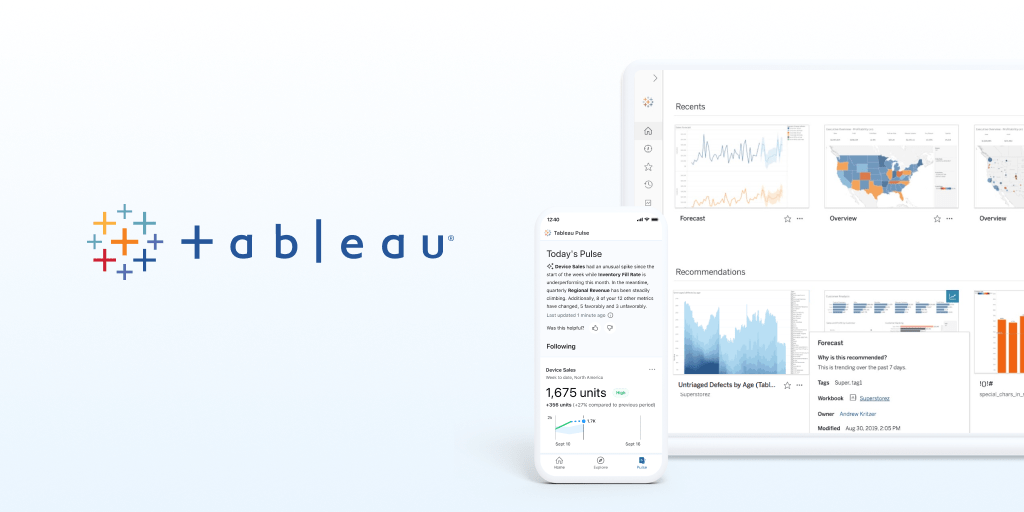
The primary difference lies in automation and intelligence. Traditional Business Intelligence (BI) tools, like Tableau or Power BI, are excellent for data visualization and exploration but require the user to ask the right questions and manually build dashboards. AI Data Analysis tools augment this process. They can automatically discover insights, suggest relevant visualizations, and perform predictive analytics without explicit instruction. While BI tools answer 'what happened?', AI tools aim to also answer 'why did it happen?' and 'what will happen next?'. Many modern platforms now blend features of both.

Do I need coding skills to use AI Data Analysis tools?

Not necessarily. A major trend in this category is the development of no-code and low-code platforms. Many leading AI Data Analysis tools are designed specifically for business users, marketers, and analysts who do not have a background in programming. They use drag-and-drop interfaces and natural language queries to make analysis accessible. However, some platforms also offer advanced capabilities for data scientists, providing integrations with languages like Python and R for custom modeling and deeper analysis. So, there are tools available for every skill level.

What kind of data can these tools analyze?

Modern AI Data Analysis tools are versatile and can handle a wide variety of data types. This includes:

  • Structured Data: This is highly organized data typically found in spreadsheets and relational databases, such as sales figures, customer lists, and financial records.
  • Unstructured Data: This includes data without a predefined format, such as text from customer reviews, social media posts, emails, and support tickets. Many tools use Natural Language Processing (NLP) to extract insights from this type of data.
  • Time-Series Data: Data points indexed in time order, like stock prices, website traffic over time, or sensor readings, which are crucial for forecasting.

The best tools can often join and analyze data from multiple sources and formats simultaneously.