Health Best in category 7 results Medical Information AI Tool

Popular AI tools in the Medical Information field of Health include MediSearch、Medical Realities、SymptomChecker.io、Bodywellnessai、MedUp、System Pro、ClaimMate AI, etc., helping you quickly improve efficiency.

Free
ClaimMate AI

ClaimMate AI

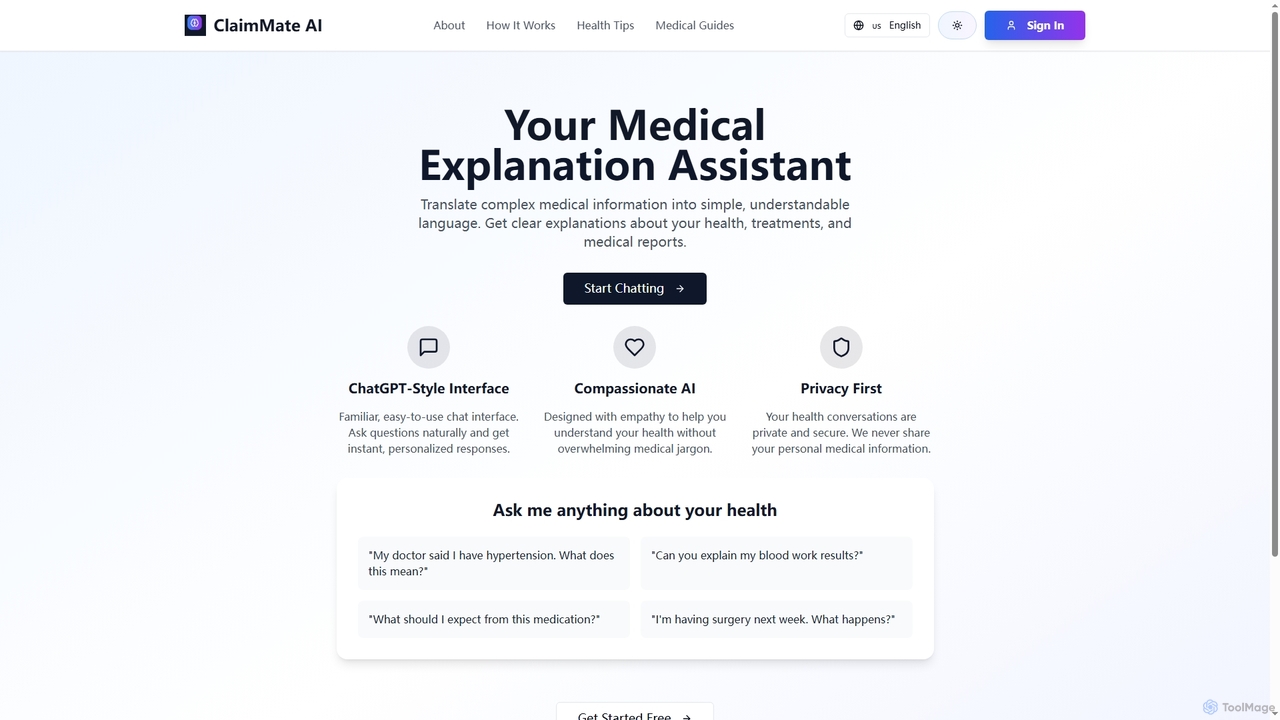
ClaimMate AI is an empathetic AI assistant designed to simplify complex medical information into clear, understandable language. It …

3.2K
Free
Bodywellnessai

Bodywellnessai

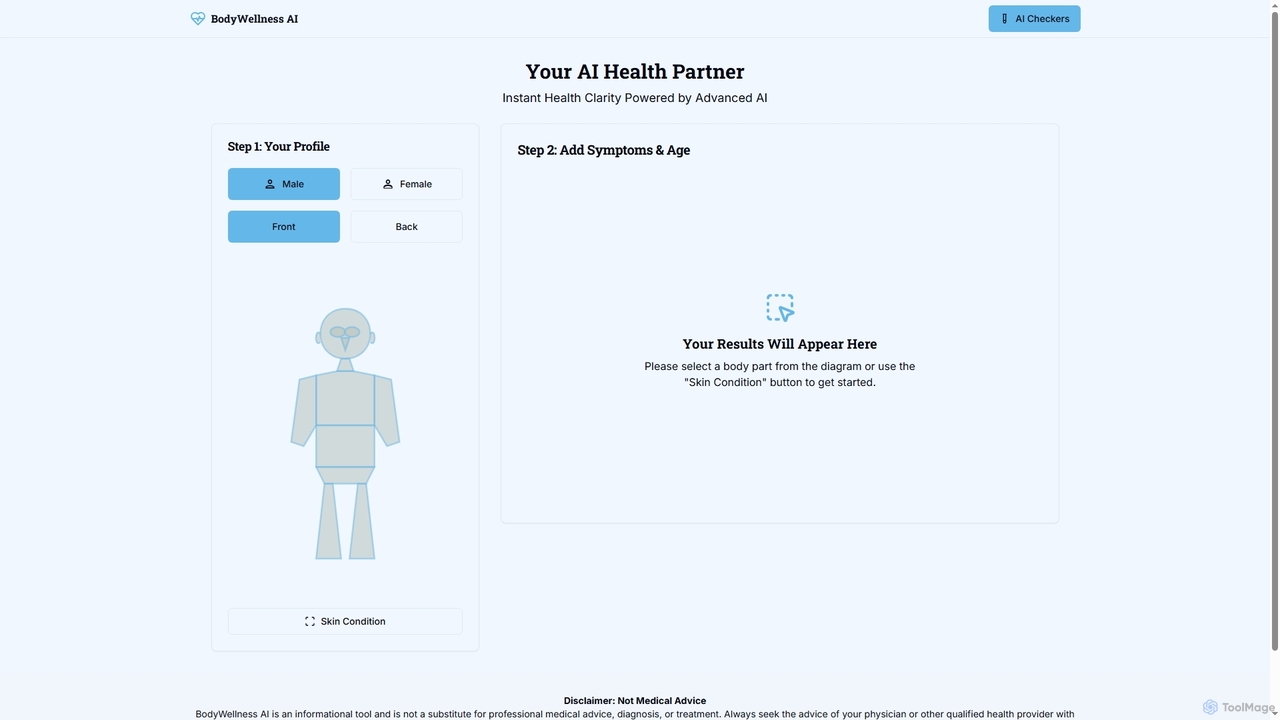
Bodywellnessai is an AI-powered health information partner designed to provide clarity on health concerns. It features a suite …

3.3K
System Pro

System Pro

System Pro is an AI-powered search engine designed to reinvent scientific research, initially focusing on health and life …

3.3K
Free
SymptomChecker.io

SymptomChecker.io

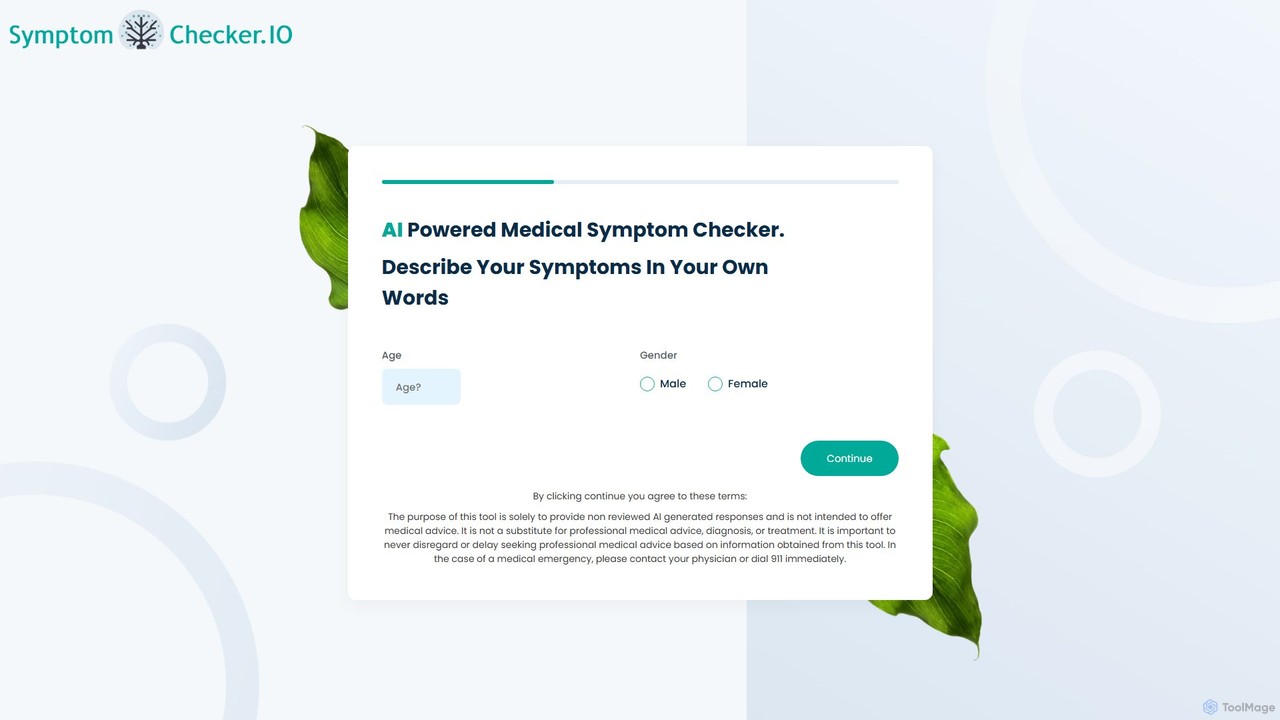
An AI-powered tool that analyzes your described symptoms, age, and gender to provide preliminary health information. It's designed …

3.5K
MediSearch

MediSearch

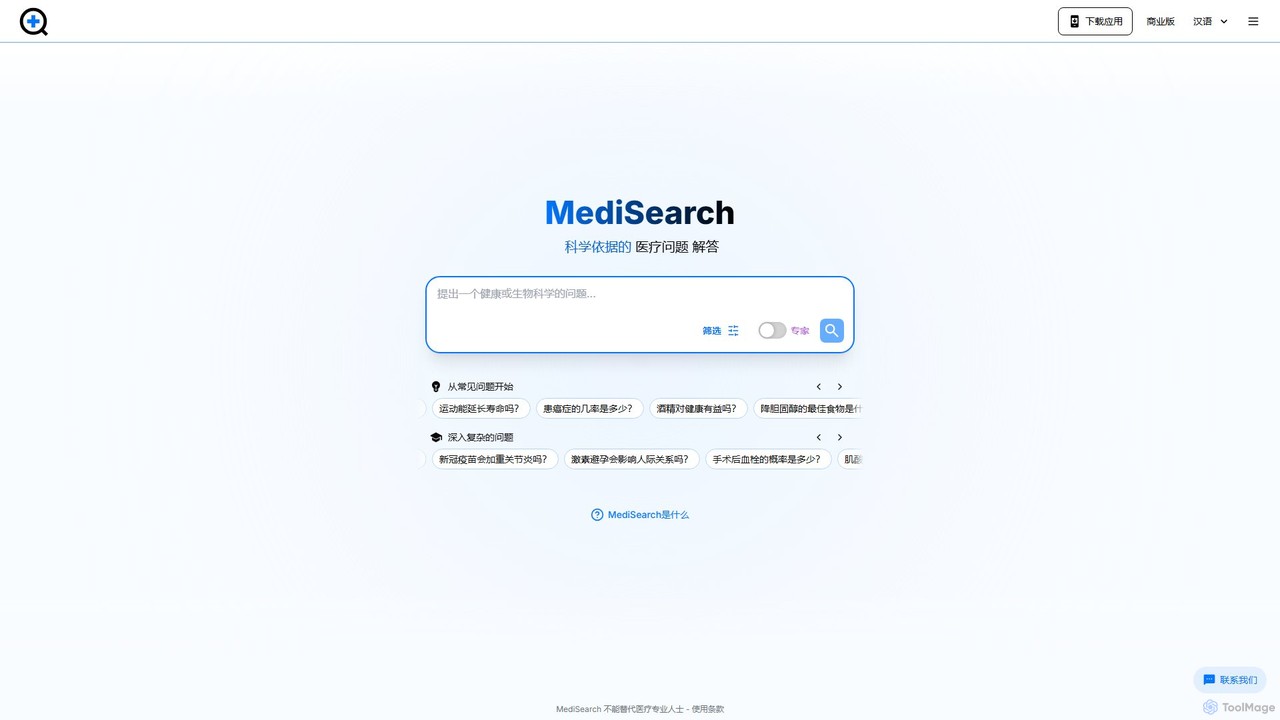
MediSearch is an AI-powered search engine that provides direct, science-based answers to medical questions. It synthesizes information from …

234.2K
Free
Medical Realities

Medical Realities

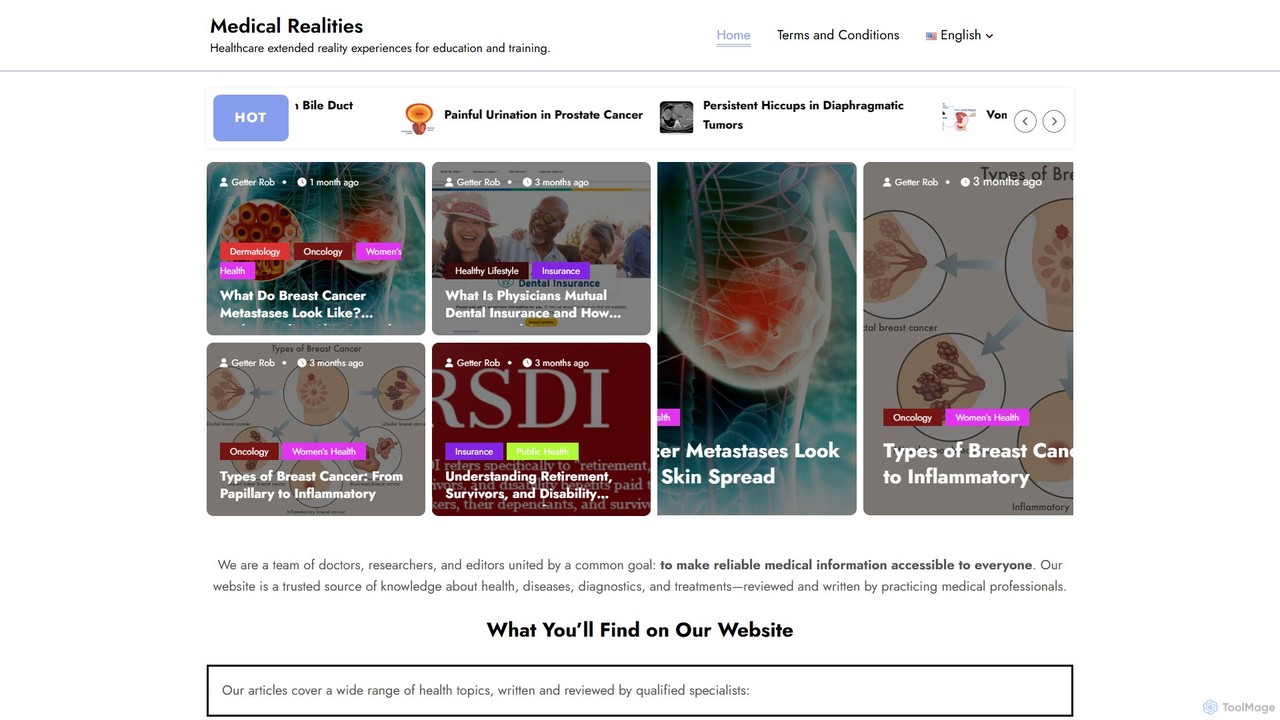
Medical Realities is an expert-driven medical information platform. It provides comprehensive, accessible articles on diseases, diagnostics, and treatments, …

67.0K
Free
MedUp

MedUp

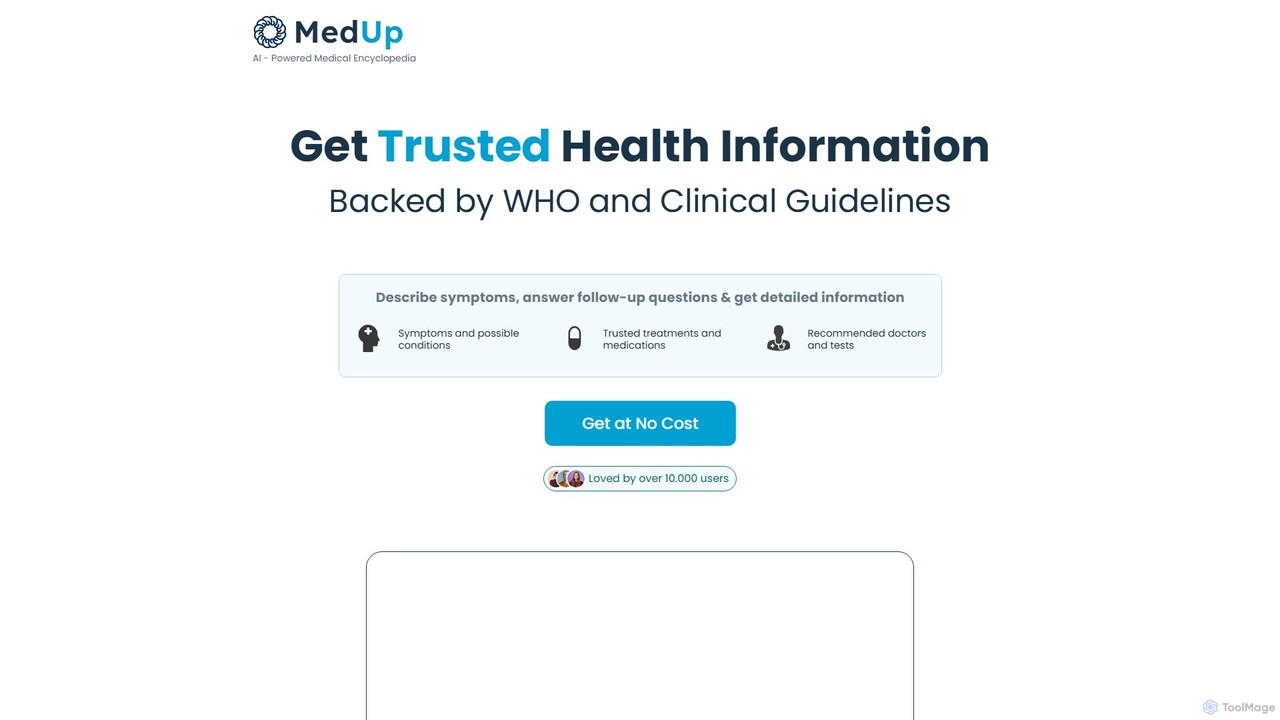
MedUp is a free, AI-powered medical encyclopedia that provides trusted health information based on WHO and clinical guidelines. …

3.3K

About Medical Information

AI Medical Information tools are a specialized class of software that leverages artificial intelligence to analyze, interpret, and deliver medical knowledge. These tools utilize natural language processing (NLP) and machine learning models trained on vast datasets of clinical research, medical literature, and health records. Their primary value lies in providing rapid, evidence-based insights to healthcare professionals, researchers, and patients, helping to navigate the complexity of medical data. They act as powerful assistants for tasks ranging from symptom analysis to literature review.

Core Features

  • Symptom Analysis: Assesses user-inputted symptoms to provide a list of potential conditions and appropriate next steps.
  • Advanced Medical Search: Scans millions of research papers, clinical trials, and textbooks to find highly relevant information quickly.
  • Drug Interaction Checking: Identifies potential adverse reactions between multiple medications, supplements, and foods.
  • Clinical Trial Matching: Matches patient data with eligibility criteria for ongoing clinical trials.
  • Medical Jargon Simplification: Translates complex medical terminology and research findings into plain language for patients.

Applicable Scenarios

These tools are widely used by clinicians for diagnostic support and research, by medical students for learning, and by pharmaceutical companies for drug discovery and trial recruitment. Patients and caregivers also use them to better understand conditions, treatments, and symptoms, facilitating more informed discussions with healthcare providers.

Selection Criteria

When choosing an AI Medical Information tool, prioritize the credibility of its data sources (e.g., PubMed, FDA-approved information). Evaluate its regulatory compliance, such as HIPAA for data privacy. Consider the tool's specific function—whether it's for patient-facing symptom checking or professional research—and assess the clarity and usability of its interface.

Medical InformationUse Cases

1

Preliminary Symptom Assessment for Patients

A person experiencing unfamiliar symptoms, such as a persistent cough and mild fever, uses an AI medical information tool. They input their symptoms, age, and relevant medical history. The tool analyzes this information against a vast medical database and provides a list of potential causes, ranked by probability. It also offers clear advice, such as 'monitor at home' or 'consult a primary care physician within 24 hours,' helping the user make a timely and appropriate decision about seeking care without causing unnecessary alarm.

2

Accelerating Medical Research for Clinicians

A specialist physician is treating a patient with a rare autoimmune disorder and needs to find the latest research on experimental treatments. Instead of manually searching through dozens of medical journals, she uses an AI tool. She inputs the disorder's name and key patient parameters. Within seconds, the AI scans millions of publications, including pre-print articles, and presents a summarized list of the most relevant studies, treatment protocols, and ongoing clinical trials, saving hours of research time and potentially identifying a novel therapeutic option.

3

Simplifying Medical Information for Patient Education

A patient newly diagnosed with Type 2 Diabetes is overwhelmed by complex medical literature. They use an AI tool designed for patient education. They can ask questions in plain language, such as 'What foods should I avoid?' or 'Explain how metformin works.' The AI provides clear, concise, and easy-to-understand answers, often supplemented with visuals or short videos. This empowers the patient to better manage their condition and engage more effectively in conversations with their healthcare team.

4

Checking for Potential Drug Interactions

An elderly patient is prescribed a new medication for high blood pressure. Their pharmacist uses an AI-powered drug interaction checker. The pharmacist inputs the new prescription along with the patient's existing list of medications, including over-the-counter drugs and herbal supplements. The AI cross-references this list against a comprehensive pharmacology database and flags a potential moderate interaction between the new drug and a supplement the patient is taking. This allows the pharmacist to advise the patient accordingly and consult the prescribing doctor.

5

Identifying Candidates for Clinical Trials

A research coordinator at a hospital is tasked with recruiting patients for a new cancer therapy trial. Manually reviewing thousands of patient records is slow and prone to error. By using an AI medical information tool, the coordinator can set specific eligibility criteria (e.g., cancer type, stage, previous treatments). The AI system then securely scans anonymized electronic health records to identify a shortlist of potentially eligible patients in minutes. This dramatically accelerates the recruitment process, helping new treatments reach patients faster.

6

Interactive Learning for Medical Students

A medical student is studying the Krebs cycle, a complex biochemical process. Instead of relying solely on a textbook diagram, they use an interactive AI learning tool. The student can ask specific questions like 'What happens if there is a deficiency in citrate synthase?' The AI not only provides a text-based answer but also dynamically alters a visual diagram of the cycle to show the downstream effects. This interactive, inquiry-based approach deepens understanding and improves knowledge retention compared to passive reading.

Medical InformationFrequently Asked Questions