Health Best in category 1 results Activity Tracking AI Tool

Popular AI tools in the Activity Tracking field of Health include Even Realities, etc., helping you quickly improve efficiency.

Even Realities

Even Realities

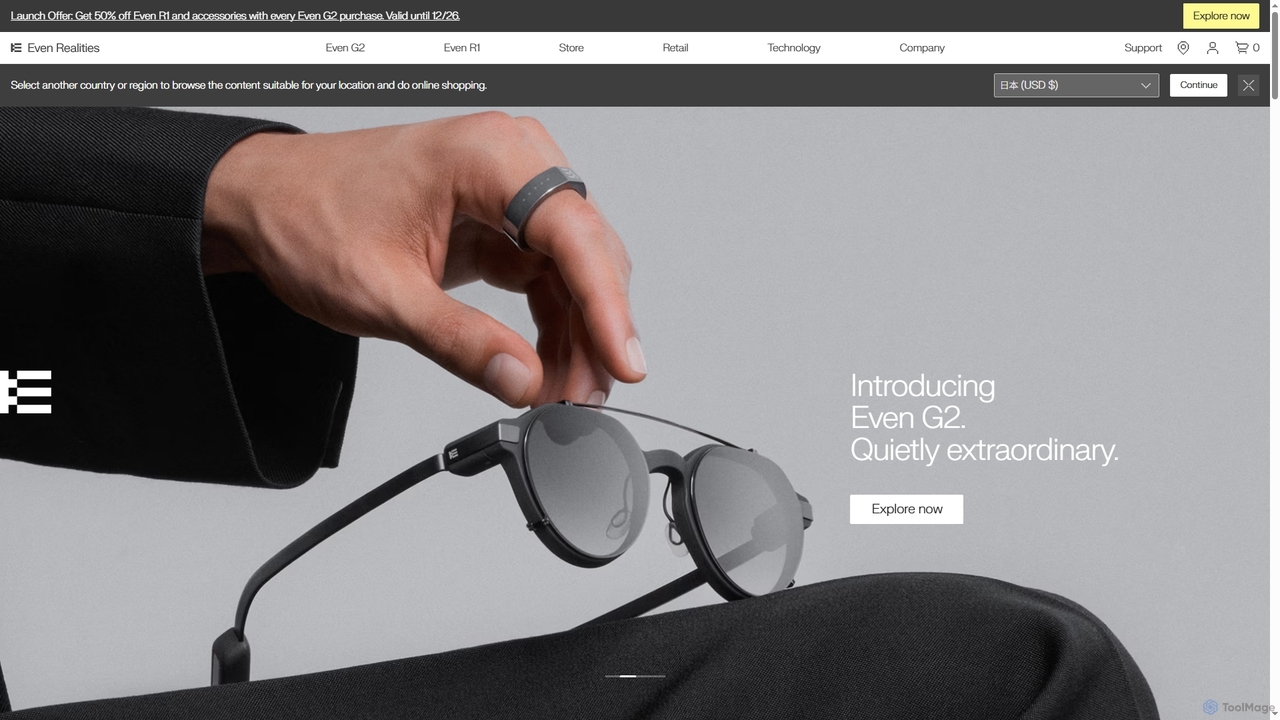
Even Realities offers AI-powered smart glasses (Even G2) and a companion smart ring (Even R1) designed to enhance …

966.0K

About Activity Tracking

Activity Tracking tools are AI-powered solutions designed to monitor, analyze, and interpret various forms of human activity, particularly within the realm of health and wellness. These tools leverage advanced sensors and machine learning algorithms to collect data on physical movement, sleep patterns, heart rate, and more. Their primary value lies in providing personalized insights and actionable recommendations to help users understand their habits, improve their well-being, and achieve specific health goals.

Core Features

  • Real-time Monitoring: Continuously track metrics like steps, distance, calories burned, and heart rate throughout the day.
  • Sleep Analysis: Detect sleep stages (REM, light, deep), duration, and quality, offering insights into sleep health.
  • Behavioral Pattern Recognition: Identify recurring patterns in activity, sedentary periods, and stress responses.
  • Personalized Goal Setting: Suggest and adapt fitness or wellness goals based on individual data and progress.
  • Progress Visualization: Present complex data through intuitive dashboards and graphs for easy understanding.

Use Cases

Individuals seeking to improve their fitness can use these tools to monitor workout performance and set new challenges. For those managing chronic conditions, activity tracking provides valuable data for healthcare providers to assess lifestyle impacts. Corporate wellness programs also deploy these tools to encourage healthier habits among employees, fostering a more active and engaged workforce.

How to Choose

When selecting an Activity Tracking tool, consider the range of metrics it tracks (e.g., just steps, or also sleep, stress, nutrition). Evaluate its integration capabilities with other health apps or devices, and assess the accuracy of its sensors. User interface design and the clarity of its data insights are also crucial for long-term engagement, alongside data privacy policies and subscription costs.

Activity TrackingUse Cases

1

Optimizing Daily Fitness Routines

An individual aiming for a healthier lifestyle uses an AI activity tracker to monitor daily steps, active minutes, and calorie expenditure. The tool analyzes their activity levels, identifies periods of inactivity, and suggests personalized workout routines or prompts for short breaks, helping them stay consistent and gradually increase their fitness levels.

2

Improving Sleep Quality and Patterns

Someone experiencing inconsistent sleep utilizes an activity tracking device to analyze their sleep cycles, duration, and disturbances. The AI identifies patterns like late-night screen time affecting deep sleep, or irregular bedtimes. It then provides tailored recommendations, such as optimal bedtime windows or relaxation techniques, to improve overall sleep hygiene and quality.

3

Managing Stress and Promoting Mindfulness

A busy professional uses an activity tracker with stress monitoring capabilities. The device tracks heart rate variability and other physiological markers to detect elevated stress levels. It then suggests short guided breathing exercises or prompts for mindfulness breaks, helping the user proactively manage stress throughout their day and maintain mental well-being.

4

Supporting Chronic Disease Management

Patients with conditions like diabetes or heart disease use AI activity trackers to provide their healthcare providers with continuous data on physical activity, heart rate, and sleep. This objective data helps doctors monitor the impact of lifestyle changes, adjust treatment plans, and offer more precise advice, leading to better disease management and outcomes.

5

Enhancing Corporate Wellness Programs

Companies implement activity tracking tools as part of their employee wellness initiatives. Employees can participate in team challenges, track their progress towards collective fitness goals, and receive personalized health tips. This fosters a culture of health, boosts morale, and potentially reduces healthcare costs by encouraging active lifestyles.

6

Personalized Training for Athletes

Amateur and professional athletes leverage advanced AI activity trackers to gain deep insights into their training performance and recovery. These tools monitor metrics like VO2 max, training load, recovery time, and sleep quality. The AI analyzes this data to optimize training schedules, prevent overtraining, and suggest personalized recovery strategies, maximizing performance potential.

Activity TrackingFrequently Asked Questions