Health Best in category 1 results Allergen Management AI Tool

Popular AI tools in the Allergen Management field of Health include FoodSkin AI, etc., helping you quickly improve efficiency.

FoodSkin AI

FoodSkin AI

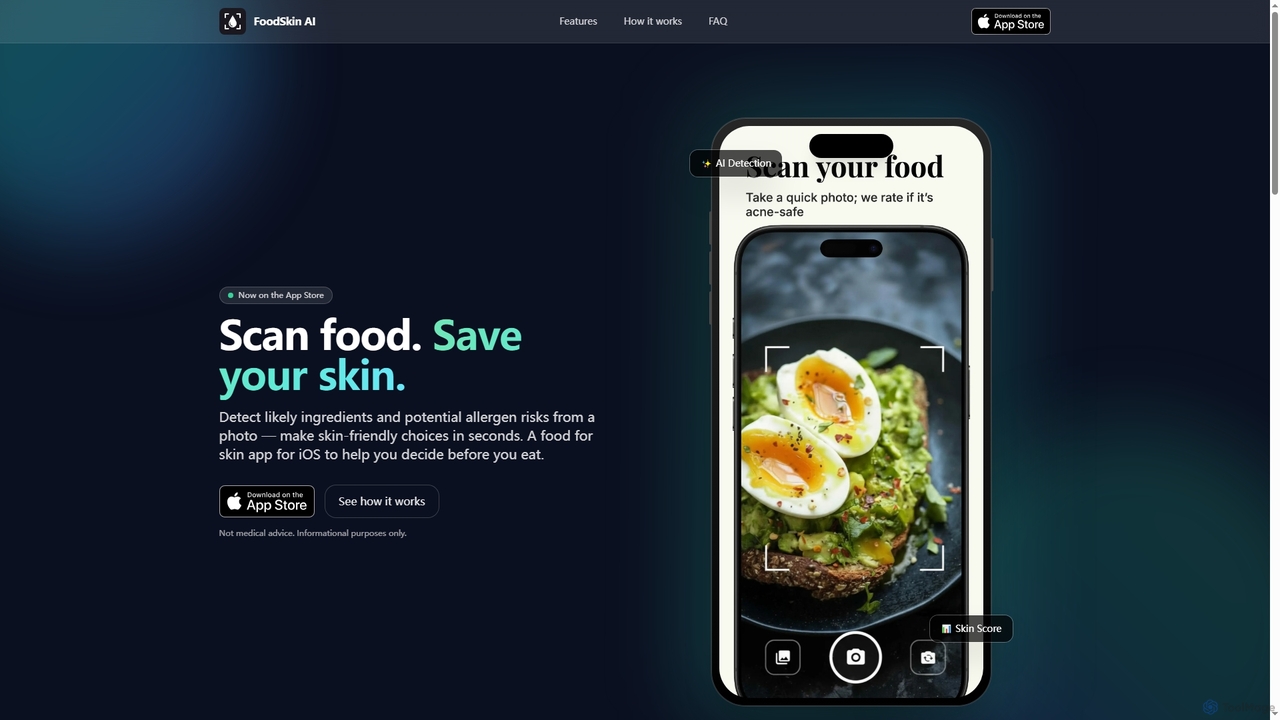
FoodSkin AI is an iOS app that uses AI to scan meal photos, identify likely ingredients and potential …

3.3K

About Allergen Management

Allergen Management AI tools are specialized solutions that leverage artificial intelligence to identify, track, and mitigate risks associated with allergens. These advanced platforms analyze vast datasets, ranging from food ingredients and environmental factors to personal health profiles, to provide precise insights and proactive management strategies. Their primary goal is to enhance safety, improve the quality of life for individuals with allergies, and ensure stringent compliance for businesses in sectors like food and healthcare.

Core Features

  • Ingredient Analysis: Automatically scan food labels and ingredient lists for known allergens, ensuring product safety.
  • Cross-Contamination Risk Assessment: Predict potential allergen exposure in production or dining environments, minimizing risks.
  • Personalized Allergen Tracking: Monitor individual dietary intake and environmental exposure to specific allergens for tailored management.
  • Predictive Analytics: Forecast allergen outbreaks or high-risk periods based on environmental data and historical trends.
  • Compliance Reporting: Generate detailed reports to meet regulatory standards for allergen labeling and management, ensuring adherence.

Applicable Scenarios

Food manufacturers utilize these tools to verify ingredient lists, assess cross-contamination risks on production lines, and ensure accurate allergen labeling for packaged goods, thereby minimizing recall risks. Restaurants and catering services implement AI to manage menu ingredients, identify allergen-free options, and train staff on safe food handling practices for customers with dietary restrictions. Individuals with allergies benefit from personal AI assistants that scan product barcodes, track dietary triggers, and receive alerts about potential allergen exposure in their environment or food choices.

How to Choose

When selecting an Allergen Management AI tool, prioritize its accuracy and the quality of its allergen database, ensuring it is comprehensive and frequently updated. Evaluate its integration capabilities with existing inventory, POS, or health tracking systems for seamless operation. Look for customization and personalization options to tailor allergen profiles and reporting needs. Finally, ensure the tool provides robust support for regulatory compliance, helping meet local and international allergen safety standards.

Allergen ManagementUse Cases

1

Automated Food Label Scanning for Consumers

Individuals with severe food allergies use AI-powered apps to scan product barcodes or ingredient lists, instantly identifying the presence of specific allergens like peanuts, gluten, or dairy. The app provides real-time alerts and suggests safe alternatives, significantly reducing the risk of accidental exposure during grocery shopping or dining out, enhancing personal safety and peace of mind.

2

Cross-Contamination Risk Assessment in Food Production

A food manufacturing plant employs AI to analyze production line layouts, ingredient flow, and cleaning schedules. The AI identifies potential points of cross-contamination for major allergens, recommending adjustments to processes or equipment to minimize risks and ensure product safety for allergy sufferers. This proactive approach prevents costly recalls and protects consumer health.

3

Personalized Dietary Planning for Allergy Sufferers

Nutritionists and dietitians use AI tools to create highly personalized meal plans for clients with multiple food allergies or intolerances. The AI considers individual allergen profiles, nutritional needs, and dietary preferences, generating safe and balanced meal suggestions while meticulously avoiding trigger ingredients. This ensures clients maintain a healthy diet without compromising their safety.

4

Restaurant Menu Allergen Identification

Restaurant chains integrate AI into their menu management systems. When a customer specifies an allergy, the system instantly filters menu items, highlights dishes that are safe, and identifies potential modifications, improving customer service and ensuring compliance with allergen information regulations. This enhances the dining experience for guests with dietary restrictions.

5

Environmental Allergen Monitoring for Public Health

Public health organizations deploy AI-driven sensors and data analytics to monitor airborne pollen, mold spores, and other environmental allergens in specific regions. The AI predicts high-allergen days, issuing public health alerts and enabling individuals with respiratory allergies to take proactive measures, such as adjusting outdoor activities or medication, to manage their symptoms effectively.

6

Supply Chain Allergen Traceability

A large food distributor uses AI to track allergen information across its entire supply chain, from raw material sourcing to final product delivery. The AI system flags any discrepancies or potential allergen risks at each stage, ensuring full transparency and rapid response capabilities in case of an allergen-related incident. This comprehensive traceability builds trust and enhances brand reputation.

Allergen ManagementFrequently Asked Questions