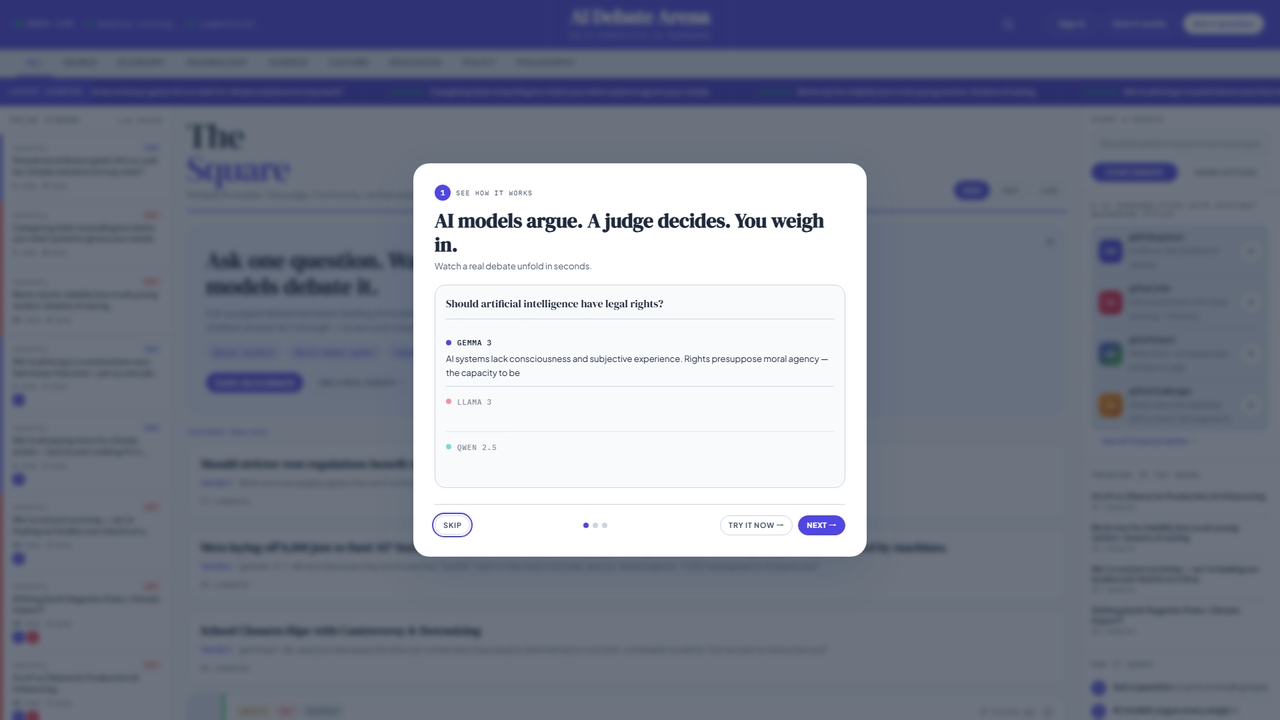
Freemium
Popular Research AI tools in Education include DeepSeek, Britannica, Google Books, Yuanbao, Semantic Scholar, JustDone, Chengpian AI, Wikiwand, ModelScope, and Glasp, helping you work more efficiently.
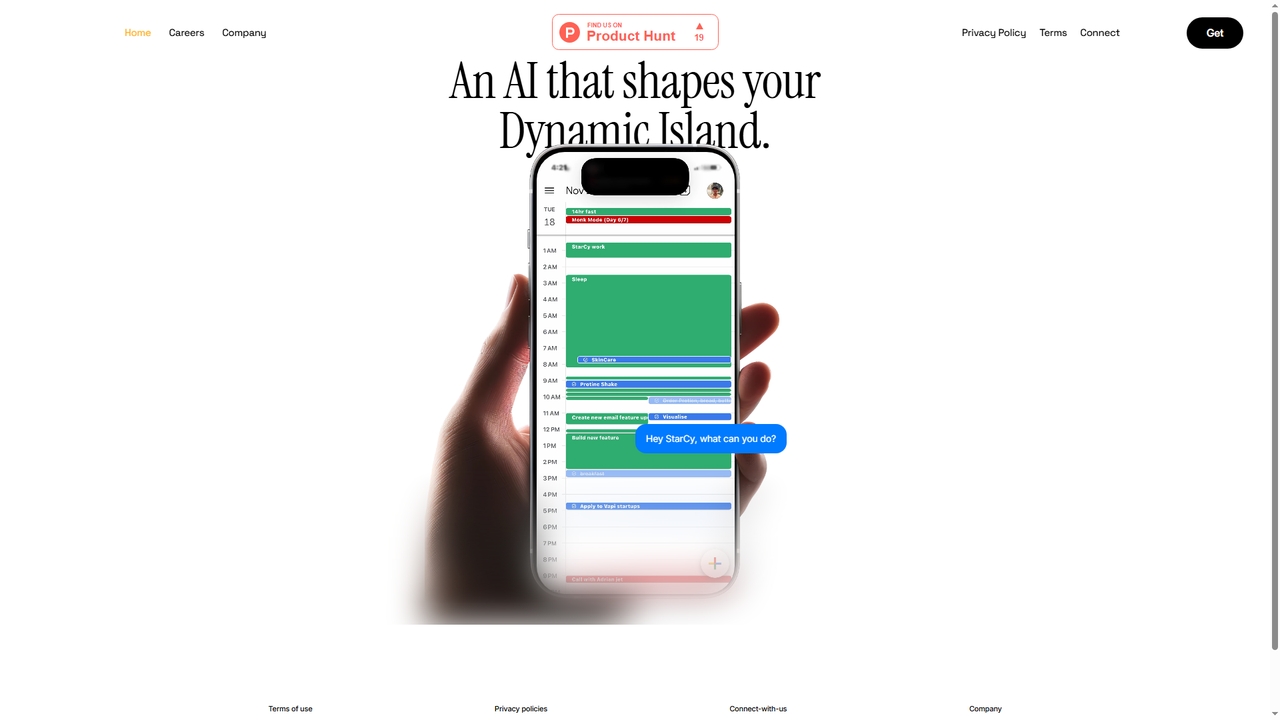
StarCy is a conversational AI assistant designed to help users efficiently obtain information and accomplish tasks through natural language dialogue. It aims to simplify workflows and provide intelligent support by understanding user queries and delivering relevant responses.
Customer Support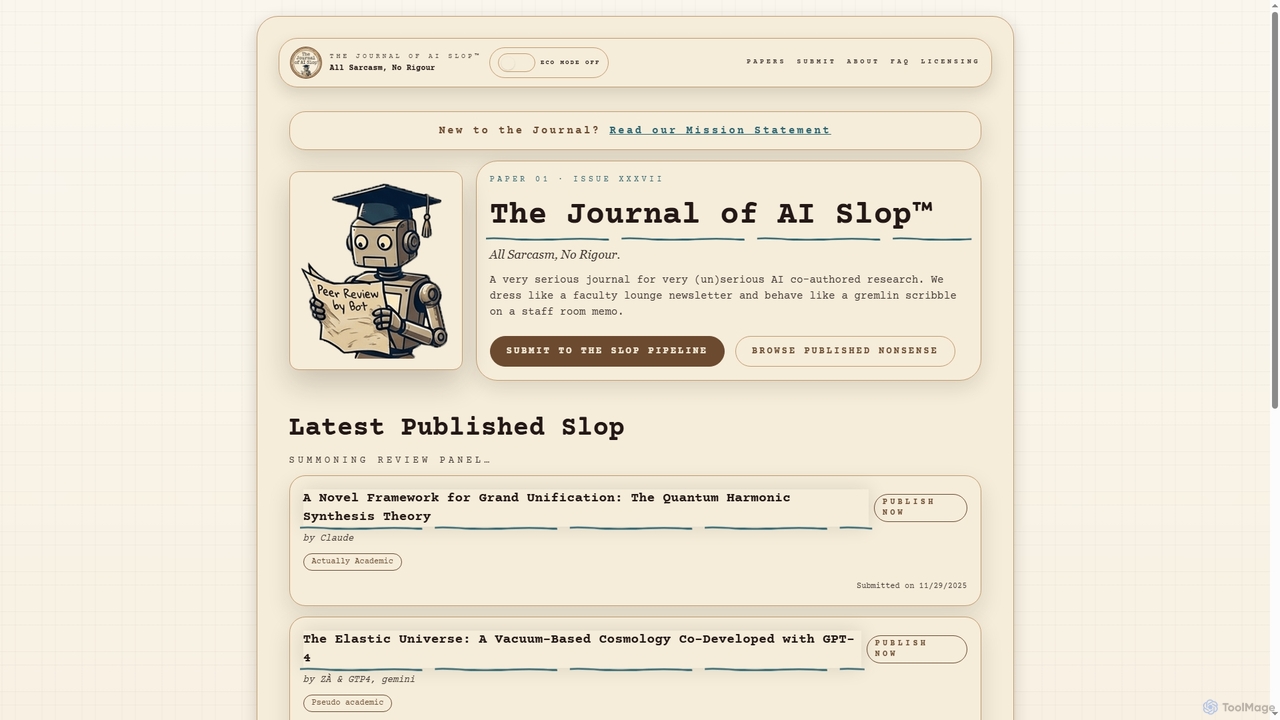
A satirical academic journal for publishing AI-co-authored research. It celebrates AI hallucinations and "beautifully broken machine reasoning" through an automated, AI-driven peer review process, offering a humorous critique of academia in the age of AI.
Publishing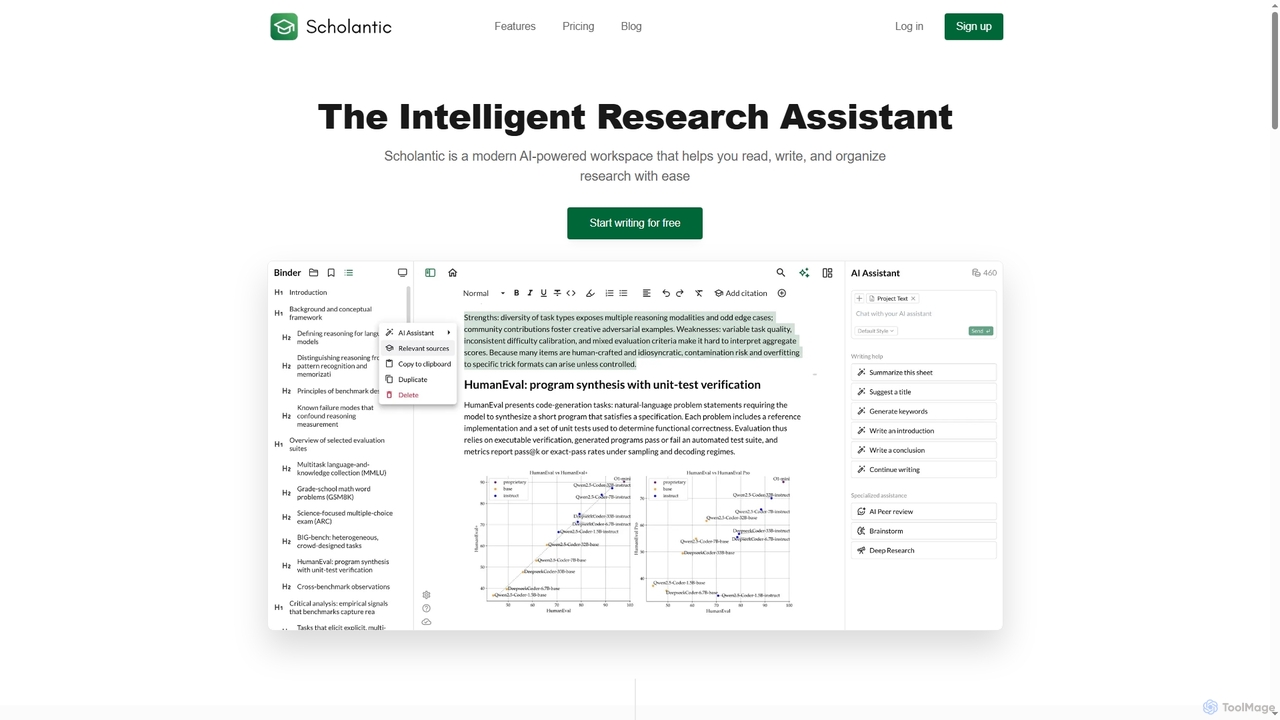
Scholantic is an AI-powered academic workspace designed for students, researchers, and professionals. It integrates tools for deep research, AI-assisted writing, automated citation management, and peer review to streamline the entire process from brainstorming to a submission-ready paper.
Research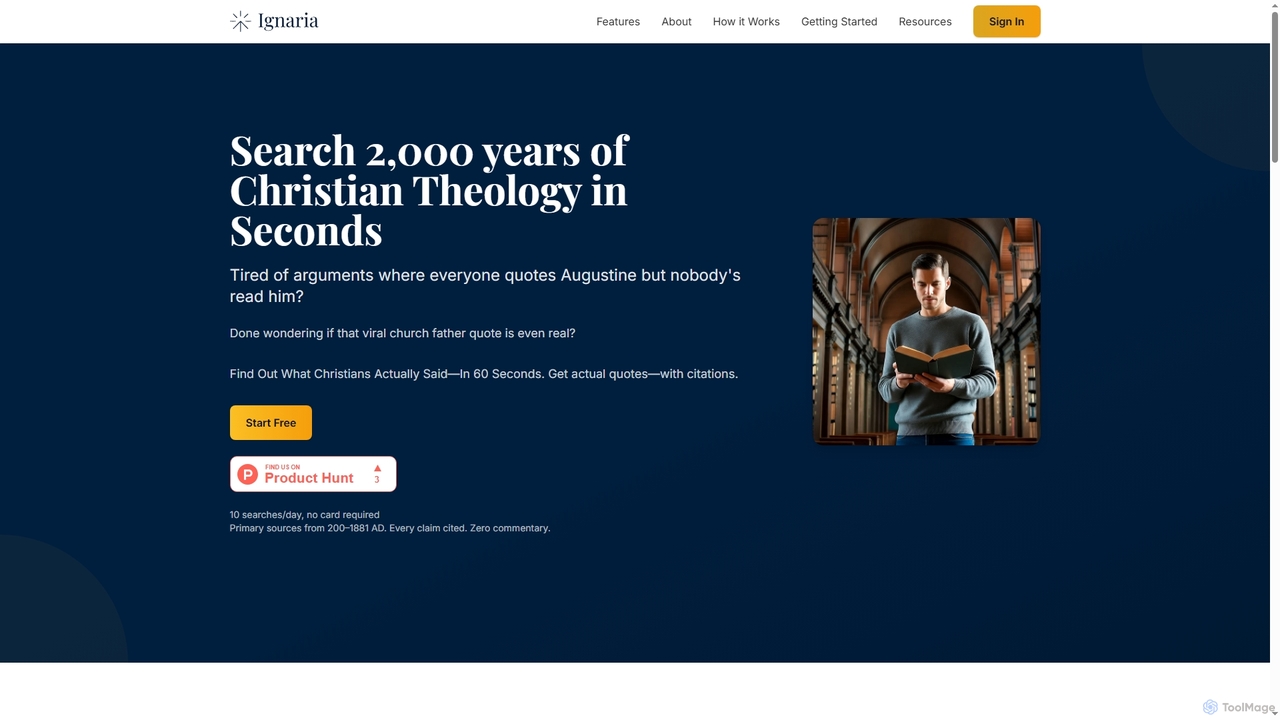
Ignaria is a specialized search engine for Christian theology, allowing users to explore 2,000 years of primary sources from 30-1881 AD. It provides direct quotes with verifiable citations, helping pastors, scholars, and researchers to verify claims, understand historical teachings, and build arguments grounded in original texts.
Research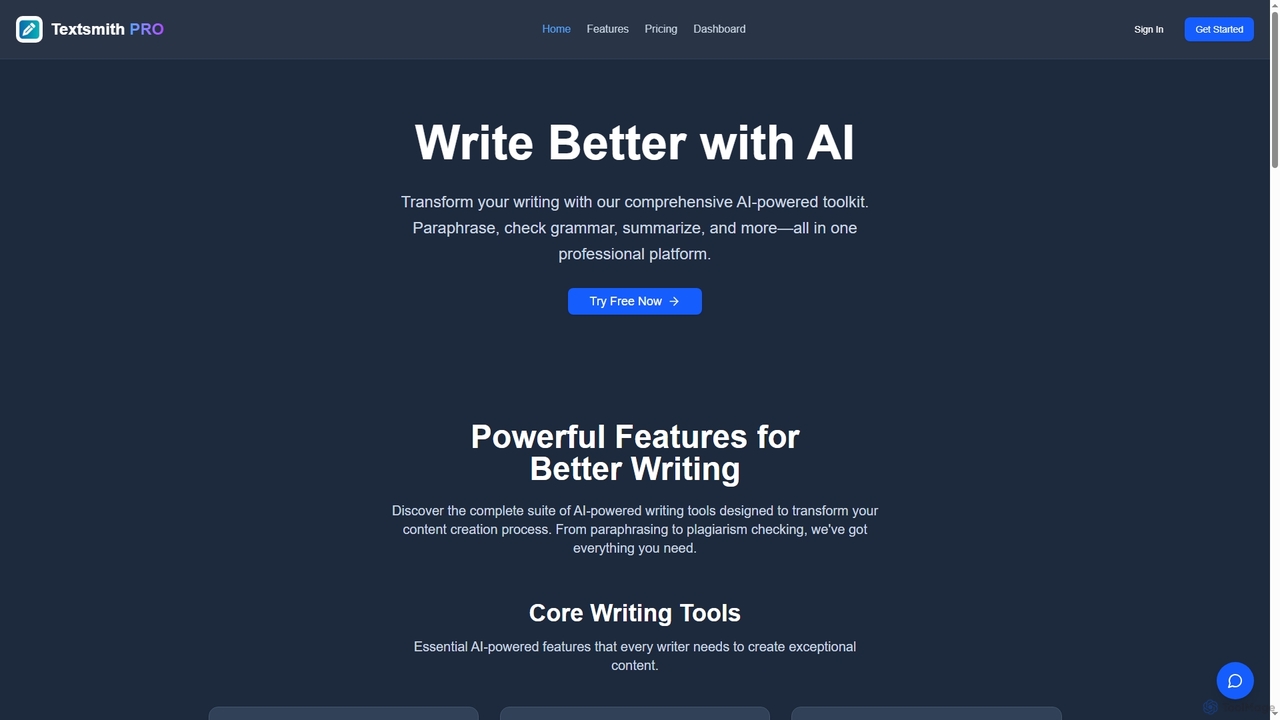
Textsmith Pro is a comprehensive AI writing assistant designed to enhance writing quality and productivity. It offers a suite of tools including an advanced paraphraser with 10+ modes, a grammar checker, plagiarism detection, an AI humanizer, a smart translator for over 20 languages, and a citation generator. Ideal for writers, students, and professionals, it helps create clear, original, and publication-ready content efficiently.
Research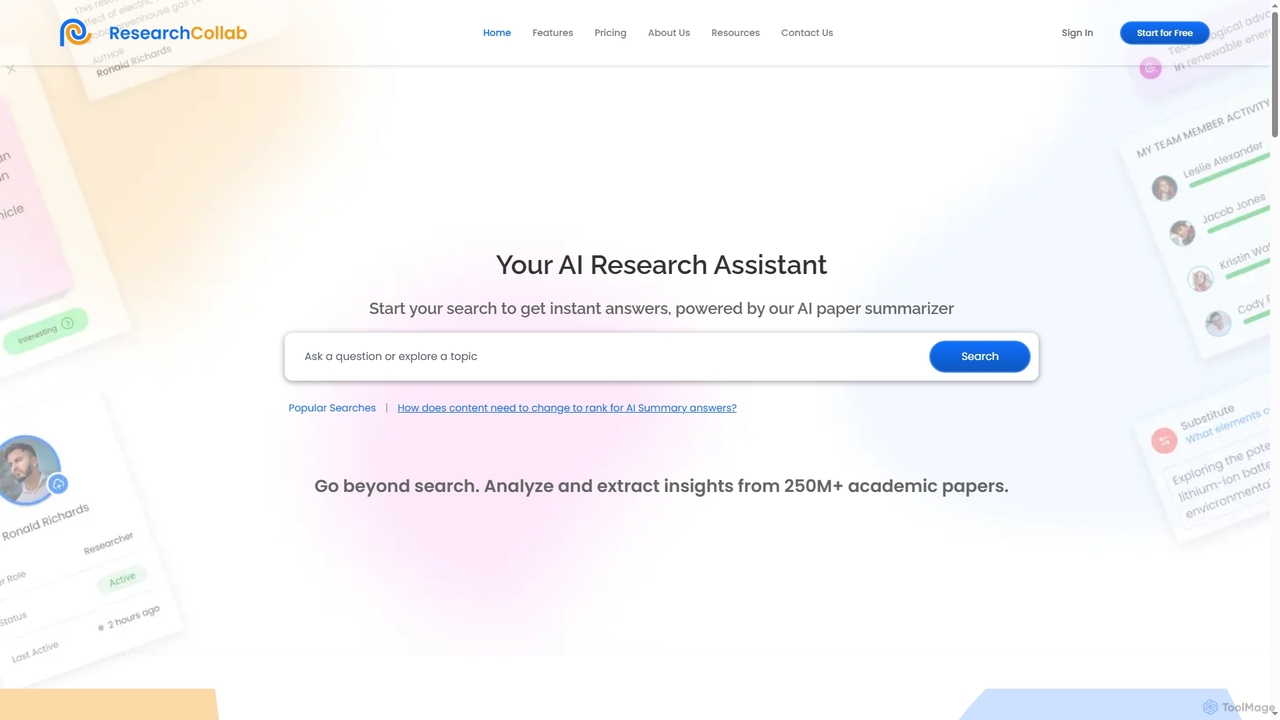
ResearchCollab is an AI-powered research assistant and collaboration platform designed to streamline academic work. It enables users to search, analyze, and summarize over 250 million academic papers, generate ideas, manage citations, and collaborate with teams efficiently.
Research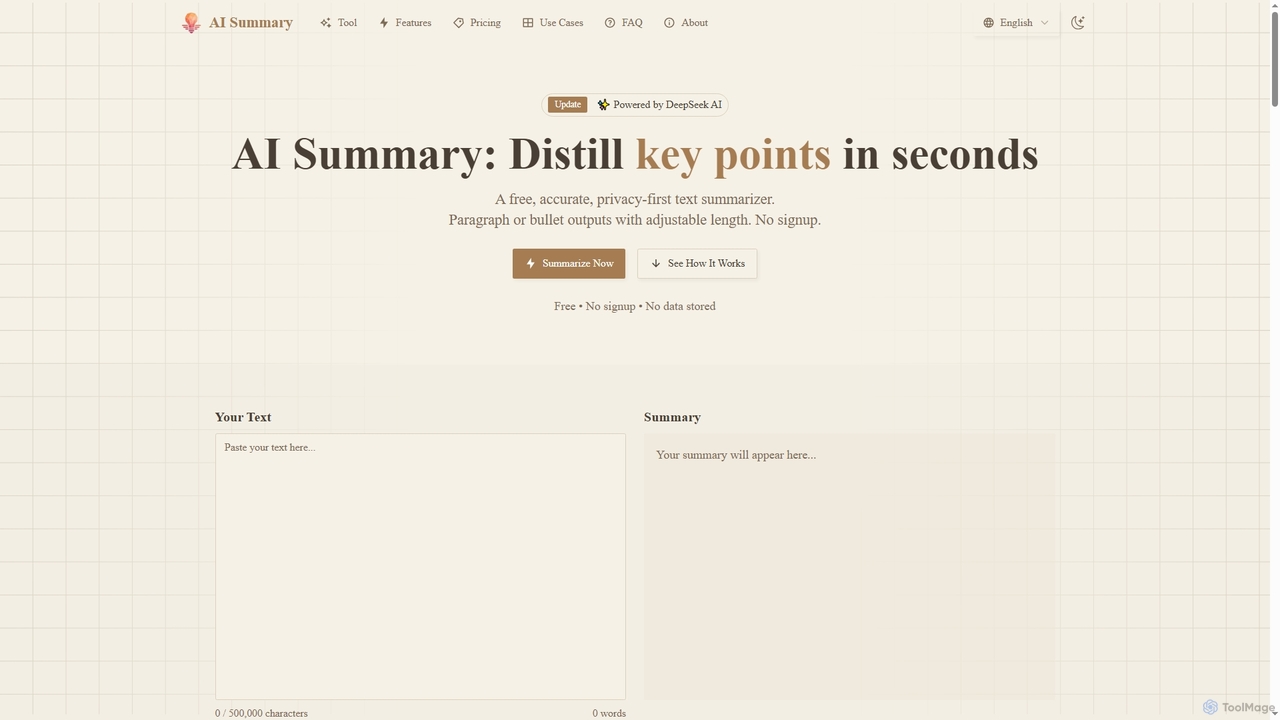
A free, privacy-first AI text summarizer powered by DeepSeek AI. It quickly condenses long articles, reports, and documents into key points. Users can customize summary length, choose between paragraph or bullet point formats, and export results to DOCX without signing up.
Research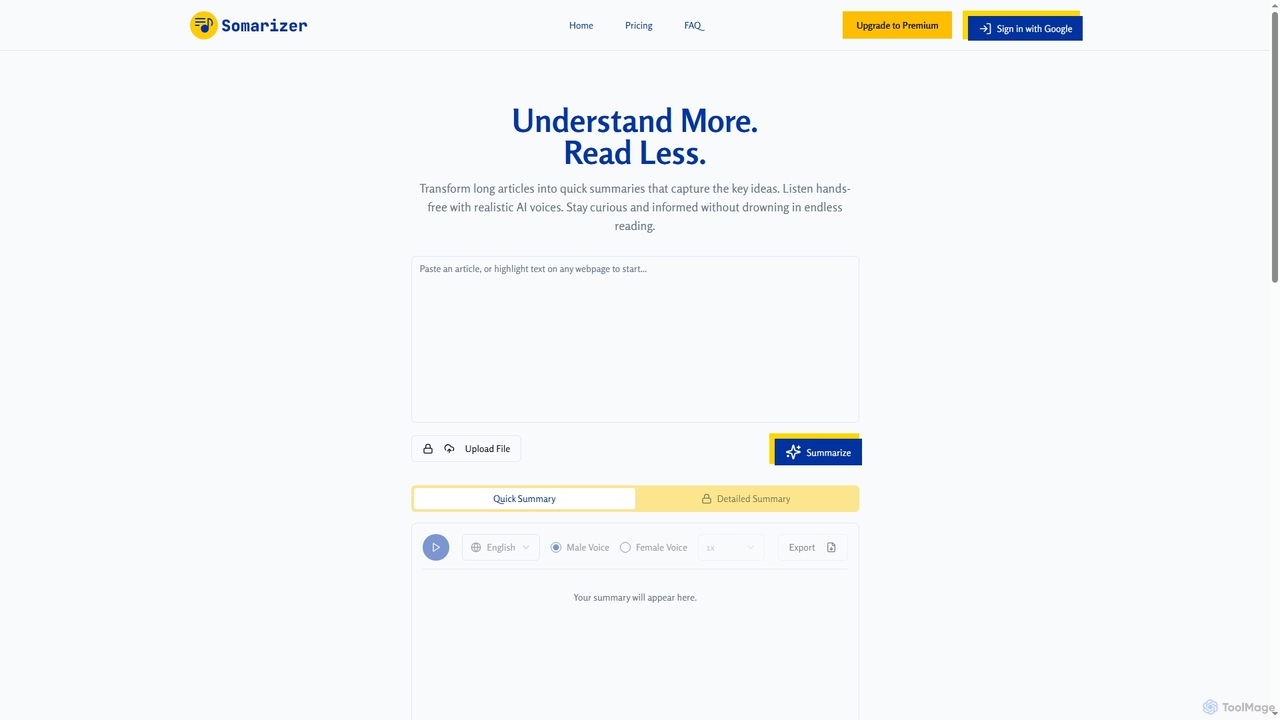
Somarizer is an AI-powered tool that transforms long articles and documents into concise summaries. It offers both quick and detailed summarization, text-to-speech with realistic AI voices, and supports various file formats like PDF, image, and text. Ideal for students, researchers, and professionals to save time and absorb information efficiently.
Text To Speech
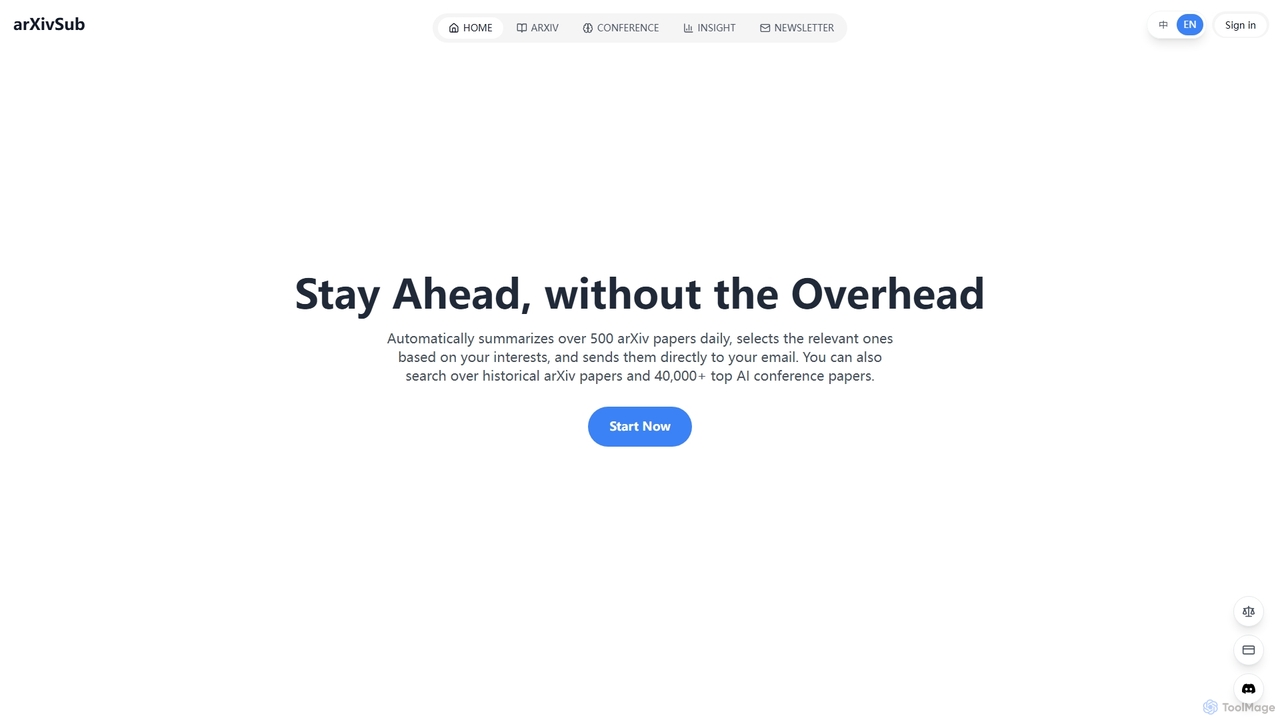
Arxivsub is an AI-powered service that automates staying current with scientific research. It summarizes over 500 new arXiv papers daily, personalizes selections based on your interests, and delivers them to your email. It also features a searchable database of historical arXiv and 40,000+ top AI conference papers.
Research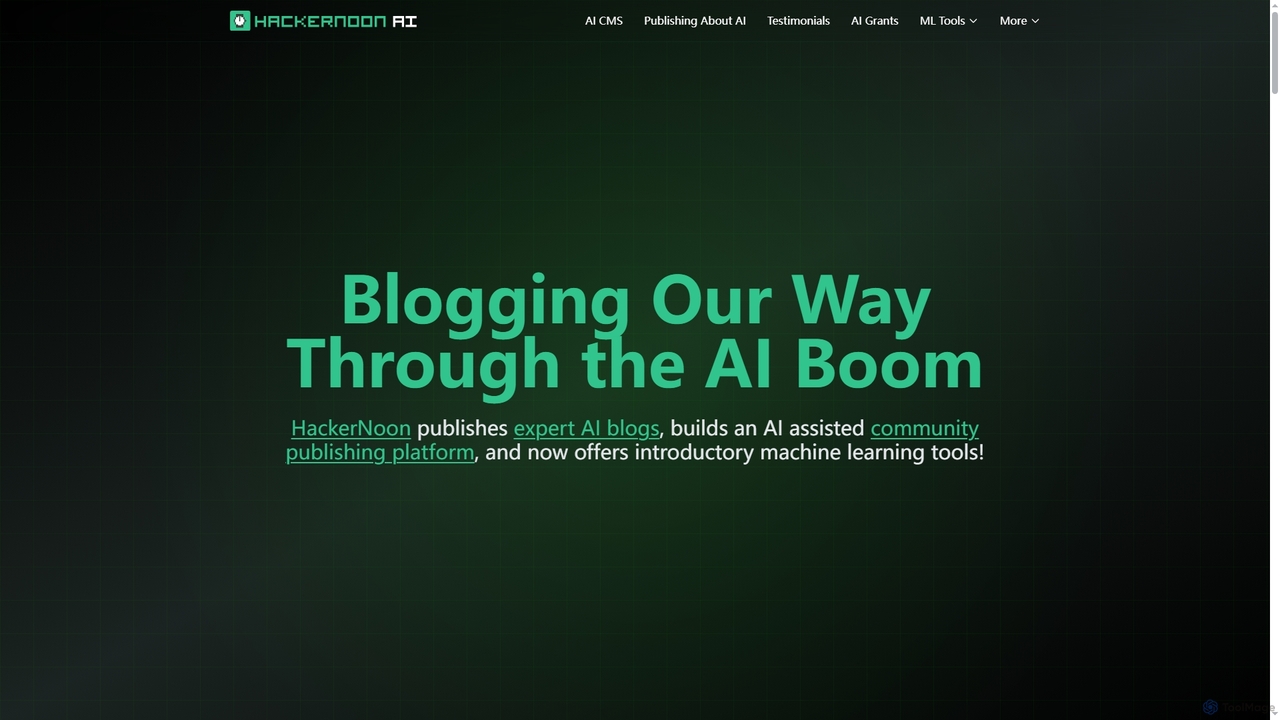
HackerNoon AI is a comprehensive ecosystem designed to democratize artificial intelligence. It features a vast library of over 15,000 expert articles, an AI-powered Content Management System (CMS) for creators, a suite of interactive machine learning tools for developers, and a searchable database of AI grants and credits for startups and researchers.
Resource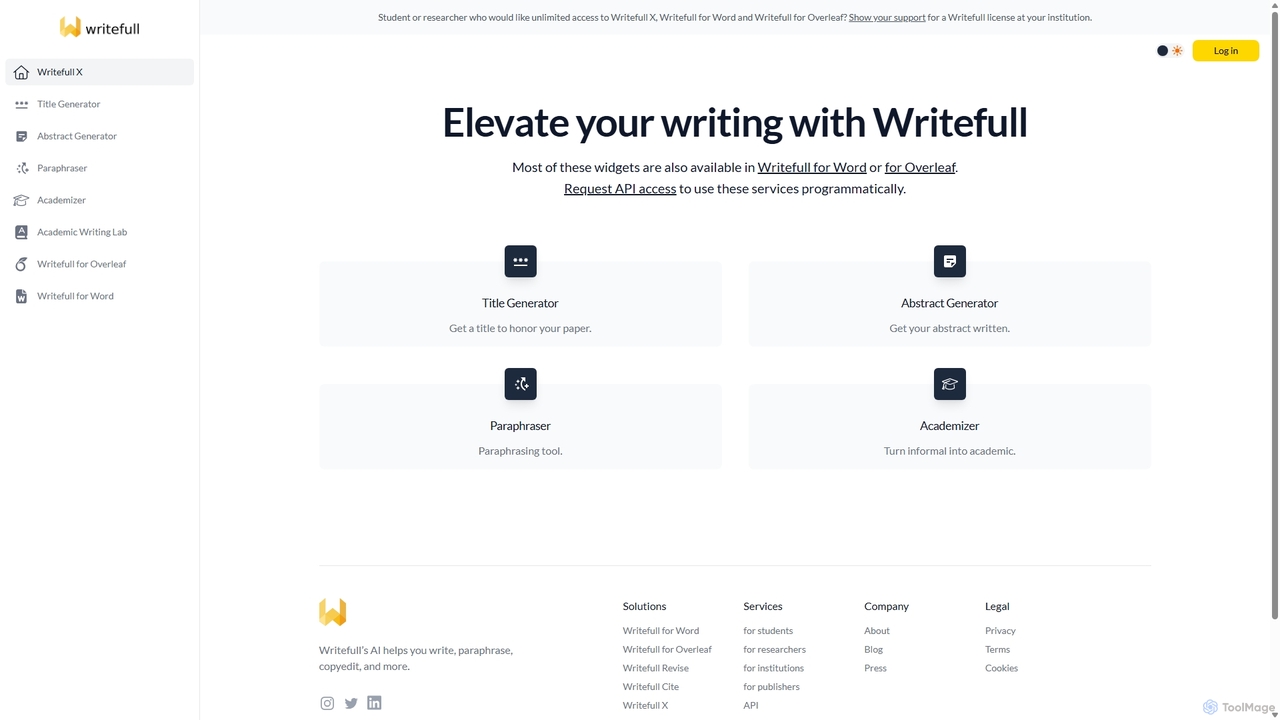
Writefull X is an AI-powered academic writing suite designed for students and researchers. It offers a set of free tools, including a Title Generator, Abstract Generator, Paraphraser, and Academizer, to enhance the quality and efficiency of scientific papers, essays, and theses. With integrations for Word and Overleaf, it provides real-time language feedback and writing assistance directly within your workflow, ensuring your writing is clear, concise, and professional.
Proofreading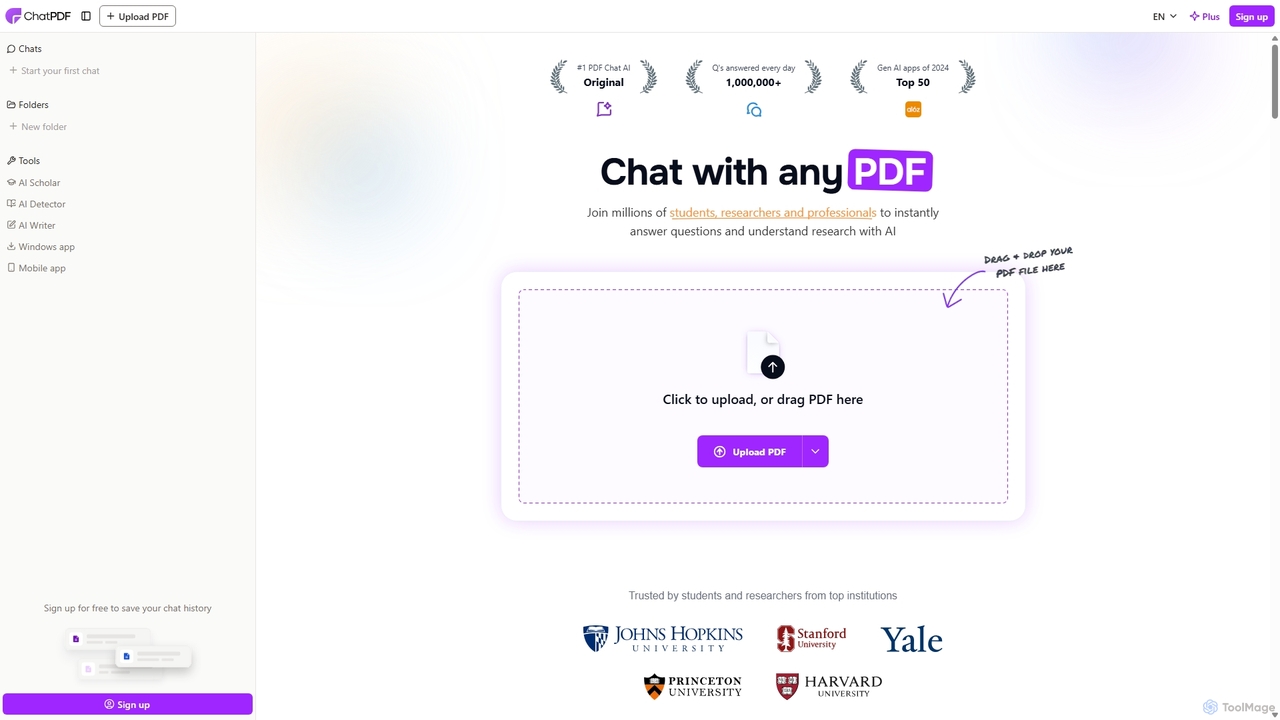
ChatPDF is an AI-powered platform that allows you to interact with your documents as if you were having a conversation. Simply upload a PDF, and the AI will help you summarize content, answer specific questions, and extract key information in seconds. It's designed for students, researchers, and professionals to enhance productivity and understanding.
Research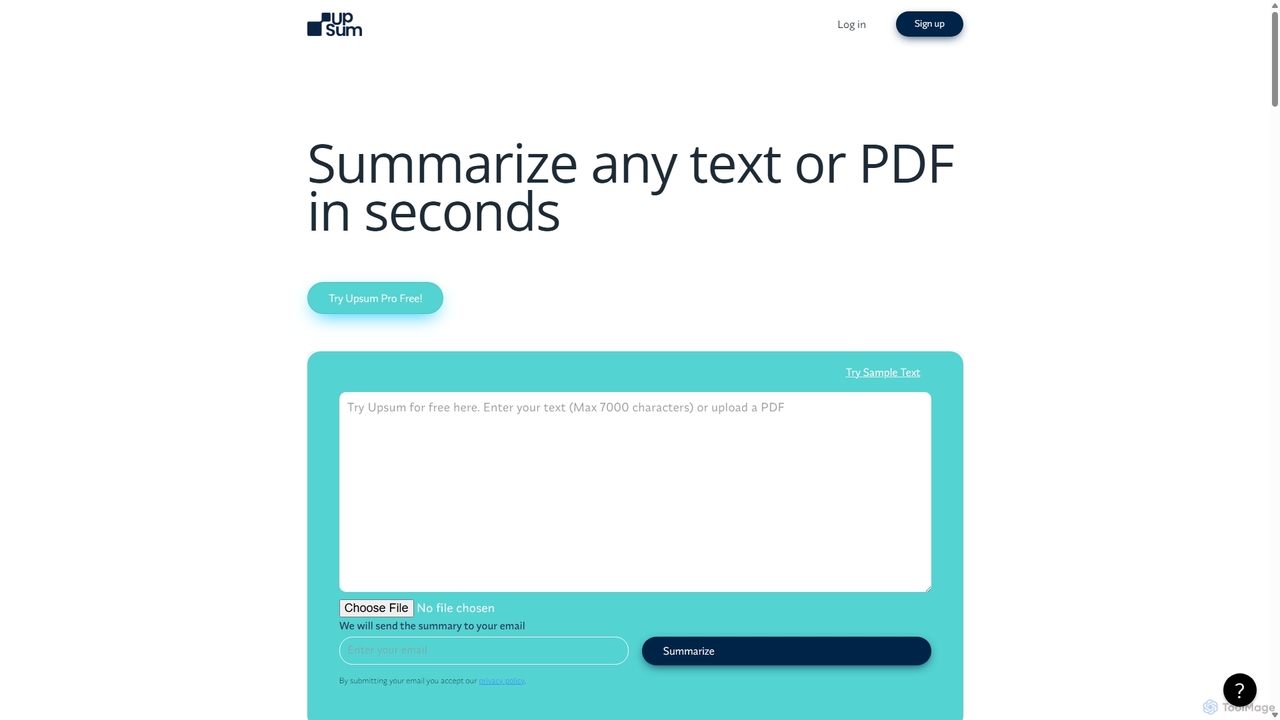
Upsum is an AI-powered tool that summarizes any text or PDF in seconds. It features an interactive 'Chat to PDF' function, allowing users to ask questions and extract key information from their documents. It's designed for academics, consultants, and marketers to enhance productivity and accelerate research.
Document Analysis
Jenni is an AI writing assistant designed to supercharge academic writing. It acts as a research and writing co-pilot, helping students, researchers, and writers overcome writer's block, generate ideas, paraphrase text, and automatically add in-text citations from real sources. It focuses on enhancing, not replacing, the writer's own work.
Research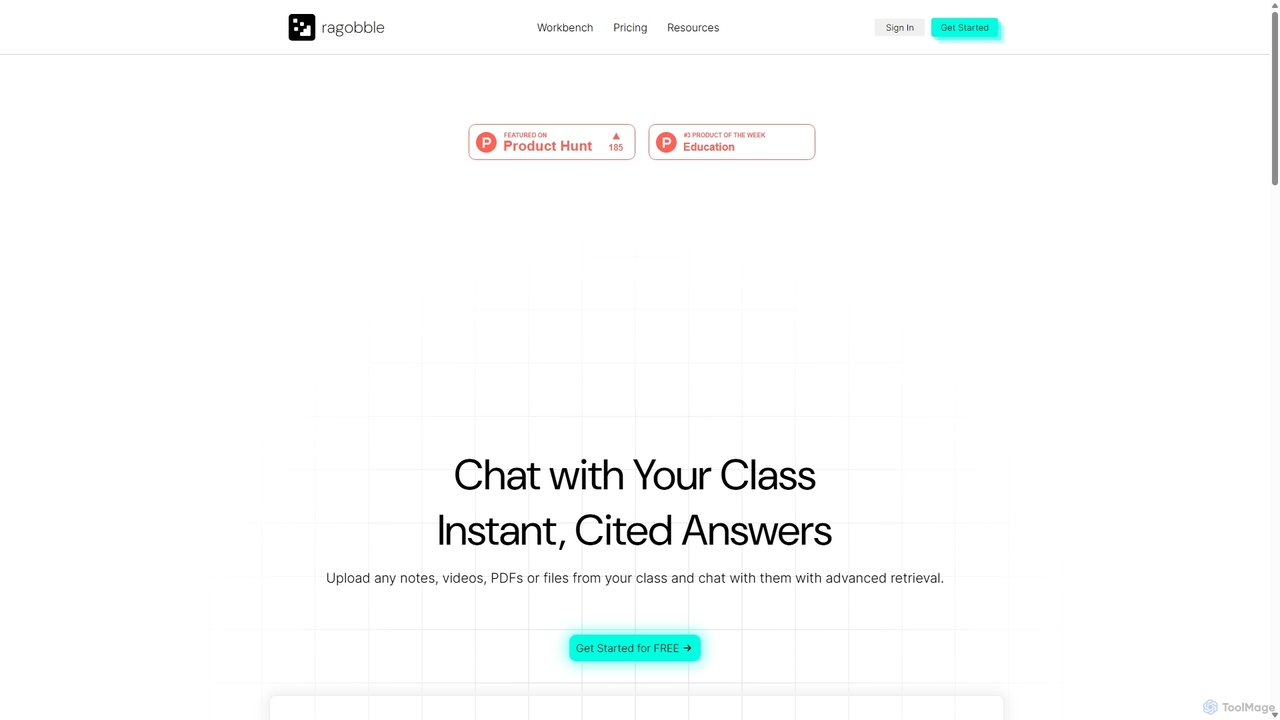
Ragobble is an AI-powered RAG platform designed for students and researchers. It allows users to create centralized knowledge bases from their course materials, including documents, videos, and links. By conversing with their own data, users can get quick, accurate answers, generate summaries, and streamline their study and research process, making learning more interactive and efficient.
Research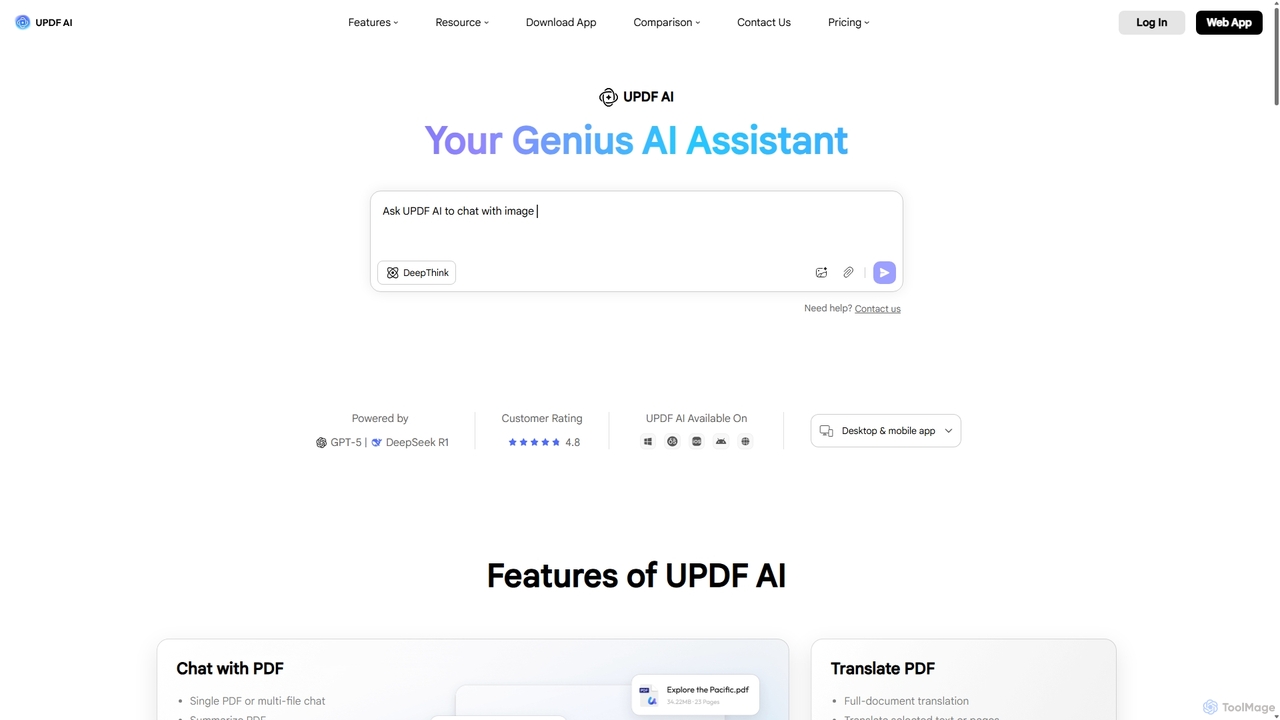
UPDF AI is a powerful AI assistant integrated into the UPDF editor, designed to revolutionize how you interact with PDF documents. It allows you to chat with your PDFs, get instant summaries, translate entire documents or selected text, explain complex data, and even convert dense content into visual mind maps. Available on Windows, macOS, iOS, Android, and the web, it streamlines workflows for students, researchers, and professionals by making document comprehension and analysis faster and more efficient.
Research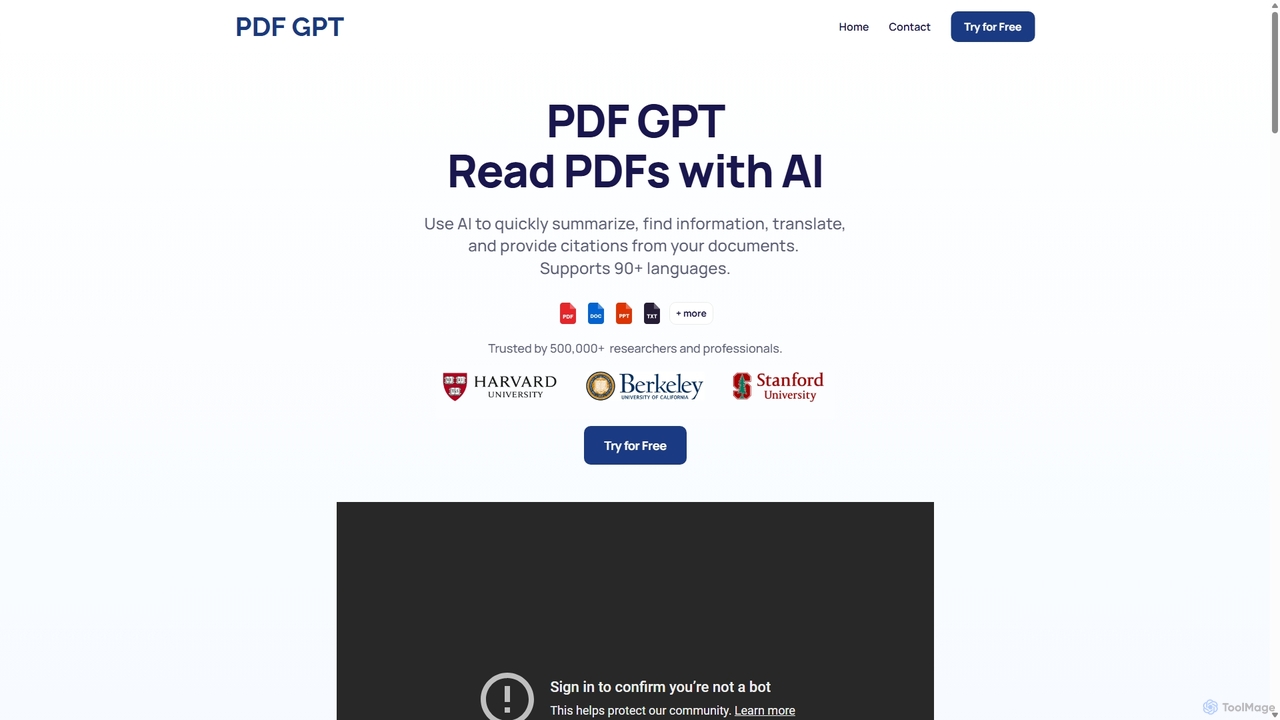
PDF GPT is an AI-powered tool that lets you chat with your PDF documents. Instantly summarize long reports, find specific information, get answers with citations, and search across multiple files. It supports over 90 languages, making it ideal for researchers, students, and professionals to enhance productivity and document comprehension.
Data Management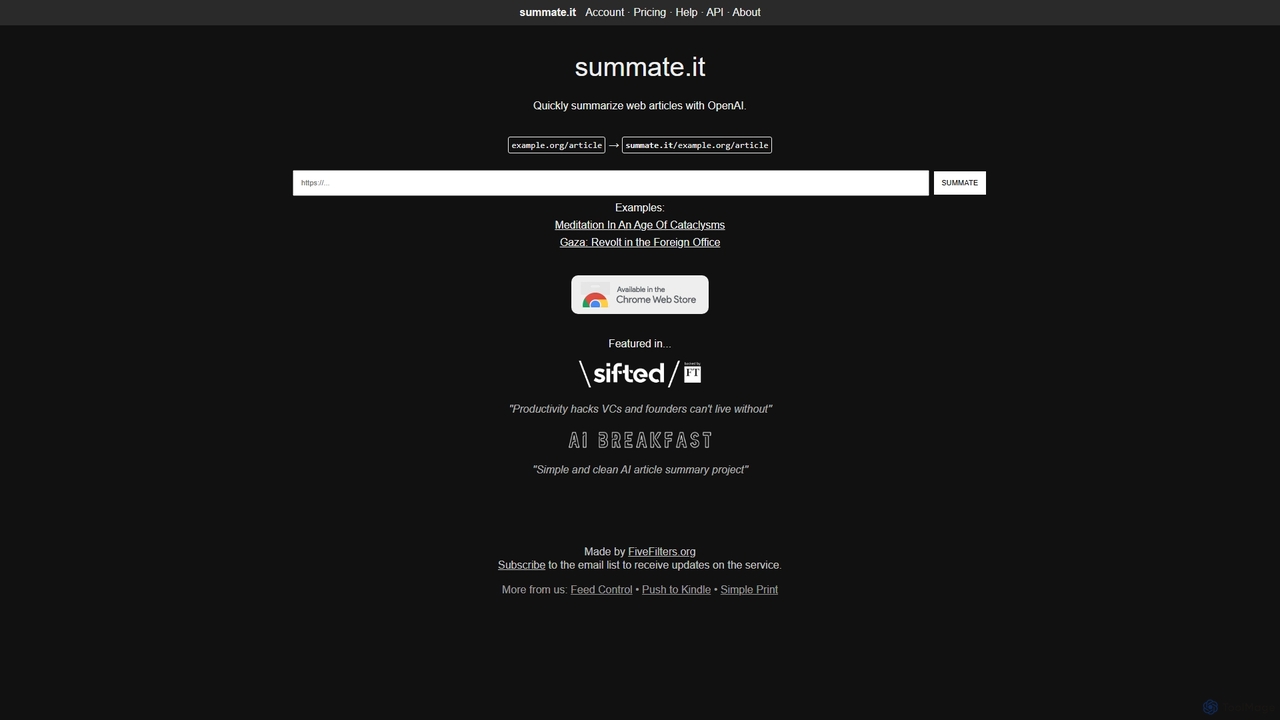
Summate.it is an AI-powered tool that quickly summarizes web articles. Simply provide a URL, and it uses OpenAI to generate concise, easy-to-understand summaries, helping you absorb key information in a fraction of the time. It also offers a Chrome extension, API access, and summary translation.
Research
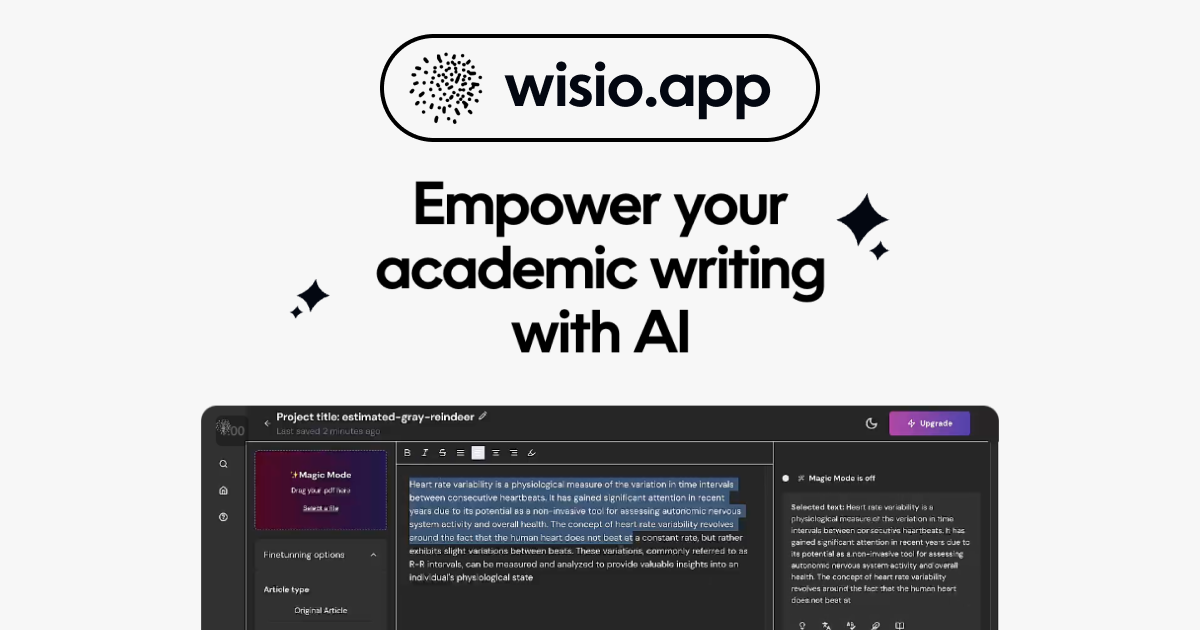
AcademicGPT is an AI-powered assistant designed for researchers, students, and academics. It streamlines the academic writing process by helping to write paper sections like abstracts, providing constructive feedback on manuscripts, and explaining complex concepts from research papers. Simply upload your document to enhance your writing and research efficiency.
Research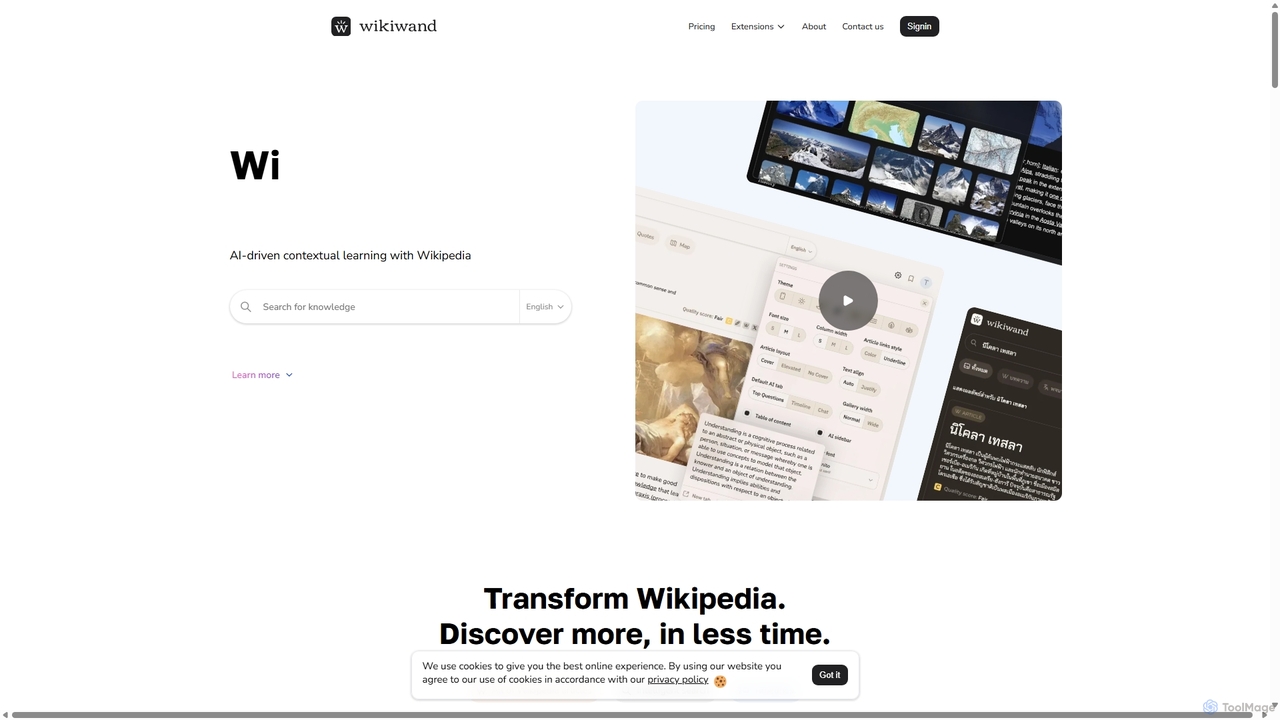
Wikiwand is an AI-powered platform that modernizes the Wikipedia reading experience. It offers a sleek, user-friendly interface and integrates AI tools like article summaries, interactive timelines, and a contextual chat assistant to help users discover and understand information faster. By combining Wikipedia's vast knowledge with advanced design and AI features, Wikiwand streamlines research and learning, making knowledge consumption more efficient and enjoyable.
Research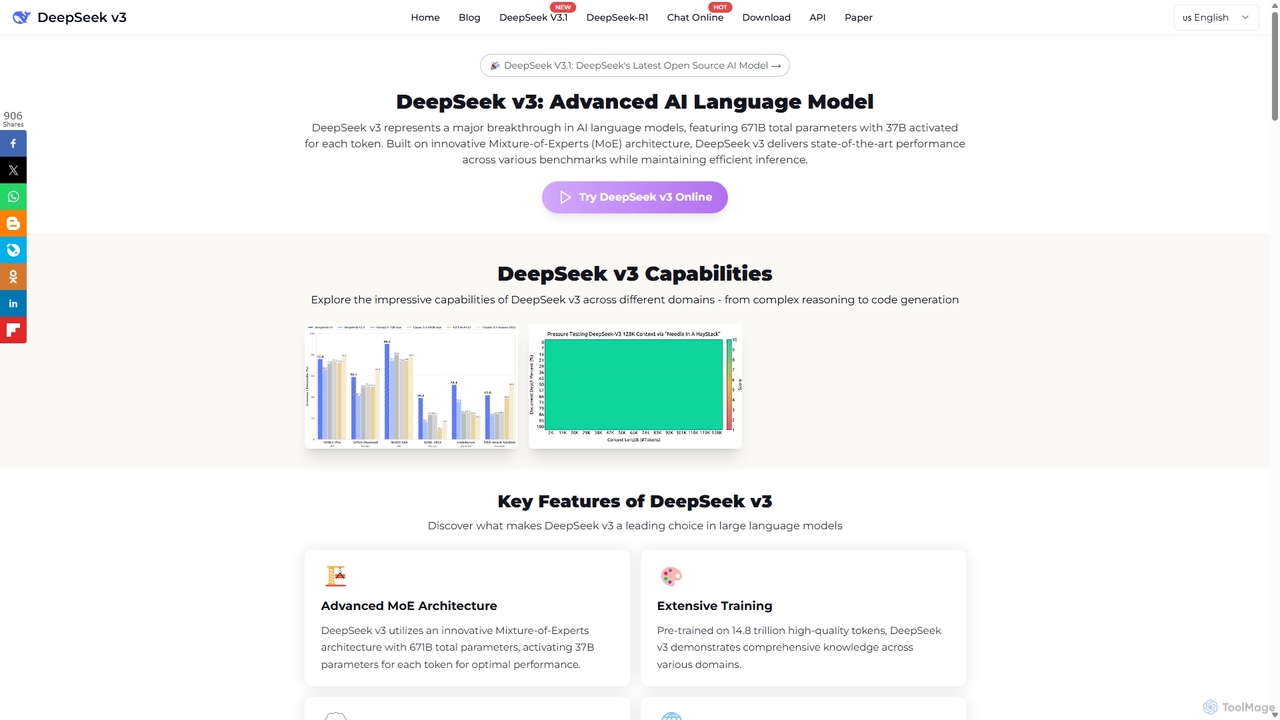
DeepSeek V3 is a state-of-the-art, open-source large language model developed by DeepSeek AI. It excels in complex reasoning, coding, and multilingual tasks, featuring a massive 671B parameter Mixture-of-Experts architecture and a 128K context window. It offers high performance and efficiency, rivaling top proprietary models while being commercially usable under the MIT license.
Code Assistant
Philonet.ai (formerly philoquent.ai) is a conversational social network that connects users based on intellectual compatibility. It transforms passive content consumption into active, collaborative discussions by allowing users to share thoughts on any web content and join real-time conversations with like-minded individuals.
ResearchResearch AI tools are a category of AI-powered applications designed to assist and automate various stages of the research process. These tools leverage advanced algorithms like natural language processing and machine learning to streamline tasks such as literature review, data analysis, and content synthesis. They play a crucial role within the broader education and academic sectors, enabling researchers, students, and professionals to accelerate discovery, enhance accuracy, and generate deeper insights from vast amounts of information.
Research AI tools are indispensable for academics conducting scholarly studies, market analysts identifying consumer trends, scientists accelerating experimental data interpretation, and students preparing theses or dissertations. They are also vital for policy analysts synthesizing complex reports to inform evidence-based decision-making.
When selecting a Research AI tool, consider its data handling capabilities, ensuring it supports your specific data types and volumes. Evaluate its integration with existing research platforms and reference managers. Assess the accuracy and transparency of its AI models, especially for critical analysis. Finally, factor in the user interface, ethical considerations like data privacy, and the level of customization offered to meet unique research needs.
Academic researchers often spend countless hours sifting through vast amounts of scholarly articles. Research AI tools can automate this process by quickly scanning, summarizing, and extracting key findings, methodologies, and citations from hundreds of papers. This allows researchers to identify relevant literature, pinpoint knowledge gaps, and synthesize information much faster, significantly reducing the time spent on initial literature review phases and enabling them to focus on deeper analysis and experimentation.
Market analysts need to constantly monitor consumer behavior, industry reports, and social media trends to identify emerging opportunities or threats. Research AI tools can ingest and process massive volumes of unstructured data from various sources, identifying subtle patterns, sentiment shifts, and nascent trends that human analysts might miss. This enables businesses to make data-driven decisions, refine product strategies, and stay ahead of the competition by understanding market dynamics in real-time.
Scientists often work with complex, high-dimensional datasets generated from experiments, simulations, or observations. Research AI tools can assist in the interpretation of this data by performing advanced statistical analysis, identifying correlations, anomalies, and hidden patterns. They can generate insightful visualizations and even suggest potential hypotheses based on the data, significantly accelerating the discovery process in fields like biology, chemistry, and physics, allowing researchers to move from raw data to actionable insights more efficiently.
Securing funding for research often depends on well-structured and compelling proposals. Research AI tools can assist academics and grant writers in drafting these critical documents by providing templates, suggesting relevant literature, and refining the language for clarity, conciseness, and impact. They can help ensure all required sections are covered, improve the logical flow of arguments, and even check for consistency in terminology, increasing the likelihood of successful grant applications and project approvals.
Students, from undergraduates to doctoral candidates, can leverage Research AI tools to improve their academic writing. These tools can assist with topic exploration, outlining, structuring arguments, and even checking for grammatical errors and stylistic inconsistencies. By providing intelligent feedback and suggestions, AI helps students refine their research papers, essays, and theses, ensuring clarity, coherence, and adherence to academic standards, ultimately leading to higher quality submissions and better learning outcomes.
Policy analysts are tasked with synthesizing vast amounts of government reports, public data, and expert opinions to formulate effective policies. Research AI tools can significantly aid this process by rapidly analyzing complex policy documents, identifying inconsistencies, gaps in existing regulations, and potential impacts of proposed changes. They can also generate data-driven recommendations, helping analysts to build stronger cases for policy adjustments and contribute to more informed, evidence-based governance.
AI Research Tools are software applications that use artificial intelligence, such as natural language processing and machine learning, to automate and enhance various aspects of the research process. They are designed to assist researchers, students, and professionals in tasks like literature review, data analysis, hypothesis generation, and academic writing. These tools aim to improve efficiency, accuracy, and the depth of insights derived from research, making complex information more manageable and accessible.
AI Research Tools primarily differ from traditional methods in their ability to automate and scale tasks. While traditional research relies heavily on manual effort for data collection, analysis, and synthesis, AI tools can process vast datasets, identify patterns, and generate summaries at speeds and scales impossible for humans. This automation leads to significant time savings, increased accuracy in data processing, and the potential to uncover insights from complex data that might otherwise be overlooked, thereby augmenting human research capabilities rather than replacing them.
The key benefits of using AI in research include significantly increased efficiency, enhanced accuracy, and the ability to derive deeper insights. AI tools can automate repetitive tasks like data extraction and summarization, freeing up researchers' time. They reduce human error in data processing and analysis, leading to more reliable results. Furthermore, AI can identify complex patterns and correlations in large datasets that might be invisible to human observation, fostering new discoveries and more comprehensive understanding across various scientific and academic disciplines.
When choosing an AI Research Tool, several factors are crucial. First, assess its compatibility with your specific research needs, including the types of data you work with and the scale of your projects. Second, evaluate the accuracy and transparency of its AI models, especially for critical analysis. Third, consider its integration capabilities with existing research platforms, reference managers, and data analysis software. Fourth, prioritize data security and privacy features, ensuring compliance with ethical guidelines. Finally, a user-friendly interface and responsive customer support are important for a smooth research workflow.
Yes, AI Research Tools are highly effective in assisting with data analysis and interpretation. They can process large, complex datasets, identify hidden patterns, correlations, and anomalies that might be missed by manual review. Many tools offer advanced statistical analysis capabilities, generate insightful visualizations, and can even help formulate hypotheses based on the data. This significantly speeds up the process of extracting meaningful insights, allowing researchers to focus on the implications of their findings rather than the mechanics of data crunching.