Business Best in category 8 results Document Analysis AI Tool

Popular AI tools in the Document Analysis field of Business include Yuanbao、AnythingLLM、Albus、anysummary、moyonote、ContextFort、didocs.ai、Upsum, etc., helping you quickly improve efficiency.

Upsum

Upsum

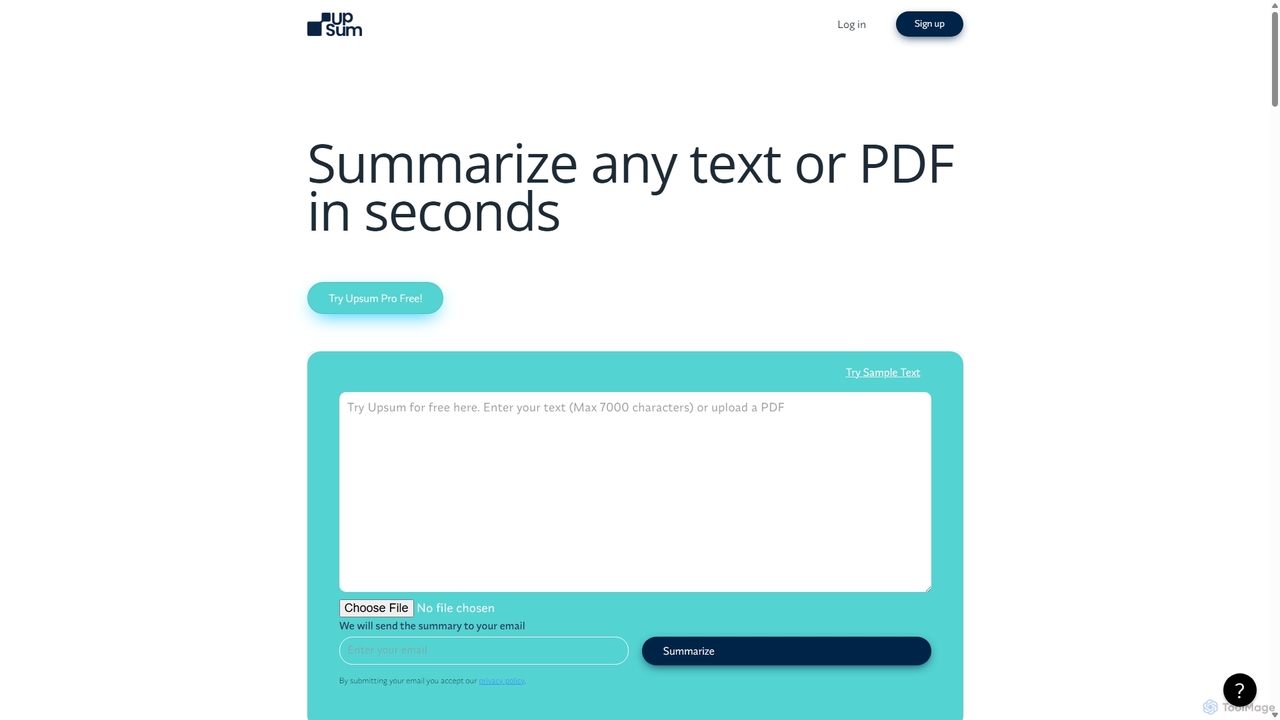
Upsum is an AI-powered tool that summarizes any text or PDF in seconds. It features an interactive 'Chat …

2.6K
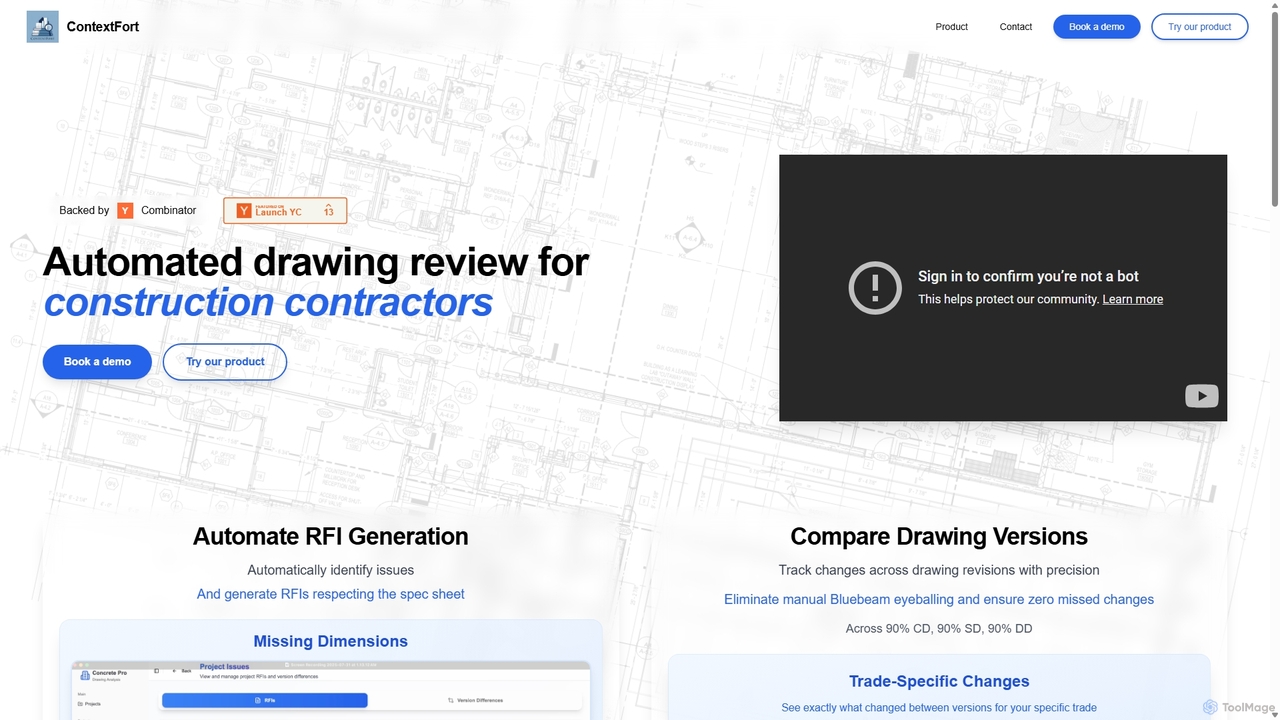
ContextFort

ContextFort

ContextFort is an AI-powered platform for construction contractors that automates the review of architectural and structural drawings. It …

3.1K
AnythingLLM

AnythingLLM

AnythingLLM is an open-source, all-in-one AI application that allows you to chat with any document, use AI agents, …

728.2K
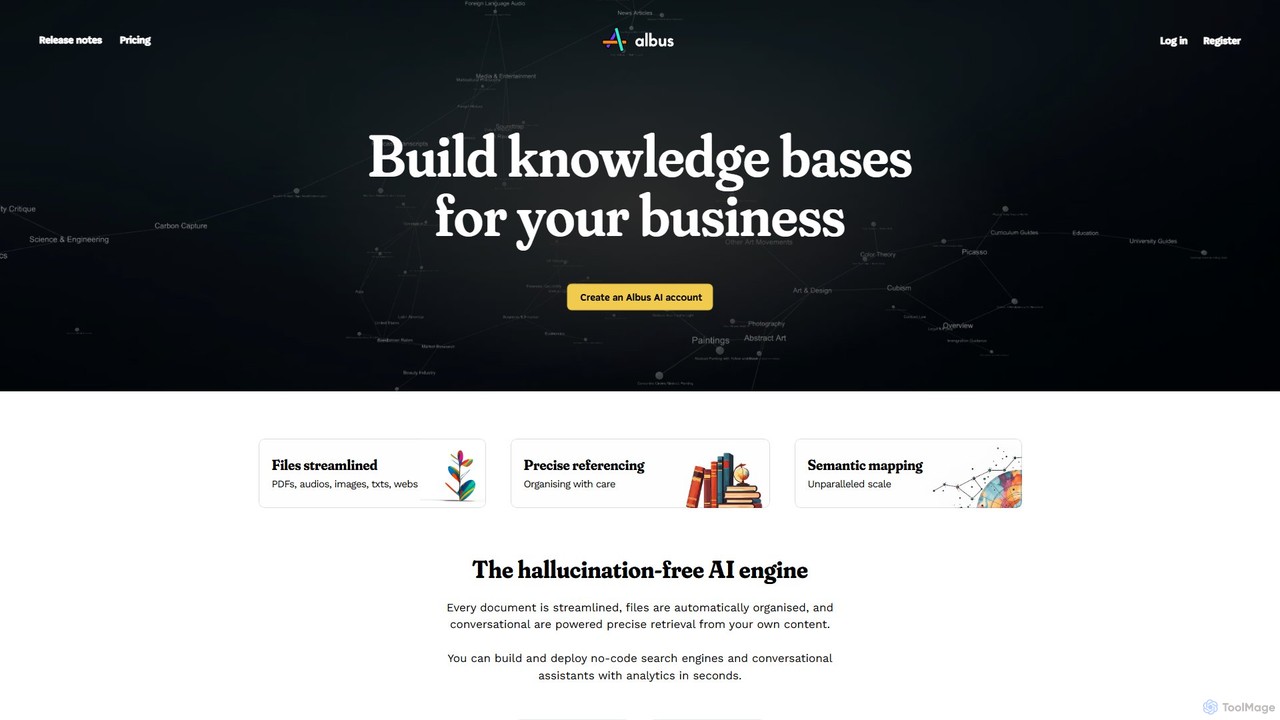
Albus

Albus

Albus is an AI-powered cloud workspace that transforms your files into an intelligent, conversational knowledge base. It automatically …

12.8K
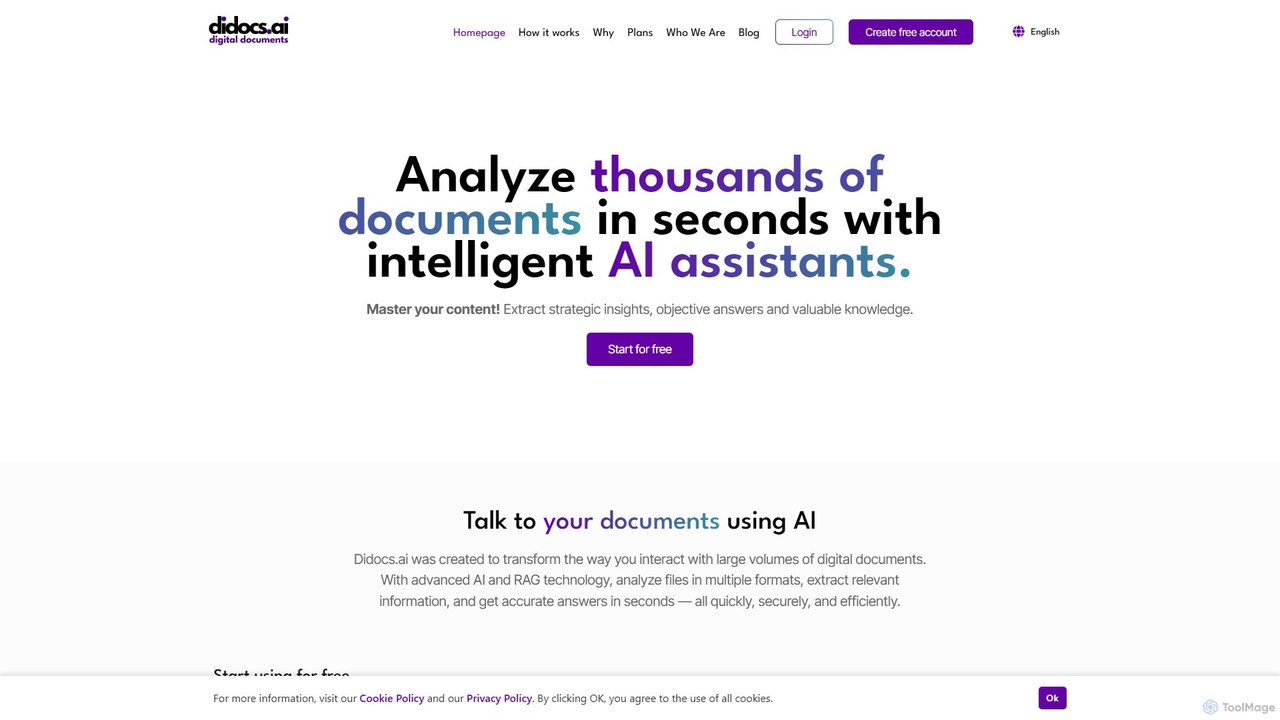
didocs.ai

didocs.ai

didocs.ai is an AI-powered platform that analyzes large volumes of digital documents, extracting relevant information and generating actionable …

2.7K
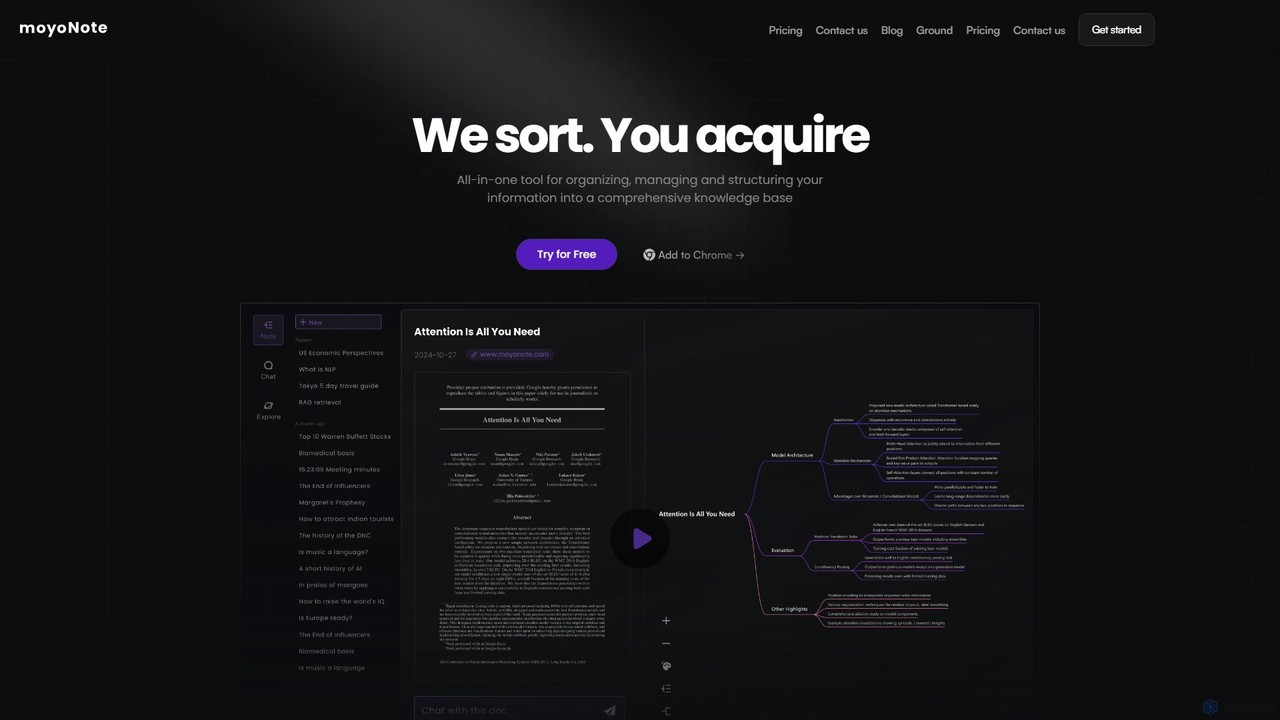
moyonote

moyonote

moyonote is an AI-powered tool that automatically transforms documents, text, and various files into structured, interactive mind maps. …

4.3K
Yuanbao

Yuanbao

Yuanbao is a powerful AI assistant from Tencent, built on the Hunyuan Large Language Model. It's designed to …

17.3M
anysummary

anysummary

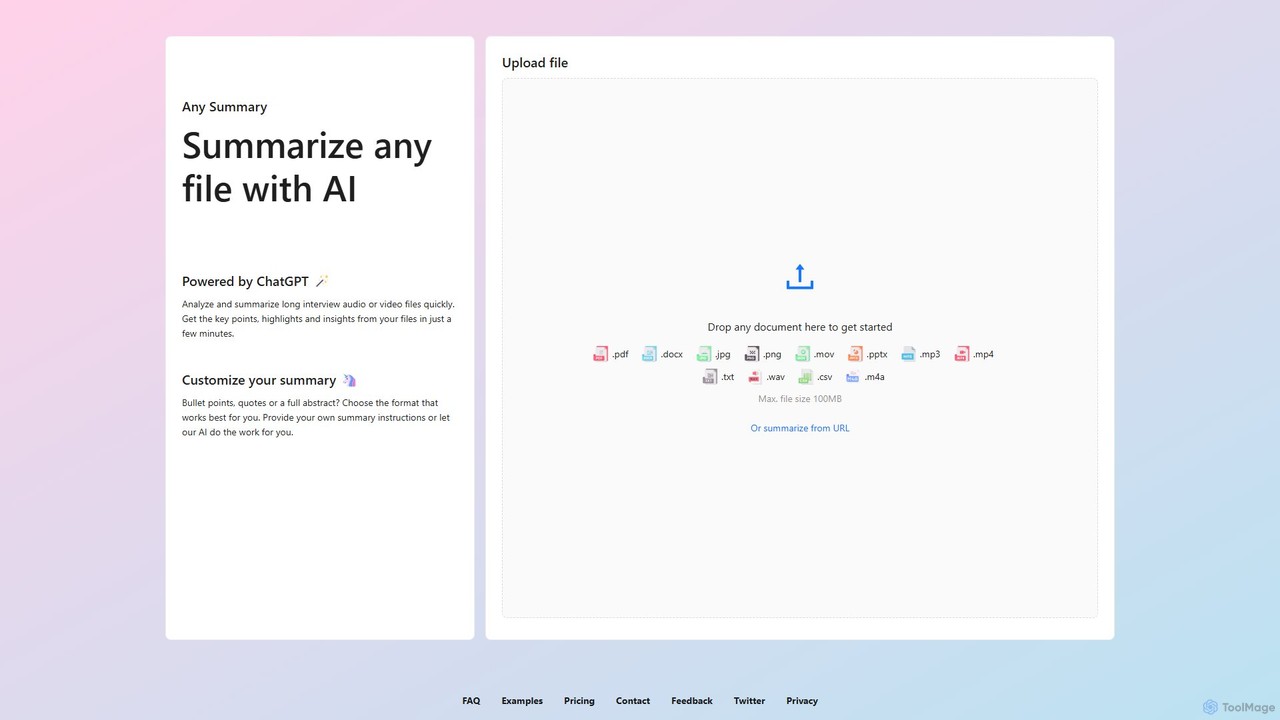
An AI-powered tool that summarizes any file or URL. Upload documents, audio, video, or images, and get concise …

7.7K

About Document Analysis

Document Analysis tools are AI-powered solutions designed to automatically extract, interpret, and organize information from various document types. Leveraging advanced natural language processing (NLP), optical character recognition (OCR), and machine learning, these tools transform unstructured and semi-structured data into actionable insights. They significantly enhance efficiency in data management, compliance, and decision-making across diverse business operations.

Core Features

  • Intelligent Data Extraction: Automatically identifies and extracts specific entities, fields, and values from documents like invoices, contracts, or reports.
  • Document Classification: Categorizes documents based on their content, type, or specific criteria, streamlining organization and retrieval.
  • Content Summarization: Generates concise summaries of lengthy documents, highlighting key information and main points.
  • Sentiment Analysis: Analyzes text within documents to determine the emotional tone or sentiment expressed, useful for feedback or reviews.
  • Anomaly Detection: Identifies unusual patterns, discrepancies, or potential errors within document data, aiding in fraud detection or compliance.

Applicable Scenarios

These tools are invaluable for industries dealing with high volumes of textual data. Legal professionals use them for contract review, identifying clauses and risks. Financial institutions apply them to analyze reports and detect anomalies. Research teams leverage them to synthesize information from academic papers and patents.

How to Choose

When selecting a Document Analysis tool, consider its accuracy in data extraction and interpretation, especially for your specific document types. Evaluate its scalability to handle your data volume, integration capabilities with existing systems, and robust security features for sensitive information. Also, assess its customizability to adapt to unique business rules and reporting needs.

Document AnalysisUse Cases

1

Automate Legal Contract Review

Legal professionals and paralegals can use document analysis tools to quickly review large volumes of contracts. The tools automatically identify key clauses, obligations, liabilities, and potential risks, flagging discrepancies or non-standard language. This significantly reduces the manual effort and time required for due diligence, compliance checks, and contract management, ensuring greater accuracy and consistency across legal documents.

2

Extract Data from Financial Reports

Financial analysts and accountants can leverage document analysis tools to extract specific data points from quarterly reports, annual statements, and audit documents. This includes revenue figures, expense categories, balance sheet items, and key performance indicators (KPIs). The automation eliminates manual data entry errors and accelerates the process of financial modeling, trend analysis, and regulatory reporting, providing quicker access to critical financial insights.

3

Process Customer Feedback and Reviews

Marketing and customer service teams can use document analysis to process vast amounts of customer feedback, surveys, and online reviews. The tools perform sentiment analysis to gauge customer satisfaction and identify common themes, pain points, or emerging trends. This enables businesses to quickly understand customer needs, prioritize product improvements, and tailor marketing strategies more effectively, leading to enhanced customer experience.

4

Automate Invoice and Receipt Processing

Accounts payable departments and small business owners can significantly streamline their operations by using document analysis tools for invoice and receipt processing. The tools automatically extract vendor names, invoice numbers, dates, line items, and total amounts. This automation reduces manual data entry, minimizes errors, and accelerates reconciliation processes, freeing up staff to focus on more strategic financial tasks and improving cash flow management.

5

Enhance Research and Knowledge Management

Researchers, academics, and knowledge workers can utilize document analysis tools to quickly synthesize information from vast libraries of scientific papers, reports, and internal documents. The tools can summarize key findings, extract relevant data points, and identify connections between different texts. This capability accelerates literature reviews, supports evidence-based decision-making, and improves the overall efficiency of knowledge discovery and management within an organization.

6

Ensure Regulatory Compliance and Auditing

Compliance officers and auditors can deploy document analysis tools to monitor and ensure adherence to regulatory standards across all organizational documents. The tools can scan for specific keywords, clauses, or data patterns that indicate compliance or potential violations. This proactive approach helps in identifying risks, preparing for audits, and maintaining a robust compliance posture, significantly reducing the likelihood of penalties and legal issues.

Document AnalysisFrequently Asked Questions