ToolMage
Sign in

Best 47 Academic Integrity AI tools for Education

Popular Academic Integrity AI tools in Education include ZeroGPT, Turnitin, GPTZero, Duplichecker, Undetectable AI, Copyleaks, Originality.ai, mydetector, Winston AI, and Quetext, helping you work more efficiently.

EduDetector
Freemium

EduDetector

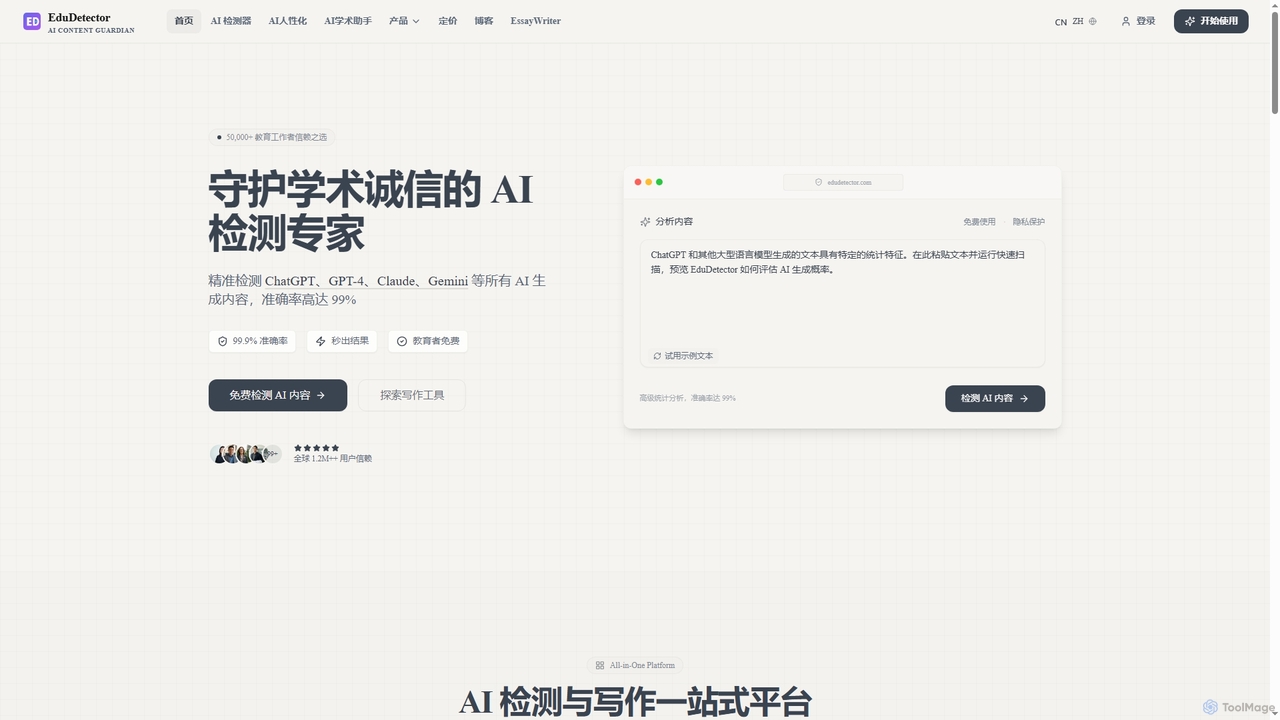
EduDetector is a leading AI detection and writing suite trusted by educators and content creators worldwide. It offers 99%+ accurate AI content detection for models like ChatGPT, GPT-4, and Claude, along with a comprehensive set of tools including citation generation, grammar checking, summarization, paraphrasing, content rewriting, and an AI humanizer. Designed to uphold academic integrity and enhance content authenticity, EduDetector supports a seamless workflow for validating and refining written work.

Text Editing
Visits 5.5KFavorites 38Likes 43
Sapien

Sapien

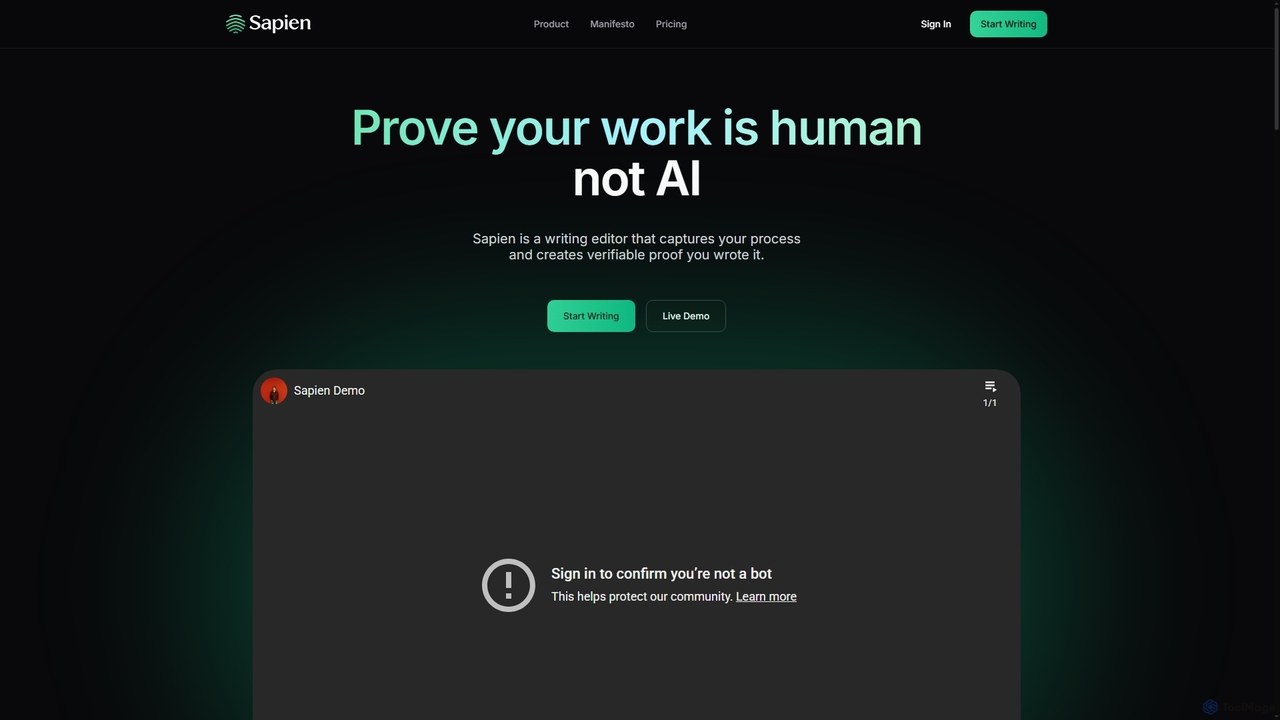
Sapien is an innovative writing editor that captures your unique creative process to generate verifiable proof that your work is genuinely human-authored, not AI-generated. It tracks typing patterns, rhythms, and revisions in real-time, creating an unforgeable cryptographic fingerprint to ensure authenticity and academic integrity.

Authenticity
Visits 5.5KFavorites 73Likes 75
Codedetector
Freemium

Codedetector

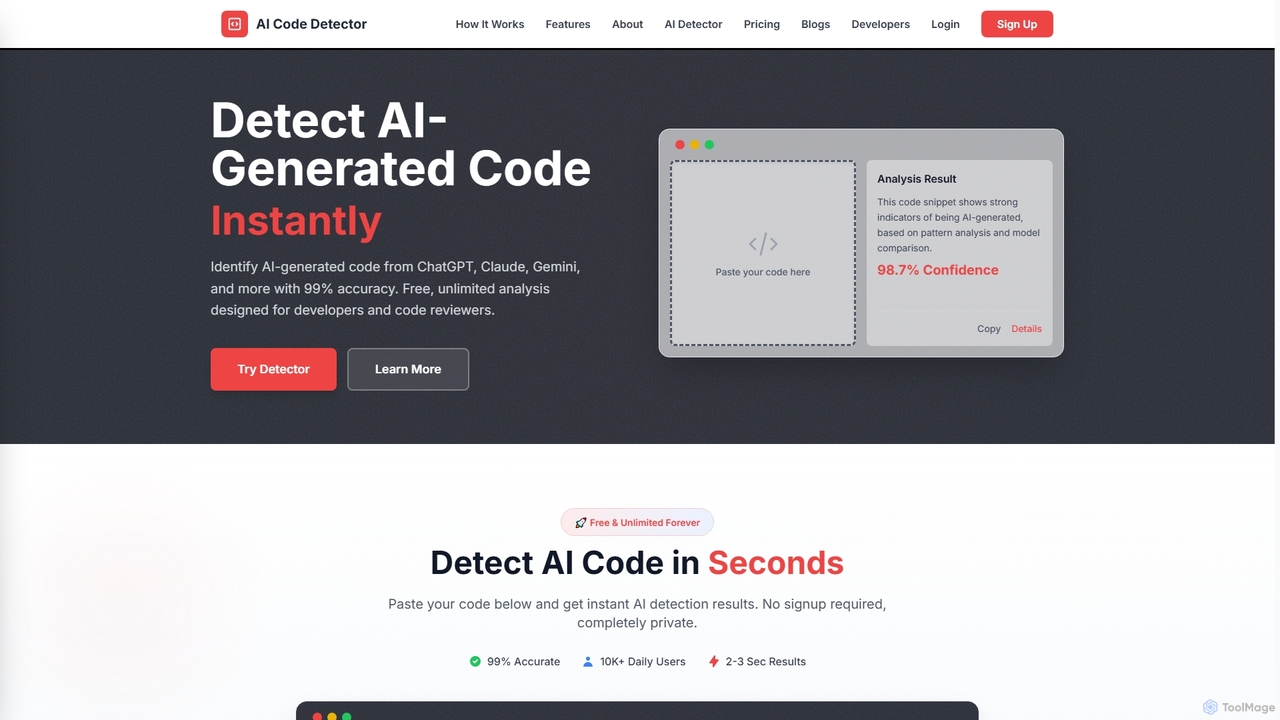
An AI-powered tool designed for developers and code reviewers to detect AI-generated code from models like ChatGPT, Gemini, and Claude with 99% accuracy. It also offers AI text and plagiarism detection. The online tool is free, unlimited, and requires no signup.

Code Analysis
Visits 6KFavorites 83Likes 93
Detext
Freemium

Detext

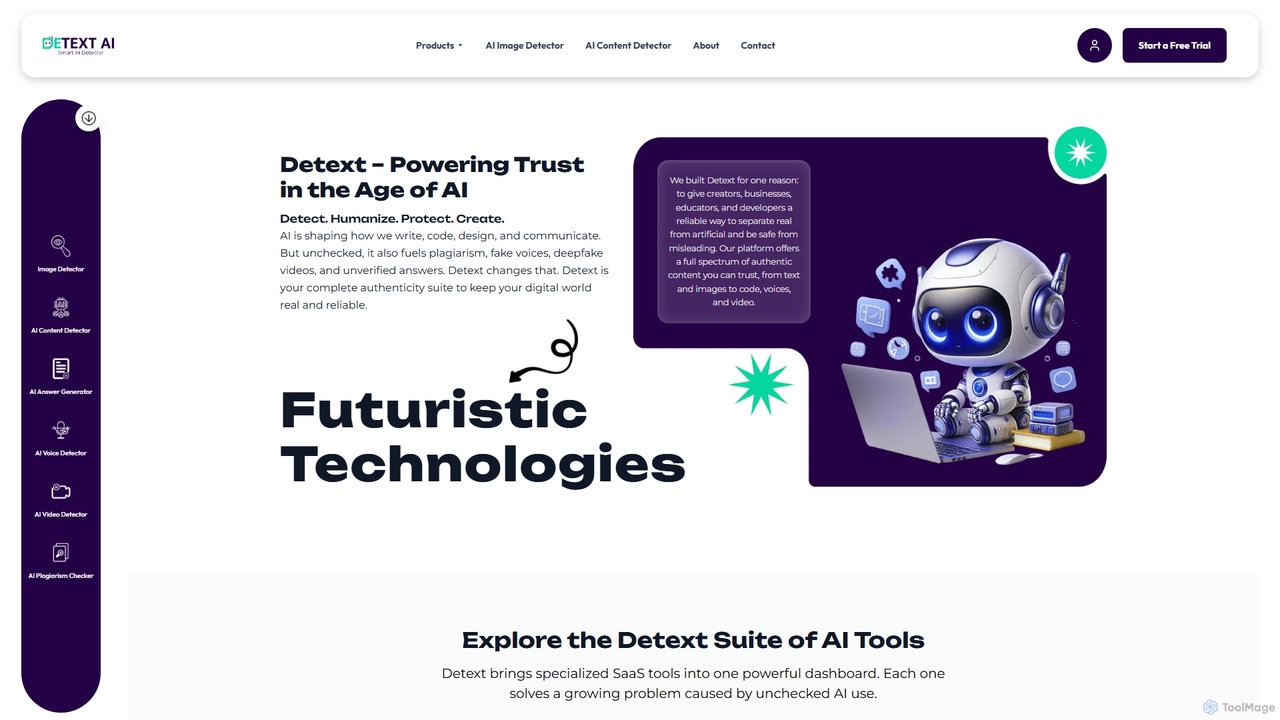
Detext is a comprehensive AI authenticity suite offering advanced tools to detect AI-generated content across text, images, audio, and video. It also provides an AI humanizer and answer generator, empowering users to verify originality, prevent plagiarism, and protect digital integrity in an AI-driven world.

Ai Content Detection
Visits 6.1KFavorites 133Likes 128
Avoid
Freemium

Avoid

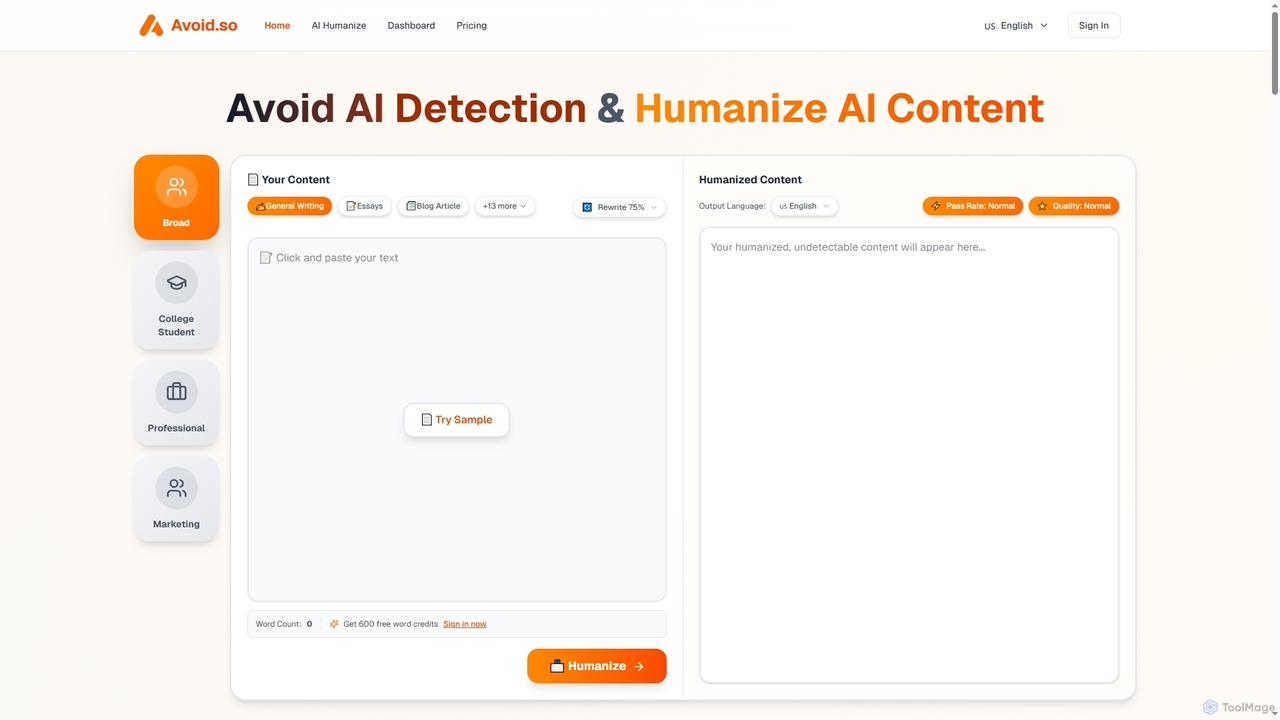
Avoid is an advanced AI humanizer tool that transforms AI-generated content into authentic, human-like writing, bypassing major AI detection systems with a 99.8% success rate. It helps users maintain originality and academic integrity across over 50 languages.

Academic Integrity
Visits 6.9KFavorites 140Likes 142
Aicontentscanner
Free

Aicontentscanner

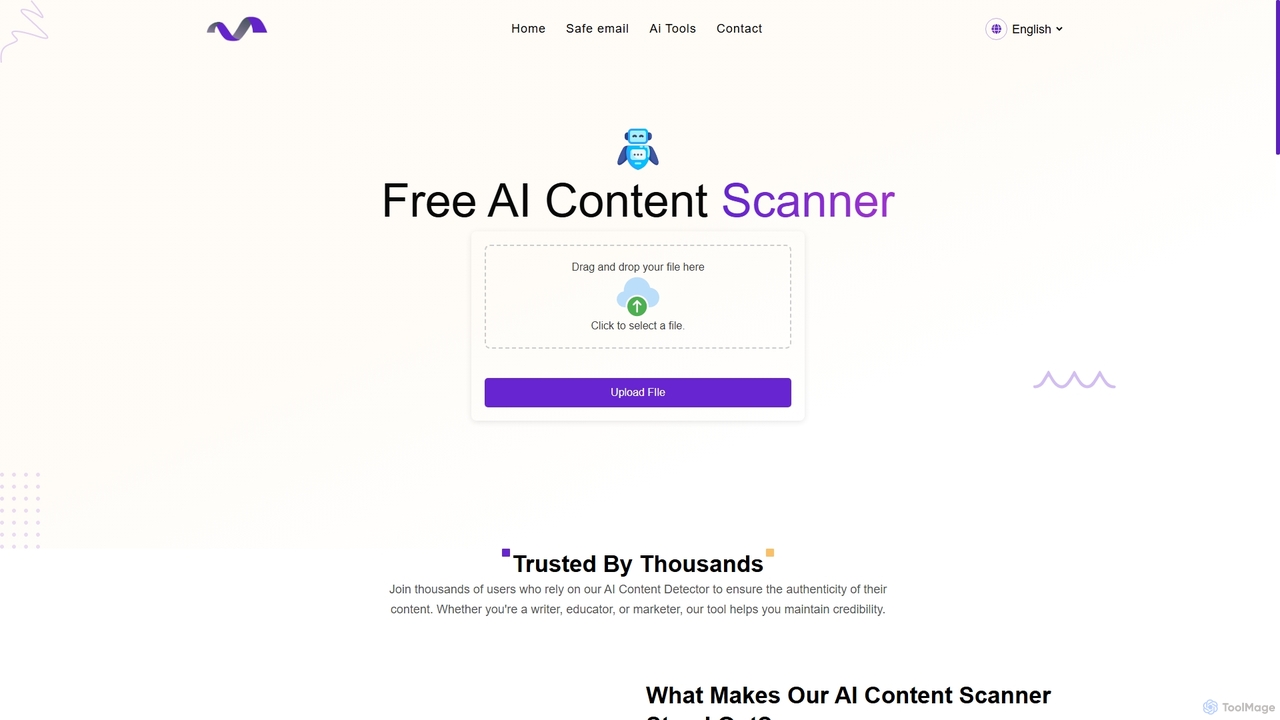
A free and accurate AI content scanner designed to detect AI-generated text. Ideal for educators, content creators, and SEO specialists, it helps maintain content authenticity by quickly identifying text from models like GPT. Supports multiple file formats with a fast, user-friendly interface.

Academic Integrity
Visits 5.4KFavorites 132Likes 141
AI Detector Pro
Freemium

AI Detector Pro

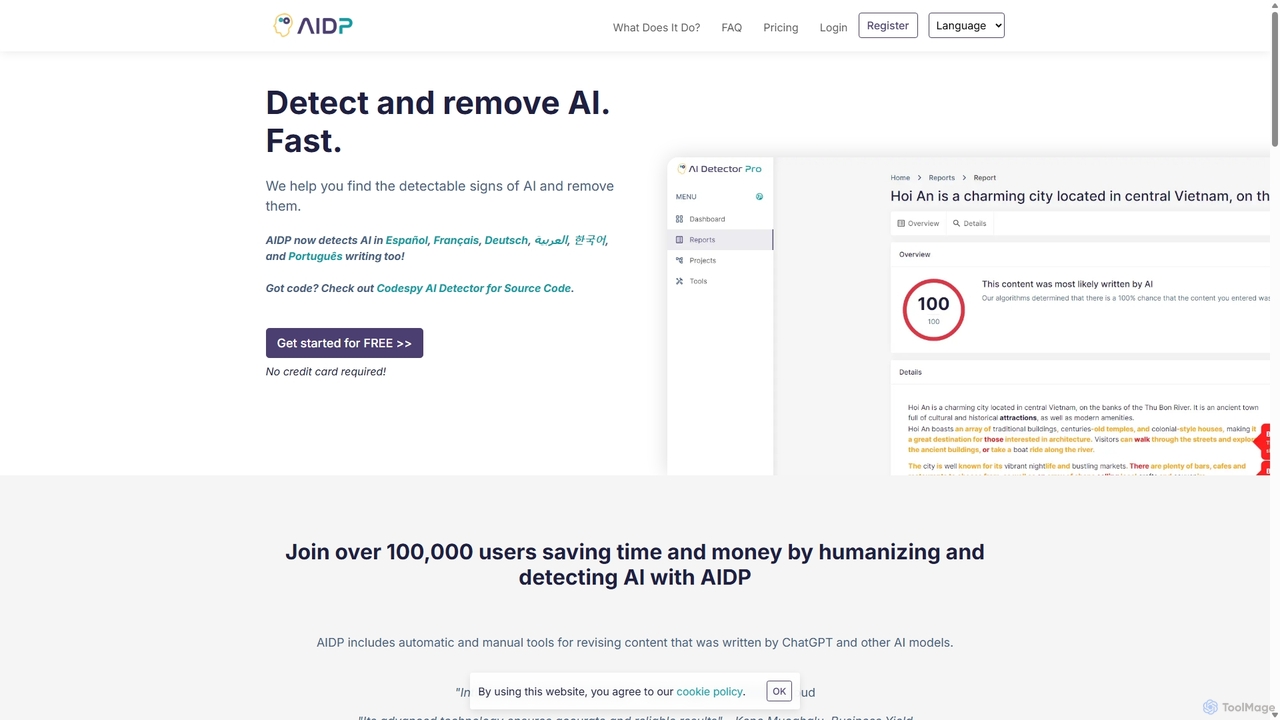
AI Detector Pro is a comprehensive tool designed to detect AI-generated content and humanize it to bypass detection. It offers advanced features like tone analysis, phraseology highlighting, and multilingual support, making it ideal for writers, students, and SEO specialists who need to ensure their content is authentic and undetectable.

Academic Integrity
Visits 75.5KFavorites 118Likes 133
Xdetector
Freemium

Xdetector

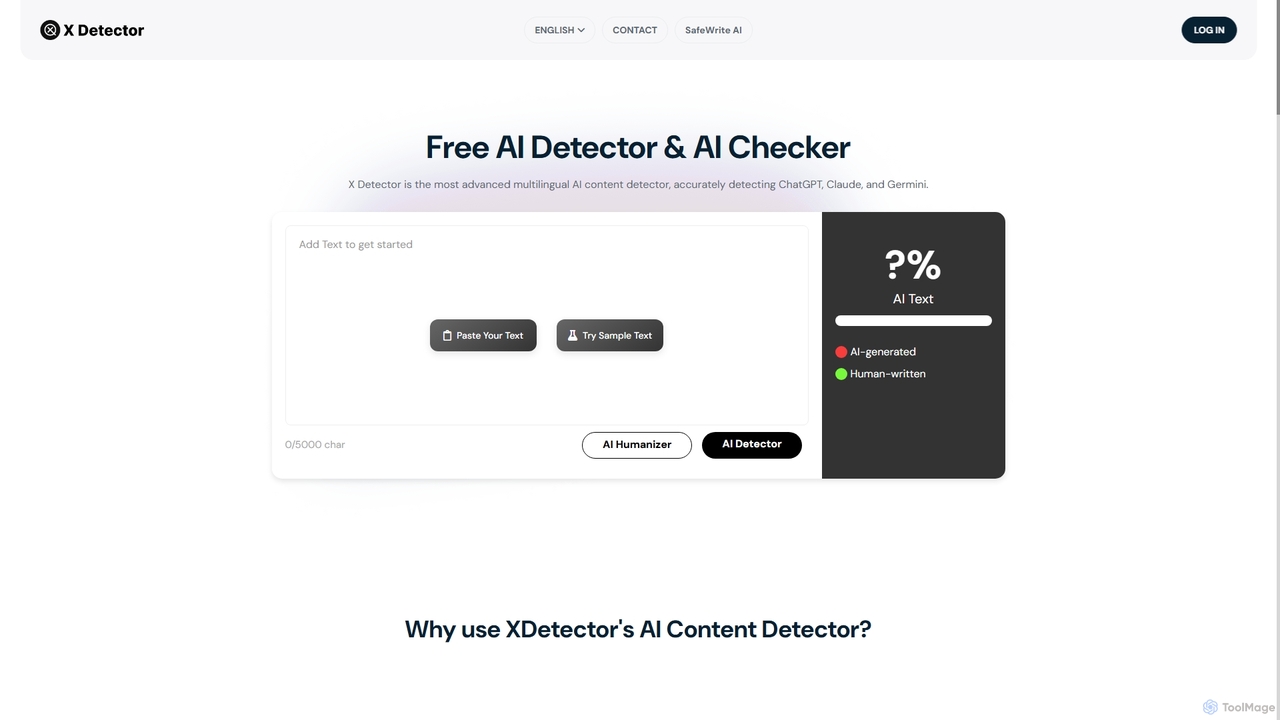
Xdetector is a free, advanced multilingual AI content detector designed to accurately identify text generated by models like ChatGPT, Claude, and Gemini. With over 99% accuracy and support for 20+ languages, it's an essential tool for students, educators, and content creators to ensure academic integrity and content originality.

Academic Integrity
Visits 33.5KFavorites 149Likes 151
Plag
Freemium

Plag

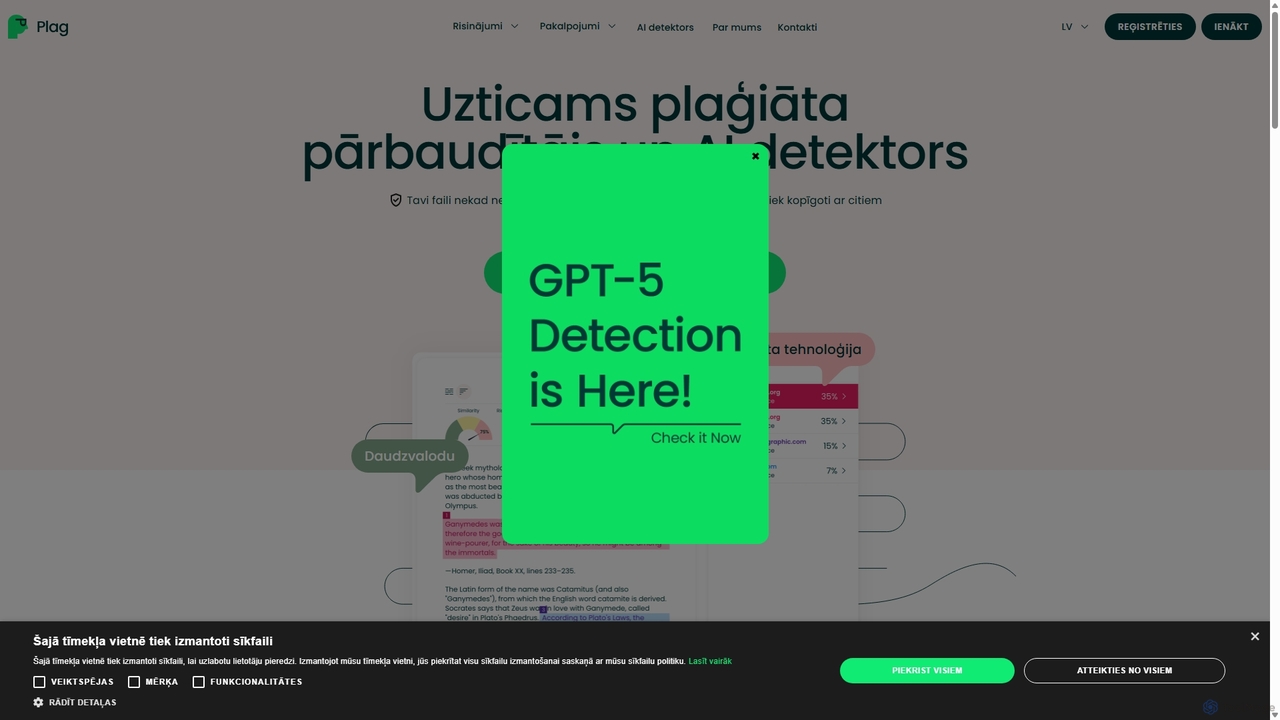
A comprehensive multilingual plagiarism checker and AI content detector for students, educators, and professionals. Plag supports 129 languages, comparing documents against a vast database of web pages, scientific articles, and publications to ensure academic integrity and originality. It provides detailed, color-coded reports and robust privacy protection.

Academic Integrity
Visits 6.4KFavorites 136Likes 125
Hastewire
Freemium

Hastewire

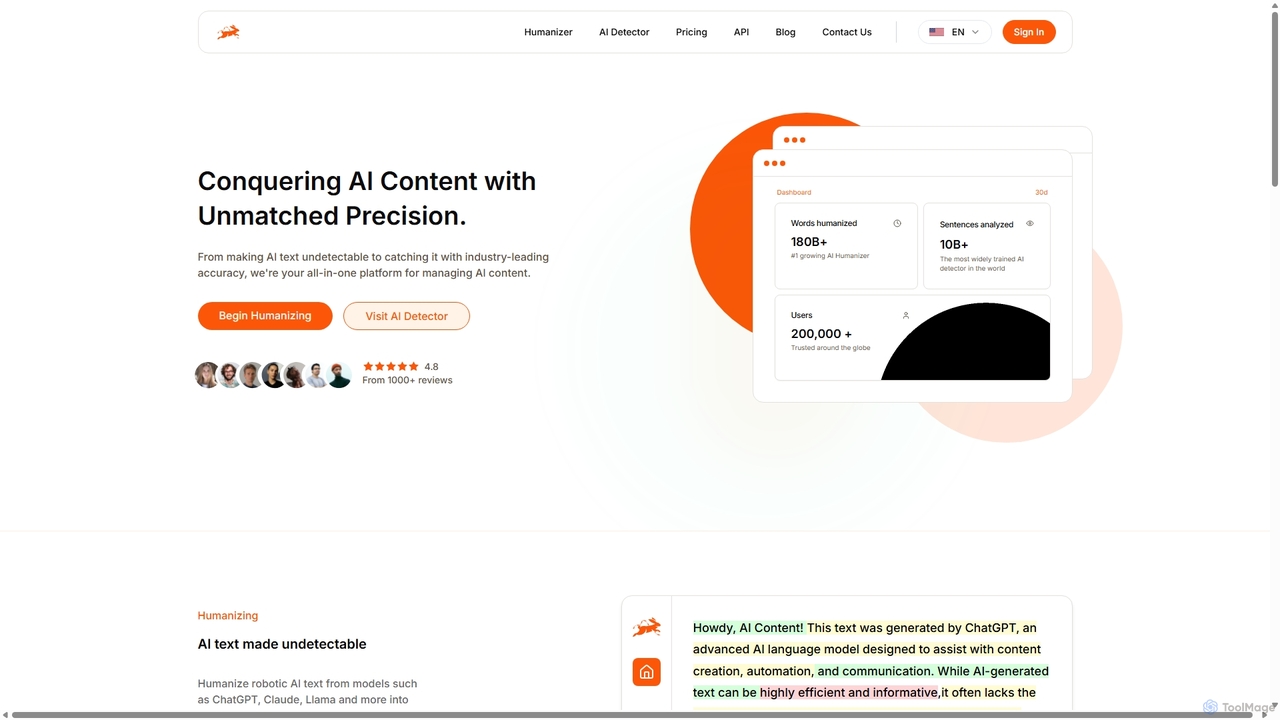
Hastewire is a dual-function AI platform featuring an advanced AI Humanizer and a highly accurate AI Detector. It transforms robotic AI-generated text into natural, undetectable human-like content, perfect for SEO, academic, and professional use. Simultaneously, its detector accurately identifies content from models like GPT-4, Claude, and Llama, ensuring content authenticity.

Academic Integrity
Visits 187.3KFavorites 138Likes 156
ZeroGPT
Freemium

ZeroGPT

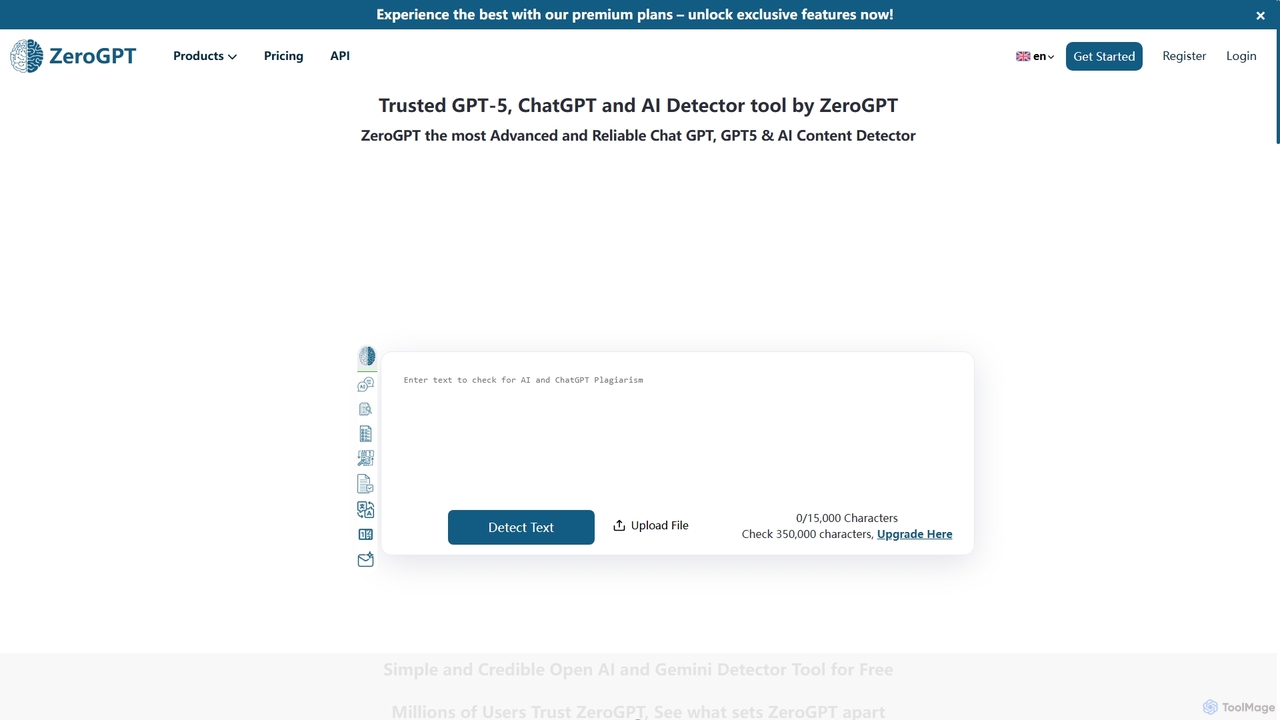
ZeroGPT is an advanced AI content detector and a comprehensive writing toolkit. It accurately identifies text generated by models like ChatGPT, GPT-5, and Gemini. The platform also offers a suite of tools including a plagiarism checker, paraphraser, summarizer, grammar check, and more to enhance writing quality and ensure originality.

Academic Integrity
Visits 26.3MFavorites 109Likes 115
ZeroGPT
Free

ZeroGPT

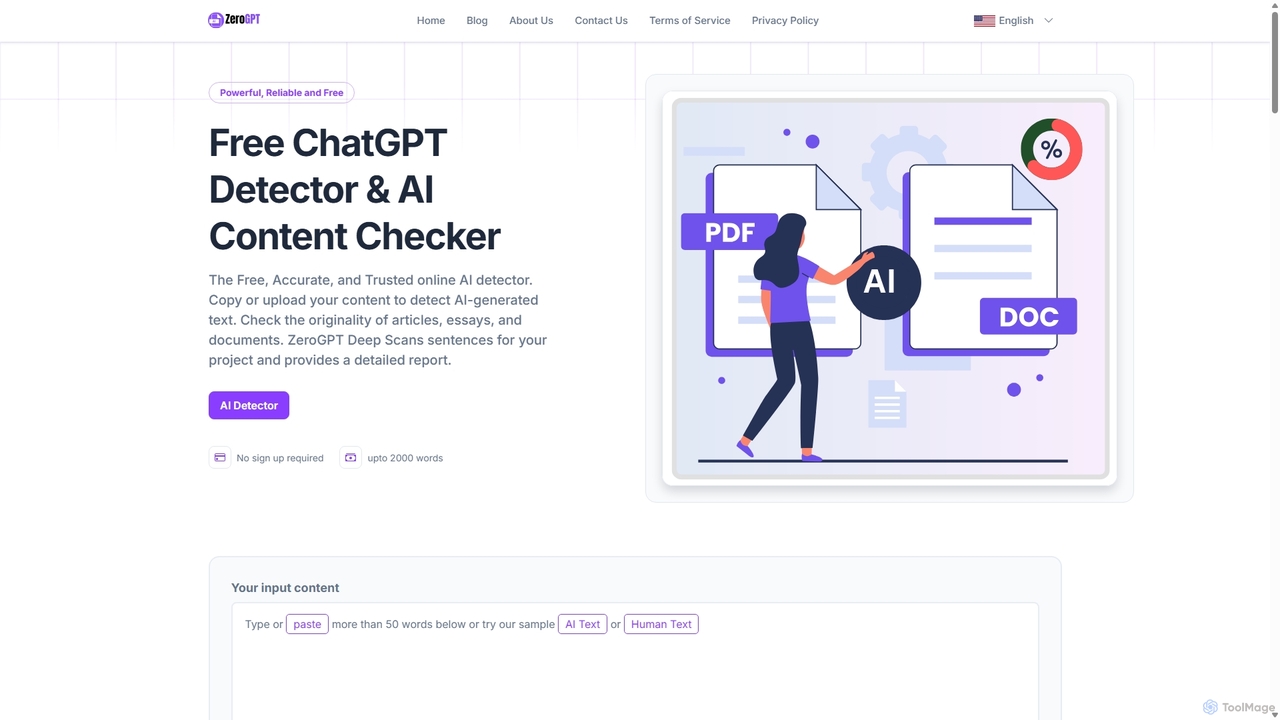
ZeroGPT is a free, powerful, and reliable AI content detector and plagiarism checker. It accurately identifies text generated by models like ChatGPT, GPT-4, Gemini, and Claude without requiring any sign-up. Simply paste or upload your text to receive a detailed analysis with percentage scores and sentence highlighting, ensuring content originality for students, writers, and professionals.

Academic Integrity
Visits 95.3KFavorites 135Likes 118
BladeRunner
Free

BladeRunner

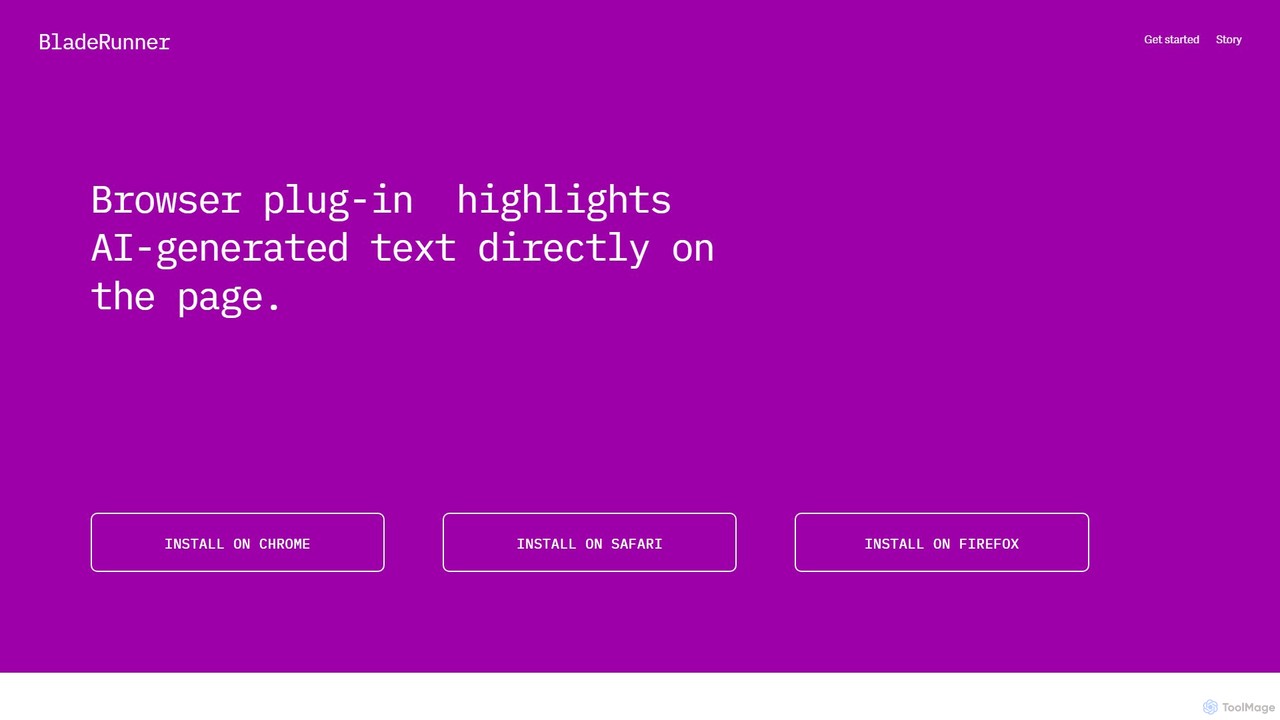
BladeRunner is a free browser extension that detects and highlights AI-generated text directly on any webpage. It helps users identify misinformation, spam, fake reviews, and academic dishonesty by providing a real-time, augmented reality-like analysis of online content. It supports Chrome, with Safari and Firefox versions in development.

Academic Integrity
Visits 5.4KFavorites 162Likes 144
Rephrasy
Freemium

Rephrasy

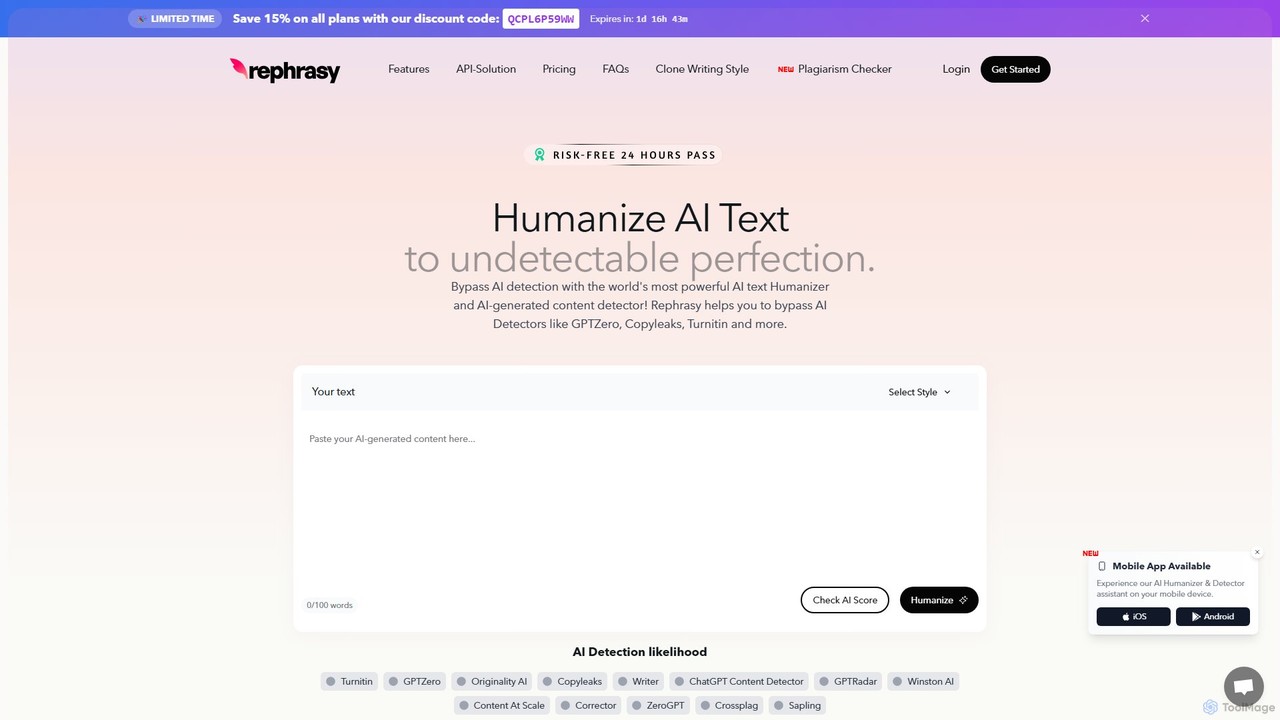
Rephrasy is a powerful AI tool designed to humanize AI-generated text, making it 100% undetectable by leading AI detectors like Turnitin and GPTZero. It features a built-in AI detector, a comprehensive plagiarism checker, and a unique function to clone your personal writing style. Ideal for students, SEO specialists, and content creators, it ensures originality and authenticity in your writing.

Academic Integrity
Visits 175.8KFavorites 124Likes 131
Parafact AI
Paid

Parafact AI

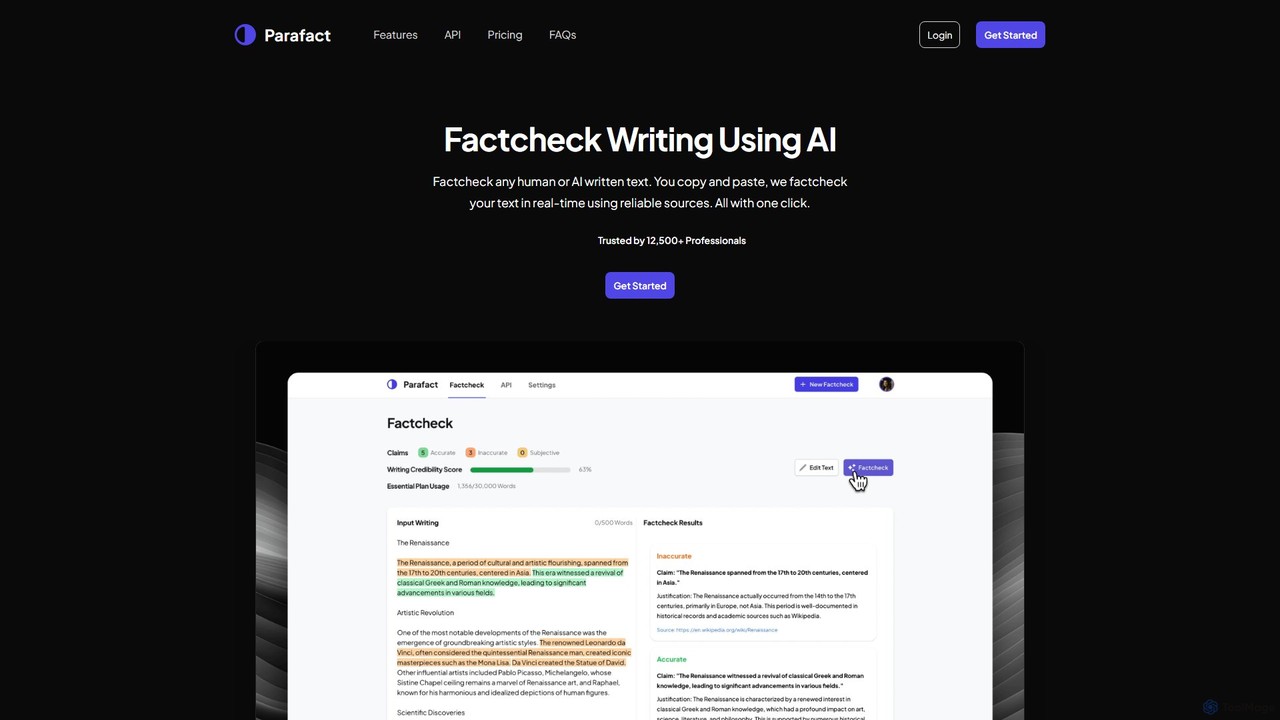
Parafact AI is an advanced AI-powered tool for real-time fact-checking of any written text. By pasting content, users can instantly verify claims against reliable sources, receiving detailed citations for each check. It's ideal for journalists, researchers, content creators, and legal professionals who need to ensure accuracy and credibility in their work. With a developer-friendly API, Parafact AI also offers scalable solutions for integrating fact-checking into other applications, saving hours of manual verification.

Academic Integrity
Visits 5.4KFavorites 166Likes 165
aicheckertool
Freemium

aicheckertool

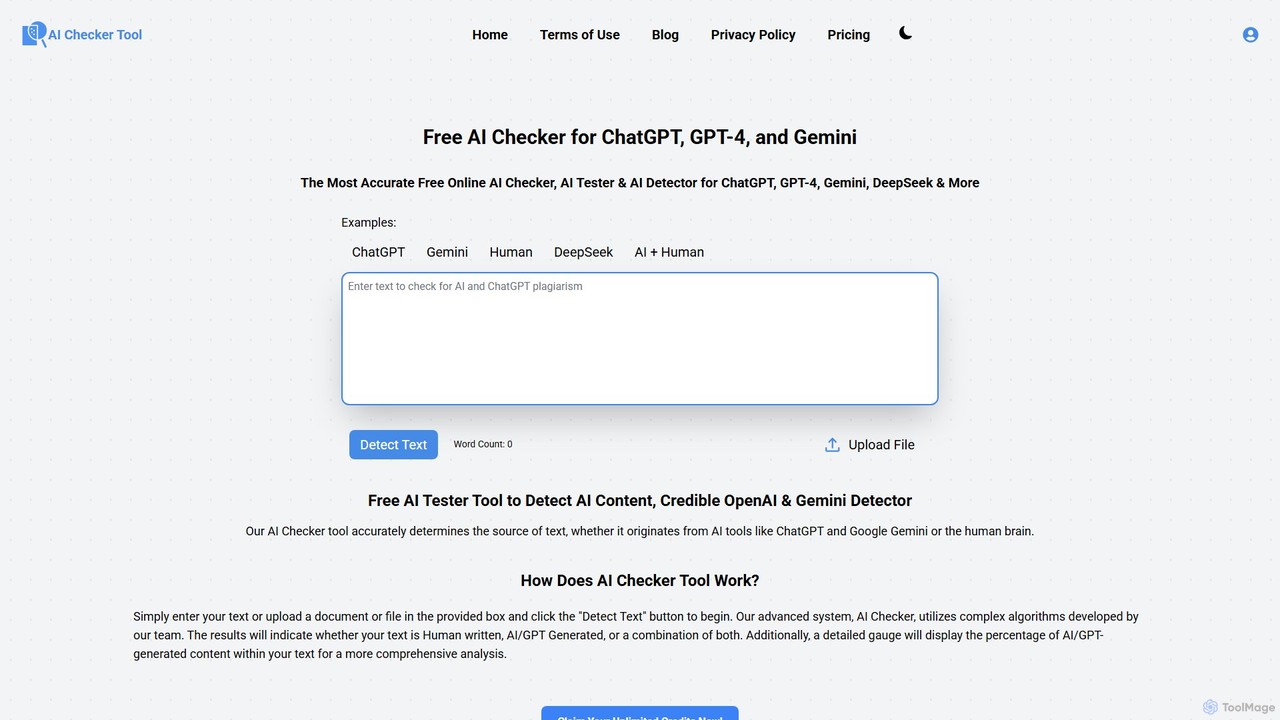
aicheckertool is a highly accurate AI content detector designed to distinguish between human-written text and content generated by AI models like ChatGPT, GPT-4o, Gemini, and DeepSeek. With over 98% accuracy, it serves writers, educators, and marketers by ensuring content authenticity. The tool supports multiple languages, offers a detailed percentage analysis, and includes a plagiarism checker in its affordable premium plan.

Ai Content Detection
Visits 5.4KFavorites 121Likes 119
GPTKit
Freemium

GPTKit

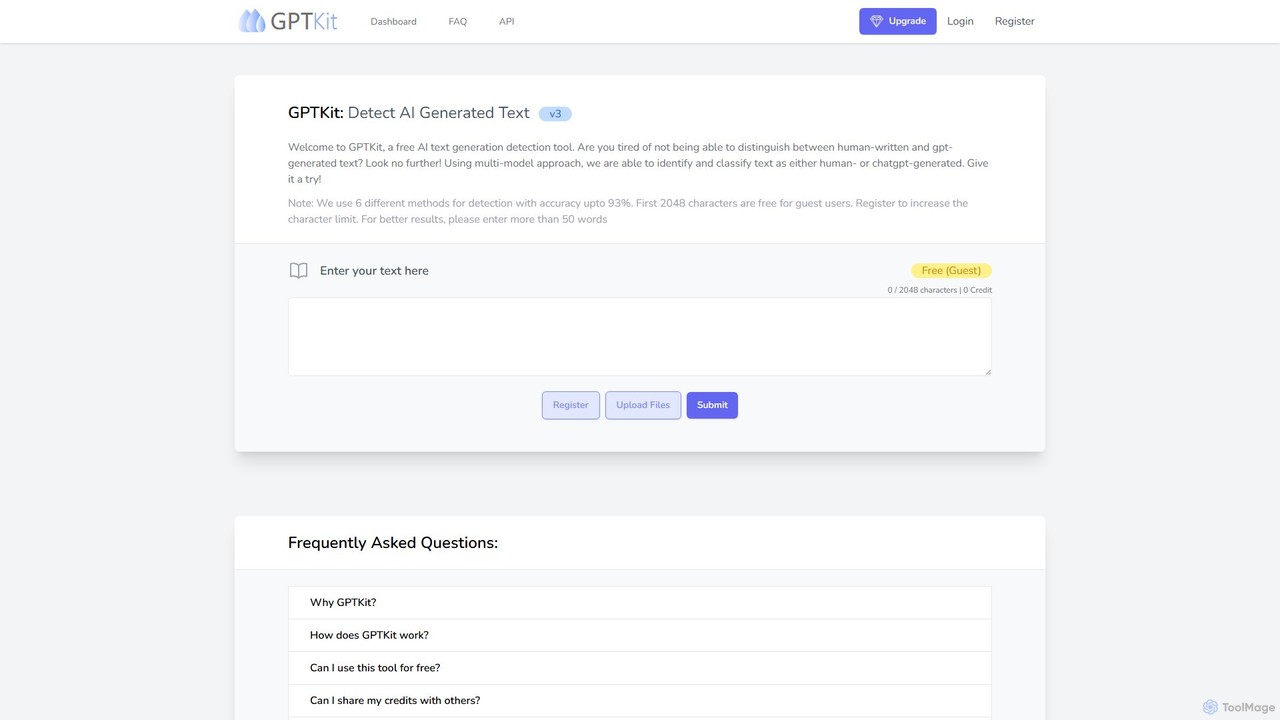
GPTKit is an advanced AI text detection tool designed to distinguish between human-written and AI-generated content. It utilizes a sophisticated multi-model approach, combining six different detection techniques to achieve up to 93% accuracy. Ideal for educators, content creators, and professionals, it provides detailed authenticity reports to ensure content integrity and originality.

Academic Integrity
Visits 8.6KFavorites 118Likes 102
Winston AI
Freemium

Winston AI

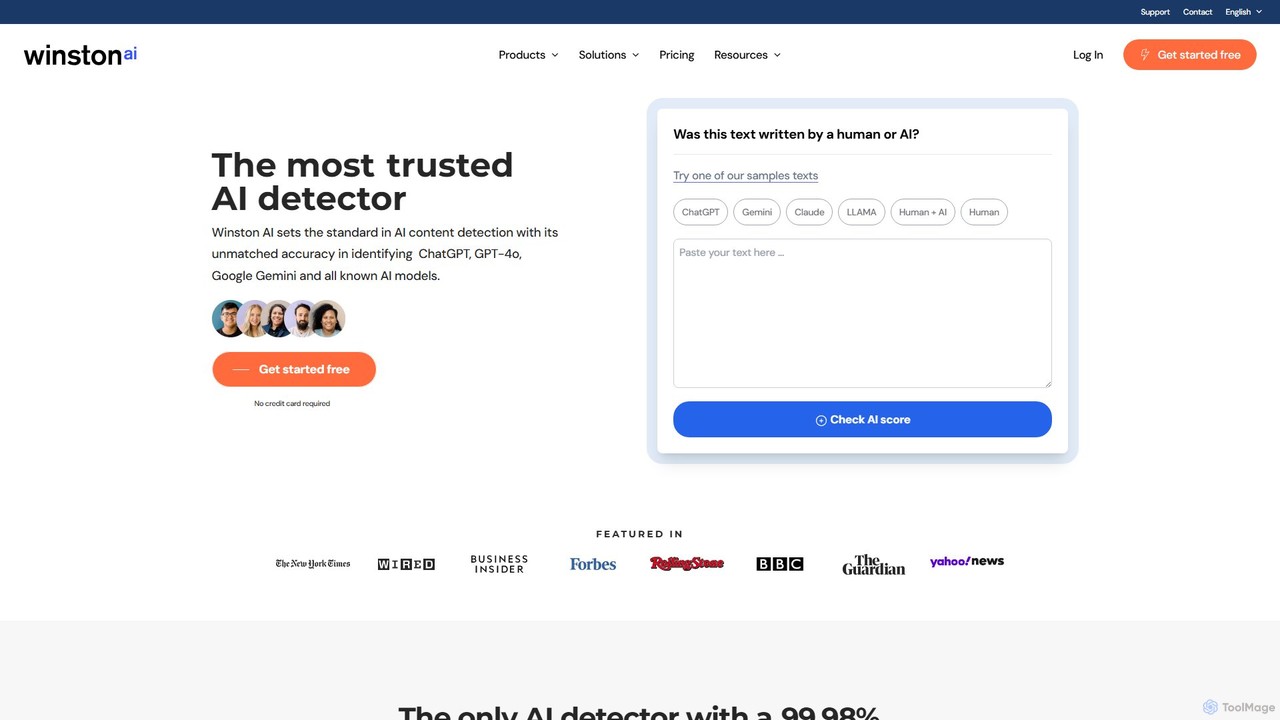
Winston AI is the most trusted AI detector, offering 99.98% accuracy in identifying content from ChatGPT, GPT-4o, Gemini, and more. It's an essential tool for educators, writers, and SEO professionals, featuring AI detection, plagiarism checking, and AI image analysis to ensure content originality and integrity.

Academic Integrity
Visits 771.2KFavorites 131Likes 156
CheckforAi
Free

CheckforAi

CheckforAi was a free, nonprofit AI detection tool designed to analyze English text and assess the probability of it being AI-generated. It provided a risk score to help educators, writers, and content managers identify potentially machine-written content, emphasizing a nuanced approach. Please note, this service has been discontinued.

Academic Integrity
Visits 5.5KFavorites 97Likes 111
GPTZero
Freemium

GPTZero

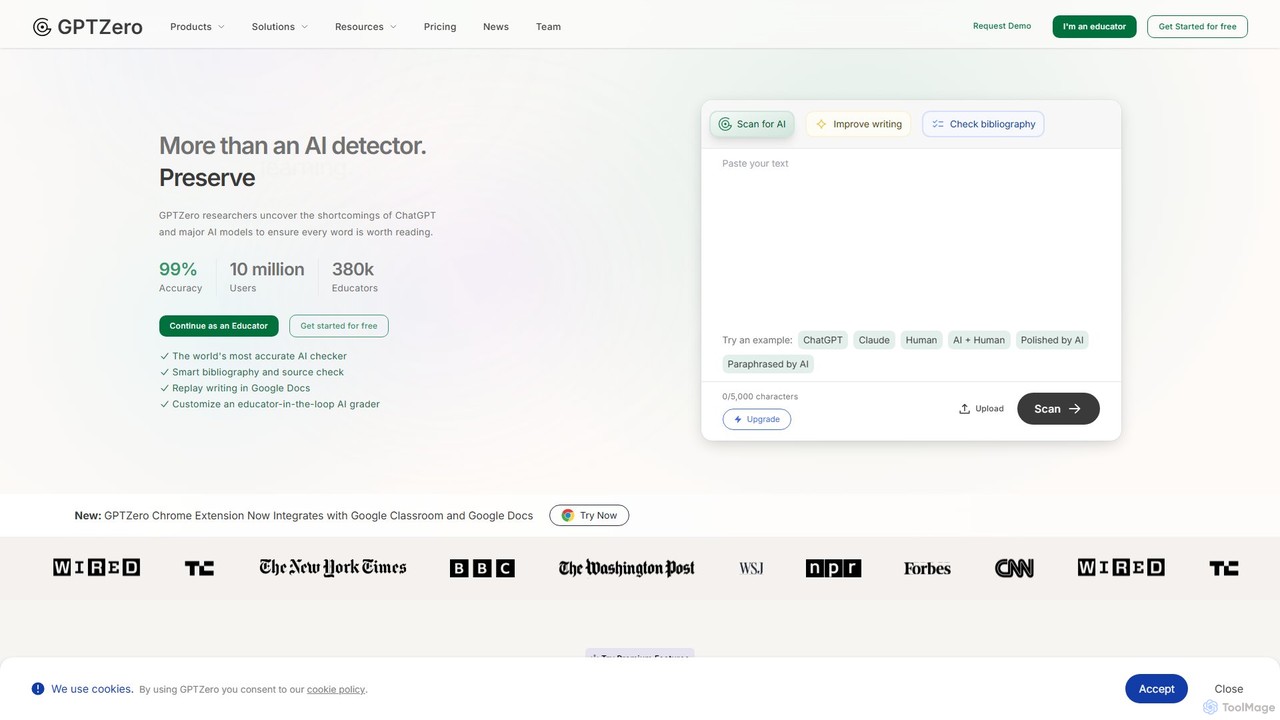
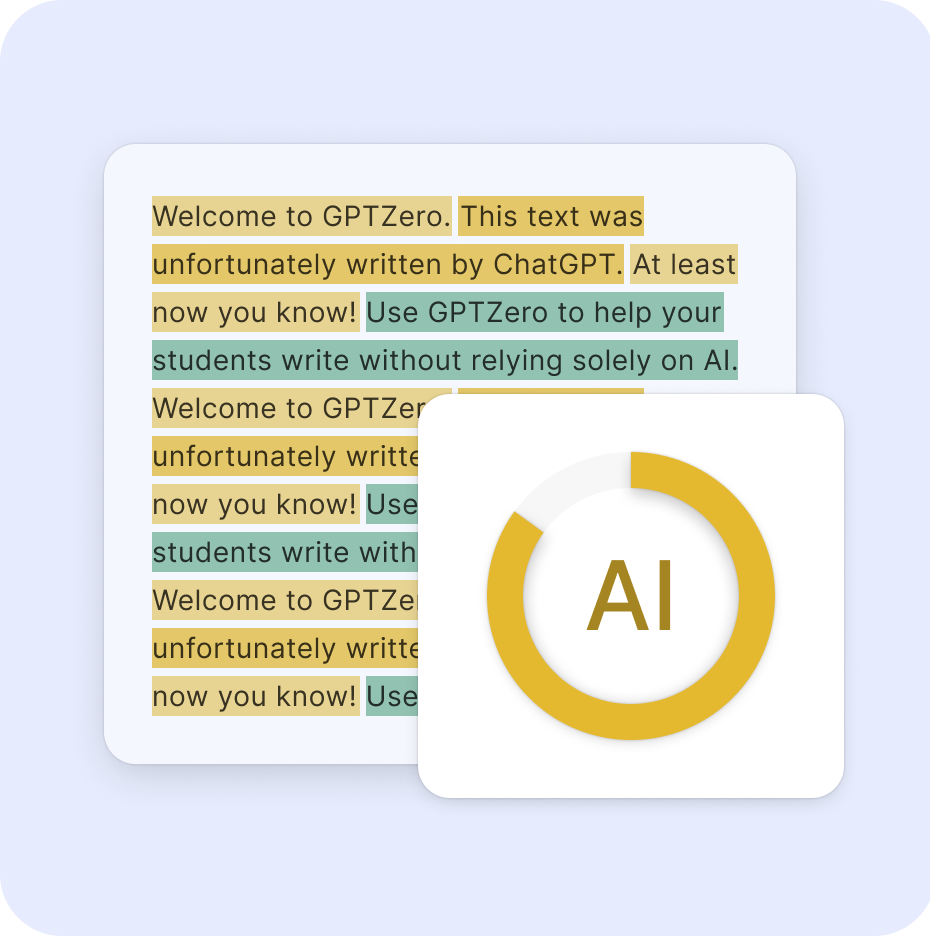
GPTZero is the leading AI detector for identifying text generated by models like ChatGPT, Gemini, and Claude. Trusted by millions of educators and professionals, it offers high-accuracy scanning, plagiarism checking, writing feedback, and detailed reports to preserve human authenticity in writing.

Academic Integrity
Visits 16.8MFavorites 142Likes 131
Quetext
Freemium

Quetext

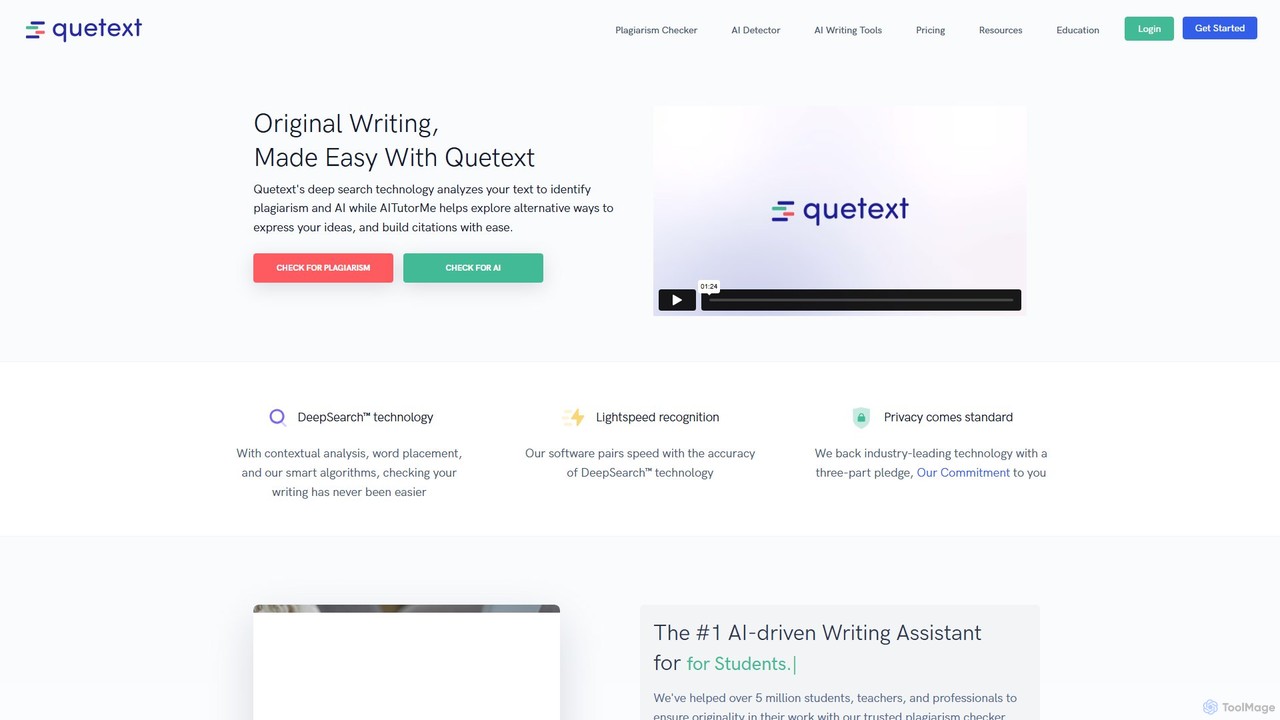
Quetext is a comprehensive AI-powered writing assistant designed for students, teachers, and professionals. It offers a trusted plagiarism checker, an advanced AI content detector, and a powerful paraphrasing tool called AITutorMe. With features like a citation generator, grammar check, and bulk file uploads, Quetext helps ensure originality and enhance the quality of your writing.

Academic Integrity
Visits 457KFavorites 170Likes 170
Crossplag
Freemium

Crossplag

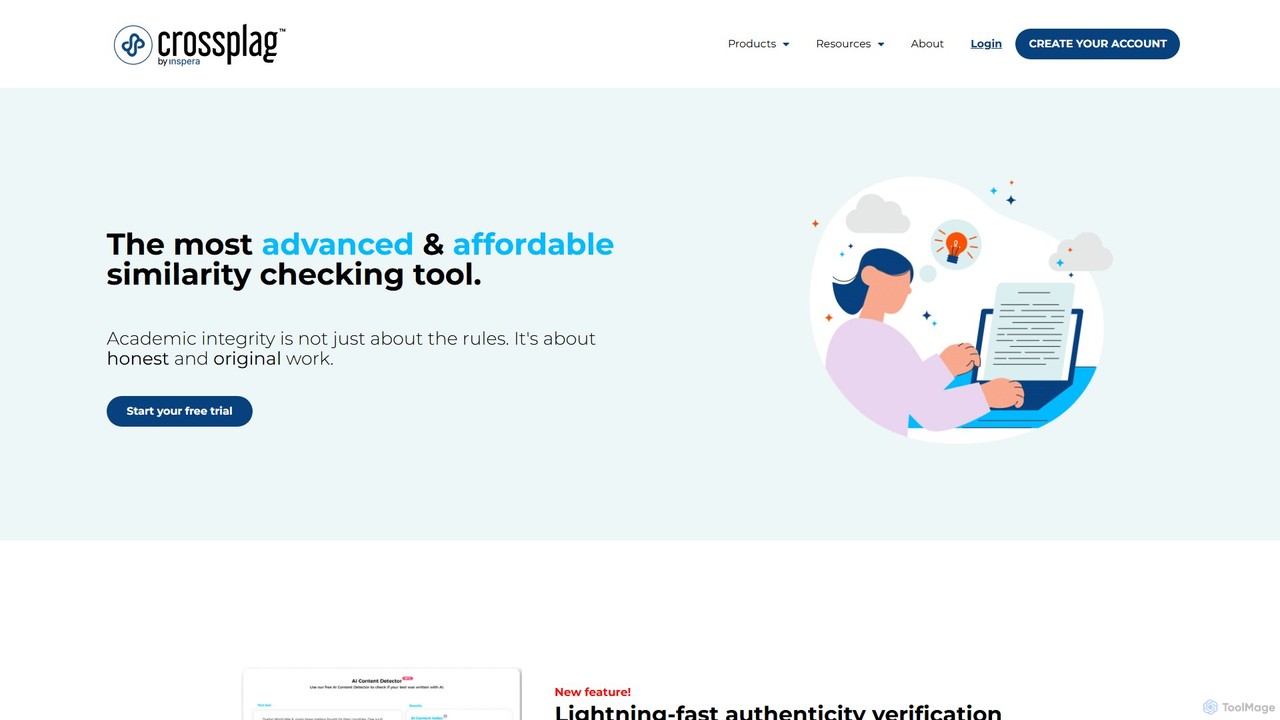
Crossplag is an advanced plagiarism and AI content detector, uniquely offering cross-lingual similarity checking in over 100 languages. It's designed for students, educators, and businesses to ensure academic integrity and content originality, with a strong focus on data privacy and user control.

Api
Visits 23.8KFavorites 146Likes 148
Imagetwin
Paid

Imagetwin

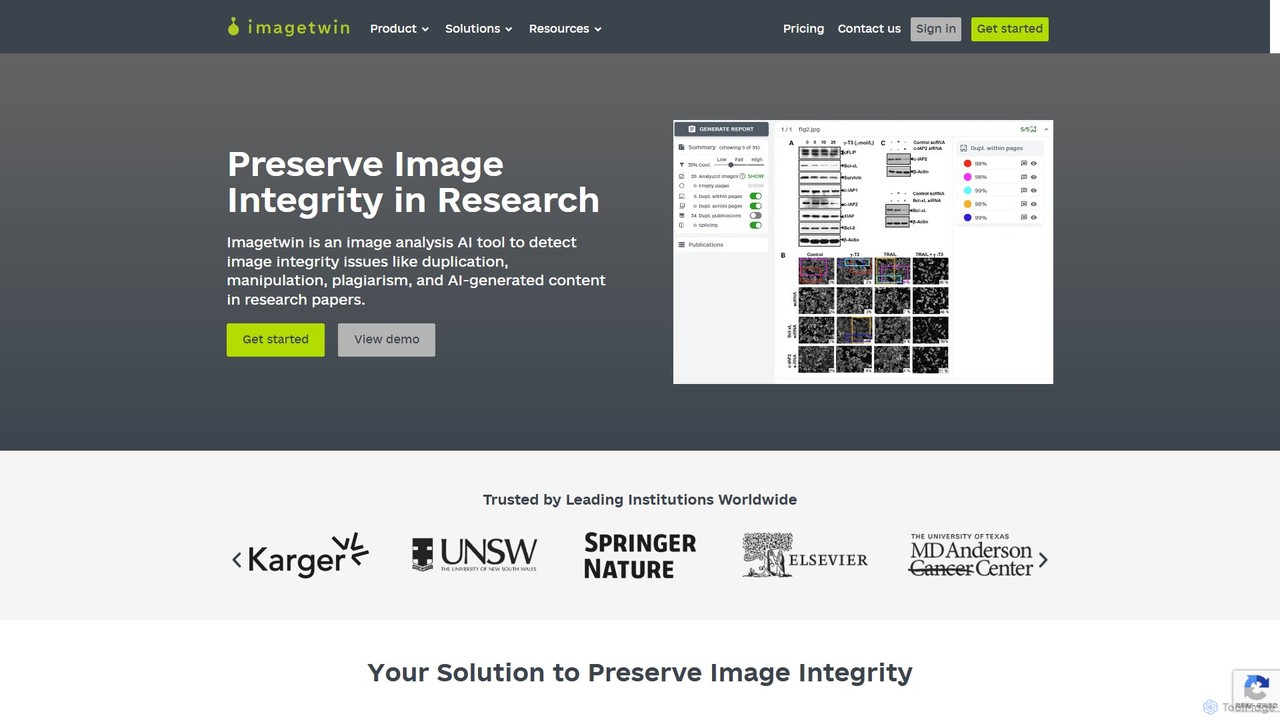
Imagetwin is an AI-powered image analysis tool designed for researchers, publishers, and academic institutions. It detects image integrity issues such as duplication, manipulation, plagiarism, and AI-generated content in scientific papers, helping to preserve the credibility and trust in research.

Academic Integrity
Visits 19.1KFavorites 117Likes 125
Originality.ai
Paid

Originality.ai

Originality.ai is a comprehensive tool for content creators and publishers, designed to ensure authenticity. It combines an advanced AI content detector, a thorough plagiarism checker, and a fact-checking feature. Built for serious users like SEOs, content marketers, and academic institutions, it helps verify that content is original, human-written, and factually accurate, protecting against penalties and maintaining credibility.

Academic Integrity
Visits 2.4MFavorites 130Likes 127

About Academic Integrity

Academic Integrity tools are a specialized category of educational software designed to detect plagiarism, verify authorship, and uphold standards of academic honesty. These platforms utilize advanced AI algorithms to compare submitted work against vast databases of online content, academic publications, and previously submitted papers. Their primary purpose is to identify unoriginal content, including text generated by AI models, and provide detailed reports to support both educators and students. This helps maintain a fair academic environment and teaches students the importance of proper citation and original work.

Core Features

  • Plagiarism Detection: Scans documents for copied text by comparing them against billions of web pages and academic articles.
  • AI Content Detection: Identifies text patterns and characteristics typical of content generated by large language models (LLMs).
  • Authorship Verification: Analyzes writing style to help confirm if the work is consistent with a student's previous submissions.
  • Detailed Similarity Reports: Generates interactive reports that highlight matching text and link to the original sources for review.
  • LMS Integration: Seamlessly connects with Learning Management Systems like Canvas, Moodle, and Blackboard for easy assignment submission and checking.

Use Cases

These tools are essential in higher education institutions, high schools, and online learning platforms. Instructors use them to verify the originality of essays, research papers, and dissertations. Students can also use them for self-checking to avoid unintentional plagiarism before final submission. Academic journals and publishers rely on them to screen manuscripts for originality during the peer-review process.

How to Choose

When selecting an Academic Integrity tool, consider the comprehensiveness of its database and its accuracy in detecting both direct plagiarism and AI-generated text. Evaluate its integration capabilities with your existing Learning Management System (LMS). Also, assess the clarity and usability of its similarity reports for both instructors and students. Finally, review the platform's data privacy and security policies to ensure student information is protected.

Featured tool rankings

Academic Integrity use cases

1

Screening University Coursework for Originality

A university professor managing a large literature course uses an Academic Integrity tool integrated into their Learning Management System (LMS). For the final research paper, all 150 student submissions are automatically scanned upon upload. The tool compares each paper against its extensive database and flags passages with high similarity scores, identifying potential plagiarism or improper citation. It also runs an AI detection check. The professor reviews the detailed, color-coded reports, which saves dozens of hours of manual checking and provides objective evidence to address academic misconduct issues fairly and consistently.

2

Student Self-Checking to Prevent Unintentional Plagiarism

A graduate student is writing their master's thesis, a complex document involving extensive literature review. To ensure they have paraphrased and cited all sources correctly, they use an academic integrity tool before submitting each chapter to their advisor. The tool provides a similarity report, highlighting sentences that are too close to the original sources. This allows the student to revise these sections, improve their paraphrasing skills, and add missing citations. This proactive use helps build good academic habits and reduces the risk of facing plagiarism accusations later, ensuring their final submission is entirely their own work.

3

Screening Journal Submissions for Publication Integrity

An editor for an academic journal uses an integrity tool as a first-pass screening for all manuscript submissions. The software quickly identifies papers with significant overlap with previously published works or online sources, allowing the editorial team to reject submissions with clear plagiarism early in the process. The AI detection feature is also crucial for flagging manuscripts that may have been heavily written by AI, which might violate the journal's submission policies. This streamlines the peer-review process, saving valuable time for reviewers and upholding the journal's reputation for publishing original, high-quality research.

4

Supporting Academic Misconduct Investigations

When a student is formally accused of plagiarism, an academic integrity officer at a university uses the tool to generate comprehensive evidence. They run the student's paper through the system to produce a definitive similarity report, which serves as objective, timestamped documentation. The report clearly shows the percentage of matched text and provides direct links to the original sources. This evidence is crucial for disciplinary hearings, ensuring that decisions are based on factual data rather than subjective judgment. It provides a clear, auditable trail that protects both the institution and the student by ensuring a fair and transparent investigation process.

5

Teaching Proper Citation in High School Writing

A high school English teacher uses an academic integrity tool not for punishment, but as a pedagogical aid. After students submit drafts of their essays, the teacher allows them to view their own similarity reports. This visual feedback helps students see exactly where they have failed to paraphrase effectively or have forgotten a citation. The teacher then uses these reports in one-on-one conferences to discuss the difference between quoting, paraphrasing, and summarizing. This formative approach transforms the tool from a simple detector into a powerful instructional resource that actively teaches students the skills of ethical research and writing.

6

Verifying Authenticity in Online and Remote Assessments

An online university offering remote degree programs integrates an academic integrity tool into its examination platform. When students submit essay-based answers for their final exams, the system automatically checks for both plagiarism and signs of AI generation. It can also employ authorship verification features, comparing the writing style of the exam answers to the student's previous coursework. This multi-faceted approach helps ensure that the work submitted during a high-stakes remote assessment is genuinely the student's own, maintaining the credibility and value of the degrees awarded by the institution.

Academic Integrity FAQ

What are AI Academic Integrity tools?

AI Academic Integrity tools are specialized software designed to help educational institutions uphold academic honesty. They use artificial intelligence to scan student work for potential plagiarism by comparing it against a massive database of internet sources, academic papers, and other publications. Many modern tools also include features to detect content generated by AI language models and to help verify authorship, ensuring that submitted work is original and authentic.

How to choose the right Academic Integrity tool?

Choosing the right tool involves evaluating several key factors. Consider the following:

  • Detection Accuracy: How well does it detect various forms of plagiarism and AI-generated text? Look for independent reviews or case studies.
  • Database Scope: Does the tool scan against a comprehensive database of academic journals, websites, and a repository of student papers?
  • LMS Integration: Does it integrate smoothly with your institution's Learning Management System (e.g., Canvas, Blackboard, Moodle)?
  • User Experience: Is the interface intuitive for both instructors and students? Are the similarity reports easy to understand and act upon?
  • Data Privacy: What are the tool's policies on data ownership and student privacy? Ensure they align with your institution's standards.
Can these tools detect content from AI like ChatGPT?

Yes, many leading academic integrity tools have developed and integrated AI content detectors. These detectors work by analyzing text for patterns, syntax, and statistical properties that are characteristic of machine-generated writing, rather than human writing. While no detector is 100% foolproof and the technology is constantly evolving, they provide a strong indication of whether a text was likely written by an AI. They are typically used as one piece of evidence alongside other factors, such as plagiarism checks and an instructor's knowledge of a student's writing style.

What's the difference between an Academic Integrity tool and a grammar checker?

The primary difference lies in their core purpose. A grammar checker (like Grammarly or ProWritingAid) focuses on improving the quality of writing by correcting spelling, grammar, punctuation, and style. Its goal is to make the text clearer and more professional.

An Academic Integrity tool (like Turnitin or Copyscape) focuses on verifying the originality of the text. Its main functions are to detect plagiarism and identify AI-generated content. While some integrity tools may offer basic grammar feedback, their main objective is to ensure honesty and proper sourcing, not to refine the writing itself.

Who are the primary users of Academic Integrity tools?

The primary users are typically within the education sector. This includes:

  • Educators and Instructors: Professors, teachers, and teaching assistants at universities, colleges, and high schools use these tools to check student assignments for originality.
  • Students: Many students use these tools to self-check their work for unintentional plagiarism before submission, helping them learn proper citation practices.
  • Academic Administrators: Officials responsible for academic integrity use these tools to investigate cases of misconduct and enforce institutional policies.
  • Publishers and Journals: Editors of academic journals and publishing houses use them to screen manuscripts for originality before publication.