Ninja Humanizer
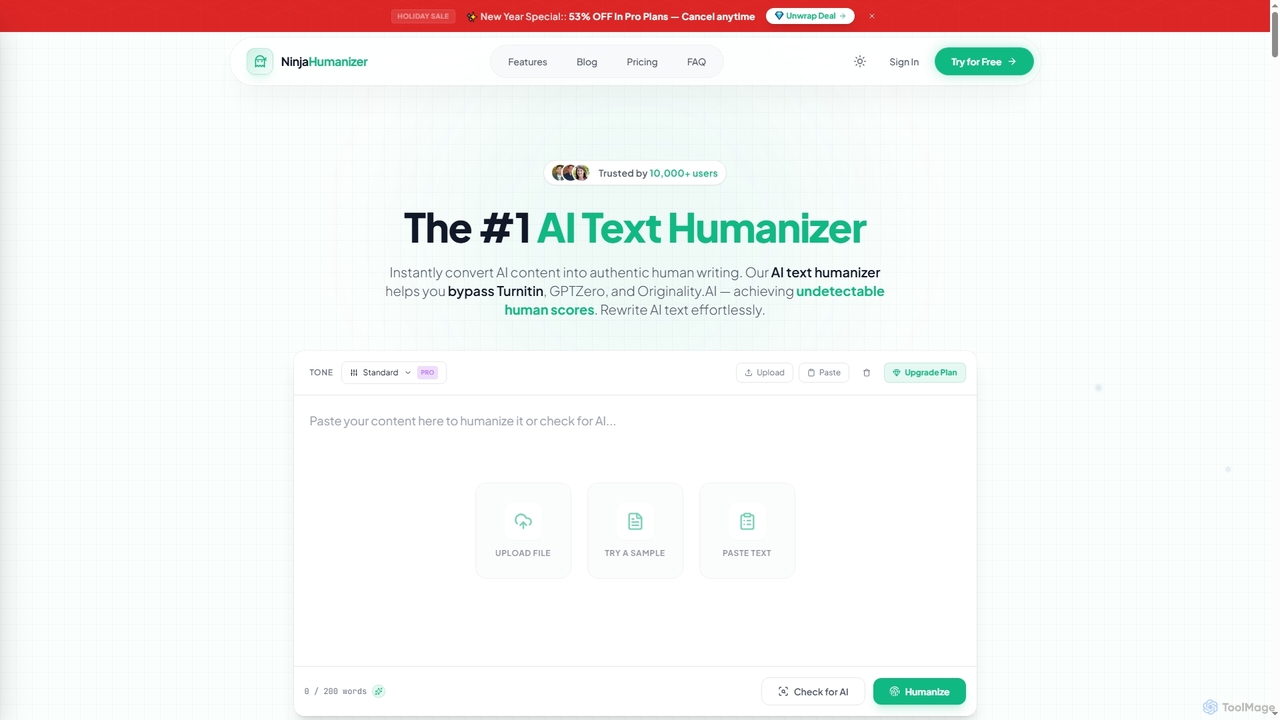
Ninja Humanizer is the #1 AI text humanizer tool that instantly converts AI-generated content into authentic, undetectable human …
Ninja Humanizer is the #1 AI text humanizer tool that instantly converts AI-generated content into authentic, undetectable human writing. It helps users bypass major AI detection tools like Turnitin, GPTZero, and Originality.AI while preserving original meaning and context. Ideal for students, content creators, and marketing agencies seeking to enhance their content's natural flow and SEO performance.
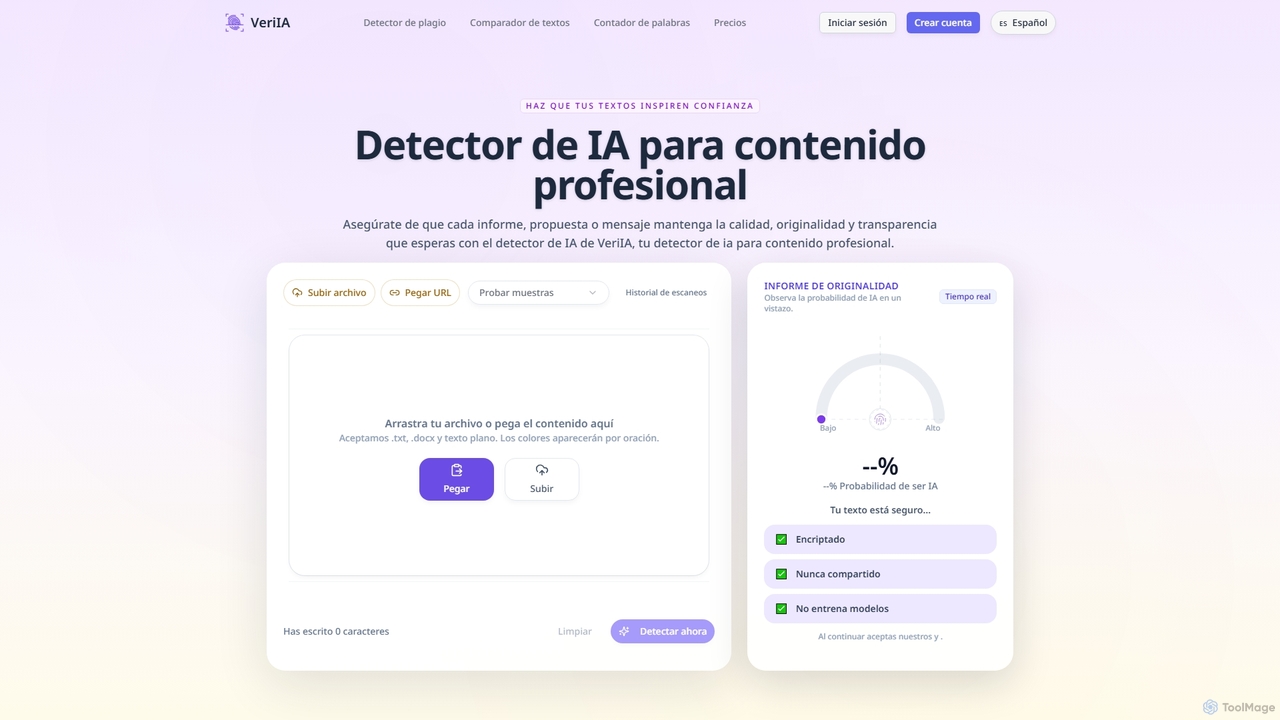
VeriIA
VeriIA is a comprehensive suite of professional content tools, featuring an advanced AI detector, plagiarism checker, text comparison …
VeriIA is a comprehensive suite of professional content tools, featuring an advanced AI detector, plagiarism checker, text comparison tool, and word counter. It's designed to help writers, academics, and marketers ensure the originality, quality, and authenticity of their texts.
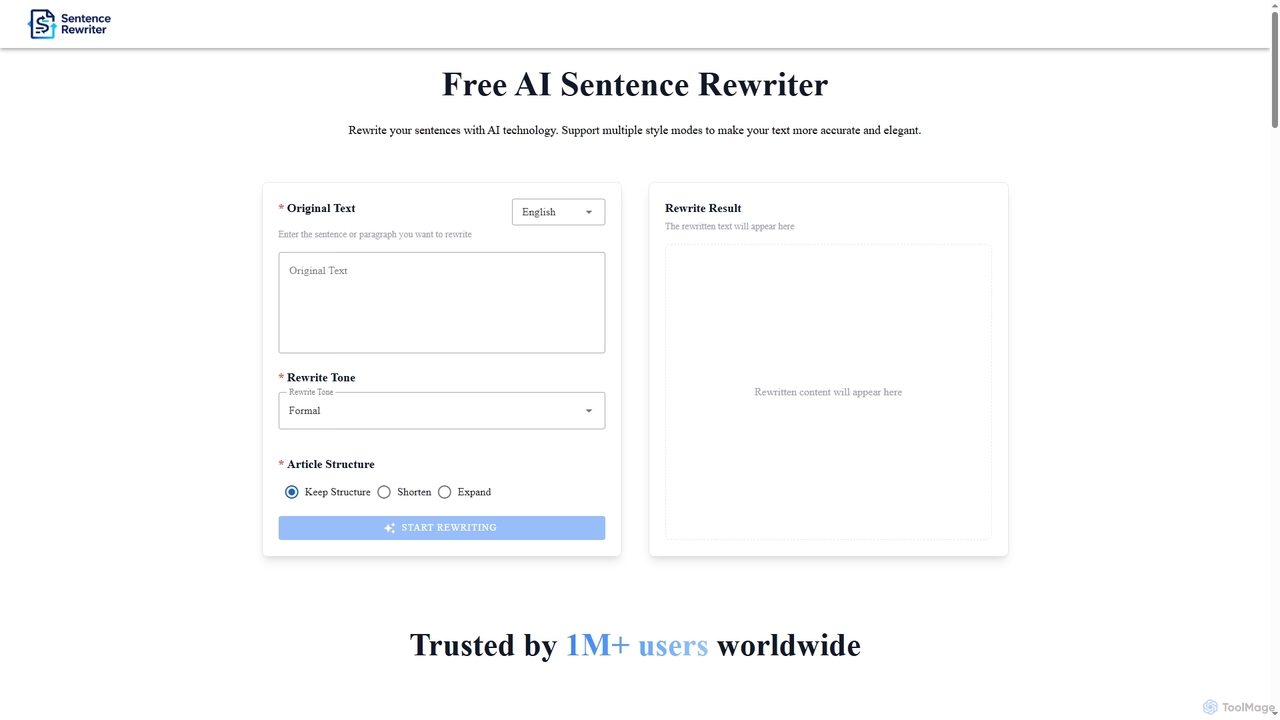
Sentence Rewriter
Sentence Rewriter is a free AI-powered tool designed to quickly rephrase and enhance text. It utilizes advanced AI, …
Sentence Rewriter is a free AI-powered tool designed to quickly rephrase and enhance text. It utilizes advanced AI, NLP, and ML technologies to improve clarity, coherence, and readability, offering various style modes for diverse writing needs.
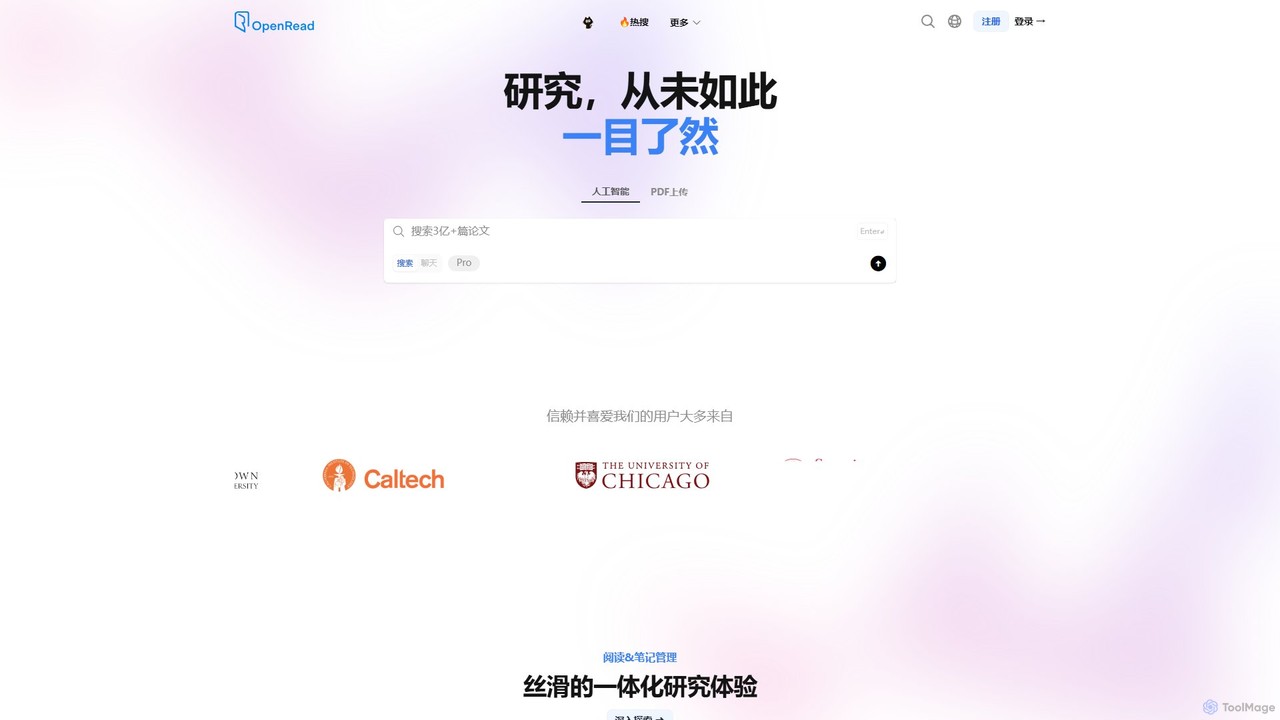
OpenRead
OpenRead is an AI-powered research platform designed to streamline the entire research workflow. It integrates paper discovery, reading, …
OpenRead is an AI-powered research platform designed to streamline the entire research workflow. It integrates paper discovery, reading, note-taking, and analysis into a single, seamless experience. Users can interact with documents via AI chat, compare multiple papers, generate summaries, and visualize research connections, significantly boosting research efficiency and depth.
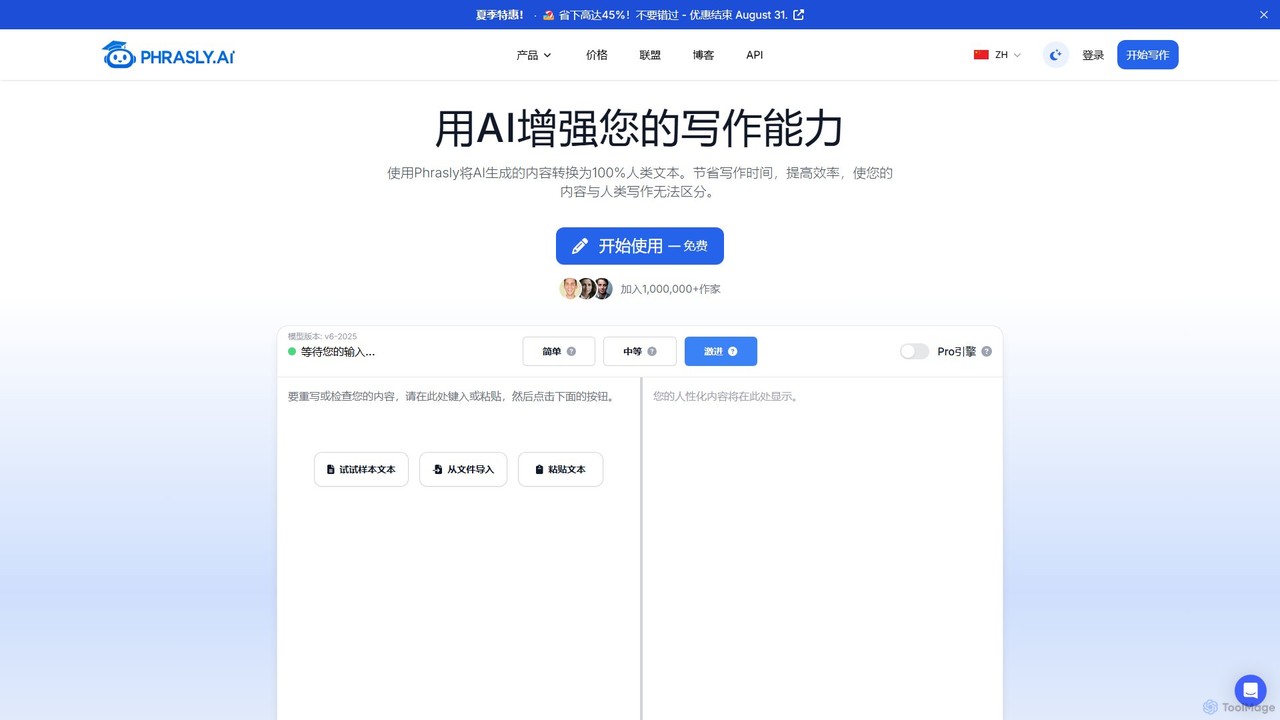
Phrasly
Phrasly is an advanced AI writing assistant designed to humanize AI-generated text, making it undetectable by leading AI …
Phrasly is an advanced AI writing assistant designed to humanize AI-generated text, making it undetectable by leading AI detectors like Turnitin and GPTZero. It enhances content readability, ensures originality, and boosts writing productivity. Ideal for students, marketers, and content creators, it features an AI humanizer, a free 99.8% accurate AI detector, and an AI writer for creating high-quality, plagiarism-free content.
Open Knowledge Maps
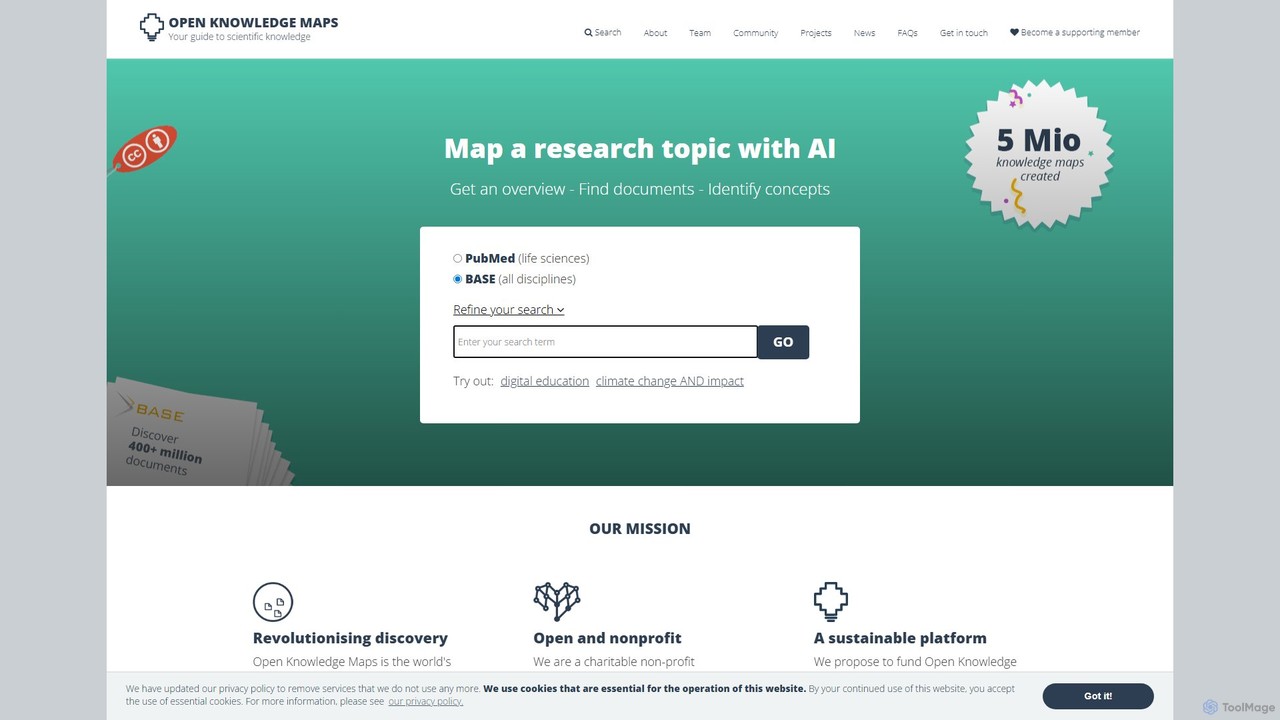
Open Knowledge Maps is a non-profit AI-powered discovery platform that transforms research discovery. It creates visual knowledge maps …
Open Knowledge Maps is a non-profit AI-powered discovery platform that transforms research discovery. It creates visual knowledge maps from millions of research articles, providing an instant overview of a topic. Instead of linear search results, it clusters documents by topic, helping users quickly identify relevant concepts and papers, especially in interdisciplinary fields. It emphasizes open access content and offers services for individuals, libraries, and institutions to enhance research visibility and assessment.
About Academic Tools
AI Academic Tools are specialized applications designed to streamline and enhance the research and writing process for students, researchers, and educators. These tools leverage natural language processing (NLP) and machine learning to automate tasks like literature discovery, data analysis, and manuscript preparation. They help users quickly synthesize complex information, improve writing clarity, and maintain academic integrity. Unlike general education tools, they focus specifically on the rigorous demands of higher education and scholarly publication.
Core Features
- Literature Discovery & Summarization: Efficiently finds relevant academic papers, extracts key findings, and generates concise summaries to accelerate literature reviews.
- Academic Writing Assistant: Provides advanced grammar correction, paraphrasing suggestions with an academic tone, and ensures stylistic consistency.
- Automated Citation & Referencing: Generates accurate citations in various formats (APA, MLA, Chicago) and helps manage reference libraries.
- Research Data Analysis: Assists in interpreting datasets, performing statistical analyses, and creating data visualizations without extensive coding knowledge.
- Plagiarism & Originality Checking: Scans documents against a vast database of academic publications to ensure originality and prevent unintentional plagiarism.
Use Cases
These tools are primarily used in higher education and research institutions. PhD candidates use them to manage extensive literature reviews, while professors leverage them for drafting grant proposals and journal articles. Students also benefit by using them to structure essays, check for writing errors, and correctly format bibliographies for their assignments.
How to Choose
When selecting an AI Academic Tool, consider the specific functions you need—whether it's writing assistance, data analysis, or literature management. Evaluate its integration capabilities with your existing software, such as word processors or reference managers. Also, assess the accuracy of its outputs, particularly for citations and data interpretation, and consider the pricing model to ensure it fits your budget.
Academic ToolsUse Cases
Automating Literature Reviews for Theses
A PhD candidate in social sciences is beginning their literature review, facing hundreds of potentially relevant papers. Using an AI Academic Tool, they can upload a list of keywords and initial papers. The tool automatically scans databases to find related studies, groups them by theme, and generates summaries for each article. This reduces the manual screening time by over 70%, allowing the researcher to focus on analyzing the core arguments and identifying research gaps rather than on administrative search tasks.
Polishing a Manuscript for Journal Submission
A research team has completed the first draft of a scientific paper. They use an AI Academic Tool to enhance its quality before submission. The tool checks for grammatical errors, suggests alternative phrasing to improve clarity and academic tone, and ensures consistent terminology throughout the document. It also formats all citations and the bibliography according to the target journal's specific style guide (e.g., APA 7th ed.), saving hours of tedious manual formatting and increasing the manuscript's chances of passing the initial editorial review.
Analyzing Survey Data for a Research Project
An undergraduate student conducting a psychology research project has collected survey data from 200 participants. Instead of manually running statistical tests, they upload the dataset to an AI Academic Tool. The student can ask natural language questions like "Show me the correlation between screen time and anxiety scores." The AI performs the relevant statistical analysis (e.g., Pearson correlation), generates visualizations like scatter plots, and provides a plain-language interpretation of the results, making complex data analysis accessible and efficient.
Preparing a Grant Proposal
A professor is applying for a research grant and needs to write a compelling proposal. They use an AI Academic Tool to find the most recent and impactful studies in their field to strengthen their literature review section. The tool also helps paraphrase complex ideas to make the proposal more accessible to a multidisciplinary review panel. Finally, it scans the entire document for clarity, coherence, and consistency, ensuring the research objectives and methodology are clearly articulated, thereby improving the overall quality and persuasiveness of the proposal.
Interactive Learning with Research Papers
A medical student is studying a complex biochemical pathway. Instead of just reading dense research articles, they upload the PDFs to an AI Academic Tool. The student can then ask specific questions like, "What role does enzyme X play in this process?" or "Summarize the methodology of this experiment." The AI provides direct answers based on the content of the papers, complete with source citations. This transforms passive reading into an active, conversational learning experience, improving comprehension and retention of difficult material.
Checking for Unintentional Plagiarism
Before submitting a final essay, a university student wants to ensure their work is entirely original. They use the plagiarism checker within an AI Academic Tool. The tool compares their text against a massive database of online sources and academic publications. It highlights passages that are too similar to existing work, even if paraphrased, and provides links to the original sources. This allows the student to identify areas that need better citation or further rewriting, helping them uphold academic integrity and avoid potential penalties.