Data Management AI tools are a category of sophisticated software leveraging artificial intelligence to automate, optimize, and enhance the entire lifecycle of data within an organization. These tools utilize machine learning, natural language processing, and advanced analytics to process, organize, store, and analyze vast datasets more efficiently and accurately than traditional methods. They empower businesses to transform raw data into actionable insights, improve decision-making, and ensure data quality and compliance, ultimately driving operational excellence and strategic growth.
Core Features
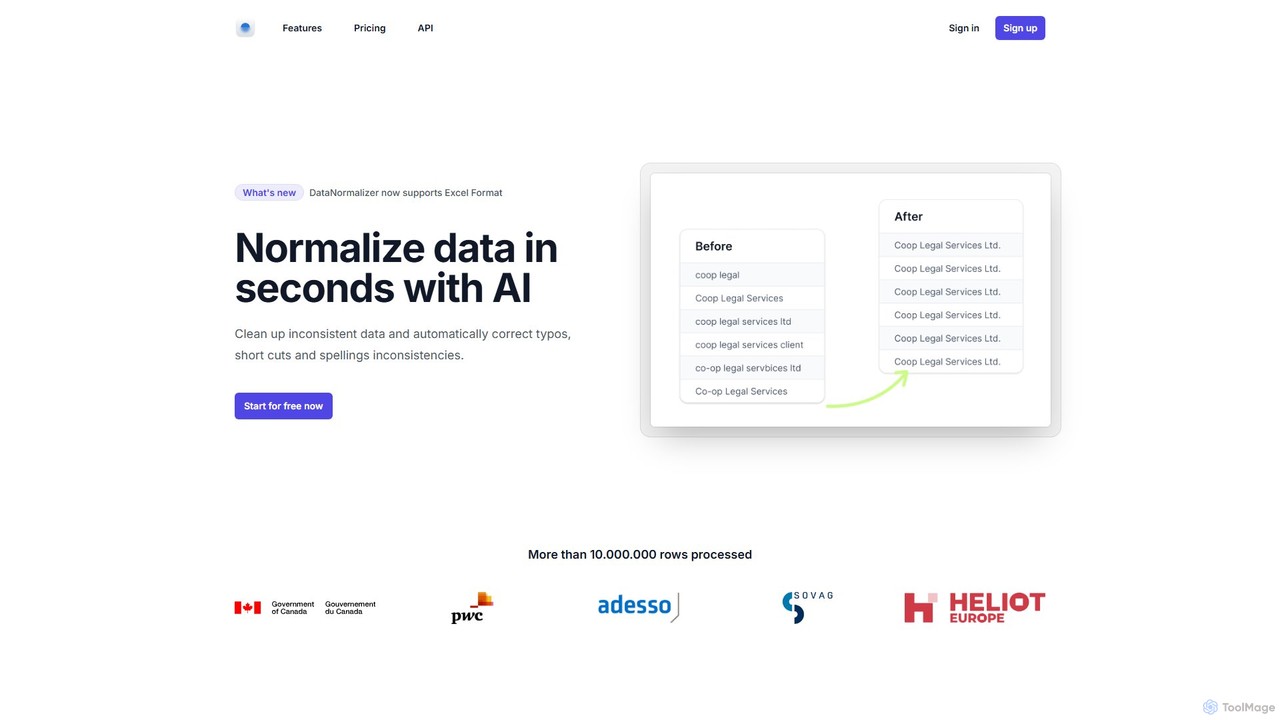
- Automated Data Cleaning: Identifies and corrects errors, inconsistencies, and duplicates in datasets.
- Intelligent Data Integration: Connects disparate data sources, harmonizing and preparing data for analysis.
- Predictive Analytics: Uses historical data to forecast future trends, behaviors, and outcomes.
- Real-time Data Monitoring: Continuously tracks data streams for anomalies, performance issues, and security threats.
- AI-driven Data Governance: Automates policy enforcement, access control, and compliance checks for data integrity.
Applicable Scenarios
These tools are crucial for enterprises across various sectors, including finance, healthcare, retail, and manufacturing. Data scientists use them for preparing complex datasets for model training, while business analysts leverage them to generate insightful reports from integrated data. IT departments deploy them to ensure data security, compliance, and efficient storage, supporting robust data infrastructure.
How to Choose
When selecting Data Management AI tools, consider the scope of your data sources and volume, the specific data quality and governance needs, and the level of automation required. Evaluate integration capabilities with existing systems, scalability for future growth, and the clarity of the user interface. Also, assess the vendor's support, security protocols, and pricing model to ensure it aligns with your budget and long-term strategy.