ToolMage
Sign in

Best 5 Nutrition Tracking AI tools for Health

Popular Nutrition Tracking AI tools in Health include HealthifyMe, CalVault, CalPulse, WellnessLens, and Kalpal, helping you work more efficiently.

Kalpal
Freemium

Kalpal

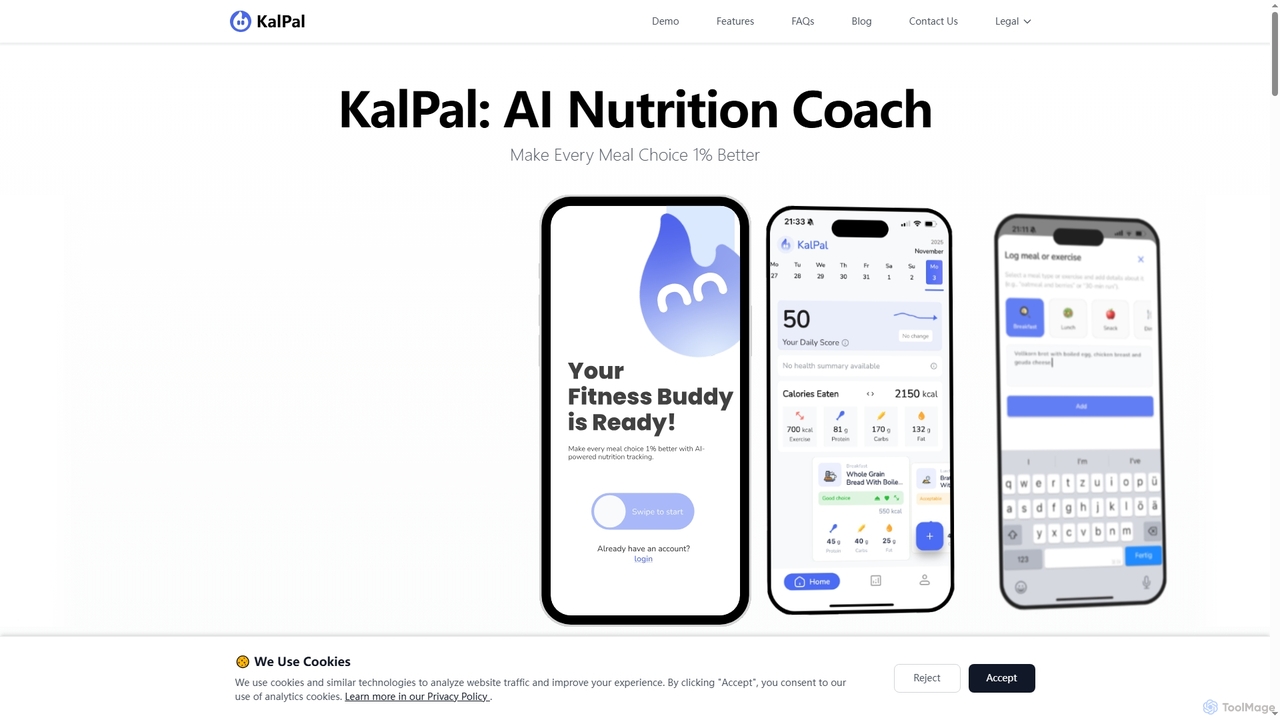
Kalpal is an AI nutrition coach designed to simplify meal tracking and provide personalized insights for healthier eating. It helps users make incremental improvements to their diet by analyzing meals, tracking macronutrients and micronutrients, and offering a unique health score.

Wellness Coach
Visits 5.9KFavorites 35Likes 34
CalVault
Freemium

CalVault

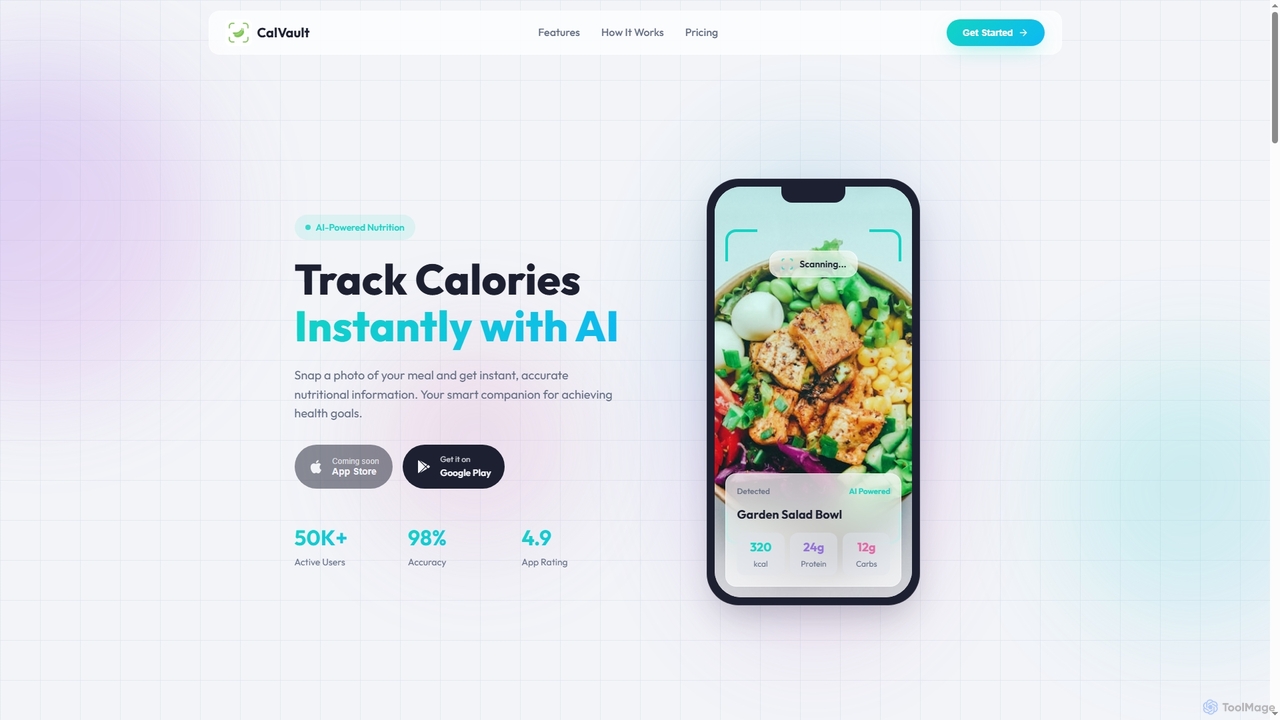
CalVault is an AI-powered calorie tracker and smart nutrition app designed to help users manage their dietary intake effortlessly. It offers features like food scanning, detailed nutrition insights, and personalized meal plans, making healthy eating accessible and data-driven.

Diet & Fitness
Visits 6.4KFavorites 44Likes 41
WellnessLens
Freemium

WellnessLens

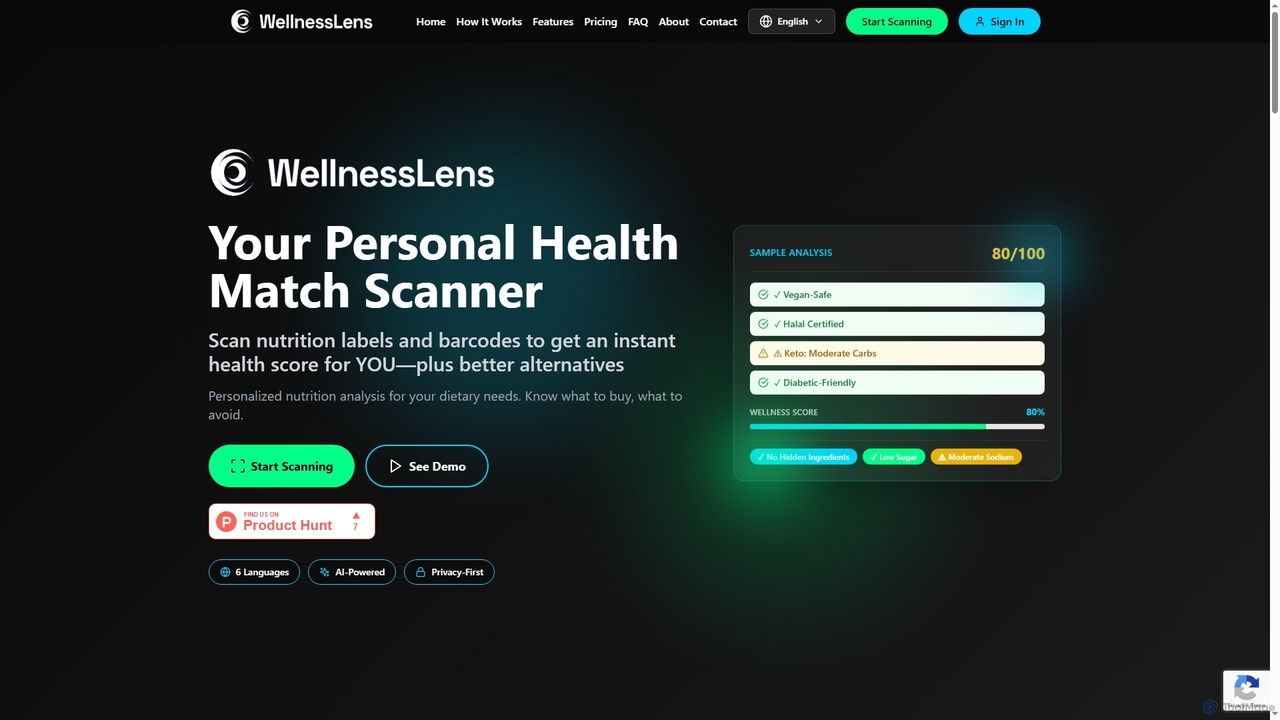
WellnessLens is an AI-powered food scanner that provides instant, personalized nutrition analysis for various dietary needs like Vegan, Keto, and Diabetic. It helps users understand food labels, detect allergens, and receive real-time food safety alerts, empowering healthier eating choices for individuals and families.

Product Analysis
Visits 5.9KFavorites 82Likes 69
CalPulse

CalPulse

CalPulse is an innovative AI tool designed to simplify nutritional tracking. By allowing users to snap a photo of any food menu, it instantly provides estimated calorie and macronutrient information. This makes it easier for individuals to make informed dietary choices on the go, supporting health and fitness goals with quick, accessible data.

Nutrition Tracking
Visits 5.9KFavorites 139Likes 113
HealthifyMe
Freemium

HealthifyMe

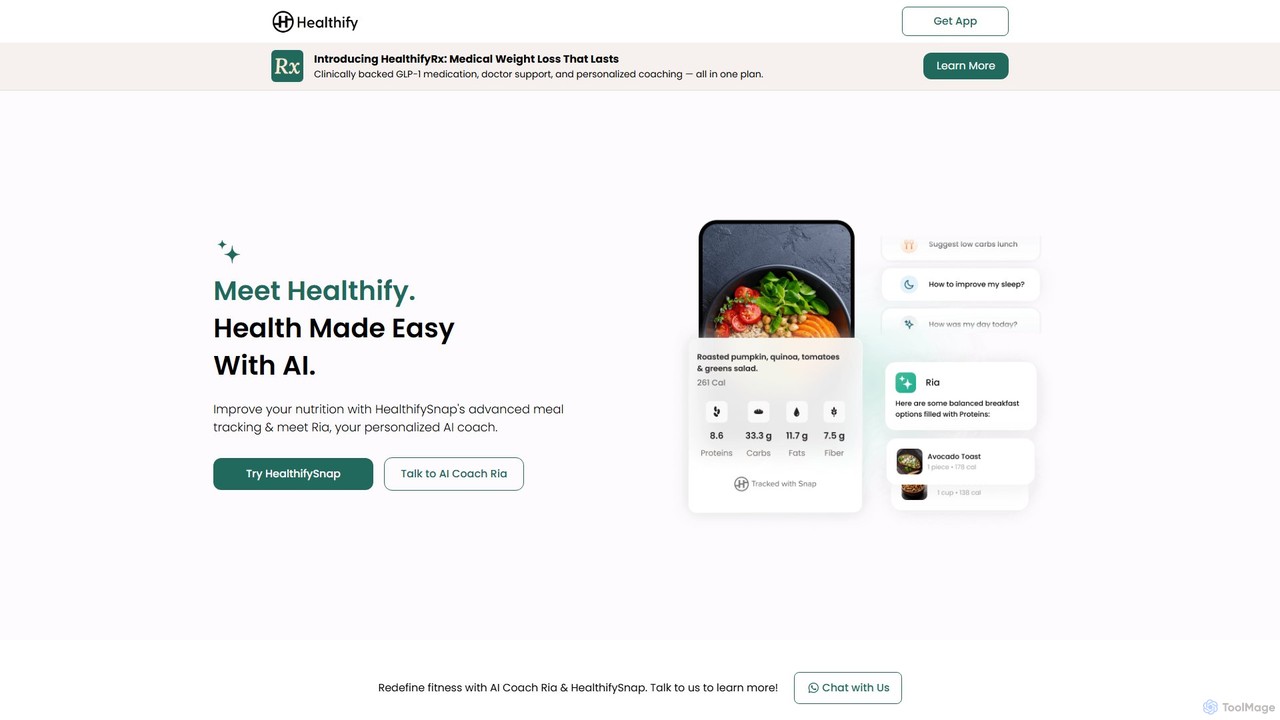
HealthifyMe is an AI-powered health and fitness platform offering personalized diet and workout plans, calorie tracking, and medical weight loss programs. Featuring AI Coach Ria and the HealthifySnap food recognition tool, it provides comprehensive, data-driven guidance to help users achieve their wellness goals.

3D
Visits 251.9KFavorites 172Likes 171

About Nutrition Tracking

Nutrition Tracking tools are AI-powered applications designed to help users monitor, analyze, and manage their dietary intake. Leveraging advanced algorithms and machine learning, these tools can identify foods from images or text, calculate nutritional values, and provide personalized insights. They empower individuals to achieve health goals, manage specific dietary needs, and foster healthier eating habits by offering precise data and actionable advice.

Core Features

  • AI Food Recognition: Automatically identify meals and ingredients from photos or text input for quick logging.
  • Detailed Nutrient Analysis: Break down caloric intake, macronutrients (proteins, fats, carbs), and micronutrients (vitamins, minerals).
  • Personalized Dietary Recommendations: Offer tailored food suggestions, meal plans, and portion guidance based on individual health goals and preferences.
  • Progress Tracking & Reporting: Visualize dietary trends, track goal achievement, and generate comprehensive reports on eating habits over time.
  • Dietary Restriction Management: Help users adhere to specific diets (e.g., vegan, keto, gluten-free) by flagging unsuitable foods and suggesting alternatives.

Applicable Scenarios

These tools are invaluable for individuals focused on personal health, athletes optimizing performance, and professionals guiding dietary choices. They assist anyone needing precise data on their food consumption, from managing chronic conditions to simply understanding daily nutrition. Health coaches and dietitians also utilize them to monitor client progress and provide data-driven advice.

How to Choose

When selecting a nutrition tracking tool, consider its food recognition accuracy and database size, the depth of nutrient analysis provided, and the level of personalization in recommendations. Evaluate its user interface for ease of logging and data visualization, integration capabilities with other health apps or wearables, and privacy policies regarding sensitive health data. Finally, assess the pricing model and availability of expert support.

Nutrition Tracking use cases

1

Personalized Weight Management

An individual aiming for weight loss or gain uses a nutrition tracking tool to log every meal and snack. The AI analyzes their caloric and macronutrient intake against their personalized goals, providing real-time feedback on whether they are on track. It suggests healthier food swaps or portion adjustments, helping them maintain consistency and achieve their target weight effectively.

2

Optimizing Athletic Performance

An athlete uses a nutrition tracking tool to meticulously monitor their intake of protein, carbohydrates, and fats to fuel training and recovery. The AI helps them identify nutritional gaps or excesses, suggesting specific foods or supplements to optimize energy levels, muscle repair, and overall performance. This data-driven approach ensures their diet aligns perfectly with their demanding physical regimen.

3

Managing Dietary Restrictions & Allergies

Individuals with specific dietary restrictions (e.g., celiac disease, diabetes, lactose intolerance) or allergies use these tools to ensure safe eating. The AI can flag ingredients that conflict with their profile, suggest suitable alternatives, and help them discover compliant recipes. This significantly reduces the risk of adverse reactions and simplifies meal planning for complex dietary needs.

4

Health Coaching & Client Monitoring

Health coaches and dietitians leverage nutrition tracking tools to monitor their clients' dietary habits remotely. Clients log their meals, and the AI provides coaches with detailed reports and insights into adherence, nutrient intake, and progress towards goals. This enables coaches to offer more personalized, data-driven advice and interventions, improving client outcomes and engagement.

5

Understanding Daily Nutritional Balance

A general user curious about their daily nutritional intake employs a nutrition tracking tool to gain a comprehensive overview. The AI breaks down their meals into macronutrients, micronutrients, and even sugar/salt content, highlighting areas where their diet might be lacking or excessive. This helps them make informed choices to achieve a more balanced and varied diet without specific weight goals.

6

Meal Planning & Recipe Discovery

Users seeking to streamline their meal preparation utilize nutrition tracking tools for intelligent meal planning. Based on their dietary preferences, goals, and logged history, the AI can suggest balanced meal ideas and recipes. It helps them create weekly meal plans that meet nutritional targets, minimize food waste, and introduce variety, making healthy eating more convenient and enjoyable.

Nutrition Tracking FAQ

What are AI Nutrition Tracking tools?

AI Nutrition Tracking tools are applications that use artificial intelligence to help users monitor and analyze their food intake. They leverage technologies like image recognition and natural language processing to log meals, calculate nutritional content, and provide personalized feedback. These tools are essential for anyone looking to understand their eating habits better, achieve health goals, or manage specific dietary requirements.

How do AI Nutrition Tracking tools work?

These tools typically work by allowing users to log their food intake through various methods, such as taking photos of meals, scanning barcodes, or manually entering food items. The AI then processes this data using its extensive food database and machine learning algorithms to identify ingredients, calculate nutritional values (calories, macros, micros), and compare them against the user's set health goals. Advanced AI can also learn user habits and provide increasingly accurate and personalized recommendations over time.

How accurate are AI Nutrition Tracking tools?

The accuracy of AI Nutrition Tracking tools varies depending on several factors. Tools with robust food databases, advanced image recognition capabilities, and comprehensive nutrient analysis algorithms tend to be more accurate. User input quality also plays a significant role; clear photos and precise manual entries yield better results. While not always 100% perfect, these tools offer a highly reliable and convenient way to estimate and manage dietary intake, often surpassing manual tracking methods in efficiency.

What are the benefits of using AI for nutrition tracking?

Using AI for nutrition tracking offers several key benefits. It significantly simplifies the logging process through features like image recognition, saving time and effort compared to manual entry. AI provides more accurate and detailed nutritional breakdowns, personalized recommendations based on individual data, and intelligent insights into dietary patterns. This leads to better adherence to health goals, improved understanding of one's diet, and more effective management of specific dietary needs or restrictions.

How do Nutrition Tracking tools differ from general health apps?

While general health apps might track activity, sleep, or overall well-being, Nutrition Tracking tools specifically focus on dietary intake. Their core functionality revolves around food logging, detailed nutrient analysis, and personalized dietary recommendations. Unlike broader health apps, they delve deep into the specifics of what you eat, how it impacts your body, and how to optimize it for specific health or performance goals, often utilizing AI for advanced food recognition and analysis.